
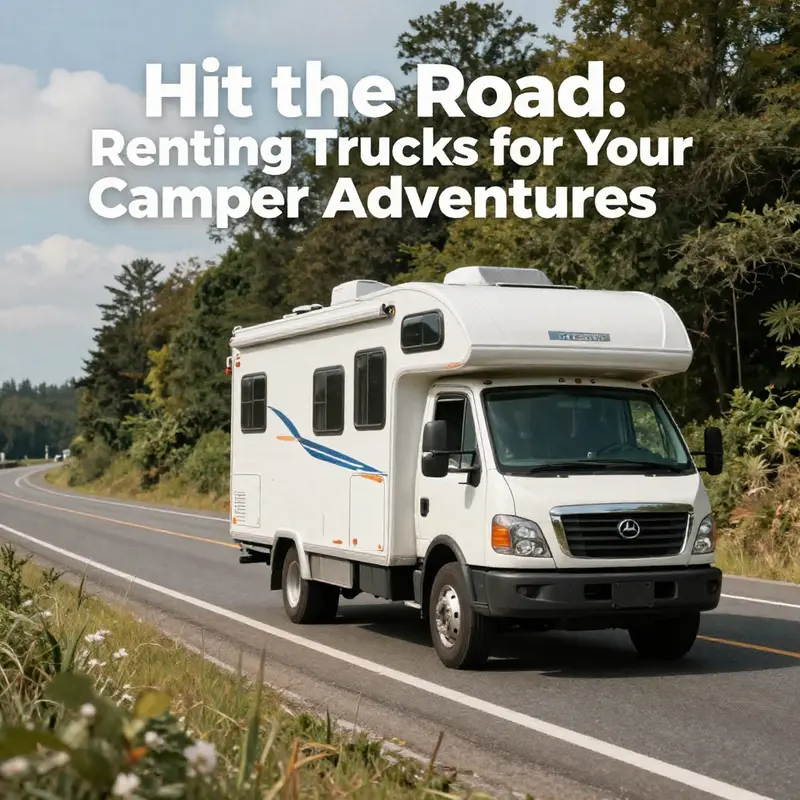
For adventure seekers eager to hit the open road with a camper, the question of truck rental often arises. Whether it’s a weekend getaway or a long road trip, having the right vehicle is crucial for safety, comfort, and endurance. Major rental companies like Enterprise, Hertz, Budget, and U-Haul offer a range of trucks designed for towing, but knowing how to select the right one can be daunting. In this guide, we’ll navigate through the types of trucks available for rent, essential considerations before making a decision, understanding towing capacities and specifications, the rental companies that specifically cater to this need, and the legal and safety requirements you need to know. Each aspect will equip you with the knowledge to forge a seamless and thrilling road trip experience while towing a camper.
Navigating Towing: Renting the Perfect Truck to Securely Tow Your Camper
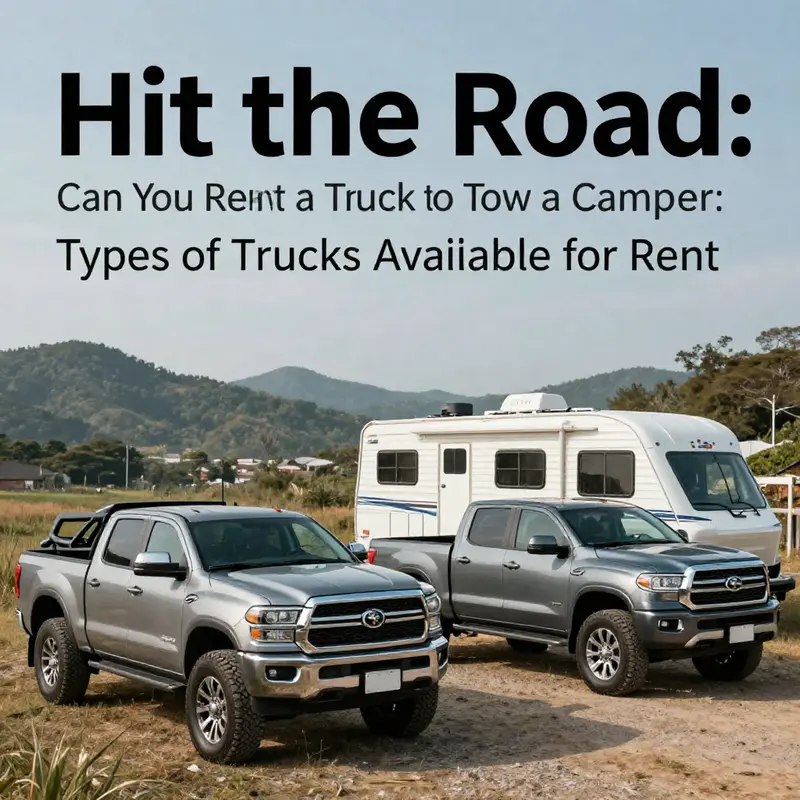
When planning your next adventure or embarking on a cross-country journey, one of the essential tasks is ensuring that your mode of travel is both safe and reliable. Renting a truck to tow a camper is an option that many travelers are increasingly considering for its flexibility and ease. This choice not only opens up a variety of vehicles that are purpose-built for heavy loads but also provides a level of convenience and assurance that your equipment is properly matched to your camper’s needs. The process, however, is not as simple as a one-size-fits-all solution, and it demands a thorough understanding of the available truck types, their capacities, and the specific requirements for towing.
A number of rental companies offer trucks that are specifically designed to handle the demands of towing. For most travelers, the journey starts with determining the right truck that has a towing capacity exceeding the combined weight of the camper and its cargo. One of the most popular choices is the light-duty pickup truck, which includes models such as the Ford F-150 or Chevrolet Silverado 1500. These vehicles are widely known for their robust build and have towing capacities that often range between 8,000 and 12,000 pounds. For someone towing a 1.2-ton (approximately 2,645 pounds) camper, these vehicles provide ample strength while also offering modern conveniences and comfort features. With engineered design improvements over the years, these trucks now include integrated trailer hitches and specialized tow packages that ensure the connection between vehicle and trailer is secure. The focus is always on matching the truck’s towing capacity to the weight of the camper, ensuring that safety is never compromised.
Apart from light-duty trucks, another category that sometimes comes into play is the mid-size or compact truck. Although less common in the rental market, models like the Toyota Tacoma or Nissan Frontier are available for those who require towing capacity for lighter campers. These trucks are engineered for efficiency, handling daily driving with ease and offering adequate towing features for those with smaller towing requirements. While mid-size trucks may not boast the high horsepower numbers of their heavier counterparts, they are more than capable of safely towing lighter campers provided that they are properly equipped. Their compact size and improved maneuverability make them highly desirable in urban settings or narrower roads, where the agility of the vehicle can prove crucial.
For travelers with larger needs, especially those who plan to add substantial gear or tow a camper that pushes the limits of conventional weight ratings, heavy-duty trucks such as the Ford F-250 or Chevrolet Silverado 2500HD become the reliable workhorses. Heavy-duty trucks are built with reinforced structures, enhanced suspension systems, and advanced towing technologies that cater to the most challenging conditions. Not only do these trucks provide a higher towing capacity, but they also come with specialized features such as improved heat management and brake systems, all designed to sustain heavy loads over long distances. When considering heavy-duty rentals, it becomes vital to ensure that every component – from the hitch receiver to the trailer wiring harness – meets the needs of both the vehicle and the camper. Heavy-duty trucks are synonymous with durability and reliability, making them an excellent choice for longer trips, rough terrain, and towing scenarios that demand extra power and stability.
Beyond the differences in truck types, there are practical considerations that every renter must honor before finalizing their booking. The first step is to verify that the truck’s towing capacity not only meets but ideally exceeds the total weight of the camper and any additional cargo. Even if a truck is rated for heavy towing, drivers should account for real-world conditions such as inclines, acceleration demands, and the dynamic weight transfers that occur during travel. It is always better to have a margin of safety rather than risk underestimating the load. Additionally, it is essential to check whether the truck is outfitted with a proper hitch receiver and a trailer wiring harness. These components are critical; the trailer wiring ensures that your camper’s indicators, brakes, and other essential lights function seamlessly, while the hitch receiver secures the connection between the truck and the trailer. Neglecting these checks can result in not only mechanical failure but also legal complications that could arise from non-compliance with safety regulations.
In many cases, rental companies provide detailed guides and support to help you choose the right truck based on your specific needs. It is wise to invest time in reviewing rental agreements because companies might have policies that include special endorsements on your driver’s license if you plan to tow. Some companies have additional fees or restrictions that might affect your overall travel plans. Reading through the conditions and asking direct questions can be the difference between a smooth trip and potential setbacks on the road. Not only do rental agreements often cover limitations such as maximum towing speeds or road restrictions, but they also spell out responsibilities in the event of a mishap. This proactive approach ensures that all parties – the renter, the rental company, and any other involved entities – are aligned on safety protocols and expectations.
Moreover, the process of renting a truck to tow a camper involves more than just choosing the right vehicle; it also entails a deeper understanding of how towing dynamics work. The physics of towing can be complex. Factors such as weight distribution, the center of gravity, and the interaction between the tow vehicle and the trailer play significant roles in safe travel. Experienced renters are encouraged to familiarize themselves with how these factors are affected by acceleration, braking, and steering. Even if the rental truck is designed to accommodate towing, the driver carries the responsibility to maintain control, especially under challenging conditions or in variable weather. The sensitivity of modern electronic stability controls and adaptive braking systems means that drivers need to understand these technologies to maximize their benefits on the road. With a clear comprehension of these technical aspects, drivers can navigate curves and sudden stops with enhanced confidence, making every journey not only pleasurable but also inherently safe.
Safety is paramount, and towing any type of camper necessitates rigorous preparation. Before setting out, it is advisable to perform a comprehensive inspection of the rental truck and its towing equipment. This inspection should include checking the condition of the trailer hitch, ensuring that all the locking mechanisms are secure, and confirming that the electrical connections are intact. Although the rental process may streamline many of these checks, a personal inspection is an added layer of security that can prevent mishaps down the road. Additionally, gaining insights from expert resources can prove invaluable, especially for those who may be new to towing. For instance, there are detailed guides and recommendations available that explain how to match your truck to your camper effectively. Such resources not only outline the technical specifications but also provide practical advice on how to manage the road experience, which can be particularly useful when traveling long distances or navigating unfamiliar terrain. For more detailed guidance on towing requirements and truck specifications, consider exploring this comprehensive towing guide from a well-established rental provider.
Another dimension of renting a truck for towing is the impact it has on your overall travel experience. Often, travelers find that having a rental truck designed for towing offers a unique blend of adventure and practicality. The modern rental fleet is equipped with innovative technologies that enhance fuel efficiency, provide reliable performance under varied weather conditions, and even offer smartphone connectivity for real-time diagnostic updates. Such technological integrations ensure that drivers are not only informed about the state of their vehicle but also empowered with data that can guide them throughout their journey. On top of these conveniences, professional rental companies make it a point to offer customer support that is available around the clock. This means that if you encounter issues while on the road, assistance is just a phone call away, ensuring that your travel experience remains smooth and worry-free. This level of preparedness is particularly important for those venturing into remote areas where the availability of local assistance might be limited.
In addition to the advancements in technology and safety, there is also an element of personal responsibility that comes with renting a truck to tow a camper. Being aware of the fine print in your rental agreement, understanding the mechanics of your towing setup, and even having a backup plan in case of unexpected mishaps are all parts of a well-rounded approach to travel. Renting a truck for towing may seem straightforward, but it involves a holistic understanding of mechanical, legal, and safety issues. Those who have previously encountered road mishaps or unforeseen delays often cite the value of thorough preparation and the benefits of renting a truck that is not only powerful but also reliable in diverse conditions. A well-chosen rental can bridge the gap between an ordinary trip and an extraordinary journey, one where every mile is covered with confidence. For more insights and real-life advice on how to manage unexpected situations while on the move, you might find useful tips on the blog section of a leading transportation resource.
Ultimately, renting a truck to tow your camper is a decision that requires careful planning and a comprehensive understanding of both your vehicle needs and the towing process itself. Whether you opt for a light-duty pickup that offers agility and sufficient power for a 1.2-ton camper, or a heavy-duty truck that promises reliability in the most demanding conditions, the overriding principle is to match the truck’s capacity with your travel needs. Engaging with the detailed guidelines provided by rental companies, performing due diligence with thorough inspections, and understanding the underlying technology that governs towing dynamics can collectively ensure that your journey is safe and enjoyable.
In conclusion, the question of whether you can rent a truck to tow a camper is answered emphatically by the comprehensive variety of rental trucks available in the market today. From light-duty pickups to heavy-duty rigs, there is a solution for every type of camper and every type of road. By considering safety protocols, accounting for the physics of towing, and utilizing available resources such as detailed guides and customer support networks, you can embark on your adventure with confidence. The integration of modern technology, professional rental services, and your own preparedness creates a perfect synergy that makes renting a truck to tow a camper a reliable, practical, and even exciting option. With each mile traveled, you witness not only the open road but also the cumulative benefit of a well-planned journey. The road ahead is yours to conquer, with every safety measure in place ensuring a memorable journey from start to finish.
Navigating the Road to Safe Towing: A Comprehensive Guide to Renting a Truck for Your Camper Journey
When planning a trip that involves towing a camper, the idea of renting a truck can be both an exciting and a daunting prospect. The possibility of renting a truck to tow a camper opens up a world of travel opportunities, but it also requires a deep understanding of the responsibilities, technical aspects, and potential challenges that come with the journey. This chapter explores the key considerations you must evaluate before renting a truck for towing your camper, weaving together practical advice with essential technical insights to ensure that your experience is both safe and enjoyable.
At the heart of planning any towing expedition is the vehicle’s towing capacity. It is vital to confirm that the rental truck has a Gross Combined Weight Rating (GCWR) that not only meets but exceeds the total weight of your camper when fully loaded. The GCWR includes not just the weight of the camper but also the cargo inside. Most pickup trucks available for rental are designed with sufficient power and infrastructure to handle campers of moderate weight, often up to around 5,000 pounds. However, in cases where the camper is heavier or contains more gear than average, you might need to consider a heavy-duty model equipped with higher towing ratings. This might include variants of vehicles built on robust platforms, such as those reminiscent of the Ford F-150, Chevrolet Silverado, or Ram 1500, all known for their ability to perform under strenuous conditions.
As you verify the towing capacity, you must also confirm that the truck is outfitted with critical towing components. A proper trailer hitch is not optional; it is a crucial element for safely connecting your camper to the rental truck. Coupled with this hitch, ensure that the truck also possesses a trailer wiring harness. This wiring harness is fundamental for transmitting signals such as braking and turn indicators from the truck to the camper. These small details play a significant role in avoiding mishaps on the road. A thorough pre-rental inspection of these towing components helps safeguard against mechanical issues that might otherwise lead to dangerous situations. It is recommended to physically inspect the braking system, lights, and hitch functionality before departing on your journey.
While the technical specifications of the truck are important, the terrain and driving conditions you anticipate will influence your vehicle choice just as significantly. If your planned route includes rough or mountainous roads, consider the benefits of a four-wheel-drive truck with an enhanced suspension system. Such vehicles not only provide better traction on challenging roads but also contribute to overall driving stability through steep inclines and uneven surfaces. In these conditions, the presence of specialized tires and advanced braking systems can dramatically enhance your control over the vehicle. In many cases, rental companies provide detailed descriptions of each truck’s capabilities, which can help you match the right vehicle with your specific travel requirements. Taking the time to align the truck’s features with your planned driving conditions can prevent mid-journey stress and ensure that your trip remains as safe as it is exciting.
Beyond the fundamental requirements, rental agreements for trucks that are intended to tow campers often include additional stipulations. Rental companies typically have specific clauses in their contracts regarding the use of the vehicle for towing purposes. These clauses might include mileage limits, special fees, or restrictions on the weight of the trailer. In some situations, the rental company might even require a special endorsement on your driver’s license to cover the responsibilities associated with towing a heavy load. It is critical to review the rental agreement meticulously, paying particular attention to any additional insurance charges or security deposits that might be necessary. For example, some companies incorporate extra charges for long-distance towing, recognizing the increased wear on the vehicle’s engine and braking systems when hauling large trailers over extended distances.
Insurance is another paramount consideration in the realm of rented trucks for towing. Many standard rental policies do not automatically cover damage that might occur as a result of towing or the impact of hauling heavy trailers. It is essential to check whether your existing personal auto insurance policy extends to cover these situations or if the rental company’s policy offers supplemental coverage. Should the standard policy fall short, purchasing additional insurance becomes a prudent measure to protect yourself against unforeseen incidents. This additional layer of security can safeguard you from potential financial burdens that might arise in the event of an accident or mechanical failure, especially when traveling through unpredictable terrains.
While theoretical preparations and thorough contract reviews are the foundation, success on the road also relies heavily on a practical pre-rental inspection of the chosen truck. Before you hit the road, conduct a comprehensive check of the truck’s essential components. Focus particularly on the brakes, lights, and hitch apparatus, ensuring every element functions as expected. Look for signs of wear and tear, such as frayed wiring or visibly worn tires. A careful inspection can help catch minor issues before they escalate into major problems. When in doubt, ask the rental agency for clarification or request a maintenance check. Remember, the small inconveniences of a pre-rental inspection are far less disruptive than the potentially severe consequences of a roadside breakdown or accident.
Another significant facet of renting a truck for towing a camper involves the planning and acquisition of additional rental equipment. Not every truck will come equipped with a complete towing package. In some cases, you may be required to rent extra accessories such as a ball mount, sway control system, or additional trailer hitches. These components serve to maintain stability and prevent the trailer from swaying or detaching during transit. Adequate sway control is crucial for ensuring that the trailer follows the truck’s path seamlessly, particularly at higher speeds. Taking the extra time to secure these items can vastly improve your driving experience and reduce the risk of on-road complications.
During your preparations, you might find it helpful to seek further insights into towing safety and practical equipment guidelines. For a deeper dive into best practices and shared experiences from fellow travelers, you might want to explore additional resources such as the comprehensive information available on the Santa Maria Tow Truck blog. This internal resource offers rich perspectives and detailed accounts of towing-related scenarios, further emphasizing the importance of thorough preparation and proactive equipment checks. Learning from the experiences of others can significantly enhance your personal readiness and confidence when embarking on your journey.
As you build your checklist of necessary preparations, it is also beneficial to factor in the environmental conditions you might encounter along the route. Weather, particularly severe conditions like heavy rain, snow, or strong winds, can significantly affect how a truck handles while towing. If your trip takes you through regions where winter storms are common or where rapidly changing weather patterns prevail, ensure that the truck you rent is equipped with features that support high-performance driving under adverse conditions. This might include upgraded braking systems, all-wheel or four-wheel drive, and even specialized tires designed for icy or wet surfaces. Preparedness in this regard not only protects you and your cargo but also contributes to a smoother driving experience and reduces the likelihood of accidents caused by unpredictable weather.
Beyond the purely technical and contractual concerns, there is an inherent element of self-assessment that comes with renting a truck for towing a camper. The role of the driver becomes significantly more complex when additional equipment is involved, making it important to honestly assess your own driving proficiency and comfort with towing large loads. Towing can alter the dynamics of driving, often requiring more space for braking, a heightened sensitivity to vehicle handling, and a greater awareness of the surrounding traffic. If you find that your experience or confidence level with towing is less than robust, consider practicing on local roads or enrolling in a short towing safety course before venturing on longer trips. Developing a solid understanding of how your chosen truck behaves while towing under controlled conditions can make all the difference in high-pressure scenarios.
Additionally, consider the logistical implications of your trip. Renting a truck implies a temporary arrangement that might not include long-term familiarity with the vehicle’s quirks or idiosyncrasies. It is wise to allocate extra time at the beginning of your journey to familiarize yourself with the controls, braking systems, and overall handling characteristics of the truck. This on-the-spot learning session, while seemingly minor, can preempt potential issues that typically only become apparent after many miles on the road. Dedicating a little extra time to this learning process is a small price to pay for the long-term safety and reliability of your journey.
Throughout the entire process, the connection between proper planning and a successful journey becomes evident. Each step, from confirming the towing capacity to securing appropriate insurance and conducting detailed pre-rental inspections, contributes to an overarching framework that ensures you are well-prepared for the challenges of towing a camper. Even the most breathtaking scenic routes demand technical prowess and practical foresight. Fully appreciating these nuances helps illuminate why thorough preparation isn’t just a formality but the cornerstone of safe and successful towing.
As you consolidate all these considerations, it becomes clear that the decision to rent a truck to tow your camper is synonymous with embracing a dual responsibility: the thrill of adventure balanced by the need for meticulous preparation. The relationship between the rented truck and the camper it tows is a delicate one, founded on precise engineering and operational safety standards. Each element, whether mechanical or regulatory, must work in harmony to provide a seamless experience from departure to destination.
In summary, renting a truck for the purpose of towing a camper is an entirely viable option provided that you approach the process with a comprehensive mindset. From understanding the fundamentals of towing capacity and ensuring the compatibility of interfaces like the trailer wiring harness, to evaluating terrain, weather, and additional equipment needs, every piece of the puzzle is indispensable. For further technical details regarding towing capacities and the specific requirements of heavy-duty truck designs, a valuable external resource is available at RAM Truck Towing Capacity. This detailed reference assists drivers in matching their vehicle choice to the demands of their towing obligations, reinforcing the importance of a well-informed decision-making process.
By integrating careful planning, critical self-assessment, and meticulous equipment verification, you turn a potentially stressful rental experience into an opportunity for empowerment and adventure. As you prepare to set out on your journey, the path ahead is one paved with both practical strategy and the excitement of new horizons, serving as a reminder that every element—from the truck’s specifications to the road itself—plays an essential role in the art of safe towing.
Navigating Truck Rentals for Camper Towing: Mastering Towing Capacity and Safety Specifications
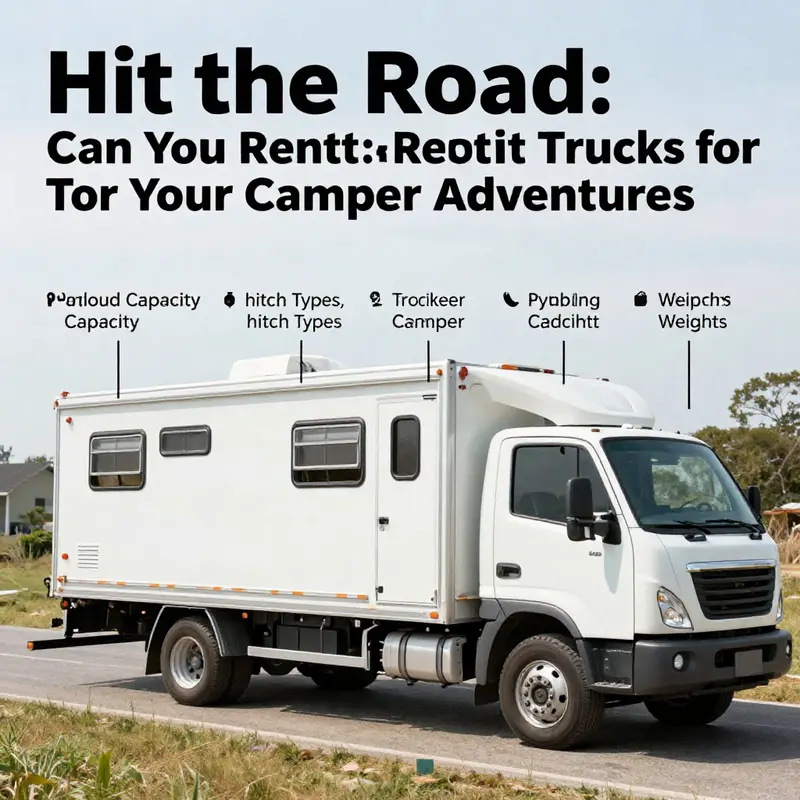
Renting a truck for towing your camper is a strategy that opens the door to memorable adventures and additional flexibility, provided you understand the complex factors that come into play when matching a rental truck to your towing needs. It is not only about securing a vehicle; it is about ensuring that the truck’s towing capacity, hitch specifications, and overall durability align perfectly with your camper’s weight and design. When you set out on a journey with a camper in tow, you must approach the rental decision with a careful review of guidelines, ensuring that safety and legal guidelines are firmly in place.
For many, the idea of renting a truck for towing may seem straightforward; however, the process requires a layered understanding of key elements such as the gross combined weight rating (GCWR) and the hitch rating between the truck and the camper. GCWR represents a comprehensive measure—covering the combined weight of the truck, the camper, passengers, cargo, and even the fuel. Overlooking this critical specification can lead to unsafe driving conditions, undue wear on the vehicle, and even legal complications. Rental companies typically provide detailed specifications in their rental agreements, and it is incumbent on you, as the renter, to ensure that these specifications are not only understood but also adhered to throughout your journey.
A primary consideration is the truck’s towing capacity. This figure represents the maximum weight a vehicle can safely pull, and it is usually clearly stated in the truck’s owner’s manual or manufacturer’s documentation. Hard limits exist for a reason, and exceeding them can compromise your safety and that of others on the road. In addition to reading the fine print of your rental agreement, a practical step is to compare your camper’s weight, including all additional cargo, with the rental truck’s towing capacity. Do not assume that a heavy-duty truck will automatically be sufficient; you must verify that the truck’s towing capacity exceeds the total weight of your camper setup by a safe margin.
Equally important is the hitch rating on both the camper and the truck. Many campers require a particular class of hitch, and these are categorized from Class I through Class V. A Class I hitch may be suited for lightweight trailers, while a Class V hitch supports heavier loads. The rental truck must be equipped with a hitch receiver that matches or exceeds the hitch rating of your camper. Suppose you plan to tow a larger or heavier camper; in that case, opting for a truck with a higher-rated hitch is essential. Neglecting this detail might result not only in technical mismatches during your drive but can also lead to significant mechanical damage on the roadway.
Terrain and driving conditions further complicate the decision-making process when renting a truck for towing. If your journey includes steep hills, winding curves, or unpaved roads, additional considerations such as ground clearance, four-wheel drive, and a robust suspension system come to the forefront. These factors, which may be less obvious in flat urban terrain, become critical in more challenging environments. A truck that is ideal for highway towing might not be as dependable on rugged off-road paths if it lacks proper clearance or robust driver assistance features. It is therefore crucial to discuss your intended travel conditions with the rental company beforehand. By doing so, you can ensure that the truck you select not only meets the necessary weight and hitch requirements but also offers the structural assurance needed for treacherous conditions.
Beyond the raw specifications of towing capacity and hitch ratings, a number of operational and legal factors must be taken into account. Some rental companies insist that renters obtain a special endorsement on their driver’s license if they plan to tow a heavy load. This requirement, although seemingly bureaucratic, is intended to verify that the driver is prepared to handle the nuances of towing a heavy or large camper. It is advisable that you confirm any such licensing conditions with your rental provider ahead of time. The rental process itself may involve additional fees or restrictions based on the type of towing you plan to do, and these need to be factored into your budget and itinerary. Meticulous attention to the rental agreement will expose any clauses related to towing restrictions or additional charges that might arise from exceeding mileage or weight limits.
At times, seated behind the wheel of a pickup truck with a camper in tow, the vehicle becomes more than just a mode of transport; it transforms into a symbol of freedom, enabling you to explore diverse landscapes with confidence. This freedom, however, is predicated on ensuring that every technical detail has been addressed prior to departure. For instance, whether it is a Ford F-150, Chevrolet Silverado, or Ram 150, these heavy-duty models are engineered to support significant towing tasks. Their design is centered not only on raw power but on features that enhance safety and stability, such as advanced braking systems, trailer sway control, and enhanced traction management. It is always recommended to engage in a thoughtful discussion with your rental company about these features so that you are not caught off guard by the truck’s configuration and limitations.
A further nuance involves the integration of modern technology. Many trucks now come with onboard computers that provide real-time updates on towing performance, including weight distribution, trailer sway, and braking efficiency. These diagnostics serve as an extra layer of reassurance by alerting drivers to potential issues before they escalate. Leveraging these technological tools can greatly improve your experience, ensuring that the vehicle operates within safe parameters as you navigate varying road conditions. When preparing for your journey, it can be worthwhile to request a demonstration of these systems from the rental company. This not only builds trust in your rented vehicle but also ensures that you are adequately prepared to monitor its performance throughout your trip.
It is essential to remember that renting a truck for towing a camper is also a collaborative process between you and the rental provider. Comprehensive communication about your travel plans, camper specifications, and any questions you might have regarding the truck’s capacity or controls can make all the difference. Informed discussions with the rental representative may even reveal specialized equipment or additional accessories that can be rented to further secure your load. For example, some companies offer sway control devices that work in tandem with the truck’s traction systems. These controls are crucial when dealing with abrupt maneuvers or severe weather conditions. Additionally, consulting resources on vehicle standardization and safety protocols, such as those detailed in articles on standardization in heavy-duty rescue operations, can provide further insights and ensure that your towing system is properly set up.
Understanding the rental process itself is important. Once you have confirmed that the truck’s towing capacity aligns with your camper’s specifications, it is time to finalize the rental agreement. At this stage, double-check that the rental agreement explicitly states any towing-related conditions. Do not hesitate to ask for clarification regarding mileage limits, fuel policies, and any insurance implications tied to towing a camper. The rental agreement is a legal document, and understanding every clause can avert potential misunderstandings. The rental company might also provide checklists or guides that detail the correct procedures for hitching your camper to the truck. Following these guidelines ensures that you assemble the setup properly before hitting the road. Such diligence guards against errors that could lead to mechanical failures or compromise the balance and stability of the camper-truck system.
Safety is paramount throughout the entire towing experience. Every journey begins with a thorough pre-trip inspection of the truck and its associated towing equipment. Check that the trailer wiring harness is correctly connected and that all light fixtures on the camper are operational. Inspecting the hitch, the coupling mechanism, and the truck’s undercarriage for any signs of wear or damage cannot be overstated. It is advisable to perform this inspection in a well-lit area, preferably with assistance, to catch minor issues that might become serious once on the road. These pre-trip checks not only contribute to a safer journey but also reduce the likelihood of encountering unexpected problems during travel.
Another aspect to consider is the balance between convenience and safety. Renting a truck for towing involves comparing a host of technical specifications with practical concerns such as ease of maneuvering, fuel economy, and overall driving comfort. Smaller trucks, although easier to drive, may not deliver the required power or stability when handling heavier loads. Conversely, larger trucks, while more capable in terms of power, may require more effort to navigate through tight roads or urban settings. A balanced approach demands that you assess your route and the nature of your journey. If your travel plans include both extensive highway driving and city navigation, selecting a truck that offers agile handling while still meeting high towing standards becomes necessary. This balance is especially important if you are new to the experience of towing a substantial load and are still familiarizing yourself with the operational characteristics of heavy vehicles.
Equally, weather conditions play a crucial role in the towing equation. Rain, snow, or ice can exponentially increase the difficulty of handling a trailer. In such conditions, the truck’s integrated safety features—such as anti-lock braking systems and dynamic traction control—become invaluable. It is worth questioning the rental company about how these features behave under adverse weather conditions and whether additional safety measures, such as winter tires or chains, are available. Preparing for the unexpected by ensuring that the truck has all the necessary safety equipment minimizes the risk associated with inclement weather. Also, technical manuals often provide guidelines on how to adjust driving practices when towing in harsh conditions. Researching these practices and even discussing them with the rental company can offer reassurance and practical tips that enhance your overall safety.
Long-term, renting a truck to tow a camper is not merely a temporary solution; it is a gateway to experiencing the landscape with a newfound sense of adventure and self-reliance. With the right truck, every mile traveled becomes a testament to careful planning, rigorous adherence to safety norms, and an eagerness to explore the open road. Ensuring that the truck meets the necessary weight and hitch specifications is the foundation of this adventure. Moreover, understanding the interplay between technology, vehicle specifications, legal mandates, and personal safety creates a comprehensive picture that prepares you for any eventuality. This preparation helps transform a routine rental process into an opportunity to learn about vehicle dynamics and safety, while simultaneously facilitating a memorable outdoor journey.
As you prepare to take the plunge into this exciting mode of travel, remember that thorough research before renting the truck can help avoid significant risks. In the spirit of being well-informed and proactive, consider reviewing additional resources on vehicle safety and towing best practices. For an in-depth look at the technical specifications of popular towing vehicles, you may find valuable information on the official manufacturer’s website for the Ford F-150 here. Furthermore, if you wish to explore how standardization processes enhance the overall reliability and safety of heavy-duty towing equipment, you might find insights in discussions on standardization in heavy-duty rescue operations available on an industry-related blog at this link.
In summary, renting a truck to tow your camper is a practical decision that, when managed with responsibility and foresight, can greatly expand your travel horizons. Every step—from confirming towing capacity and hitch ratings, through understanding legal requirements and safety equipment, to preparing for diverse terrains and weather conditions—requires careful consideration. By embracing a methodical approach and equipping yourself with the right information, you empower your journey with both confidence and peace of mind. The rental truck is more than just a vehicle; it is an integral part of your travel experience, ensuring that you, your loved ones, and your camper remain safe on the road. Through such diligence, every mile traveled is underscored by intelligent decision-making, robust safety practices, and a spirit of adventure that is well worth the effort.
Unlocking the Road: Renting a Truck to Tow Your Camper with Confidence
Renting a truck to tow your camper is not only possible but also an increasingly popular option for travelers looking to combine convenience with adventure. In recent years, many rental companies have expanded their offerings to include heavy-duty trucks that are more than capable of handling the weight and demands of a camper. For those who do not own a towing vehicle or prefer not to commit to one permanently, rental trucks provide a flexible solution that offers both power and reliability. This chapter explores how rental trucks meet the essential requirements for towing, discusses the nuances of vehicle specifications and safety considerations, and provides guidance so you can make an informed decision when planning your next road trip.
One of the primary advantages of renting a truck to tow your camper is the assurance that the vehicle is engineered for the job. Modern rental fleets, which often include names like Enterprise, Hertz, Avis, Budget, and U-Haul, offer trucks specifically chosen for their towing prowess. These trucks are built to handle not just the raw weight of your camper, but also the additional load of camping gear and supplies. Manufacturers have designed models such as the Ford F-150, Chevrolet Silverado, and Toyota Tundra with robust towing capacities and integrated hitch receivers, ensuring that even larger campers can be safely hitched and towed. Renting a truck that already meets these performance standards eliminates much of the uncertainty that comes with using a vehicle not designed for towing.
Before you commit to a rental, it is essential to verify that the vehicle’s towing capacity meets your needs. Every camper has a specific Gross Trailer Weight (GTW) and Gross Vehicle Weight Rating (GVWR), and a rental truck must have a towing capacity that exceeds these values, especially once you factor in cargo and potential passengers. Rental companies usually provide these specifications online or at their rental locations, making it straightforward to compare models and ensure that the selected truck is engineered for your unique requirements. Additionally, some companies offer vehicles with built-in trailer wiring harnesses and proper hitch receivers that simplify the hookup process. By making sure these standards are met, you ensure that both your safety and the longevity of the equipment remain uncompromised.
It is not uncommon for the rental process to include details about additional endorsements or licenses needed for towing. In many regions, towing certain weights or using specific types of connections requires a special driver’s license endorsement. While many truck rental agreements are designed for simplicity, it is always wise to confirm beforehand that your driver’s license meets the necessary criteria. In addition to licensing, you’ll want to scrutinize rental agreements for any clauses that might impose restrictions on the type of towing you plan to do, as well as potential fees for using the vehicle in this manner. These precautions ensure a smooth rental experience and help to prevent unexpected complications during your road journey.
A key point in the discussion of rental trucks is the emphasis on vehicle integrity and safety features. When you rent a truck, you are benefiting not only from the power of a heavy-duty engine but also from a vehicle that is maintained under strict guidelines. Rental fleets are regularly inspected and repaired to guarantee that all mechanical and safety systems are fully operational. This is particularly important when towing, as the dynamics of a moving vehicle change drastically when additional weight is involved. Features such as electronic stability control, integrated trailer brake systems, and reinforced suspension are standard in many rental trucks geared for towing. Such enhancements are designed to mitigate risks during challenging driving conditions, and they provide peace of mind when you’re far from home and more reliant on the vehicle’s performance.
Even with all the built-in safety measures, successful towing is also dependent on proper hitching techniques and equipment compatibility. It is imperative to have the correct type of hitch—be it a ball mount or receiver hitch—that corresponds with the camper’s coupler. In many modern rental trucks, the hitch system is calibrated to be versatile enough to cater to a wide range of camper models. Maintaining compatibility between the hitch and the camper not only facilitates a secure connection but also minimizes the stress on both the towing truck and the trailer. Equally important is ensuring that the trailer wiring harness is present and functioning correctly, which is essential for managing the electrical connections involved, such as taillights and brake lights. Even seemingly minor oversights in this area can lead to potential hazards on the road, so careful attention to these details is paramount.
In addition to technical specifications, rental companies often provide complementary services that further streamline the towing process. For instance, one well-respected provider is known for its extensive selection of tow vehicles and bundled deals that may include towing equipment. This provider not only supplies the truck but also offers guidance on proper hookup procedures, ensuring that renters are well-informed about the process. Such bundled services can significantly reduce the stress associated with planning an extended trip, as they consolidate the many moving parts of the rental process into a single, customer-friendly package. For travelers wary of the complexities of towing, these comprehensive offerings are a welcome assurance that help transform a potentially daunting task into a straightforward process.
The performance capabilities and regulations that pertain to renting a truck for towing also underscore the importance of due diligence on the part of the renter. Before the wheels even leave the rental lot, it is advisable to perform a thorough inspection of the equipment. Check that the hitch receiver is securely attached and that the truck’s overall condition is in optimal shape. This is also the time to confirm that any specialized equipment, such as trailer wiring or specific towing accessories, is in place. An inspection of this nature not only promotes safety but also helps to verify that the rental company’s claims regarding the truck’s capabilities are accurate. In many cases, taking a few moments to ensure everything is in order can prevent a host of challenges later during your journey.
The evolving landscape of rental services has seen a significant integration of customer-oriented features designed to ease the rental experience. New online platforms and interactive booking systems now allow potential renters to tailor their vehicle choices by filtering for features such as towing capacity, trailer compatibility, and even vehicle size. This digital transformation makes it easier than ever to identify a truck that meets your specific needs. Moreover, detailed guidelines often accompany these platforms, providing invaluable information about what to look for and how to properly operate a towing vehicle. These resources help bridge the gap between the technical demands of towing and the everyday concerns of the average renter, ensuring no detail is overlooked.
Beyond the technical and operational aspects, renting a truck for towing also represents a strategic decision that can enhance your overall travel experience. The ability to choose a vehicle that is specifically designed for towing means that you can focus on your journey rather than being distracted by mechanical uncertainties. Furthermore, rental trucks are prepared for long-distance travel and diverse terrain. Whether your trip leads you along smooth highways or through rugged, scenic backroads, renting a truck optimizes both performance and safety. For those embarking on extended trips, the reliability of a rental truck can turn what might otherwise be a stressful experience into a seamless, enjoyable adventure.
In the context of planning for a long road trip, one should also consider seasonal factors that may affect towing dynamics. For example, driving during colder months or inclement weather conditions requires additional caution. Many rental companies are well-versed in how weather impacts towing safety, offering trucks that come equipped with features designed to handle such challenges. Tire quality, anti-lock braking systems, and even enhanced suspension mechanisms are integral to maintaining stability on slippery or uneven surfaces. When renting a truck, it is beneficial to inquire about these adaptations and consider them as part of your overall risk assessment. Staying informed and prepared for seasonal variations is as critical as understanding the basic mechanics of towing—an aspect that further highlights the importance of thorough pre-trip research.
While technical and safety considerations form the core of your decision-making process, it is important to remember that customer support plays a vital role in the rental experience. Many rental companies offer dedicated support lines and online assistance to help solve issues that may arise during your trip. Whether you encounter a technical glitch with the equipment or have questions about the optimal towing practices under specific conditions, having readily available support ensures you are never truly stranded. For tips on best practices and additional insights into the world of towing, readers are encouraged to explore further resources such as those available on our blog. Such resources have been curated to help navigate common challenges while empowering you with the knowledge to drive confidently.
The practical considerations extend to financial aspects as well. Renting a truck often involves assessing a rental agreement that details costs, mileage limits, and any extra fees that may be incurred when engaging in activities like towing. Some companies impose surcharges for towing, while others might include it as part of the standard rental package. A clear understanding of these terms ensures budgetary predictability and prevents surprises during the rental period. It is advisable to carefully review all terms and conditions—especially sections related to towing—to fully understand your responsibilities as a renter. Knowing what to expect financially is a key component of a successful rental experience, as it allows you to plan your trip with clarity and confidence.
Beyond the logistics of setup and cost considerations, the underlying technology of rental trucks plays a significant role in delivering a safe and efficient towing experience. Modern engines, responsive braking systems, and refined electronic stability controls have transformed the dynamics of towing. These technological advancements mean that even when traveling with the added burden of a camper, the driving experience remains manageable and secure. The integration of these features into rental trucks is a clear indication of how far automotive design has come, ensuring that drivers can rely on fast, precise responses from their vehicles no matter the load. The synergy between mechanical robustness and modern safety technology is a hallmark of today’s rental trucks, making them an impressive choice for those who value performance without compromising on safety.
In summary, renting a truck to tow a camper offers a multifaceted solution that addresses both the technical and experiential aspects of on-road travel. By choosing a rental truck that meets stringent standards for towing capacity, hitch compatibility, and overall safety, you set the stage for a journey that is as secure as it is liberating. From confirming vehicle specifications to understanding the intricacies of rental agreements, the process requires attention to detail but is ultimately designed to empower you to travel your way. Careful research, proactive planning, and utilization of available resources—including detailed online guidelines—can transform the concept of towing from a potentially overwhelming task into a manageable, even enjoyable, part of your adventure. For those curious about the finer points of towing equipment and vehicle readiness, further technical details and customer advice are available on external sites such as U-Haul’s official website, an industry leader known for its reliable towing solutions.
The road ahead, equipped with a reliable rental truck, offers endless possibilities. Renting a truck not only simplifies the logistical challenges of towing a camper but also opens the door to new adventures where every mile traveled reflects both reliability and freedom. With the right planning, attention to detail, and an understanding of the equipment at your disposal, your next road trip can be a seamless blend of exploration and comfort. Every journey begins with a single decision—choosing to rent a truck equipped for towing is one that promises not just a mode of transport, but a gateway to the open road and the countless memories waiting to be made.
Navigating Legal Hurdles and Safety Protocols When Renting a Truck to Tow Your Camper
When planning a memorable journey with your camper, the freedom to roam comes with responsibilities that extend well beyond the adventure itself. Renting a truck to tow your camper offers a convenient alternative, but it requires a firm grasp of both legal obligations and safety standards. Understanding these requirements is paramount to ensuring a smooth travel experience and avoiding unforeseen complications on the road. The process begins by confirming that the rented truck meets the necessary towing capacity to safely handle the combined weight of both the vehicle and your camper. This is not simply a matter of checking the owner’s manual but involves a comprehensive review of specifications such as the Gross Combined Vehicle Mass (GCVM), which must exceed the payload of your camper loaded with supplies and equipment. A truck that falls short in this regard may not only violate local regulations but also pose a significant risk during the drive.
Legal requirements for towing vary significantly from region to region, making it essential to become acquainted with the rules and documentation needed in your area. In many jurisdictions, as seen in places like parts of Australia, a valid Certificate of Inspection is required to verify that the truck is fit for the task. This certificate ensures that the vehicle’s towing setup, including hitch receivers and electrical wiring harnesses, is fully compliant with safety standards. Additionally, you may need to review your local laws regarding the registration or transfer of licenses related to towing. For instance, certain areas require riders to complete formal documentation procedures such as the Certificate of Inspection Application to Licence a Vehicle or Transfer a Vehicle Licence (commonly known as Form VL12). Even if you are renting the truck, the onus is on you to verify that every piece of necessary paperwork is in order. To further illustrate these points, many travelers have found it useful to refer to guidance on spotting indicators of regulation non-compliance, as detailed in articles on spotting illegal towing key signs. This extra measure can help you ensure that your rented truck has passed rigorous safety evaluations.
Beyond the administrative side of things, ensuring that your towing setup meets stringent safety standards is crucial. Safety measures begin with thoroughly inspecting the truck’s braking system, which should be well-suited for the additional mass of the attached camper. A functioning braking system that is designed to handle heavier loads not only provides improved stopping distance but is also a key element in preventing accidents. It is advisable to take a few moments prior to setting off on your trip to perform a detailed pre-trip inspection. This involves checking the trailer hitch to confirm that it is securely bolted and ensuring that the braking mechanism, lights, and turn signals on both the truck and the camper are functioning as intended. Tire conditions for both the truck and the trailer do not warrant exception either, as underinflated or worn tires could result in compromised control and even lead to tire blowouts at high speeds.
The process of renting a truck itself invites an opportunity to review the vehicle’s specifications in depth. Rental companies, especially those that offer trucks capable of towing, tend to equip their fleets with models that are built to handle the task. These trucks are generally heavy-duty, such as Ford F-150s, Chevrolet Silverados, or comparable models from other manufacturers, and they are designed with features like reinforced hitches and upgraded suspension systems. However, even a truck with a high towing capacity requires that the rider understand and respect its limits. Exceeding the maximum capacity not only flouts legal restrictions but also drastically increases the risk of accidents on the highway. Knowing your truck’s limitations and ensuring that the camper’s weight is distributed evenly are critical practices when venturing on long hauls or challenging terrains.
In addition to the mechanical features of the truck and camper, legalities extend to driver licensing. Some regions require that a driver holds a special endorsement on their license if they intend to tow a heavy camper or trailer. This requirement is not arbitrary—it is designed to ensure that the driver has been trained in handling the unique driving dynamics associated with towing. Many rental companies will address these concerns by verifying that your driver’s license includes the necessary endorsements before finalizing the rental agreement. It is important to be aware of these stipulations well in advance; failing to comply might result in modifications to your rental contract or even legal repercussions if you are found to be towing without the proper credentials.
The intersection of legal and operational safety measures demands a robust strategy for every journey. A deep familiarity with the proper installation of trailer wiring harnesses cannot be overstated. These harnesses ensure that the electrical systems between your truck and camper are in sync, facilitating proper signaling and lighting. Malfunctions in this system could lead to dangerous miscommunications on the road, such as non-operational brake lights or turn indicators. It is therefore wise to inspect all aspects of the trailer hookup thoroughly, verifying that every connection is secure and that the wiring is not showing any signs of wear or damage. Furthermore, paying close attention to weather conditions and potential changes in road patterns is essential when towing. For instance, lowering your speed in adverse weather and on winding roads will help in maintaining control over the larger vehicle configuration.
The importance of legally sound and safely maintained towing practices becomes even clearer when one considers the potential consequences of neglecting these details. An improperly inspected or inadequately equipped service truck can lead to accidents that not only jeopardize the safety of the driver and passengers but also create significant legal liabilities. A small oversight, like neglecting the proper assessment of hitch assembly or failing to secure the coupling, can drastically change the outcome of a long trip. Making sure there are no loose connections or mismatched components is a small investment of time that can prevent much larger problems later on. In the event of an accident, both your insurance and any involved legal entities will look for evidence that you took all possible measures to ensure safety and compliance. This proactive approach to safety is particularly critical in scenarios where unexpected challenges, such as sudden stops or adverse road conditions, arise.
Given that rental companies typically provide trucks that adhere to the baseline legal and safety standards, riders still need to be proactive. Often, the rental agreement includes clauses that address the proper use and limitations of the truck’s towing abilities. Reviewing these terms carefully will not only protect you legally but will also serve as a checklist of the precautions you must take before embarking on your journey. This review should include any notices about additional fees or penalties associated with non-compliance. For many, the thought of dealing with these intricate legalities and safety measures before the adventure even begins can be overwhelming. However, when you factor in the overall impact on practicality and the crucial role safety plays in travel – especially when transporting a valuable asset like a camper – the necessity of these precautions becomes unquestionably clear.
For those who might be new to the world of towing, it is deeply recommended that you allocate a few extra hours prior to departure to become intimately familiar with your truck’s capabilities and limitations. This hands-on review should include a consultation with the rental agency to verify that all legal documentation, such as certification for towing, is current and meets local standards. Not only does this step reinforce your own peace of mind, but it also affirms that you are operating within the confines of local law. The act of confirming these prerequisites before you set off ensures that your journey starts on a foundation of diligence and preparedness.
Experience shows that thorough responsibilities can be life-saving. By taking the time to inspect and authenticate every component of your towing apparatus – from the hitch receiver to the trailer wiring – you reduce the likelihood of encountering mechanical failures that can escalate into dangerous situations. Reassessing the vehicle’s capacity and ensuring proper weight distribution can prevent the onset of stress fractures or mechanical deficits during heavy usage. As you consider all these factors, it is worthwhile to reflect on the potential challenges that might otherwise compromise your journey. Balancing the fine line between taking risks and safeguarding against them is an essential art in the realm of towing. Your action plan should incorporate both legal adherence and rigorous maintenance protocols, fused together by a firm understanding of your truck’s mechanics and the environment through which you plan to travel.
Moreover, a well-informed mind is one that frequently revisits reputable sources of information for any updates on towing regulations. For instance, governmental websites provide the most up-to-date details regarding permissible towing practices and vehicle inspections. One such resource is the Service NSW page on vehicle licensing and inspection, which offers comprehensive guidance on maintaining legal status and ensuring that your vehicle complies with all local safety mandates. Accessing these resources not only supplements your knowledge but also adds another layer of assurance that your vehicle and its towing equipment are in perfect working order. When in doubt, the safest course is to double-check the current regulations and consult with local transportation authorities to avoid any inadvertent oversights.
Ultimately, renting a truck to tow a camper is an excellent option that offers both flexibility and practicality, provided that you diligently adhere to legal specifications and prioritize safety. The journey involves a balanced combination of understanding legal mandates, performing meticulous safety inspections, and taking proactive steps to guarantee that your driving experience remains secure. Feel assured that by following these guidelines carefully, you are entrusted with the knowledge and expertise needed to safeguard yourself, your companions, and your camper during every mile of your adventure. For further regulatory guidance and to verify the most current legal requirements, you may find additional information at Service NSW – Vehicle Licensing and Inspection.
Final thoughts
Renting a truck to tow a camper is not just about setting off on a fun adventure; it’s about ensuring that you’re well-informed and adequately prepared for the journey ahead. From understanding the types of trucks you can rent to comprehending the towing capacities and legal requirements, each detail plays a critical role in your travels. By applying the insights from this guide, you can confidently secure the right truck for your needs, paving the way for memorable road trips and carefree explorations.