
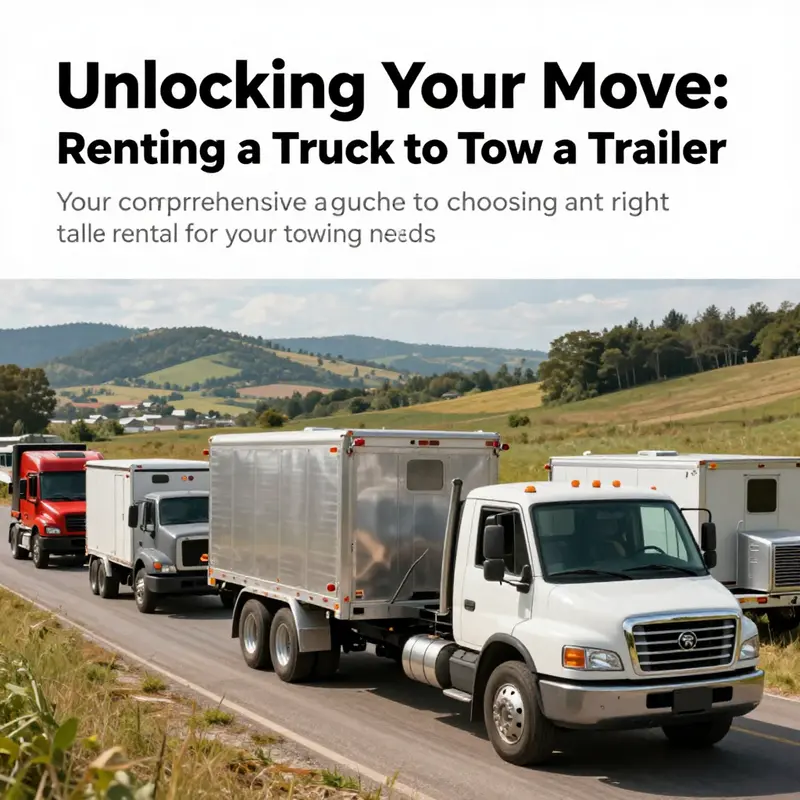
Whether you’re moving homes, transporting equipment, or managing property, understanding how to rent a truck to tow a trailer can significantly streamline your tasks. From exploring reputable rental companies to knowing the right vehicle types and specifications, this guide provides essential information tailored for local drivers, auto repair professionals, and property managers alike. Each chapter dives deeper into the vital aspects of renting and towing, ensuring you make informed decisions that enhance both convenience and safety.
Tow Power on Demand: A Practical Guide to Renting the Right Truck for Your Trailer
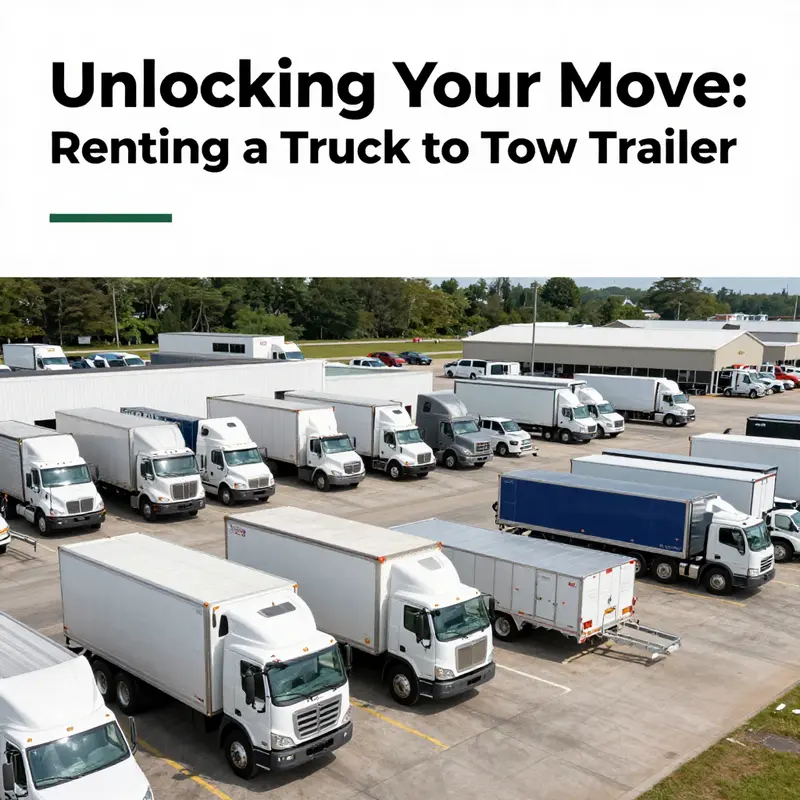
Choosing a truck to tow a trailer is less about size and more about matching capability to your load, route, and safety requirements. For many people, the goal is straightforward: rent a truck, attach a trailer, and move what they need with confidence. But behind that simple goal lies a set of specifics that can determine whether the journey is smooth or stressful. The key is to treat the rental as a tow plan rather than a vehicle loan. Start with what you must move, then verify the vehicle’s towing capacity, hitching options, and the rental package that supports that setup. This approach helps prevent situations where you discover at the curb that the truck can haul the trailer in theory, but not in practice, or that the required hitch and safety equipment aren’t included. It also keeps you from paying for features you don’t need while ensuring you have the right gear when you arrive at your destination.
In practice, the options you encounter come from two broad avenues: agencies that specialize in moving equipment and those with a wider fleet that includes trucks and SUVs configured for towing. Some outfits provide both a truck and a trailer as part of a single booking, making the logistics simpler. Others let you rent a truck and source a trailer separately, with the onus on you to confirm hitch compatibility and towing readiness. A few local, smaller providers may offer more flexible packages, including trailer rental alongside the truck or the ability to tailor a tow package to your exact needs. The common thread among all of these is to map the rental offer to your actual tow requirements, not to the vehicle’s size alone. A larger truck can be tempting, but if your load is light and your route modest, a mid-size option with a proper hitch and braking setup may be a safer, more economical choice.
Once you settle on a rental path, the first practical step is to quantify what you are towing. Trailer weight isn’t the only consideration; you must also account for tongue weight, cargo weight inside the trailer, and the trailer’s overall length and width. The truck’s maximum towing capacity is a hard ceiling. It must exceed or at least match the combined weight of the trailer and its cargo. But the load distribution matters too. If the trailer is heavy at the tongue, it changes how the vehicle handles. Many rental guides will direct you to the vehicle’s spec sheet, which lists the gross vehicle weight rating (GVWR), gross combined weight rating (GCWR), and maximum tongue weight. Read these numbers carefully. If the GCWR is lower than your total train weight, you risk overloading the drivetrain, which can lead to overheating, reduced braking performance, or insurance complications if there’s an incident.
The towing package, when offered, is worth its weight in safety gear. Tow packages typically include a heavier-duty cooling system, a transmission oil cooler, and a hitch system designed to pull a trailer safely. Some packages add a wiring harness or a brake control for trailers with electric brakes, which is crucial for long hauls or heavier loads. If a trailer is involved, the rental agreement might specify whether the hitch, ball size, safety chains, and a breakaway kit are included. If they aren’t, you’ll need to arrange them separately, and that adds another layer of planning. In some cases, the rental location can supply the hitch and even help with the trailer wiring, but be sure to confirm this in advance so there are no surprises at pickup.
To choose the right vehicle, it helps to frame your decision around three questions: How much does the load weigh? What is the route like, including hills, weather, and traffic conditions? How much control do I need over the trailer’s braking and lighting? Knowing the answers helps you avoid a mismatch between the vehicle’s rating and the actual pulling requirements. For example, a catbird seat truck with a robust tow package can handle a heavier trailer on a flat route, but the same setup may be strained on steep grades or during a long stop-and-go commute. Conversely, you don’t want to overfit a heavy-duty option for a small, empty trailer; you’ll pay for power you don’t need, and you’ll bear higher operating costs.
The book on rental practice isn’t just about the numbers. It’s also about the rental agreement itself. Before you sign, confirm whether the quote includes towing equipment, whether there are mileage caps specific to towing, and any fees for installing or removing a hitch, brake controller, or other components. Check if the rental permits you to tow in your intended location and on the planned routes. Some regions require additional insurance or waivers for trailer towing, and a rental that can walk you through these requirements reduces the risk of coverage gaps if something goes wrong. Asking about vehicle condition at pickup is equally important. Inspect tires, lights, braking, and the hitch connection. Take photos if you notice anything that might raise questions at return. Documenting the truck and trailer condition from the start protects you and the rental agency and keeps your deposit intact.
For guidance on how to approach the selection process and to deepen your understanding of tow-related considerations, you can visit the Santa Maria Tow Truck Blog. It offers practical notes on equipment choices, safety checks, and common pitfalls when arranging a tow. Read more there to complement the practical steps outlined here. (Santa Maria Tow Truck Blog: https://santamariatowtruck.com/blog/)
As you head toward pickup, keep safety foremost in mind. Drive with additional caution, allowing for longer stopping distances and wider turns. The trailer adds length to your vehicle’s footprint, and in many towing situations, visibility can be limited. Ensure that your mirrors are properly adjusted to cover the trailer’s tail and the blind spots created by towing. Use the appropriate lights, including trailer brake lights and turn signals, and verify that the electrical connection is secure before you head out. If the trailer has its own braking system, practice smooth acceleration and braking to avoid trailer sway, which can be especially pronounced at highway speeds or in gusty winds. If your load shifts during transit, cautiously reevaluate weight distribution in transit and adjust speed accordingly. The goal is predictable handling rather than speed, and this often means slowing down a bit more on hilly or uneven terrain.
When it’s time to return, follow the same discipline you brought to pickup. Return the vehicle with the hitch and any towing gear disassembled and stored as directed by the rental staff. Return the trailer in the condition you received it, or better, and make sure you haven’t introduced new damage or excessive wear. If you had to use the brake controller or the trailer’s electrical system, ensure that any related equipment is restored to a neutral state so it does not appear as damage on inspection. And be mindful of fuel and mileage close to the agreed limits; extra charges can turn a straightforward move into an unwelcome financial surprise.
In summary, renting a truck to tow a trailer hinges on aligning your load with a vehicle that has the right towing capacity and a compatible hitching setup, wrapped in a clear understanding of the rental terms. It’s about preparation more than aspiration—knowing your weight, route, and the equipment you’ll need, then confirming those details before you arrive at the pickup desk. If you want additional context on tow preparation and safety, consider exploring the broader resources available online, which provide general guidance on how to approach this task in a careful, methodical way. For an external reference to towing guidelines and best practices, see this general provider’s information: https://www.uhaul.com/
Choosing the Right Rental Truck to Tow Your Trailer: Capacities, Hitches, and Safety Specs
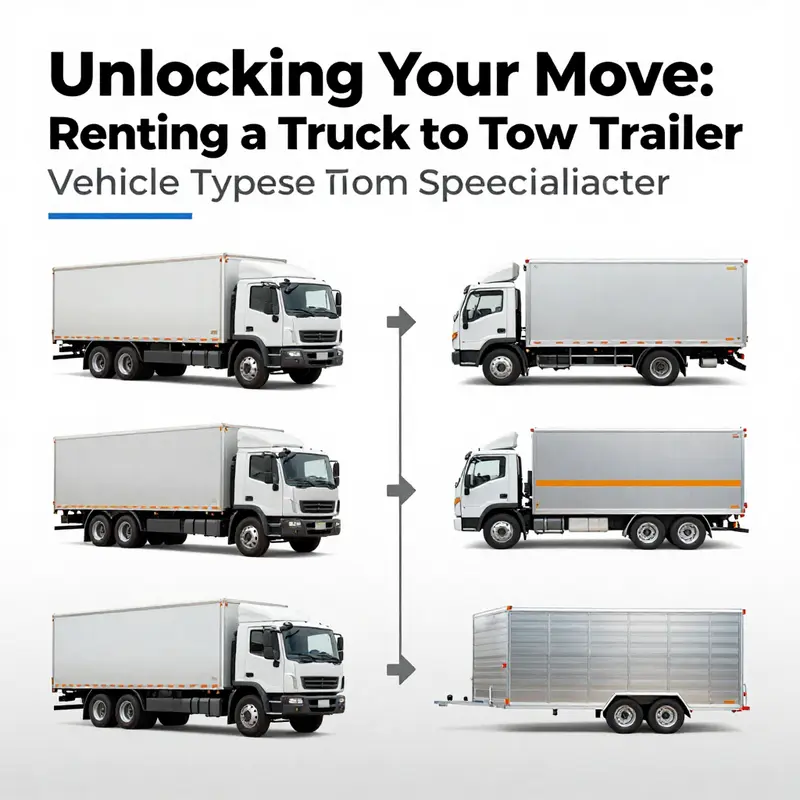
Selecting a rental truck for towing requires more than picking the largest vehicle available. The right match depends on the trailer type, the cargo weight, and the towing equipment the rental provides. This chapter walks through the vehicle classes and the critical specifications to verify before you sign a rental agreement. It also outlines practical checks and rental policies that affect safety and legality on the road.
Truck classes for towing fall into three practical groups: light-duty, medium-duty, and heavy-duty. Light-duty trucks and full-size SUVs cover small trailers such as utility trailers, small camping trailers, and light cargo loads. Their towing capacities typically top out around 3,500 pounds. Medium-duty trucks handle larger travel trailers and equipment trailers. Expect towing ratings up to roughly 10,000 pounds, depending on configuration. Heavy-duty trucks are built for the largest trailers and commercial tasks. These vehicles support towing well beyond 10,000 pounds and often include factory-installed towing packages and reinforced chassis.
Towing capacity is the single most important figure to check. The rental agreement should clearly list the vehicle’s maximum towing capacity and its gross vehicle weight rating (GVWR). GVWR is the maximum allowed weight of the truck plus cargo and passengers. Payload capacity, the difference between the truck’s GVWR and its curb weight, tells you how much cargo you can load onto the truck itself. The combined weight of the trailer and its payload must not exceed the truck’s towing limit. Always add a safety margin of at least 10 percent to account for weight measurement errors and extra gear.
Hitch compatibility is a second critical area. Rental trucks can include a variety of hitch types, from simple rear ball mounts to heavy-duty fifth-wheel or gooseneck setups. Confirm the hitch class and the ball size match your trailer coupler. If the truck offers only a simple receiver, but your trailer needs a fifth-wheel or gooseneck, you will need a different vehicle or an adapter expressly rated for that use. Confirm that any hitch provided in the rental is professionally installed and rated for the intended towing weight.
Trailer braking systems are often mandatory for heavier trailers. Many jurisdictions require trailers over a specific gross trailer weight to have functional brakes. Rental trucks may come equipped with a factory-installed trailer brake controller, or they might offer a portable controller as part of an add-on package. Check whether the truck has a compatible wiring harness and a working brake controller. If a controller must be installed by the renter, verify the rental policy about installation, liability, and return condition.
Tongue weight and weight distribution should not be overlooked. Tongue weight is the downward force the trailer exerts on the hitch. Too little tongue weight can cause trailer sway. Too much can overload the truck’s rear axle, reduce steering control, and cause premature braking wear. A properly matched vehicle and hitch arrangement should allow tongue weight to fall within manufacturer-specified ranges, usually 10–15 percent of the loaded trailer weight. For heavy trailers, weight-distributing hitches can improve stability and braking by spreading load across both axles.
Electrical systems and lighting are critical for legal towing. Confirm the condition of tail lights, turn signals, and brake lights on both truck and trailer. Ensure the rental truck’s wiring harness provides the proper connector for your trailer. Some trailers use a 4-pin flat plug, while others use heavier 7-pin round connections that provide power for brakes, reverse lights, and auxiliary circuits. Ask for adapters only when they are rated for the combined electrical load.
Safety features for towing include extended towing mirrors, sway control, and stability-assist systems. Trucks with factory towing packages frequently include enhanced mirrors and software that integrates trailer braking with vehicle stability controls. If the rental truck lacks these features, request towing mirrors and sway-control devices as add-ons. Inspect the condition of safety chains, breakaway switches, and hitch locks. Make sure the rental provides a functioning spare tire appropriate for the vehicle and the load.
Documentation and rental policies play a major role in your selection. Confirm the insurance coverage the rental offers for towing. Many standard rental vehicle policies do not extend to third-party trailers or heavy loads. Ask for written confirmation of allowed towing types and any mileage limits, fuel penalties, or geographic restrictions. Check whether the rental company requires a special license endorsement for heavy-duty towing. Some jurisdictions require a commercial driver’s license or an endorsement once the combined vehicle and trailer weight exceeds certain thresholds.
Inspecting the vehicle before you drive it off the lot prevents many common problems. Walk around the truck and check tires, brakes, lights, and hitch components. Verify that the trailer connector is present and functional. Test the parking brake and service brakes at low speed before merging into traffic. If the rental company offers training or operational guidance, take it. Some local providers provide short demonstrations on hitching and brake controller setup. If you are unfamiliar with tongue weight measurement, ask the provider to weigh the trailer and calculate tongue weight while you wait.
Local rental centers and logistics companies often supply a wider variety of specialized towing vehicles than general car rental agencies. You may find flatbeds, rollback trucks, and one-to-one recovery vehicles suited for equipment transport or vehicle recovery. Private owners sometimes list flatbed and tow-capable trucks on local platforms. Those options can be flexible and cost-effective, but they also require careful vetting for maintenance records and legal compliance. When renting from a smaller company or an individual, ask for proof of registration, insurance, and recent maintenance.
When choosing a rental, match the truck to the trailer by calculating gross combined weight, hitch type, and needed features. Start with a precise weight of the trailer and cargo, then confirm the truck’s towing and payload numbers. Check for required brake systems, hitch class, and electrical compatibility. Confirm the rental’s insurance and licensing rules, and inspect the truck thoroughly before departure. If you expect emergency or heavy-duty needs, consider providers that offer specialized tow vehicles and 24/7 service.
For organizations that manage fleets or respond to emergencies, standardization simplifies selection and safety. Standard fleet specifications reduce mismatch risks and streamline maintenance and training. For an overview of how consistent vehicle configurations support readiness, see this resource on fleet standardization and emergency readiness. https://santamariatowtruck.com/fleet-standardization-emergency-readiness/
When regional providers offer one-to-one tow truck services or specialized flatbeds, they can supply trained operators and rapid deployment. These options are especially useful when the load is oversized, heavy, or needs precise loading. One such example of a professional, round-the-clock tow truck provider is available in the Beijing area. https://www.kunpengjiuzhou.com/service/tow-truck-rental
Matching a rental truck to your trailer requires attention to numbers and features. Focus on towing capacity, hitch compatibility, brake systems, electrical connections, and rental policies. Take the time to inspect and test the vehicle. Doing so keeps your load secure and ensures a safer towing experience on the road.
Finding Local and Independent Truck Rentals That Can Tow Your Trailer
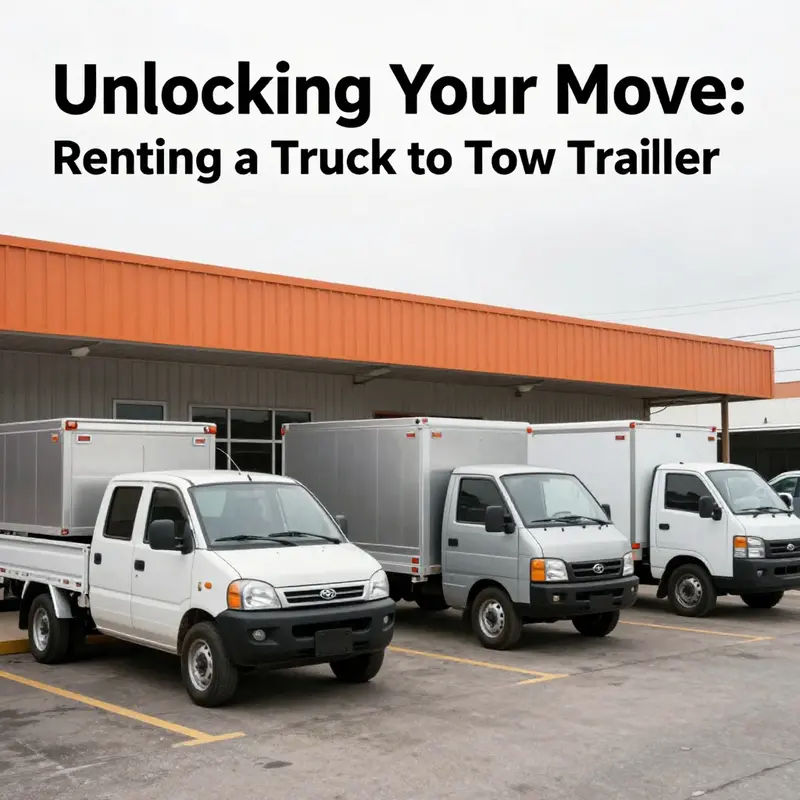
Local and independent rental options often offer the flexibility you need when renting a truck to tow a trailer. Smaller agencies, peer-to-peer platforms, equipment houses, and freight operators can fill gaps left by national chains. They may carry unique models, provide personalized guidance, or offer specialized vehicles for heavier loads. To find the right match, start with a clear picture of your trailer and its loaded weight. That weight, not the trailer’s empty weight, determines the towing capacity you need. Once you know it, you can focus on providers that list pickup trucks, light-duty or medium-duty vehicles, and utility rigs that meet or exceed your requirements.\n\nMany local auto rental companies maintain modest fleets of pickups and cargo trucks. These firms often operate independently of the major brands. They can be more willing to disclose exact towing specs, attach compatible hitches, or accommodate one-off requests. Call ahead with the trailer’s gross weight and ask for the truck’s maximum towing capacity, axle ratings, and whether a hitch setup is available. Local agencies may allow short-notice modifications, such as fitting a receiver hitch or providing a sway control bar. They also often inspect vehicles in person, so you can confirm brake controllers, wiring harnesses, and the physical condition of tires and suspension before you leave the lot. Personal service is one of their strengths. Staff can advise on local routes, steep grades, and area regulations that affect towing. If you prefer hands-on reassurance, an independent shop can be easier to reach and negotiate with than a distant national call center.\n\nPeer-to-peer rental platforms connect private owners with renters. These platforms broaden the selection beyond standard fleet models. You may find late-model pickups, heavy-duty crew cabs, or specialty tow vehicles available near you. Owners sometimes list detailed photos and the exact towing setup, which helps match vehicles to trailers. When using a peer-to-peer option, verify that the posted towing capacity genuinely exceeds your trailer’s loaded gross weight. Ask the owner about hitch type, brake controller availability, and any factory or aftermarket towing packages. Confirm insurance coverage through the platform and ask whether your personal auto policy extends to renter liability. A short test drive around the block before hooking up can reveal handling quirks or braking delays. Peer-to-peer rentals can be cost-effective, and their variety is valuable when you need a specific model or configuration. For peer-to-peer options, check the platform directly: https://turo.com.\n\nSpecialized equipment rental firms fill another niche, especially for larger trailers or heavy-duty needs. These companies focus on construction, landscaping, and industrial clients and often keep medium- to heavy-duty trucks with high tow ratings. Their teams are accustomed to matching vehicles with heavy trailers, providing heavy-duty hitches, and advising on load distribution and securement. They can also supply additional gear, like portable brake controllers, weight-distributing hitches, or linch pins for safety chains. Because they serve professional clientele, equipment houses typically perform thorough maintenance and inspections. That attention to detail reduces risk on long hauls. Expect stricter rental agreements and potentially higher deposits, but also expect clearer documentation of vehicle specs and safety features. If your load approaches the upper limits of light-duty towing, these providers are worth contacting.\n\nLogistics, freight, and transportation companies sometimes rent trucks if you need a vehicle for a specific route or a heavy haul. These firms may offer optional professional drivers, route planning support, and experience with permits for oversize or overweight loads. Using a logistics company can shift responsibility for driving and compliance from you to the operator. That can simplify interstate moves or complicated routes. However, hiring a professional service is often pricier than a self-drive rental and may require coordination far in advance. If you choose this path, clarify who handles permits, tolls, and parking restrictions, and confirm the driver’s experience with trailer handling in similar conditions.\n\nWhen evaluating local and smaller rental options, focus on several practical checks. Always confirm the truck’s maximum towing capacity and the vehicle’s tare weight. Ask whether the rental includes a hitch and safety chains, and whether a weight-distributing hitch or sway control is available. Verify the presence of a functioning trailer wiring connector and an operational brake controller if your trailer has electric brakes. Inspect tires, brakes, and suspension in person. Request documentation for the vehicle’s service history if that is not already available. If you plan to cross state lines, ask about insurance coverage and any restrictions tied to the rental agreement. Some small agencies restrict mileage or impose geographic limits.\n\nInsurance and liability deserve early attention. Small rental operators may offer supplemental coverage, but their policies vary. If the rental does not include collision or liability protection for trailer towing, check whether your personal auto policy covers a rented tow vehicle. Credit card benefits sometimes offer secondary protection, but reading the fine print is critical. Peer-to-peer platforms typically include optional insurance plans for renters. When a professional driver is provided, confirm whether the company’s insurer covers cargo damage and third-party claims. Never assume default coverage is comprehensive. Ask for written confirmation before signing any contract.\n\nPricing and availability patterns differ from national fleets. Smaller companies may offer lower daily rates or flexible terms. They may also add fees for towing equipment, cleaning, or out-of-hours pickup. Compare total cost, not just the base rate. Ask about fuel policies, mileage caps, and whether the quoted rate includes roadside assistance. In peak moving seasons, local fleets can be booked quickly, so reserve early. Conversely, during off-peak times, local providers may be willing to negotiate rates or include extras at no charge. If you need a vehicle on short notice, calling smaller shops directly can uncover last-minute availability that isn’t listed online.\n\nFinally, use local knowledge to your advantage. Staff at independent shops often know the best local routes, low-clearance hazards, and municipal rules about trailer parking. They may also be able to point you to trusted mechanic shops or towing services along your route. They can provide broader guidance on towing safety and spotting unauthorized towing operators. Integrate those local tips with the truck’s specifications and your trailer’s weight. When you combine careful vetting, proper equipment, and local expertise, smaller and regional rental options become reliable, flexible alternatives to large national chains.
Renting a Tow-Capable Truck: What to Confirm Before You Drive Away
When you need a truck to tow a trailer, the difference between a smooth trip and a roadside disaster is preparation. Renting the right vehicle is not just about size or a low daily rate. It means matching capacities, confirming equipment, understanding insurance, and verifying legal limits. This chapter walks through the critical checks and practical steps you should complete before you accept the keys. The goal is simple: make the tow safe, compliant, and predictable.
Start with the numbers that matter. Every trailer is defined by weight: the trailer’s empty weight, the cargo weight, and the combined total when loaded. You must know the gross trailer weight. Compare that figure to the rental truck’s published towing capacity and to its payload rating. Towing capacity is the maximum a truck can safely pull. Payload tells you how much weight the vehicle can carry in its bed and cab. If the loaded trailer plus hitch tongue weight exceeds either limit, the setup is unsafe. Also consider the vehicle’s Gross Vehicle Weight Rating (GVWR) and the Gross Combined Weight Rating (GCWR). GCWR is especially important: it indicates the maximum allowable weight of truck, cargo, passengers, and trailer combined. Ask the rental agent for the truck’s specification sheet if numbers aren’t clear online. If you have any doubt, choose the next size up.
Hitch compatibility and wiring are often overlooked until the last minute. Rental trucks may come equipped with a receiver hitch, but receiver size, ball mount rating, and pin diameter vary. Verify the receiver size and the required ball size for your trailer. Confirm that the hitch assembly is rated for the trailer’s tongue weight and towing load. Don’t assume adapters are provided. Also check the electrical connector. Trailers commonly use a 4-pin or 7-pin connector for brake lights, turn signals, and electric brakes. Ensure the truck has the right harness. If the trailer uses electric brakes, confirm the truck supports a brake controller and ask whether the rental includes a factory-installed controller or only the wiring to add one. Without proper wiring and braking, a trailer becomes a liability rather than an asset.
Weight distribution and towing stability deserve careful attention. Tongue weight should typically be 10–15% of a trailer’s total loaded weight for conventional trailers, and that changes with different designs. If the tongue weight is too light, the trailer can sway. If it’s too heavy, the truck’s steering and rear suspension suffer. Use a portable tongue scale at pickup if possible. If the trailer and load nearly match the upper limits of the truck, ask about weight distribution hitches and sway-control devices. These devices affect handling and braking, and not all rental trucks come with them installed. Also inspect the truck’s rear suspension and tire condition; overloaded axles and underinflated tires increase braking distance and can cause failures.
Insurance and liability are not optional. Confirm which damages are covered under the rental agreement and what additional coverage you must purchase for towing. Standard rental vehicle policies sometimes exclude towing-related incidents or damage to the trailer. Confirm whether the trailer itself needs separate insurance. Ask about liability limits for third-party property damage and bodily injury when towing. If you plan long-distance travel across state lines, verify coverage consistency in other jurisdictions. Keep copies of proof of insurance, rental contract clauses that mention towing, and emergency contact numbers in the truck.
Licensing and regulatory rules vary. Some jurisdictions require special driver endorsements or commercial licenses for heavier combinations. Check local and state rules before you book. Even if a rental agent indicates a truck is available for your needs, you remain legally responsible for complying with licensing and weight restrictions. Confirm highway restrictions, bridge limits, and any area-specific requirements the rental agreement imposes. Ask whether there are limits on crossing state lines or driving in particular zones. If you intend to haul specialty cargo, check for additional permits you may need.
Inspect equipment thoroughly at pickup. Walk around the truck and trailer to spot missing or damaged components. Check hitch pins, safety chains, trailer coupler condition, lighting function, and tire tread depth. Test the trailer’s brake lights and turn signals and confirm the breakaway cable is present and functional. If the truck includes a tow package, confirm the hitch receiver is tight and the wiring is properly secured. Photograph any existing damage on both truck and trailer. Save those images with timestamps and email them to yourself for a records trail. This practice reduces disputes when you return the vehicle.
Plan the route and practical on-road practices. Tow setups increase stopping distances, reduce acceleration, and affect turning radiuses. Plan routes that avoid steep, winding roads when possible. Identify rest stops where you can check the trailer, and locate service stations with truck-friendly facilities. If your route crosses unfamiliar areas, know where enforcement of weight and towing regulations is strict. Practice low-speed maneuvers in a safe area before you hit traffic. Adjust mirrors to maximize visibility of the trailer and blind spots. Use lower gears for long descents and keep to conservative speeds. These habits preserve brakes and reduce heat buildup in trailer tires.
Fees, add-ons, and return rules can quickly change the economics. Ask in advance about charges for towing equipment, one-way rentals, mileage, fuel, and late returns. Some companies charge extra for hitches, brake controllers, or adapter kits. Confirm whether roadside assistance is included and what service levels apply to towing incidents. If you expect to return the truck without the trailer attached, note any cleaning or damage inspection policies that could trigger extra fees.
Finally, consider a short test run. If possible, attach your trailer and drive a short distance before committing to a long trip. Test braking, turning, and backing. Adjust load distribution if the trailer sways or if steering becomes light. If the setup does not feel stable, stop and reassess rather than continuing under marginal conditions.
For additional guidance on tow operator standards and emergency readiness, consult industry-focused resources and blogs that cover professional towing practices. See the Santa Maria Tow Truck blog for practical articles on towing operations and safety tips: Santa Maria Tow Truck blog. For official rental vehicle specifications and towing-package information, review the rental company’s vehicle pages before booking (https://www.enterprise.com).
These checks and practices reduce risk and help ensure a predictable, safer towing experience. Confirm capacities, inspect equipment, verify insurance, know the rules, and practice before you proceed. With these steps complete, you can rent a tow-capable truck with confidence and get where you need to go without surprises.
Where Can I Rent a Truck to Tow a Trailer: Towing Regulations and Safety Guidelines
Renting a truck to tow a trailer is more than finding a vehicle with enough punch. It is a careful blend of capacity, equipment, legal rules, and practical safety. The task becomes complex once you consider weight and balance, the hitch you’ll use, the lighting on the trailer, and how regulations shift from state to state. The core question is not only whether a truck can pull the load, but whether the entire setup—truck, hitch, trailer, and cargo—meets the safety standards that keep roads predictable for everyone. The answer begins with understanding the rental landscape, then moves toward verifying the numbers, and finally embraces a disciplined approach to safe driving. In practice, you’ll discover that the path to a successful tow starts at the rental counter with a clear sense of what you need, not just what you want, and ends on the highway with steady hands, careful planning, and a respect for the rules that govern every junction, turn, and lane change along the way.
Large, nationwide rental brands typically offer a spectrum of moving trucks and, in many cases, trailers. The key is to verify what is included in the package and what the rental terms require. Some packages provide the hitch hardware and a towing kit, complete with safety chains and a wiring harness for lights, while others require you to source the trailer separately or to add a towing option to your rental. When you review options, you’ll encounter two numbers that describe capability: the truck’s maximum towing capacity and the gross combined weight rating, or GCWR. The maximum towing capacity tells you the weight the truck can pull. The GCWR, by contrast, accounts for the weight of the vehicle itself plus fuel, passengers, cargo, and the trailer. This distinction is essential, because an overburdened GCWR can undermine braking performance, steering response, and overall stability on the road. In practice, translate these numbers into real-world checks: ensure the trailer’s weight, plus what you’ll carry inside it, remains well within the GCWR, and probe whether the rental includes a weight-distributing hitch or sway-control equipment. These add-ons can make a meaningful difference in handling, especially on long hauls or when traversing hills and curves. In short, the right rental should pair a suitably powerful truck with a compatible hitch and, ideally, a trailer that matches your payload without dreary compromises on safety.
Towing regulations, meanwhile, add a layer of specificity that varies by jurisdiction. In the United States, states prescribe rules for trailer length, axle configurations, lighting, and even lower speed thresholds for vehicles towing. The common threads are toughness and clarity: all trailers must be equipped with properly functioning taillights and brake lights, reflectors, and a hitch that is securely fastened. Lighting and signaling failures not only raise liability, they reduce predictability for drivers behind you. Because rules differ, it helps to check your state DMV for local details before you depart. The Federal Motor Carrier Safety Administration provides broad guidelines that apply to commercial and non-commercial towing alike, offering a framework for understanding recommended practices and responsibilities. A crucial practical point is GCWR. If your planned load would push beyond this rating, you need a different truck or a lighter trailer. The rental process can assist here by confirming the exact combination you intend to tow, and by guiding you toward the appropriate hitch type or towing package that aligns with your trailer’s weight and configuration. For a broader, official frame of reference, you can consult federal resources that summarize the expectations for safe towing and vehicle loading, ensuring you approach the road with a grounded sense of how rules shape your choices on the ground.
Safety is inseparable from the preparation you do before you ever pull away. A thorough pre-trip inspection can prevent many common problems. Inspect tires on both the truck and the trailer, confirm tire pressure matches manufacturers’ specifications, and test the brakes. Ensure all lights work, including brake signals, turn indicators, and marker lights. The hitch connection should feel solid and secure, with safety chains crossed and attached to the vehicle’s frame. If your setup uses a weight-distributing hitch, understand how tongue weight is shared and how it influences the vehicle’s balance. Sway control devices can be a lifesaver in gusty conditions or when towing on exposed stretches of road. When the load sits higher or farther back than the vehicle’s original design, rely on caution: gradual acceleration, steady braking, and predictable lane changes will keep the trailer from attempting to push or pull the tow vehicle unexpectedly. This is not optional; it is the discipline that separates a safe journey from a risky one. A larger, heavier trailer especially demands more careful handling, slower speeds, and wider margins for error. If you are carrying fragile or hazardous cargo, additional precautions become essential, including secure packaging and compliance with any relevant local or state transport rules.
The rental encounter itself invites practical questions that can save time and headaches on the road. At the desk, ask what your package includes: is the hitch already installed on the truck, and is a towing kit included? Are there additional charges for the trailer, the towing equipment, or mileage tied to towing activities? Insurance is another important factor; your coverage may vary when you tow. Some renters require extra insurance or offer waivers, but the cost and scope should be clear before you sign. If you’re new to towing or facing a heavier load, request a quick demonstration on hitching and lighting, and ask whether staff can accompany you on a short test drive to confirm the setup feels stable and responsive. While larger operators commonly offer bundled truck-and-trailer options, local rental shops may have greater flexibility in terms of terms and price. They can be especially helpful when your trailer dimensions are unusual or when you need guidance on a non-standard configuration. Regardless of where you rent, insist on a straightforward, written checklist and the option to verify the setup before you depart. The simplest route to a secure tow is one that blends a properly matched truck with a well-understood hitch, correct trailer connect-and-test procedures, and a clear understanding of any added equipment such as trailer brakes or sway devices.
To keep the discussion grounded in ongoing learning, many readers benefit from additional practical resources that expand on the concepts introduced here. For ongoing guidance, check the Santamaria Tow Truck blog. This internal resource provides real-world scenarios and updates that expand on the fundamentals of towing safety and regulatory compliance. You can click through to a deeper conversation about how to evaluate a trailer’s weight, how to interpret a GCWR in real-life conditions, and how to approach braked versus unbraked trailers when planning a route or job. The blog is a useful way to translate the numbers and rules into everyday actions, from selecting a truck for a specific move to arranging a site-visible checklist for a workday that involves heavy hauling.
As you plan, keep in mind a simple, reliable rule of thumb: never exceed the ratings published by the tow vehicle’s manufacturer, never bypass a safety feature, and always drive as if every other driver on the road cannot predict your movements. The road invites variables—wind, road surface, vehicle dynamics, and user error—and the only way to stay ahead is to prepare, verify, and proceed with deliberate care. If the situation feels uncertain, broaden the plan: consider using a specialized tow service for the heavier loads, which can shoulder the mechanical risks and ensure compliance with regulations while you focus on your task. In the end, the right choice is one that aligns your vehicle’s capabilities with the trailer’s weight, honors the relevant rules, and preserves the safety of everyone on the highway.
External resource for broader context and official guidelines: https://www.transportation.gov
Final thoughts
Navigating the complexities of truck and trailer rentals doesn’t have to be overwhelming. By understanding where to rent, the specifications of vehicles, options available locally, and the regulations that govern towing, you can make informed decisions that ensure a smooth transit experience. Remember, whether you’re relocating, ensuring property management logistics, or providing support to clients at an auto shop, the right rental choices can enhance efficiency and safety on the road.