
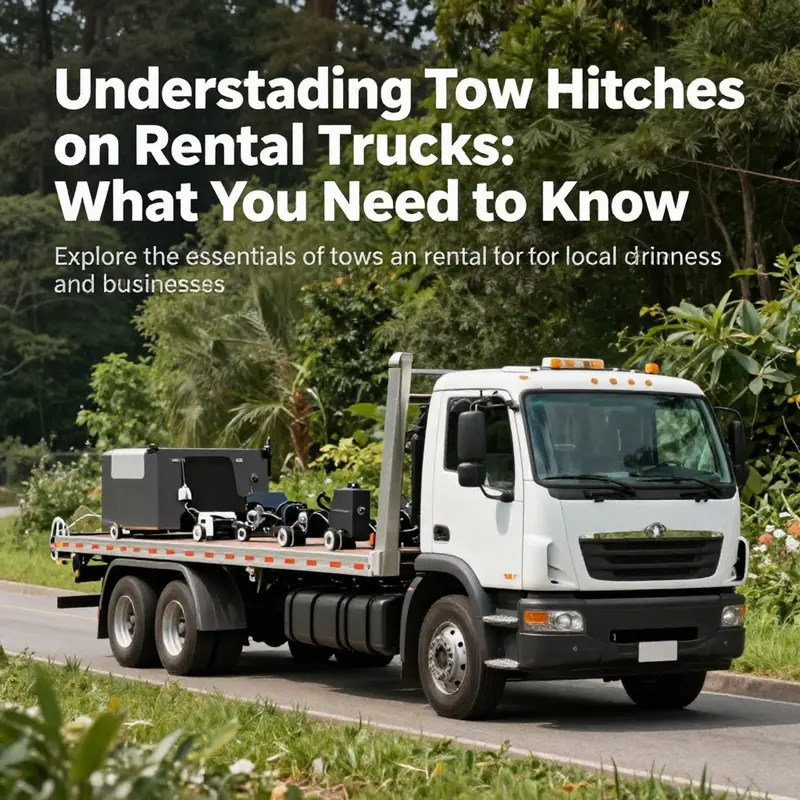
For local drivers, auto repair shops, property managers, and HOA administrators, understanding the availability of tow hitches on rental trucks is crucial. As towing needs arise, knowing what to expect can help streamline your projects and operations. This article will walk you through essential insights by discussing standard pickup trucks equipped with tow hitches, how truck size and rental types influence availability, the types of hitches you may encounter, and key considerations to keep in mind while renting. Together, these chapters will equip you with the necessary knowledge to make informed decisions when selecting a rental vehicle for towing.
Tow-Ready on Demand: How Standard Rental Pickups Carry Hitches and What It Means for Real-World Towing
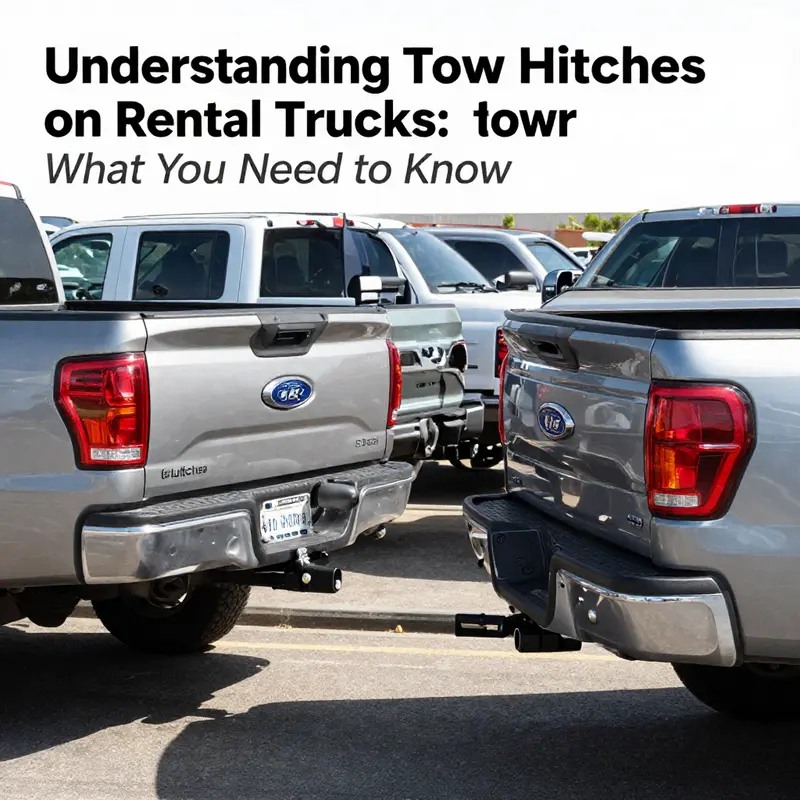
Tow hitches are not an afterthought in many rental fleets. They’re an integral part of how rental services meet a broad spectrum of customer needs, from moving small utility trailers to pulling equipment and boats when a full-size truck is required. In the realm of standard pickup trucks commonly offered for short- and long-term rentals, the question of whether a hitch is included—and what kind of hitch it is—has real consequences for planing a trip, assuring safety, and avoiding surprises at the pickup lot. The industry has moved toward making these towing-ready capabilities a built-in feature of the more versatile rental options, but the exact configurations vary by fleet, vehicle size, and the specific rental agreement. Understanding what’s typically included—and what isn’t—helps buyers avoid missteps, stay within legal limits, and select the most appropriate vehicle for the job they have in mind.
At a high level, most standard pickup trucks that appear on rental lots are equipped with some form of tow hitch. This is driven by a simple, practical principle: a large portion of rental customers expect to tow, and offering a hitch as standard equipment reduces friction at the counter and increases the range of trailers a renter can use. The hitches you’ll encounter tend to fall into two broad categories: receiver hitches in the Class III to Class IV range and, less commonly, weight-distributing arrangements designed to stabilize heavier tows. The 2-inch receiver opening is the most common configuration you’ll see in these fleets, and it serves as the universal interface for many ball mounts, bike racks, cargo carriers, and other hitch-mounted accessories. The goal, from the fleet perspective, is to provide a durable, easy-to-use platform that minimizes the setup burden on the renter while maintaining alignment with safety standards and vehicle specifications.
The range of towing capacity that rental fleets claim for these hitch-equipped pickups typically sits between 5,000 and 10,000 pounds, depending on the make and model of the truck, the hitch class, and the drivetrain configuration. This capacity range aligns with the needs of most bumper-pull trailers, utility trailers, small equipment trailers, and light boat trailers that renters commonly tow. Yet it’s important to translate “towing capacity” into practical, real-world limits. The trailer’s gross vehicle weight rating (GVWR) and the tow vehicle’s gross combined weight rating (GCWR) set the ceiling. The GCWR ensures that the combined weight of the loaded trailer and the vehicle does not exceed what the powertrain and braking system can safely handle. When rental customers neglect to consider GCWR, even a trailer that falls under the hitch’s nominal capacity can create unsafe conditions or trigger rental policy violations.
Within this framework, the type and configuration of hitches offered reflect a broader industry trend toward multi-use towing solutions. Fleet managers recognize that many renters seek to move cargo, transport recreational equipment, or deploy small work trailers. To accommodate this, fleets often install or designate hitches that are either permanently mounted or semi-permanently mounted, providing stability and durability over the course of many rentals. This reduces the risk of loose hardware or missing components that could derail a trip. It also simplifies the rental process: customers can approach the pickup with a clear expectation that the hitch is ready to use, and staff can focus on safety checks and trailer compatibility rather than reconfiguring the hitch on the spot.
A quick tour through the practical realities of hitch options on standard rental pickups highlights several important distinctions. For most renters, the familiar 2-inch receiver is the entry point. It accommodates a wide array of accessories—ball mounts for bumper-pull trailers, bike racks, cargo carriers, and similar add-ons. When the job calls for heavier tows, a weight-distributing hitch may be available on select trucks or as part of a towing package, which helps distribute the load more evenly across the trailer and vehicle suspension. In some cases, fleets offer gooseneck or fifth-wheel configurations—but these are typically associated with heavier-duty trucks, and availability is more limited for standard rental pickups. If a renter’s plan involves specialized towing, a prior request or pre-approval may be necessary, particularly for trucks configured with clearance considerations, such as shorter bed lengths where the hitch assembly could intersect with the trailer tongue or cab structure.
This is why the rental process often emphasizes advance confirmation. A renter who plans to tow should confirm not only that a hitch exists but also its capacity rating, the stated GCWR of the specific truck, and any restrictions on trailer types. The owner’s manual for the truck and the rental agreement itself are the authoritative references. Reading them ahead of time helps ensure the planned load does not exceed what the vehicle can safely handle. It also clarifies any mandatory safety steps, such as the use of appropriate braking equipment, lighting compliance, and weight distribution considerations. In practice, that means taking a moment at pickup to verify the hitch’s class and rating, confirm the hitch’s compatibility with the intended trailer, and discuss any special equipment that might be required to tow the trailer legally and securely.
On the installation front, the hitch on most standard rental pickups is either permanently installed or installed in a semi-permanent fashion. That is, the hardware is robustly mounted to the frame and is designed to cope with the rigors of repeated use. This arrangement minimizes the risk of the hitch detaching or loosening during a tow. It also speeds up the pickup experience because renters do not have to wrestle with mounting a hitch every time they rent a truck. Some fleets, aiming to maintain a high degree of flexibility, may include an optional towing package that adds a removable ball mount. This kind of configuration preserves the interchangeability of trailer accessories while preserving the integrity of the hitch system when not in operation.
Beyond the standard receiver hitch, there are a few other options that fleets may offer to increase towing versatility. A few fleets maintain a small pool of trucks equipped with gooseneck or fifth-wheel configurations, though those setups are considerably rarer in standard rental inventories and generally reserved for specialized equipment or heavier-duty rental categories. When available, they provide the ability to tow non-bumper-pull trailers, such as certain utility trailers or RV-related setups. In practice, renters should not assume these higher-capacity, more specialized arrangements will be on every lot. It’s prudent to check ahead or ask at the counter if gooseneck or fifth-wheel capabilities are essential to the planned towing task. The broader point is that rental fleets are moving toward flexible, multi-use towing architectures that align with common customer needs without compromising safety or requiring renters to bring their own hitch hardware.
The practical implications of these hitch configurations ripple through every step of the rental experience. For example, when planning a tow, renters should know the trailer’s gross trailer weight as well as the tongue weight that will press on the hitch. The tongue weight—typically around 10–15% of the trailer’s gross weight—affects hitch performance, vehicle stability, and braking efficiency. In this context, the hitch’s rating becomes a ceiling, not a license to push weight beyond what the pickup can safely carry. Experienced renters will cross-check the vehicle’s booking details with the trailer’s weight specs, then verify the combined weight does not exceed the GCWR. This kind of due diligence protects the renter, the vehicle, and other road users, while also aligning with safety standards that rental fleets enforce to maintain reliability across thousands of transactions.
Safety and compliance form another critical thread in this narrative. Rental fleets aim to standardize hitch installation according to manufacturer specifications and safety guidelines. Staff training typically emphasizes proper hitch inspection, correct load distribution, and the use of accessories that fit the receiver snugly. Renters are often reminded to secure the trailer with appropriate couplers, safety chains, and lighting, and to ensure braking systems or auxiliary braking devices are in place when required by the trailer’s size and weight. The overarching objective is straightforward: create a towing environment that minimizes surprises and maximizes control, even when the road conditions grow challenging. This emphasis on safety dovetails with broader fleet practices around emergency readiness and standardization in heavy-duty operations, a topic you can explore further through fleet-related resources and industry discussions.
From a broader perspective, industry trends reinforce the idea that the modern rental pickup is designed to be a versatile tool. The move toward multi-functional towing setups mirrors a broader push in the automotive and rental sectors toward reducing friction for customers while maintaining strict safety and compliance standards. A standard pickup with a robust receiver hitch, a clear set of capacity ratings, and predictable performance becomes a flexible platform for a wide array of tasks. Whether a renter is hauling a utility trailer full of equipment for a weekend project, towing a small boat to a nearby marina, or transporting a few bulky items to a storage facility, the hitch-equipped pickup is a reliable, ready-to-use solution.
For renters who want a mental model as they prepare to tow, imagine the hitch as a bridge between trailer and vehicle. The bridge must be strong enough to bear the load, designed to accommodate the specific trailer type, and attached in a way that stays secure across road surfaces and weather conditions. The trailer’s coupling mechanism, the hitch ball size, and the weight-distribution arrangements all interact with the vehicle’s suspension, brakes, and steering. When these elements align correctly, the towing experience feels seamless: the trailer tracks behind the truck with minimal sway, the braking system remains effective, and the overall handling remains predictable even as road grades and gusty winds come into play.
To support responsible towing, renters are encouraged to leverage resources and guidance provided by fleets and by industry-oriented educational content. The practical takeaway is simple: always verify hitch presence and capacity before you hit the road, consult the owner’s manual for maximums and constraints, and respect weight limits to avoid dangerous conditions. If you’re curious about how towing standards are discussed in broader fleet contexts, you can turn to the Santa Maria Tow Truck blog for discussions on fleet practices and emergency readiness, which provide a useful window into the kinds of standards that underpin everyday towing operations across different fleets. Santa Maria Tow Truck blog
In sum, standard pickup trucks in rental services are today’s tow-ready workhorses. The typical arrangement centers on a robust 2-inch receiver hitch operating within a well-understood range of capacities. This setup supports the most common bumper-pull trailers and lightweight specialty trailers while offering optional arrangements for heavier or more specialized tasks. The installation is designed for durability, whether permanent or semi-permanent, so renters can proceed with confidence after a quick check with staff. And as fleets move toward standardized, multi-use towing configurations, renters benefit from streamlined processes, clearer guidelines, and safer outcomes on the road. When planning a tow with a rental pickup, the best practice is to confirm hitch type and rating in advance, compare the trailer’s weight with the vehicle’s GCWR, and follow the owner’s manual guidance to mount and secure the load properly. This approach aligns with the practical realities of rental towing and the industry’s ongoing efforts to provide versatile, reliable solutions without compromising safety.
External resource: For more information on standardized towing systems and their compatibility with common pickup configurations, see the Class III trailer hitch documentation: https://www.amazon.com/dp/B004KJZQ9I
Hitches, Height, and Hiring a Truck: How Size and Policies Shape Rental Tow Capability
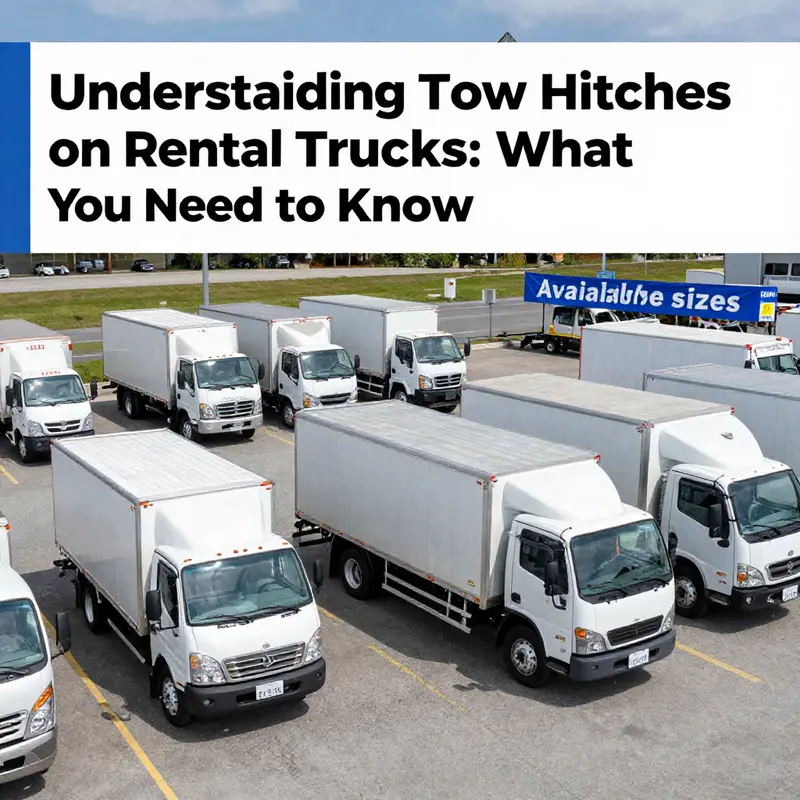
When you rent a one-ton or mid-size pickup with towing in mind, the hitch may or may not be included by default. Availability hinges on three factors: the truck size, the rental type you choose, and the provider’s policy. In practice, larger, full-size trucks are more likely to come with a factory or dealer-installed hitch, often a Class III or higher. Heavier trailers may require a Class IV or higher, and sometimes a weight-distributing setup. But even with a capable truck, a hitch is not guaranteed and may be an optional add-on or subject to advance request and fees.
In contrast, compact and mid-size pickups usually carry lighter-duty receivers (Class I or II). Those are sufficient for small trailers but may not handle larger boats, ATVs, or equipment haulers. If your load exceeds the hitch’s rating, rental staff may suggest a larger truck or a different towing configuration. Policy matters too: some fleets deliver hitch-free vehicles on smaller models to reduce wear, while others include a hitch only when you request it and agree to installation charges. Always confirm the hook-up and its rating before you finalize the reservation.
To stay safe and compliant, verify the trailer’s weight and the vehicle’s GCWR (gross combined weight rating). The hitch rating must stay within the GCWR and the tongue weight limits. Ask for written confirmation of hitch availability, class, and maximum towing ratings. If you have a heavy or unusual load, discuss gooseneck or fifth-wheel options or whether they are feasible in the current fleet.
Practical steps: clarify your towing plan, confirm hitch type and rating, check GCWR and tongue weight for the exact truck, obtain written confirmation of availability and any charges, and consider working with a rental specialist if your task is unusual. Reading manufacturer guidelines and the rental agreement will help you anticipate restrictions and avoid surprises at pickup.
For further context, you can explore manufacturer pages or industry resources offered by the rental provider to understand what configurations are typical in the fleet you’re considering. This awareness helps you select a truck that aligns with your towing needs and your budget.
Tow Hitch Diversity on Rental Trucks: A Practical Guide to the Right Tie-In for Your Load
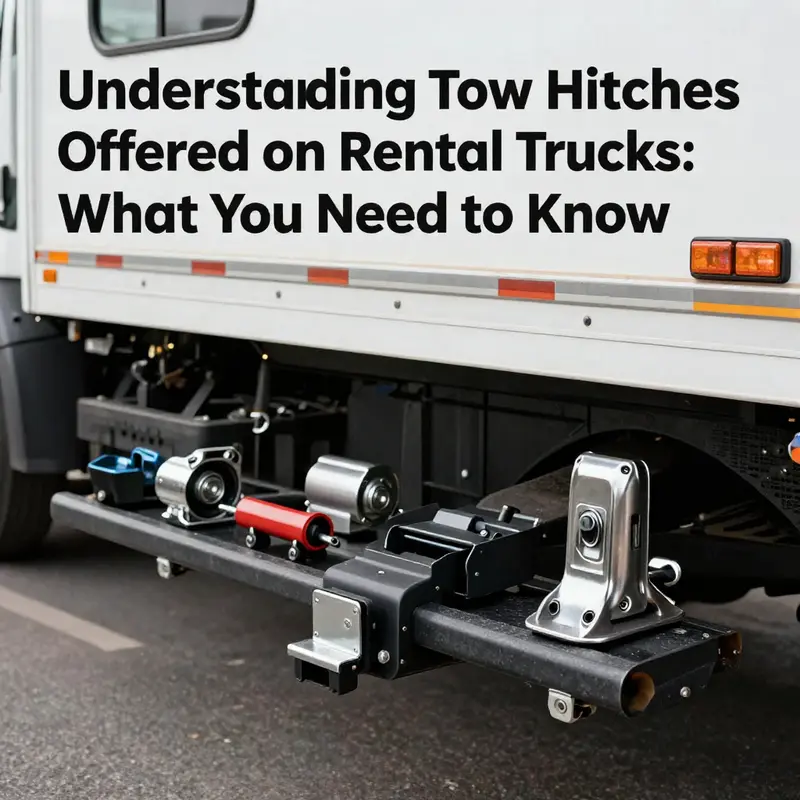
When a person rents a truck for a moving day, a day of hauling equipment, or a short-term job that involves towing, the hitch is more than a simple metal connector. It is the critical bridge between vehicle dynamics and trailer behavior, a safety interface that governs stability, braking, and steering in every maneuver from a straight pull onto a highway ramp to a tight turn in a residential cul-de-sac. The chapter you are reading anchors the discussion in the reality that rental fleets, while standardized to a point, are diverse enough that tow hitch configurations require careful attention before you sign a contract or drive off the lot. A practical understanding of the types of hitches commonly offered, how they fit different truck configurations, and what a renter should verify can prevent miscalculations, protect valuable cargo, and reduce the risk of damage to the truck itself. The information that follows draws on current industry practices, the technical distinctions among hitch types, and the real-world questions that come up when a rental is booked for a forthcoming towing task. It is not a catalog of brand names or a shopping guide for a specific retailer; instead, it is a framework for evaluating what a rental truck can do, what it should not do, and how to plan accordingly so the towing plan remains safe and compliant with the vehicle’s ratings and the rental agreement.
At the heart of the matter is the simple fact that hitch systems come in layers of capability. A rental program may equip a midsize or full-size pickup with a receiver hitch that accepts a ball mount for light to medium-duty towing. This configuration is the most adaptable and is widely provided because it supports a range of trailers—from utility trailers to small boat trailers and campers. The standard square receiver offers a practical path to hitch accessories beyond towing, including bike racks and cargo carriers, which means that the same vehicle can handle multiple chores on different trips. For many renters, this versatility is exactly what makes a rental truck a practical choice. Yet the mere presence of a receiver hitch does not automatically guarantee that every load is within safe limits. The greater the load and the longer the trailer, the more critical it becomes to confirm compatibility with the truck’s mechanical limits and the rental agreement’s terms. A thoughtful renter will examine hitch size, weight rating, and the specific ball size used in the ball mount, because these are the variables that translate the abstract rating into a performable, safe operation on the road.
The gooseneck and fifth-wheel configurations sit at the opposite end of the spectrum from the basic receiver hitch in terms of capability and complexity. Gooseneck hitches ride in the truck bed and connect to a coupler that sits over the rear axle, delivering superior weight distribution and control for very heavy trailers. This setup makes sense when the objective is to tow large equipment, livestock trailers, or heavy flatbeds, and it is commonly found on larger rental vehicles or specialized fleets designed to transport substantial loads with stable, predictable handling. Fifth-wheel hitches, also bed-mounted, share the bed-mounted concept but use a different coupling mechanism, with a kingpin engaging a saddle in the truck bed. They deliver exceptional stability in long, heavy trailers and are favored in moving large household goods or equipment that require precise turning dynamics in tight spaces. In practice, however, these options are not the default for everyday rentals. They appear in fleets tailored to specific industrial or agricultural tasks or in urban settings where frequent, narrow turns demand the extra steadiness that these hitches provide. If a gooseneck or a fifth-wheel hitch is ever listed as available, it is usually because the rental vehicle is a purpose-built configuration rather than a generic pickup. For most customers, the gooseneck or fifth wheel is a specialized add-on that requires advance notice and sometimes a different rental tier or additional insurance considerations.
In between the basic receiver hitch and the bed-mounted heavyweights sits the practical, widely used category of weight-distributing systems. Weight-distributing hitches are designed to rebalance the forces exerted by a trailer, particularly when the trailer is heavy enough to cause the tow vehicle’s rear axle to squat and the front end to rise. This redistribution helps maintain steering control, braking efficiency, and even headlight alignment, which all contribute to safer nighttime visibility and better overall handling. Rental programs may offer these configurations upon request, especially for heavier trailers and longer trips. The option is not universal, however, and it often depends on the truck’s chassis capacity and the rental fleet’s policies. For renters who anticipate towing sizable loads, asking about a weight-distributing hitch before arrival can save time and prevent a last-minute scramble on pickup day. It is also wise to confirm whether the hitch is included as standard equipment for the rental or if it must be installed by a technician prior to departure. This distinction matters because installation procedures, torque specifications, and the need for trailer connection checks can vary between equipment types and rental partners.
Tow bars, straps, and chains belong to a different family of recovery and short-duration operational aids. While not meant as long-term hitch solutions for towing a trailer, they play a role in vehicle recovery, rescue, or emergency assistance scenarios. In some rental packages, a tow bar or tow strap is available as an auxiliary tool that a driver can use to assist a disabled vehicle or to perform a controlled recovery in mud, snow, or sand. The emphasis with these devices is safety and proper technique rather than continuous towing capacity. They require rigorous attention to load limits, anchor points, and the specific rope or chain characteristics because the elasticity of a nylon or polyester strap can yield smoother pulls than rigid chains. The rental agreement typically restricts the use of such equipment to recovery scenarios and not to the regular operation of towing a trailer. Understanding this distinction helps a driver avoid misusing a recovery assist device and preserves the integrity of the hitch system and the vehicle’s drivetrain.
Beyond the technical distinctions, the practical realities of renting a truck with a hitch center on readiness, advance planning, and clarity about what is included. Rental fleets differ by region, fleet age, and the intended use cases for which a vehicle is configured. A truck that is part of a general-purpose fleet may come with a standard receiver hitch as a default, but it may not be compatible with heavy-duty trailers without an upgrade or a separate rental tier. Conversely, a truck designated for construction or industrial use might be equipped with a more robust hitch arrangement, yet it could still require confirmation of load ratings and driver responsibilities before departure. The best practice for any renter is to verify, before leaving the lot, that the hitch type matches the intended trailer and that the towing capacity of the truck aligns with the trailer’s gross vehicle weight rating (GVWR) and gross trailer weight rating (GTWR). It is equally important to verify the GCWR—the combined weight of the vehicle and trailer—because this integral specification governs how much weight the entire system can safely manage. In practice, the GCWR is not something a renter should estimate on the fly; it is a manufacturer specification contained in the owner’s manual and usually labeled on the vehicle door jamb or in the hitch documentation provided by the rental company. A cautious approach is to calculate the trailer’s weight, declare it to the rental agent, and cross-check that number against the vehicle’s GCWR. If there is any doubt, the safest course is to select a smaller trailer, use a lighter load, or switch to a different vehicle that has a higher rating for towing.
The decision-making process before signing the rental agreement should also consider clearance and geometry concerns. Short-bed trucks, in particular, may encounter trailer clearance issues when towing larger units or when backing into tight spaces. This practical factor can influence whether a given hitch type is appropriate for a specific job. The rental provider may have recommendations or restrictions based on the truck’s wheelbase, bed length, and hitch geometry. If you anticipate frequent turns or tight parking maneuvers, a lighter trailer with a more compact profile might be a better match for a short-bed configuration, even if a heavier hitch appears capable on paper. The goal is to balance the demand for capacity with the realities of maneuverability, steering response, and safe stopping distances. The careful renter will ask questions, confirm ratings, and request any necessary hitch accessories that ensure proper alignment and secure attachment—such as a correctly sized ball mount, appropriate ball diameter, and the correct hitch receiver pin and clip. The nuance matters because even a small mismatch in ball size or receiver diameter can introduce play, misalignment, or eventual wear that compromises the towing setup over time.
To merge this technical overview with practical steps, consider the sequence a responsible renter should follow at pickup. First, confirm the hitch type available on the specific truck you intend to rent—whether it is a receiver hitch with a standard ball mount, a weight-distributing configuration, or a specialized system such as a gooseneck or fifth wheel. Second, inspect the hitch for signs of wear, corrosion, or loose mounting hardware. Listen for unusual noises when the trailer is connected and the vehicle is static, and verify that the electrical connections for trailer lights and brakes function correctly. Third, check the trailer’s GVWR and calculate the actual weight of the load you intend to tow, including cargo, fuel, and trailer itself, to ensure it remains within the GCWR. Fourth, review the rental agreement to understand limits on trailer sizes, monthly usage, and any insurance implications tied to towing. Fifth, request any required weight-distribution accessories or stabilizers if your load demands them, and confirm whether installation must be performed by the rental staff or if it is user-assembled with a safety check. Finally, remember that the hitch is not a standalone feature; it is part of a larger system that includes brakes, tires, suspension, and steering. A towing plan should integrate all these elements to avoid surprises during a trip and to maintain road-safety compliance throughout the rental period.
The broader takeaway is that while rental fleets often include hitch-equipped trucks, the exact configuration and capabilities vary. The most common setup—a versatile receiver hitch—provides the flexibility needed for everyday towing tasks, but it carries within it the responsibility to verify ratings, match the trailer to the vehicle, and operate within the limits specified by the manufacturer and the rental operator. When a renter approaches towing with curiosity and a measured plan, the process becomes less about second-guessing and more about aligning the equipment with the task, the route, and the safety margins that protect people and property alike. That alignment is not just about getting the trailer to move; it is about ensuring it moves smoothly, predictably, and within the law. If you want to explore how hitch considerations fit into a broader context of fleet readiness and standardization, you can refer to resources that discuss fleet standards and emergency readiness, such as fleet-standardization-emergency-readiness.
For readers who want a safety-forward, practical reference beyond rental-specific considerations, the following external resource provides foundational guidance on towing safety and trailer integration. It reinforces the principle that hitch choice, proper equipment, and adherence to weight limits are central to safe towing, regardless of whether the vehicle is a rental or a privately owned truck. By keeping these fundamentals in view, renters can approach every trip with confidence, knowing that the hitch system—and the decisions made around it—supports controlled, predictable, and compliant operation on the road. External resource: https://www.nhtsa.gov/road-safety/tow-trailers
Tow Hitches on Rental Trucks: A Practical Guide to Safe Towing and Smart Choices
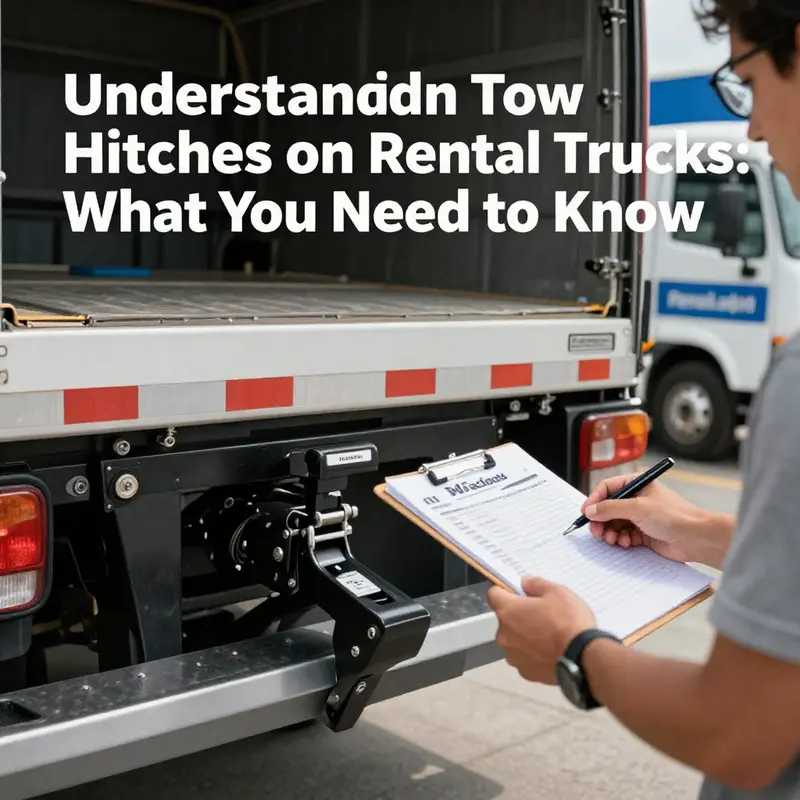
Renting a truck with a tow hitch can be a practical solution for moving, hauling equipment, or towing a trailer for a one-time project. Yet the presence of a hitch is not simply a green light to hook up any trailer and hit the road. The hitch on a rental truck represents a critical interface between the vehicle and the load it will bear. It carries the responsibility of safety for the driver, the trailer, and everyone sharing the highway. This chapter guides readers through the landscape of rental trucks with tow hitches, emphasizing how to assess capability, ensure proper installation, and plan a voyage that respects both the vehicle’s limits and the demands of the journey. The goal is not fear or hesitation, but clear, actionable knowledge that helps you use a rental truck confidently and within safe parameters.
First, understand what a hitch on a rental truck actually means in practice. When a rental company offers a truck with a tow hitch, it typically points to a standard interface that can connect to common trailers. In many mid-size and larger pickup-style rental options, the hitch is a Class III or Class IV receiver. These classes delineate towing capacities and tongue weights, offering a practical range that covers everyday utility—things like small to medium utility trailers, car dollies, or lightweight camping trailers. A 2-inch receiver is the conventional footprint for most of these setups, providing compatibility with a broad array of hitch accessories and towing configurations. The reality is that the hitch is only as useful as the service, the load, and the restraint of safety systems allow. If the trailer or the load grows beyond what the hitch and the vehicle can manages, that’s not a clever shortcut; it’s a recipe for sway, mechanical strain, and potential loss of control.
The size and type of the truck itself matter as much as the hitch. Rental fleets often reserve factory-installed hitches for larger, crew-cab models where clearance and frame strength reduce the risk of interference between the truck and the trailer during turns or on uneven pavement. For shorter rentals or lighter-duty vehicles, a hitch may still be present, but it’s wise to confirm in advance whether a specific model is equipped to handle your planned load. Some rental operations require an advance request for a hitch to ensure proper installation and to prevent last-minute surprises at pickup. Although this extra step can feel meticulous, it is precisely the kind of due diligence that makes a tow safe and predictable. In practical terms, planning ahead saves time on pickup and prevents the frustration of discovering that the truck you wanted cannot tow what you need.
The spectrum of hitch types you might encounter in rental fleets is useful to understand. The most common is the receiver hitch, typically a 2-inch class that accepts standard ball couplers and braking systems found on many trailers. For heavier loads, weight-distributing hitches grid into the equation, offering better stability and spread of tongue weight across the vehicle’s axles. These are not always included by default but can be requested or added at a rental counter, sometimes for a modest daily fee. Far less common in routine rental fleets are fifth-wheel or gooseneck configurations. Those require specialized heavy-duty trucks, and while they are indispensable for certain long-haul or large-capacity towing scenarios, they are generally not part of standard rental packages. When these setups are necessary, some operators may arrange them as a separate rental or accessory add-on, reflecting the added complexity and load requirements they entail. The key takeaway is that the hitch is not a universal free-for-all; it must be matched to the trailer’s requirements, the load’s weight, and the truck’s overall capabilities.
Closely tied to hitch type is the critical concept of towing capacity. Every truck comes with a manufacturer-defined limit, including the vehicle’s own weight and the trailer’s weight, together forming the Gross Combined Weight Rating (GCWR). Exceeding GCWR is more than a mechanical concern; it directly affects stopping distance, steering response, tire integrity, and overall handling. This is why, before you hitch anything up, you should verify two numbers: the truck’s towing capacity and the GCWR. The towing capacity tells you how much weight you can pull behind the truck, while GCWR accounts for the combined weight of the truck, trailer, and payload. When you quantify your trailer’s gross weight and the load you plan to carry, you can assess whether the planned combination stays within safe limits. In a rental context, it’s particularly important to check these figures because a rental truck may have a different GCWR than a private vehicle you own or have driven in the past. The rental contract should explicitly spell out permissible load ranges, and operators typically expect you to stay within those ranges. If you’re unsure, a quick call to the rental counter or a review of the vehicle’s owner’s manual, if available, can prevent miscalculations that would otherwise surface only after you’re on the road.
The practical art of hitch compatibility becomes especially important when the trailer you intend to tow has unique needs. Tongue weight, the downward force the trailer exerts on the hitch, must be matched to the hitch’s rating. Using a hitch that cannot handle the tongue weight or the overall trailer weight is a fast path to instability, sway, or component failure. For most standard trailers, a receiver hitch in a suitable class paired with a properly rated weight-distributing system will provide a more stable ride and better steering control. However, if your trailer is unusually heavy, or the load is distributed in a way that shifts weight, you may need to ensure that the hitch class and installation can accommodate that condition. In some cases, the trailer’s own braking configuration and lighting system must be integrated with the truck’s electrical connectors. A trailer whose lights do not function in sync with the towing vehicle creates a safety hazard and can lead to ticketing or liability concerns on the road. This is why electrical-connectivity checks, including brake lights, turn signals, and running lights, should be part of pre-tow verification.
Before you commit to a rental, confirm the hitch’s presence and capacity with the rental company. Ask a clear set of questions: What is the hitch class (I through V) installed on this truck? What is the maximum tongue weight and maximum trailer weight the hitch can handle? Is a weight-distributing hitch available, and if so, what is the additional capacity? Is a gooseneck or fifth-wheel option possible, and what does it cost to arrange? Does the truck’s manual specify any special cautions or restrictions for towing with this particular configuration? In many cases, the answers will be straightforward, but a few scenarios require more careful planning or a different vehicle altogether. If you encounter resistance or vague responses, consider requesting a different truck or taking additional time to discuss the needs with a supervisor. It is not unusual for rental fleets to have multiple options for hitch configurations, and the simplest path to safety is to gather precise information rather than assume compatibility.
The installation and security of the hitch are not cosmetic concerns. A hitch must be properly mounted to the vehicle’s frame, with all bolts torqued to specification and every supported component tightened to the manufacturer’s standard. The trailer coupling should lock securely, and safety chains should be connected in a way that preserves a safe path if the hitch or coupling were to fail. A breakaway cable can provide an essential safeguard, especially if the trailer becomes detached from the hitch while moving; the breakaway system is designed to apply the trailer’s brakes automatically in that event, helping to prevent runaway loads. Electrical connections require careful checks to ensure that the trailer’s brake lights, turn signals, and running lights illuminate in concert with the tow vehicle. The absence or failure of these signals not only creates a hazard for other road users but can lead to compliance issues with traffic authorities and insurance coverage questions in the event of an accident.
Beyond the mechanics of the hitch, the broader planning of a towing journey deserves attention. Driving with a trailer changes the dynamics of the vehicle. You will experience longer stopping distances, a heightened risk of sway in crosswinds, and a greater tendency for trailer-induced instability during lane changes or tailing vehicles. These realities underscore the importance of adjusting your driving style: leave extra space for braking, anticipate the extra length when merging, and maintain steady, gradual acceleration and deceleration to minimize trailer-induced oscillations. Regular checks during the trip—tire pressures, coolant and transmission temperatures, and even the hitch’s connection—are prudent habits on longer hauls. If you encounter any unusual behavior—audible squeaks, dramatic sway in a crosswind, or a lighting mismatch—pull over safely, recheck connections, and seek help if needed. The goal is to arrive at your destination with the trailer securely attached and the vehicle within its safe operating envelope.
Route planning also plays a role. Not every road and terrain is equally forgiving when towing. Steep grades, high winds, narrow lanes, and heavy traffic can magnify the challenges of a towed load. When you plan your route, consider alternate paths with gentler grades, safer passing opportunities, and fewer opportunities for detours that could complicate a towing situation. If you must traverse a difficult stretch, reduce your load, or select a route with practical pullouts and safer rest stops, especially if you are new to towing with a rental truck.
If you are new to towing or are unsure about a particular trailer’s compatibility with a rental truck, remember that the rental provider is a resource for guidance. They may offer testing or student resources, or they may provide access to specialists who can help you verify hitch strength, trailer compatibility, and safe operation. In many cases, a brief guided routine—connecting the trailer, verifying lights, simulating a short pull, and inspecting the hitch—can give you confidence before you embark on a longer journey. The goal is not to overcome fear with bravado, but to cultivate competence through informed checks and deliberate practice.
For readers who want to deepen their understanding of official guidelines surrounding towing practices, official federal resources provide a framework for what constitutes safe and compliant towing. This is particularly useful when you are coordinating a move, an emergency load, or a commercial towing operation. The principles you learn from these guidelines reinforce the practical steps you take with a rental truck: verify the capacity, ensure proper hitch selection, secure the load, and drive with heightened awareness of the trailer’s influence on handling. You can consult authoritative updates and standards that influence how rental fleets manage hitch configurations and towing safety, which helps you set realistic expectations about what is possible with a given truck and trailer arrangement.
If you want to see practical discussions from a community that frequently works with towing equipment and emergency readiness, you can explore the broader discussion in the industry’s literature and blogs. For instance, the Santa Maria Tow Truck blog offers practical insights and case studies that illustrate how tow professionals assess hitch configurations, load considerations, and safety concerns in real-world settings. This resource can provide a concrete sense of how the concepts described here translate into daily practice on the road. Santa Maria Tow Truck blog.
In summary, renting a truck with a tow hitch invites a series of deliberate checks and mindful planning. The hitch is more than metal and a model number; it is a measured interface that must align with the trailer’s weight, the load’s distribution, and the vehicle’s own strength. The steps are straightforward: confirm the hitch class and capacity, verify GCWR, inspect the hitch and electrical connections, ensure safety chains and breakaway systems are in place, and adopt a driving strategy that respects the added length, weight, and stopping distance. When you approach the rental decision with these considerations in mind, you move from a simple rental to an informed, safety-first towing plan that can accommodate a wide range of projects and road conditions. For readers who want to ground their planning in official guidance while also benefiting from industry perspectives, the path is clear: verify, inspect, and practice. The road ahead—quite literally—becomes a path you can navigate with greater assurance and fewer surprises.
External resources and guidelines serve to reinforce the core message of careful preparation and responsible operation. For established towing standards and best practices, consult the guidance provided by national transportation authorities. This ensures your approach remains aligned with current safety expectations and regulatory requirements as you undertake any rental-tow or transporting task.
External reference: https://www.dot.gov
Final thoughts
Understanding the intricacies of rental trucks and their tow hitches is essential for effective decision-making, whether you’re a local driver or a property manager. The rental landscape offers a variety of options, each with unique capabilities tied to truck sizes and hitch types. By recognizing these factors, you can efficiently meet your towing needs while ensuring safety and compliance. The knowledge you’ve gained from this article empowers you to confidently choose the right rental truck that suits your towing requirements.