

Imagine a driver losing control of their car after a tire blows out on a dark highway. Panic sets in as the car swerves. Suddenly, a fellow motorist stops, rushing to offer assistance, instantly transforming that moment of fear into solace. This scene is a poignant reminder of how critical quick and compassionate responses can be during roadside emergencies.
Yet, while heroic actions like these deserve commendation, they also bring to light an urgent conversation about the systemic changes needed in the trucking industry. The call for CDL testing and training reforms is not just about regulations; it’s about ensuring that every driver on the road is equipped to respond with the same care and urgency. By advocating for these reforms, we can fortify the safety net on our highways, ensuring that compassion is always a part of the commute.
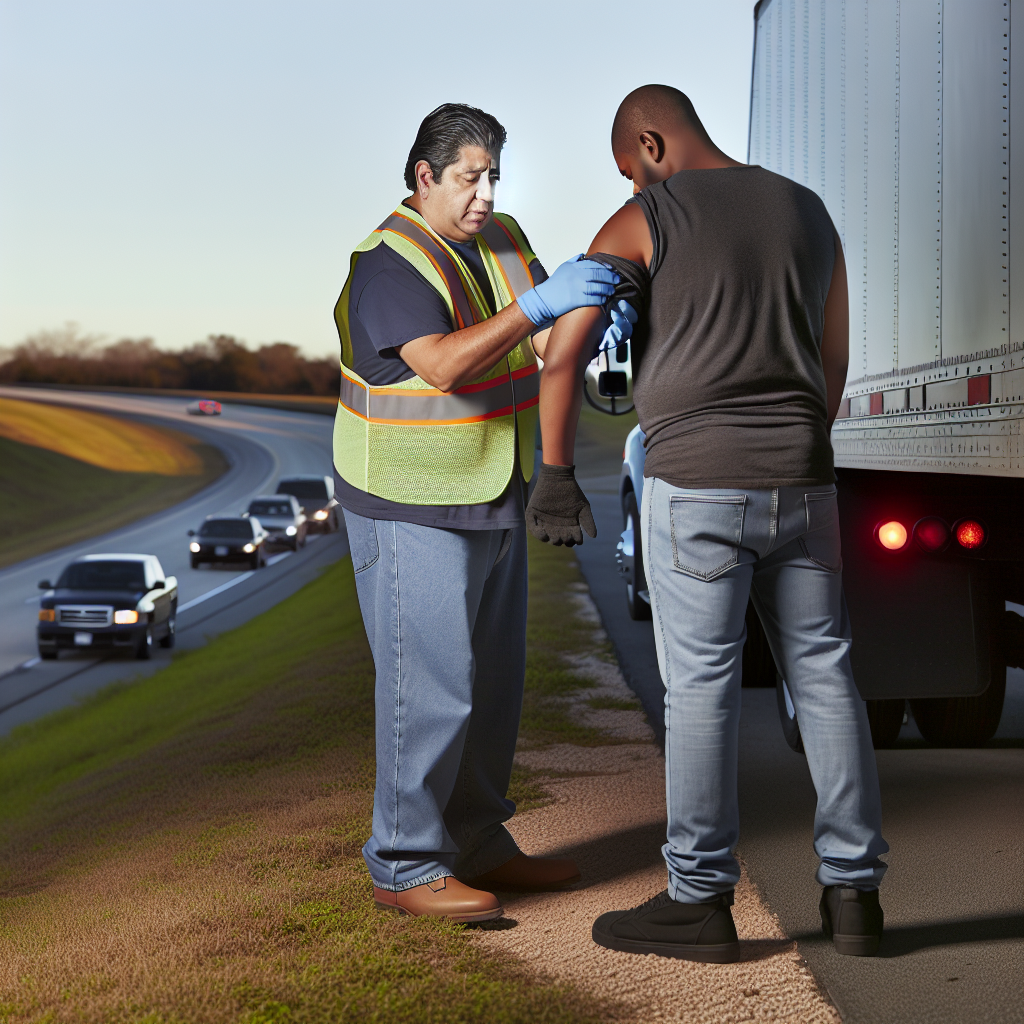
Importance of Roadside Assistance
In the trucking industry, the importance of roadside assistance cannot be overstated. Truck drivers often traverse vast distances, encountering unforeseen challenges that can jeopardize their safety and the safety of others on the road. Emergencies can arise from mechanical failures, harsh weather conditions, or accidents, underscoring the critical need for drivers to be prepared and knowledgeable about how to act in such situations.
Being prepared means more than just having a spare tire or a basic toolkit—it encompasses comprehensive training and clearly defined policies that equip drivers with the skills to respond effectively during emergencies. When drivers receive proper training, they gain the confidence to handle unexpected situations and make informed decisions that can save lives. For instance, a well-trained driver knows how to safely mark a roadside emergency, call for assistance, and provide first aid if necessary. This proactive approach not only protects the driver but also minimizes the risks for other road users.
Moreover, cohesive policies regarding roadside assistance are essential in the trucking industry, particularly in the context of trucking regulations. These regulations must prioritize the availability of resources, such as 24/7 emergency services and support systems, ensuring that help is always just a call away. The integration of these trucking regulations into company culture reinforces the importance of safety and preparedness, resulting in a workforce that is alert and ready to act.
In conclusion, investing in both driver training and comprehensive roadside assistance policies in accordance with trucking regulations is not only a moral obligation but also a smart business decision. It enhances safety, fosters a culture of responsibility, and ultimately leads to a more efficient and reliable trucking industry. By emphasizing these aspects, companies can cultivate an environment where every driver is equipped to manage roadside challenges effectively, turning potential emergencies into manageable situations through preparedness.
| Aspect | Current Requirements | Proposed Reforms | Implications for Driver Training and Safety |
|---|---|---|---|
| Training Duration | Minimum required training: varies by state (around 20-50 hours) | Standardized minimum of 40 hours of behind-the-wheel training | Increased consistency in training durations across states, enhancing driver readiness. |
| Written Tests | State-specific tests, no national standard | Nationalized written tests with standardized questions | Ensures all drivers have a uniform understanding of safety regulations. |
| Behind-the-Wheel Training | Limited requirements; often depends on employer guidelines | Mandatory completion of practical skills tests | Improves hands-on experience, leading to better-equipped drivers. |
| Instructor Requirements | No specific certification required in many states | All instructors must have certification and experience | Elevates the quality of training provided to new drivers. |
| Vehicle Requirements | Varies by state; some allow personal vehicles for training | Requirement for use of commercial vehicles in training | Ensures better alignment with actual driving conditions and regulations. |
| Safety Training | Limited focus on emergency response and safety practices | Enhanced curriculum including emergency response training | Prepares drivers better for roadside emergencies, improving overall highway safety. |
Real-Life Stories of Compassionate Drivers
In a world where compassion often gets overshadowed by the rush of daily life, the stories of empathetic drivers shine as reminders of our shared humanity. In moments of crisis, the quick actions of fellow drivers can mean the difference between life and death. Here are a few inspiring stories that exemplify this spirit of compassion on the road.
Amity Cataldo: A Beacon of Hope
Amity Cataldo’s bravery came to light when she witnessed a serious truck crash near Amarillo, Texas, a scene etched sharply into her memory. As her heart raced, adrenaline surged through her veins; she could feel time slow in that terrifying moment. Without a moment’s hesitation, she pulled over, activated her hazard lights to warn oncoming traffic, and called 911. The image of the injured driver, disoriented and bleeding, etched itself into her mind as she approached. Fear washed over her, yet within that storm of emotions, determination took hold.
Cataldo knelt beside the driver, her voice steady amidst the chaos. “You’re going to be okay. Help is on the way,” she reassured, doing her best to instill calmness. As minutes turned to agonizingly slow seconds, relief surged through her when the paramedics arrived, fully aware that her small act of humanity had made a world of difference in that man’s darkest hour.
John Bradley: Guardian of the Road
On another occasion, John Bradley, a truck driver for James River Carriers, showcased extraordinary quick thinking that would forever change him. While at a customer location in Richmond, Virginia, he noticed another driver who had mistakenly hooked his truck to the wrong trailer. After ensuring the situation was rectified, his instincts kicked in when he saw the driver slumped over the steering wheel. Fear gripped him as he realized the potential peril the driver faced. Would he be too late?
With a rapid heartbeat, Bradley called 911 and dashed over to the vehicle—his heart raced as he blocked oncoming traffic, saving a life in that critical instance. That moment of protecting a fellow driver became his purpose. He later learned that the driver had suffered a medical emergency due to unbalanced blood sugar levels. John reflects back, “I just did what anyone else would do in that situation. We are all in this together, and we must look out for one another.”
Travis Braun: The Hero of the Highway
Travis Braun’s story stands testament to the bravery that we often underestimate in everyday heroes. Witnessing a vehicle crash that left a woman unconscious inside a smoking car, panic surged within him. As he rushed to the scene, a whirlwind of thoughts flooded his mind—would he get there in time? What if the flames engulfed the vehicle before he could pull her to safety?
Without a second thought, he placed himself in harm’s way, pulled her from the wreckage, and safely away from the danger before the flames could escalate. As he looked back at the scene of devastation, a wave of adrenaline and relief washed over him. His split-second decision, driven by instinct and compassion, could have changed the course of someone’s life.
“We all have a duty to help others when danger strikes. I only did what was right,” Braun emphasized, echoing the sentiments that unite us as compassionate beings.
A Culture of Compassion
These stories, much like many others that go unreported, paint a vivid picture of the camaraderie and compassion that exist among truck drivers. Each instance resonates with the lesson that quick, compassionate action can create ripples of impact that reach far beyond a singular moment. Their readiness to respond in times of need underscores the necessity for thorough training that prepares them for emergencies. By cultivating a culture of support and preparedness, drivers not only safeguard themselves but also become lifelines for others on the roads.
Compassion on the highways is a collective responsibility. Through training and shared stories of bravery, we can sustain a spirit of readiness and care, ensuring that every driver is equipped not only to handle emergencies but also to provide comfort when it is most needed.

Call for Reforms: Urgent Legislative Changes Needed in CDL Testing and Training
In the highly regulated world of commercial trucking, the recent findings regarding deficiencies in training and compliance have alarmed industry leaders and safety advocates alike. As Chris Spear, President of the American Trucking Associations, aptly stated, “Though commercial trucking is among the most heavily regulated industries in the United States, gaps in oversight, enforcement, and qualification requirements … threaten safety on our nation’s highways.” This stark reality compels us to reassess our current systems and calls for immediate legislative reforms around Commercial Driver’s License (CDL) testing and training.
The chaos within CDL training programs is underscored by staggering statistics; nearly 44% of the nation’s truck driving schools may not comply with the necessary training regulations (AP News). This alarming lack of adherence translates into a dangerous landscape where unqualified individuals may be given the keys to massive commercial vehicles. Such oversights are not just regulatory failures; they are ticking time bombs on our highways.
Marco Beghetto pointedly remarks, “Essentially, we know that companies that routinely cut corners when it comes to tax and labor compliance, will most definitely do the same in all areas of their operation, including disregarding public safety by carelessly putting unfit equipment and untrained or poorly qualified drivers on the road.” This connection between lax standards and the culmination of dangerous driving practices cannot be ignored; careless oversight directly contributes to the potential harm on our roads.
The urgency of reform is further underscored by supportive actions from the Federal Motor Carrier Safety Administration (FMCSA) which has recommended enhancements to the training and testing procedures. Recommendations include the need for standardized requirements and more rigorous instructor qualifications, aimed at elevating training across the board. When these reforms are implemented, statistics show that fleets investing in comprehensive CDL training have seen reductions in accident rates by as much as 40% (Driving Tests).
Our call to action is clear: we cannot afford to sit idly by while gaps in CDL testing and training continue to endanger countless lives. Now is the time for our legislators to act decisively to standardize and enhance these requirements, ensuring that only the most qualified individuals are entrusted behind the wheel of commercial vehicles. As we advocate for these necessary changes, let us all remember the words of Amity Cataldo, a recognized Highway Angel, who selflessly intervened during a roadside emergency: “What I did was what I would hope any other driver would do.” It is this spirit of collective accountability that will drive meaningful change.
We must unite in advocating for these vital reforms in CDL processes as a matter of public safety and highway improvement. Now is the time to strengthen our standards, reflect on our shared responsibility, and ensure a safer tomorrow for everyone on the road.
Conclusion
In today’s fast-paced world, the moments of compassion we extend during roadside emergencies can have life-altering consequences. It is evident from the inspiring stories of individuals like Amity Cataldo, John Bradley, and Travis Braun that a kind response can bridge the gap between fear and hope. As we reflect on these incidents, we are reminded of the critical importance of compassionate responses in such situations. However, these acts of valor also highlight systemic issues in the trucking industry that require urgent reforms.
We cannot overlook the pressing need for revisions in Commercial Driver’s License (CDL) testing and training. The safety of our highways hinges not just on heroic actions but on the foundational skills and knowledge that every driver should possess before they take to the road. By advocating for enhanced training protocols and legislative reforms, we can prevent potentially dangerous situations from arising in the first place.
It is imperative that as citizens and road users, we come together to demand improved standards and policies that prioritize training, safety, and preparedness. Let us raise our voices and act as stewards of change within the industry. Together, we can ensure that compassion and quick responses become a fundamental part of our roadways, enhancing safety for all drivers. Your advocacy is crucial in championing for reforms that will undoubtedly save lives. Stand up, speak out, and help foster a culture where every driver is equipped not only with skills but also the resolve to act with kindness and responsibility during emergencies.
Statistics on Roadside Emergencies and Training Outcomes
The trucking industry has made significant strides in improving safety outcomes due to enhanced training initiatives. These initiatives specifically target roadside emergencies. Here are some key statistics that underscore these advancements:
-
Increased Investment in Safety: In 2022, the industry invested approximately $14 billion in safety measures. This includes training and technology upgrades. This amount marks a 40% increase from 2015. This investment reflects a robust commitment to reducing accidents and improving overall roadway safety.
Source -
Driver Perception: A notable 78% of truck drivers believe that ongoing training enhances road safety. This indicates a strong belief in the effectiveness of continuous educational programs in preventing accidents.
Source -
Accident Rate Reduction: Companies with improved safety protocols, like TransAmerica Logistics, reported a staggering 73% reduction in accident rates. This happened after implementing comprehensive safety programs. This transformation resulted in annual savings of approximately $2.8 million and a notable 92% satisfaction rate among drivers.
Source -
Decrease in Fatalities: According to the National Highway Traffic Safety Administration (NHTSA), large truck-related fatalities dropped by 8.3% from 2022 to 2023. However, with 5,472 fatalities reported in 2023 alone, the need for continued safety improvements is clear.
Source -
Technology Utilization: Enhanced training programs have improved drivers’ interactions with advanced vehicle technologies. This includes systems like Adaptive Cruise Control and Lane Keeping Assist. Training initiatives focused on safe engagement with these systems have resulted in reduced risks associated with their misuse.
Source
These findings illustrate that robust training programs are critical in advancing safety in the trucking industry. They lead to decreased accident rates, fewer fatalities, and better management of emergency situations on the road.
CDL Reforms and Roadside Assistance Initiatives Links
To further enhance the authority and credibility of this article, here are some important resources discussing current CDL reforms and initiatives for roadside assistance:
- ATA Calls for Enhanced CDL Standards: The American Trucking Associations (ATA) has urged Congress to strengthen CDL training, testing, and licensing standards. Read more here
- Federal Review of CDL Compliance: A U.S. Department of Transportation review revealed alarming statistics regarding compliance in truck driving schools. Learn more here
- NATSO’s Roadside Service Technician Safety Initiative: NATSO’s initiative aims to improve safety for roadside assistance personnel in the trucking industry. Discover more about this initiative
- FMCSA Medical Certification Changes: The FMCSA has implemented significant updates in medical certification processes for truck drivers. More details available here
- Drug & Alcohol Clearinghouse Enforcement: New regulations link the Drug and Alcohol Clearinghouse to driver licensing. Read about the enforcement rule
These links provide valuable insights into the ongoing reforms and initiatives aimed at improving safety standards in the trucking industry, particularly concerning driver training and roadside assistance.
The commitment to enhancing roadside assistance must go hand-in-hand with improving the standards of CDL testing and training, ensuring that drivers are not only capable of responding to emergencies but also navigating complex regulatory requirements with confidence.