Introduction to Emergency Service Standardization
In heavy-duty rescue operations, time is crucial. Every second that passes during a response can mean the difference between life and death. Emergency service standardization in these scenarios is not just about uniformity; it ensures that every crew member is fully equipped and trained for the diverse challenges that may arise. Rescue teams often face complex accidents involving damaged vehicles, hazardous materials, and challenging environmental factors. This makes the need for streamlined procedures and consistent equipment critical.
As we explore the importance of standardization, we will reveal how adopting a uniform approach in vehicle recovery enhances operational efficiency and significantly boosts the safety and effectiveness of rescue missions. Join us as we uncover innovative strategies and evidence-based improvements that can transform rescue operations, ensuring that responders act swiftly and effectively when every second counts.
Richard Riley, a crucial figure in the operational landscape, emphasizes this necessity: “The traditional walk-in compartment design has proven its effectiveness… For our department, protecting critical equipment… made it the right choice.” This statement highlights how strategic equipment design choices can play a vital role in standardizing rescue procedures and enhancing operational readiness.
| Rescue Apparatus Model | Winch Strength (lbs) | Chassis Type | Compartment Design |
|---|---|---|---|
| Model A | 15,000 | Pierce® Enforcer™ | Traditional Walk-in |
| Model B | 12,000 | Oshkosh H-Series | Modular Design |
| Model C | 20,000 | Custom Heavy-Duty Chassis | Open Design |
Benefits of Standardization in Rescue Operations
Standardization in rescue operations plays a pivotal role in enhancing operational consistency, improving safety, and achieving efficiency gains, particularly in heavy-duty rescue scenarios. When rescue teams adhere to a standardized set of procedures and equipment specifications, they cultivate a systematic approach that ensures every member knows exactly what to expect and how to act in any given emergency situation.
Operational Consistency
Having uniform processes and equipment across rescue units allows for more predictable and reliable responses. This consistency translates into training that can be standardized across all personnel, ensuring that every team member is on the same page and can execute their tasks with precision. During critical interventions, such as a vehicle recovery at a complex accident scene, knowing that everyone is operating with the same equipment and procedures enhances teamwork and reduces the chances of errors. This approach minimizes the operational variability that can hinder rescue effectiveness.
Safety Improvements
The implementation of standardized equipment and training directly contributes to higher safety standards. When all rescue apparatus and tools are uniform, it simplifies the training process and increases the confidence of responders in their equipment. For example, if a particular rescue vehicle’s winch operates the same way across all departments, crews can familiarize themselves with its functionalities, leading to safer and more effective utilization under pressure. Furthermore, knowing that equipment meets established safety protocols reduces risks associated with unforeseen failures during rescue operations, allowing units to focus on saving lives rather than worrying over equipment reliability.
Efficiency Gains
Efficiency in rescue operations is often achieved through streamlined processes that come from standardization. When all teams use the same type of gear, such as stabilizing equipment or scene lighting systems, there is a significant reduction in time spent on familiarization and setup during emergencies. The ability to quickly interchange equipment between vehicles or deploy backup units becomes much simpler when all apparatus share similar functions and design. Consequently, this reduces response times, allowing rescuers to act swiftly and effectively in life-threatening situations. Additionally, standardizing training materials reduces the cost of training and ensures that new recruits receive comprehensive and relevant instruction that can be uniformly applied across the board.
In essence, the benefits of standardization in rescue operations resonate through every layer, from improved safety protocols and operational reliability to enhanced efficiency and effectiveness. This commitment to consistency is not only a testament to a rescue department’s professionalism but ultimately plays a critical role in their ability to save lives, reinforcing the idea that when it comes to rescuing individuals in distress, every second truly counts.
Statistics on Rescue Operation Response Times
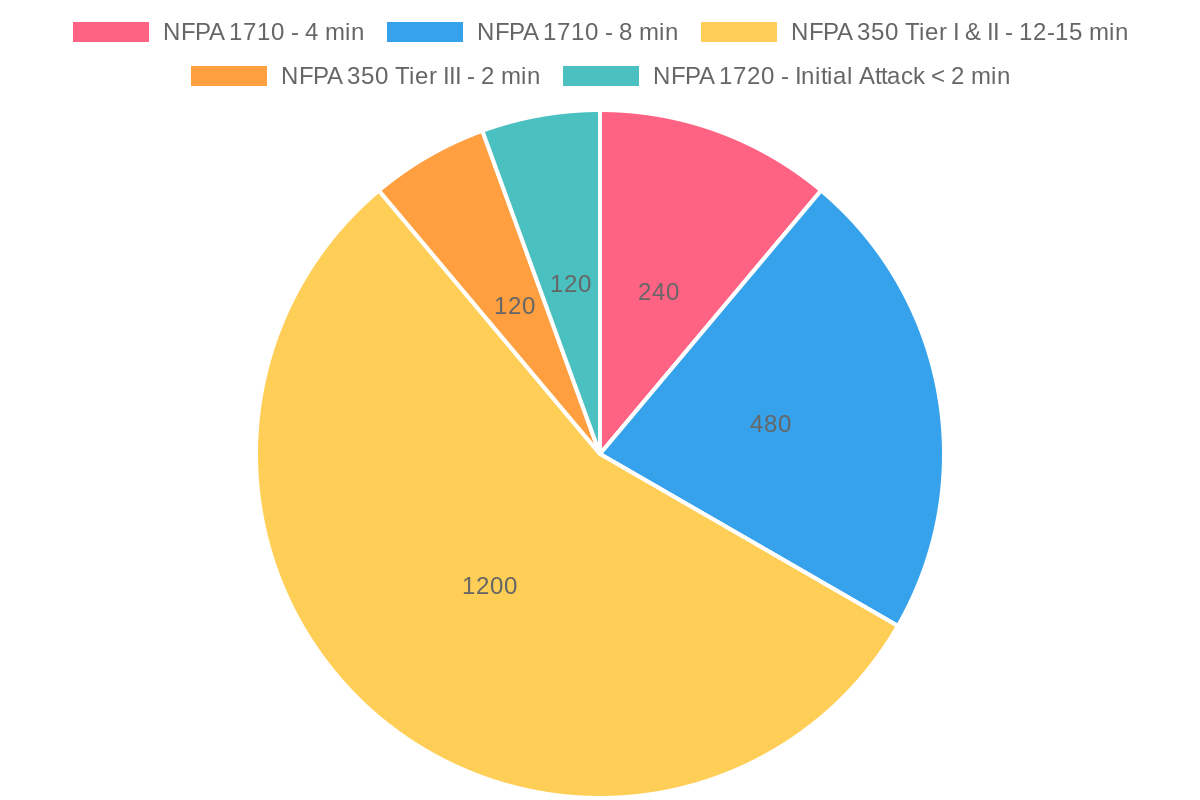
Standardization in emergency rescue operations has demonstrably improved response times and operational efficiency. Key findings include:
-
Fleet Standardization Enhances Operational Efficiency: The Prince George’s County Fire/EMS Department implemented a standardized fleet strategy, leading to improved mechanical consistency and reduced diagnostic and repair times. This approach streamlined training, improved maintenance, and ultimately saved lives by ensuring operational consistency and optimal performance.
Triple A Truck Wash -
Standardized Rescue Procedures Reduce Response Times: In China, the implementation of Standard Rescue Procedures (SRP) for severe trauma treatment reduced the average time from injury occurrence to efficient hospital treatment from 91.07 minutes to 40.76 minutes. This significant reduction highlights the effectiveness of standardized protocols in expediting emergency response and treatment processes.
PMC NCBI -
Standardized Protocols Correlate with Reduced Response Times: Surveys indicate that increased use of standardized protocols and procedures across emergency services is correlated with reductions in response times. This suggests that standardization contributes to more efficient and timely emergency responses.
Zipdo -
Machine Learning Enhancements: A 2025 study demonstrated that implementing machine learning algorithms for ambulance dispatching in San Francisco led to a reduction in mean response times by up to 30%.
arxiv.org -
Advanced Traffic Signal Control: In New York City, research revealed that advanced traffic signal control systems could reduce intersection delays for emergency vehicles by 50%, increasing EMS accessibility significantly.
arxiv.org -
Response Time Impact on Fatality Odds: A study found that each 1-minute increase in EMS response time increased the fatality odds of freeway crashes by 2.6%. This underscores the importance of rapid response in emergencies.
Frontiers in Public Health
These statistics underscore the positive impact that standardization has on enhancing the efficiency and effectiveness of emergency rescue operations, emphasizing the critical role it plays during life-threatening situations.
Case Study: Prince George’s County Fire/EMS Department and Standardization in Heavy Rescue Operations
The Prince George’s County Fire/EMS Department (PGFD) has achieved remarkable advancements in their heavy rescue operations through a strategic partnership with Pierce Manufacturing, specifically involving their Rescue Squad No. 820. This case study explores how standardization has enhanced operational efficiency, improved training, and streamlined maintenance processes within the department.
Operational Efficiency and Standardization
Prince George’s County Fire/EMS Department has standardized their fleet in collaboration with Pierce Manufacturing, which has greatly improved operational efficiency. The department’s heavy rescue apparatus features a 15,000-pound winch and is built on a Pierce® Enforcer™ chassis, allowing for a powerful and reliable response to emergencies. In 2024, Rescue Squad No. 820 was deployed to over 1,800 incidents, showcasing the necessity of having well-organized and standardized equipment during high-demand operations. Standardizing the fleet allows firefighters to easily locate and operate essential tools, enhancing response times and minimizing the chaos that can occur at emergency scenes.
Training and Maintenance Benefits
The partnership with Pierce has fostered a comprehensive training program focused on standardized equipment use and maintenance. With uniform apparatus and tools, firefighters undergo consistent training, enabling both new recruits and seasoned personnel to become proficient in their operations more rapidly. In addition, mechanics benefit from familiarity with these standardized systems, resulting in reduced diagnostic and repair times. Efficient parts management due to uniform equipment further minimizes apparatus downtime, ensuring that the fire/EMS units are always ready for rapid deployment.
Fleet Enhancements with Pierce Apparatus
Beyond individual vehicle standardization, PGFD made significant investments in modernizing their fleet with custom-built Pierce apparatus. Recently, they added multiple Pierce® Enforcer™ pumpers and an Ascendant® 107-foot Heavy-Duty Tiller Aerial Ladder, all fitted with improved PACCAR engines tailored to meet the demands of their operational environment. This investment reflects PGFD’s commitment to community safety and responsive emergency services.
Conclusion
The case of Prince George’s County Fire/EMS Department illustrates how standardization—through focused partnerships and strategic fleet enhancements—can lead to improved operational metrics, enhanced user experiences, and reduced overall costs in emergency response operations. By emphasizing consistent training and equipment standardization, the department not only improves its response capabilities but importantly enhances the safety and effectiveness of its operations during critical incidents. Their example serves as a strong model for other emergency services looking to enhance their rescue operations through systematic standardization.
This overview of how PGFD maximizes heavy rescue operations through standardization offers valuable insights into real-world applications that can significantly impact emergency response effectiveness and community safety.
Richard Riley emphasizes the collaborative approach toward standardization in heavy-duty rescue operations, stating: “Start by evaluating manufacturers’ capabilities… working with Pierce Manufacturing meant we were able to tailor our apparatus…”
This highlights the importance of working closely with manufacturers to ensure that the equipment not only meets the specific needs of rescue operations but also facilitates efficient and effective responses during emergencies.
Conclusion
In the realm of heavy-duty rescue operations, the significance of standardization cannot be overstated. This approach leads to enhanced operational efficiency, improved safety records, and streamlined emergency responses. As illustrated through the case study of the Prince George’s County Fire/EMS Department, the deployment of standardized equipment and protocols has not only facilitated rapid interventions but also fostered a culture of consistent training among rescue personnel. With well-defined processes and uniform apparatus, responders are more confident in their capabilities, which is crucial during high-pressure scenarios where lives are at stake.
Looking towards the future, the trend of standardizing rescue apparatus and operational protocols is likely to expand further. As we continue to embrace technological advancements, such as smart rescue systems and automated tools, integrating these innovations into a standardized framework will be paramount. These advancements can enhance situational awareness for responders and enable quicker decision-making during emergencies. Moreover, ongoing collaboration with manufacturers to tailor equipment will ensure that it meets the evolving needs of rescue operations effectively.
Ultimately, the commitment to standardization not only reflects a department’s dedication to professional excellence but also embodies a strategic approach to saving lives. As the landscape of emergency response evolves, investing in standardized resources and training will be invaluable in preparing rescue teams to face future challenges with unwavering confidence and capability.
In summary, by prioritizing standardization, rescue departments will enhance their operational effectiveness and contribute to a safer environment for both responders and the communities they serve.
Call to Action
Now, we need your voice! Advocate for the standardization of emergency services in your local area. By working together with community leaders and local rescue departments, you can help pave the way for improved safety and efficiency in life-saving operations. Reach out to your local government, attend town hall meetings, and share this article with others to spread awareness. Every effort counts towards making a difference in emergency response capabilities.