

Introduction to Starting Your Tow Truck Business
Starting your own tow truck business can be one of the most rewarding ventures you embark upon. Whether you’re a local driver looking to supplement your income, a property manager aiming to maintain order in your community, or an auto repair shop owner seeking additional services to offer your clients, there is a place for you in the towing industry. However, as exciting as this opportunity is, it’s normal to feel a bit apprehensive. You might wonder about the initial costs, the regulations you must adhere to, or how to effectively reach your target customers.
Most importantly, you might be curious if this business is right for you. The good news is that with the right preparation, dedication, and understanding of the market, you can turn your passion for vehicles and helping others into a successful operation. With increasing numbers of vehicles on the roads and the growing demand for towing services, the potential for profitability is significant.
In this guide, we’ll navigate the essential steps to help you launch your tow truck business effectively. From strategizing your business plan to understanding local regulations, we will equip you with the knowledge and confidence you need to get started. So take a deep breath, and let’s dive into the world of towing! Learn more about illegal towing and how to prepare your fleet for success!
Essential Requirements to Start a Tow Truck Business
Starting a tow truck business can be a rewarding venture, providing essential services to local drivers, property managers, and more. However, ensuring that you have the necessary certifications, licenses, and permits is crucial for legal and operational success. Here’s a list of vital requirements along with reasons for their importance:
-
Business License
A business license is required to legally operate within your local jurisdiction. This licensing ensures that you comply with local regulations and practice ethical business methods, helping build trust with clients. -
Tow Operator License
To operate towing vehicles, you usually need a specific tow operator license. This certification verifies that you are trained to handle towing equipment safely and understand the rules surrounding vehicle recovery, which protects the public and your business. -
Vehicle Registration
All towing vehicles must be properly registered with state authorities. This measure guarantees that the vehicles are roadworthy and insured, reducing liability risks during operations. -
Insurance
Insurance is vital for protecting your business against potential liabilities, such as property damage or accidents while towing. Many clients will only choose licensed and insured operators, making this essential for competitive business practices. -
DOT Number
If you operate commercial vehicles across state lines, obtaining a Department of Transportation (DOT) number is necessary. This number is part of compliance with federal regulations, ensuring that your business adheres to state and federal safety standards.
Understanding these requirements will not only keep your business compliant but will also instill confidence in your customers. Staying informed about regulations is a continuous process; therefore, regular consultation with industry guidelines, such as those from U-Haul and local government resources like Arlington County, is advisable.
For a visual representation of these essential requirements and their importance, refer to the chart below:

By ensuring compliance with these requirements, you can effectively begin your tow truck business on the right path.
This article provides an overview tailored to the needs of local drivers and auto repair shops, focusing on practical insights that resonate with the community.
This image showcases tow trucks actively providing emergency assistance on the roadside, demonstrating their importance in local services. Tow trucks handle over 100 million calls yearly in the U.S., making them a vital part of emergency response systems.
Learn more about the role of tow trucks in emergency services and how they operate during critical situations for a deeper understanding of this essential service.
Choosing the Right Equipment for Your Tow Truck Business
Starting a tow truck business requires understanding the unique equipment needed for various towing services. Each type of tow truck serves a specific purpose, and equipping your truck appropriately can enhance your service offerings and improve efficiency.
Types of Tow Trucks
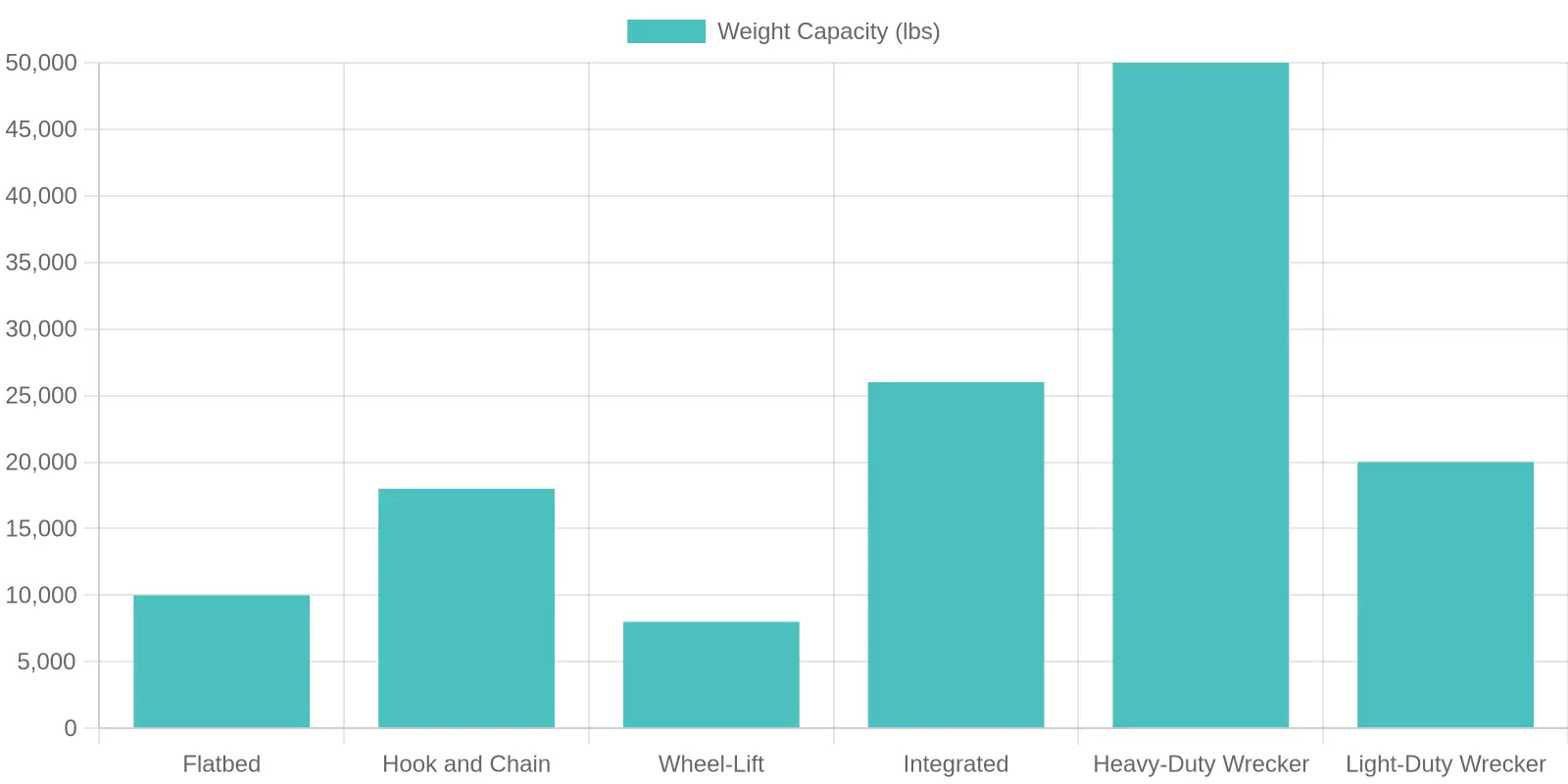
There are several categories of tow trucks, each designed for different applications:
| Tow Truck Type | Weight Capacity | Typical Uses |
|---|---|---|
| Flatbed | Up to 10,000 lbs | Transportation of cars, light trucks, and equipment |
| Hook and Chain | Up to 18,000 lbs | Recovering vehicles involved in accidents |
| Wheel-Lift | Up to 8,000 lbs | Towing vehicles with minimal damage |
| Integrated | Up to 26,000 lbs | Heavy-duty towing for commercial vehicles |
| Heavy-Duty Wrecker | Up to 50,000 lbs | Recovery and towing of heavy-duty trucks and vehicles |
| Light-Duty Wrecker | Up to 20,000 lbs | Towing lighter vehicles and motorcycles |
Understanding these specifications helps you choose the right truck based on your business needs and local demand. You might also consider investing in hybrid options that offer versatility and fuel efficiency.
Essential Equipment for Tow Trucks
Beyond the trucks themselves, certain equipment is indispensable for providing safe and effective towing services:
| Equipment | Usage |
|---|---|
| Tow Hook | Connects to the vehicle being towed. |
| Winch | Assists in lifting or pulling a vehicle onto a tow truck. |
| Straps and Chains | Provides support and security during towing. |
| Safety Cones | Alerts other drivers of the towing operation. |
| Tow Lights | Provides visibility to the tow truck during operations. |
| Jacks | Lift vehicles for easier hooking and detaching. |
| Dolly | Transports vehicles with wheels off the ground. |
| Tool Kit | Contains tools needed for maintenance and emergency repairs. |
| First Aid Kit | Provides basic medical supplies in case of emergencies. |
| Tire Inflation Compressor | To inflate tires of vehicles being towed. |
These essential tools not only aid in the efficiency of your operations but also contribute to the safety of your team and customers. For more in-depth information on operational techniques, consider exploring resources on emergency response preparation and the importance of fleet maintenance.
Conclusion
Investing in the right equipment and understanding the specific uses of each type of tow truck will set your business up for success. By ensuring you have the necessary trucks and tools, you can meet the diverse needs of your clients while enhancing your operational capabilities. Don’t hesitate to reach out to your local community for feedback about their towing needs; this will not only help tailor your services but also establish your presence in the local market.
Cost Analysis for Starting a Tow Truck Business
When starting a tow truck business, understanding the initial investment and operational costs is crucial for success. Below is a chart that outlines the estimated costs associated with various critical categories necessary to launch and operate your business effectively:

Estimated Costs Breakdown:
| Category | Estimated Cost |
|---|---|
| Equipment | $75,000 – $100,000 |
| Insurance | $3,000 – $10,000 |
| Licensing | $1,000 – $5,000 |
| Operational Costs | $10,000 – $20,000 |
- Equipment: The cost of purchasing a tow truck is one of the largest expenses you’ll encounter. Depending on whether you buy new or used, costs can range between $75,000 and $100,000.
- Insurance: Costs vary widely based on your location and the nature of your business, but expect to budget around $3,000 to $10,000 for comprehensive coverage. This is necessary to protect both your equipment and your business interests.
- Licensing: Licensing fees can total anywhere from $1,000 to $5,000, depending on your state’s requirements. It’s essential to research local regulations thoroughly.
- Operational Costs: These typically include fuel, maintenance, and other daily expenses that may run from $10,000 to $20,000 per year.
These costs highlight the financial considerations necessary for launching a tow truck business. Understanding these elements will help you navigate this exciting venture effectively. For more information on regulations and legal requirements, learn more about starting your towing business.
These estimates are based on recent averages and provide a financial overview for prospective business owners. For detailed guidance and support, consider consulting with local business resources or industry associations.
Key Statistics on the Towing Industry: Market Size, Earnings, and Growth Projections
Starting your own tow truck business means stepping into a growing and essential sector. Understanding the industry landscape with solid data can guide your business decisions and strategy. Here’s a comprehensive summary of key statistics about the towing industry:
Market Size
- U.S. Towing Industry Market Size (2023): Approximately $10.3 billion.
- Global Tow Truck Market Size (2023): $2.3 billion, with a strong upward trajectory.
Growth Projections
- The U.S. towing industry is expected to maintain an annual growth rate of about 4.1%.
- Globally, the tow truck market is projected to rise from $2.3 billion in 2023 to $3.9 billion by 2033, expanding at a compound annual growth rate (CAGR) of 5.4%.
- Other research estimates the global market could reach up to $11.12 billion by 2035, highlighting significant opportunities and the rising demand for towing and roadside assistance services.
Average Earnings
- Specific recent data on average earnings for tow truck operators in the U.S. in 2023 is limited.
- Historically, tow truck operators’ income varies widely based on location, experience, and whether service contracts or emergency responses influence earnings.
Insights for Aspiring Tow Truck Business Owners
- The consistently growing market size and steady growth projections underscore a promising market.
- The industry’s reliance on essential services for vehicle recovery, emergency roadside assistance, and accident management supports steady demand.
- Understanding market dynamics, including competitive factors and service quality, can position your business for success.
Visual Market Comparison

The chart shows the market size for the U.S. towing industry in 2023 compared to projected global market size by 2033.
By grounding your business plans in these industry figures, you can approach your startup with confidence and clarity.
For more insights on maintaining a safe and ethical operation, consider checking out how to spot illegal towing with key signs to protect your business reputation and customer trust.
Sources:
- Lookup a Plate: Towing Industry Statistics
- Allied Market Research: Tow Truck Market Report
- Business Research Insights: Tow Truck Market Growth
- Market Research: Towing Equipment Market News
This data offers a strategic foundation as you embark on starting your tow truck business.
Essential Marketing Strategies for Your Tow Truck Business
As a towing service provider, establishing a robust marketing strategy is crucial to stand out in your local market. Below are some actionable tactics specifically designed to resonate with local drivers and businesses, ensuring that you not only attract attention but also convert leads into loyal customers.
1. Leverage Social Media Marketing
Social media platforms are excellent tools for connecting with your community and showcasing your services.
- Create Engaging Content: Regularly post updates about your services, share testimonials from satisfied customers, and showcase successful recoveries. Engage your followers with behind-the-scenes posts and tips for vehicle maintenance.
- Use Geo-Targeting: Utilize location-based advertising to reach potential customers who are nearby. This can effectively attract drivers in need of immediate assistance.
- Community Interaction: Respond to comments, questions, and messages promptly. Foster a sense of community by sharing local events or safety tips related to vehicle towing and road safety.
2. Build Partnerships with Local Businesses
Partnering with local businesses can significantly expand your customer base. Here’s how:
- Collaborate with Car Dealerships: Form relationships with car dealerships in your area. They often need a reliable towing partner for customers who face issues after purchase. Offer favorable rates for bundled services which include both purchasing and post-purchase care.
- Work with Auto Repair Shops: Establish ties with auto repair shops that may encounter customers needing towing services. This can result in mutual referrals and build trust among local drivers.
3. Engage in Community Activities
Demonstrating your commitment to the local community can boost your reputation and visibility:
- Sponsor Local Events: Sponsor sports teams, community fairs, or safety workshops. This not only provides exposure but also illustrates your dedication to the community.
- Participate in Local Charity Drives: Engage in or sponsor charity drives that support community initiatives. This may enhance your brand image and attract customers who prioritize community-focused businesses.
4. Optimize Your Online Presence
In today’s digital age, an optimized online presence is essential to attract local customers:
- Local SEO: Invest in search engine optimization (SEO) to ensure your business ranks well for local searches. Optimizing your website for local keywords will help potential customers find your towing service easily.
- Google My Business: Claim and optimize your Google My Business listing. This allows you to provide important information including your location, services offered, hours of operation, and customer reviews.
- Gather and Display Reviews: Encourage satisfied customers to leave positive reviews online. A collection of good ratings can significantly influence potential customers when considering your services.
5. Implement a Referral Program
- Encourage Word-of-Mouth Marketing: Establish a referral program that rewards customers for referring friends or family. This can create a network of satisfied customers who actively promote your services.
Conclusion
With these actionable marketing strategies, you can effectively drive awareness and demand for your tow truck business. The key is to blend traditional community engagement with modern digital marketing approaches. Don’t wait for customers to find you; take proactive steps today to enhance your visibility and credibility in your community. Start by learning more about effective towing services to ensure you meet the expectations of your clients.
By engaging with local drivers and businesses, your tow truck service can thrive and establish a long-lasting presence in your community. Remember, the sooner you implement these strategies, the quicker you can grow your customer base and business reputation!
“Success is not just about what you accomplish in your life, it’s about what you inspire others to do.”
This quote serves as a motivational reminder for aspiring tow truck business owners about the impact they can have not only on their businesses but also on their communities.
Your Journey to Starting a Tow Truck Business
In conclusion, embarking on the adventure of starting your own tow truck business is not only a fulfilling venture but also an essential service that meets a significant need in your community. By now, you should have a firmer understanding of the steps involved-from identifying your target market to obtaining the necessary equipment and securing the right licenses. Your ability to connect with local drivers, auto repair shops, and property managers will determine your success in this competitive industry.
Starting your own business requires tenacity, meticulous planning, and a strong commitment to serving those who find themselves in challenging situations on the road. By becoming a reliable part of your community, you establish trust and reputation, two pivotal elements that drive local customers to choose your towing service over others. Whether it’s helping a stranded motorist or responding to emergencies, the impact you’ll have is profound.
If you’re still contemplating the leap, remember that every great business started with a single step. Consider starting small, perhaps by investing in a used tow truck and learning the ins and outs of the business while leaning on established models for growth. Resources abound, including advice from others who have successfully navigated this journey, making it easier for you to bypass common pitfalls.
In the fast-paced world of towing, partnering with reliable suppliers and ensuring your equipment meets all safety and regulatory standards will give you peace of mind. You may also want to explore opportunities for fleet standardization and emergency response planning to optimize operations down the line. Learn more about emergency response preparation to ensure you’re ready whenever duty calls.
As you look to establish your towing business, choosing the right equipment is crucial. At Summit Fairings, we understand the unique demands that tow truck operators face. We ensure that our products meet the specific needs of tow truck businesses. From customizable options to efficiency-driven solutions, we are here to support your entrepreneurial journey.
Ready to take the next step? Reach out to Summit Fairings today and discover how we can equip you with the best tools to build your towing business successfully. Together, we can turn your aspirations into reality! With commitment and the right resources, the road ahead is promising.
Frequently Asked Questions (FAQs) About Starting a Tow Truck Business
Starting a tow truck business can be an exciting venture, but it brings its own set of challenges and questions. Here’s a comprehensive FAQs section to help you navigate your journey as a tow truck operator.
1. How do I finance my tow truck business?
Financing is one of the first hurdles you’ll encounter when starting a tow truck business. Popular financing options include:
- Equipment loans: Tailored for purchasing tow trucks and related equipment.
- Leasing: A more flexible option for acquiring equipment without the hefty upfront cost.
- Traditional bank loans: Require a solid business plan and a good credit rating.
To improve your chances of securing funding, ensure you have a clear, detailed business plan that outlines your operational costs and projected revenues. Learn more about how to create a business plan.
2. What insurance do I need for my tow truck business?
Insurance is essential for protecting your assets and ensuring compliance with regulations. Minimum insurance requirements typically include:
- Liability coverage: Protects you from claims resulting from accidents or injuries.
- Garage keepers’ insurance: Covers damage to vehicles in your care.
- Physical damage coverage: Safeguards your tow trucks against damage.
Costs can vary significantly based on factors such as location, vehicle types, and the driving records of your operators. It’s advisable to shop around and get quotes from several insurance providers to find the best coverage at a competitive price. Discover more about insurance for tow truck businesses.
3. How can I acquire customers for my towing services?
Customer acquisition is key to the success of any tow truck business. Here are several strategies to consider:
- Build relationships with local businesses: Establish partnerships with auto repair shops and dealerships that can refer clients to you.
- Utilize social media: Promote your services through platforms like Facebook and Instagram to reach a broader audience.
- Excellent customer service: Always prioritize a professional experience. Satisfied customers are more likely to recommend your services.
4. What are the initial costs to start a towing business?
Starting a towing business often requires a significant initial investment. Costs can include:
- Purchasing or leasing tow trucks
- Insurance premiums
- Licensing and permits
- Marketing expenses
Make sure to conduct thorough market research to understand your local market demand and competition. Get tips on market research in the towing industry.
5. What regulations should I be aware of?
Understanding local regulations is critical. Each region may have unique requirements regarding licensing, insurance, and operating standards for tow truck businesses. Check with your local government and industry associations to ensure compliance with all laws relevant to your business operations.
By addressing these common queries, we hope to empower you as you embark on your journey to establish a successful tow truck business. For more information, don’t hesitate to check industry resources or consult experienced professionals in the field.