
For local drivers, auto repair shops, and property managers, understanding the cost of a tow truck per mile is critical. Whether your vehicle has broken down unexpectedly, you need to transport a car, or you’re managing a property with specific towing needs, knowing the pricing structure can save time and money. In the chapters that follow, we’ll break down the pricing structure of tow truck services, dive into the various factors influencing costs, compare rates across different regions, and provide real-world examples, all designed to equip you with the knowledge necessary to navigate towing situations confidently.
Tow Truck Pricing Per Mile: Decoding the Meter
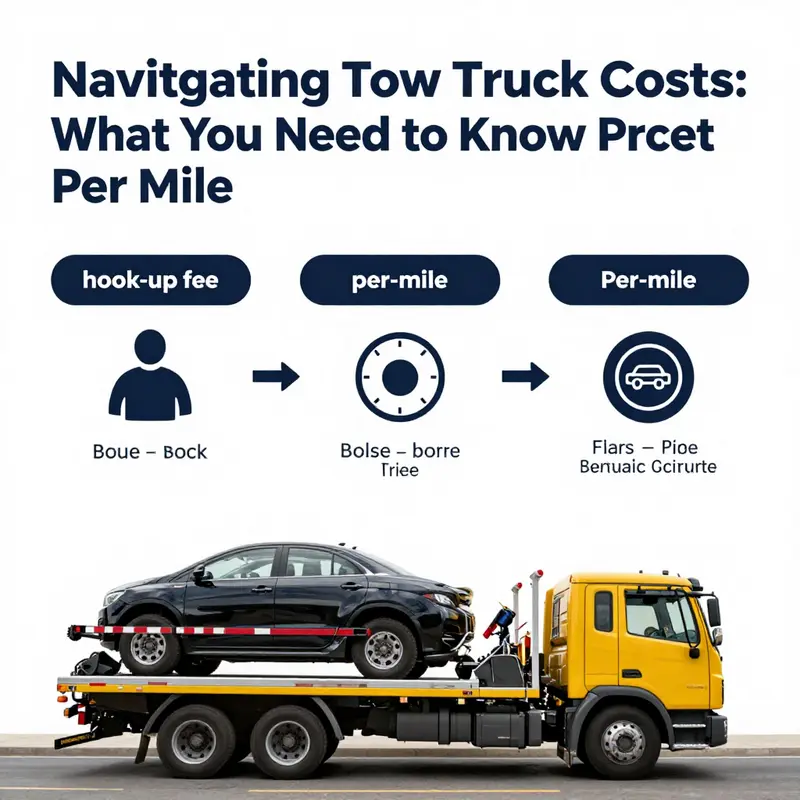
When your vehicle breaks down, understanding the price per mile behind the hook-up fee helps you make a clearer decision. Tow pricing typically blends a fixed base fee with a per-mile charge, plus potential surcharges. The base fee covers dispatch, readiness, and the truck’s mobilization, while the per-mile rate compensates for distance, fuel, tires, and wear on equipment. Rates can vary widely by region, vehicle type, and time of day. In many markets you might see a base fee around 50 to 100 dollars and a per-mile rate that ranges from about 2 to 5 dollars. Heavier tow jobs or late-night calls can push costs higher through tiered pricing or additional surcharges.
To estimate costs, start with the base fee and add the distance times the per-mile rate. For example, a 10-mile tow with a 75 dollar base fee and 3 dollar per-mile rate would yield about 105 dollars (before surcharges). If a fuel surcharge or after-hours premium applies, that total increases further. Some providers use a tiered structure where the rate climbs after certain mile thresholds, which can make longer tows more expensive than a simple linear calculation would predict. When possible, ask for a written estimate that itemizes base, distance, and each surcharge so you can compare apples to apples across providers.
Location and vehicle type also influence price. Urban areas with higher labor costs and traffic can push per-mile rates higher, while rural areas may offer lower rates but longer travel times. A heavy vehicle or equipment may require specialized tow rigs and greater fuel use, which increases both the base and per-mile components. Time of day, weather, and call urgency can add premiums as well. By understanding these factors you can better anticipate the total and avoid surprises on the invoice.
Reading the Meter: How Much Tow Trucks Charge Per Mile and What Really Drives the Price
If you’ve ever watched the meter roll while a tow truck hums down the shoulder and wondered how the cost per mile is determined, you’re not alone. Towing is both a service and a logistics challenge, and the price tag per mile is rarely a single, simple figure. Instead, most outfits balance a base hookup fee with a variable per-mile charge, creating a structure that reflects distance, equipment needs, and the realities of moving a vehicle safely from one site to another. Across the industry, the ballpark for per-mile costs tends to sit between roughly $2.50 and $7, but that range is shaped by several moving parts. The distance to be covered is the loudest dial on the panel, but it is far from the only one. Understanding how these factors interact can help vehicle owners read the price sheet with confidence and request an estimate that aligns with the specifics of their situation. In practice, a tow is a blend of fixed costs and variable costs, and the art of pricing is in translating a journey into a select set of line items that can be traced and justified when the bill arrives.
Distance, more than any other factor, drives the cost. It’s a straightforward calculus in principle: the longer the tow, the more fuel used, more time spent, and more wear and tear on the equipment. Still, the math isn’t merely about miles counted. For many operators, a short tow can still carry a hefty price if the circumstances are complex, while a longer distance might be priced more aggressively if the work is straightforward and the vehicle is compatible with lighter equipment. Consider the spectrum: a short tow of around five miles might land in the neighborhood of $75, while a fifty-mile journey can push the total beyond the $300 mark. For some carriers, the same mile will cost more at the outset if you are in a congested urban area or if the tow is billed in tiers by distance brackets. The result is a per-mile charge that may shift as distance markers push into new brackets. It’s this tiered approach that makes a quoted number feel less like a single, flat lane and more like a stretch of road with tolls that vary by segment.
Vehicle type and weight form the second dominant axis of pricing. Heavier, bulkier vehicles demand stronger equipment, more careful handling, and sometimes additional crew time to secure the vehicle safely. A pickup or sedan can usually ride in standard tow gear, while a large SUV, a pickup with a bed full of gear, or a commercial van may require heavier-duty dollies or cranes and additional monitoring. Luxury or high-value cars also tend to incur extra charges, not because they always weigh more, but because their protection requires meticulous, sometimes slower, securing and transportation. When a carrier knows the tow will involve extended ramp angles, delicate ramps, or long winching sequences, you may see a premium added to the per-mile rate to account for the specialized handling. The weight and fragility of the vehicle become signals to the tow operator that a higher level of care and a specific mix of equipment will be needed, and pricing will reflect that.
Time of day and urgency are the next levers. Emergency tows—immediate response at odd hours, weekends, or during holidays—carry a premium not only for the labor involved but for the scarcity of available crews willing to respond at unconventional times. A late-night tow can feel like a different service altogether because logistics shift: the operator may need to pull resources from nearby routes, coordinate with roadside assistance, or wait out local restrictions that apply during off-peak hours. The effect on per-mile pricing is often realized as a higher base fee or a higher rate per mile, depending on the company’s pricing structure. Even within the same city, two requests for the same distance could carry different costs if one is routed through a high-congestion corridor or a night-shift staffing model that inflates labor costs. The simplest way to think about it is that time is money, and when time is scarce or inconvenient, the per-mile tag tends to rise.
Location matters as well, particularly the distinction between urban and rural settings. Urban centers inherently impose higher operating costs: denser traffic patterns require more fuel, longer parking intervals, and greater wear on equipment during stop-and-go navigation. Streets, curbs, and the need to maneuver in tight spaces can necessitate specialized towing configurations that add to the bill. Rural or out-of-the-way locations, on the other hand, can push pricing up through longer distances and the potential need for the tow to traverse longer, sometimes less-direct routes. In either setting, the purpose of the price tag remains the same: to cover the real costs of getting to you, securing the vehicle, and delivering it to a repair shop, a storage facility, or another chosen destination with care. It’s a reminder that proximity to the nearest shop is not the only factor; the whole journey from pickup to destination has a price attached to it.
The complexity of the tow itself adds another layer that can surprise the unwary. Not every tow is a straightforward hitch-and-go operation. If the vehicle sits in a ditch, is involved in an accident scene, or sits on an elevated or constrained roadway, the operator has to perform more work to safely extract and transport it. In such cases, the per-mile rate may rise in tandem with the time required to complete the tow. Wrapping, strapping, and securing the vehicle to prevent damage can be time-intensive, and these tasks have real costs. If a scene requires multiple steps, additional personnel, or special equipment, the per-mile figure can reflect that added labor without necessarily changing the distance itself. The result is a price that acknowledges the extra care and the risk management that goes into protecting a vehicle and the people handling it.
Beyond the physics of moving a car, there is the economics of who is doing the work. Some companies publish a single per-mile rate, while others publish a base fee plus a per-mile charge. The base fee, often described as a hook-up fee, covers the initial dispatch, the safety assessment, the activation of the towing gear, and the first leg of the journey. The per-mile charge then accounts for the ongoing cost of fuel, wear on the tow truck, insurance, and the crew’s time. In practice, you may hear a short tow described as needing a base fee plus a few miles at a standard rate. A longer tow might shift into another bracket, where the per-mile rate is adjusted or where the base fee is higher due to the longer operation. Some operators even implement tiered pricing by distance: 0–10 miles, 10–25 miles, 25–50 miles, and so on. Each tier reflects the incremental costs of extending the journey and the added risk and resource use associated with longer pulls. Reading a quote with these brackets can be confusing at first glance, but it becomes clearer once you know the logic behind the lines on the page.
For those seeking clarity before a tow begins, the best practice is to request a detailed estimate that itemizes the base fee, the per-mile charge, and any surcharges or extra fees. A thorough quote should disclose whether the distance is calculated as the crow flies or by the actual traveled route, whether the price includes fuel surcharges, and if there are minimum charges for certain time windows. It’s also worth asking whether the quoted price assumes standard towing equipment or if specialized gear will be needed. Understanding the pricing structure in advance helps prevent sticker shock when the service is completed and the bill lands. It also gives customers a baseline to compare between providers and to negotiate a fair price for the exact circumstances of their tow. If you want to explore practical insights from a broader perspective, you can turn to the industry community where blogs and resource pages discuss the nuances of towing costs. For broader context, see the ongoing discussions in industry blogs such as the one hosted at Blog on towing insights.
The takeaway is simple: while the idea of a fixed price per mile is convenient, real-world towing costs are a function of distance, weight and handling, time, location, and the complexity of the task. A five-mile tow can feel expensive if it happens at night, on a busy day, or with a vehicle that requires careful securing. A long-distance tow can look more economical if it proceeds smoothly with standard equipment and within normal daytime hours. The best way to navigate these waters is to approach a tow with a clear set of questions: What is the base fee? What is the per-mile rate, and is it tiered by distance? Are there additional charges for fuel, after-hours service, or special handling? Will the estimate show how much of the cost is tied to distance versus vehicle weight or complexity? And crucially, can the provider give a written estimate before any work begins? These questions aren’t just about comparing price tags; they’re about ensuring the service you receive matches the actual risk, effort, and logistics of your particular situation.
The per-mile figure is not an abstract number; it’s a lens for understanding the broader economics of roadside assistance. For instance, a short tow of around 5 miles might hover near $75, yet a 50-mile tow can push the total well past $300, depending on the factors outlined above. A 100-mile tow or longer carries not only a greater distance but the compounded effects of fuel usage, vehicle wear, potential overnight accommodations for crews, and the complexity of the route. In many cases, the per-mile rate settles into a predictable range, but the final amount is inevitably a blend of several factors. The more you know about what drives those lane changes in the price tag—the reason the meter moves—you can anticipate, plan for, and budget for the cost of a tow with greater confidence. This is especially important in emergencies, where the priority is safe transport and rapid response rather than price shopping, yet being informed helps ensure that the service you receive aligns with the value you’re getting.
As you collect price information from local providers, remember that the figures you see are often estimates based on typical scenarios. Real-world tows can differ because of the exact vehicle, the precise pickup location, and the dynamics of the tow site. The best practice remains to obtain a detailed, written estimate that lists the base hookup fee, the per-mile charge, and any ancillary fees. It’s also wise to discuss how the distance is computed—whether it’s based on the actual miles driven or on a standard routing distance—as this can affect the final tally. The aim is to avoid surprises while ensuring every mile traveled is accounted for and justified by the work performed. For readers seeking a broader, data-backed overview beyond personal quotes, industry resources from organizations like AAA provide structured analyses of tow costs and the factors influencing them. See the external reference for a comprehensive breakdown: https://www.aaa.com/autocare/articles/how-much-does-a-tow-cost.
Regional Price Currents: A Cohesive Look at Tow Truck Costs Per Mile Across Regions
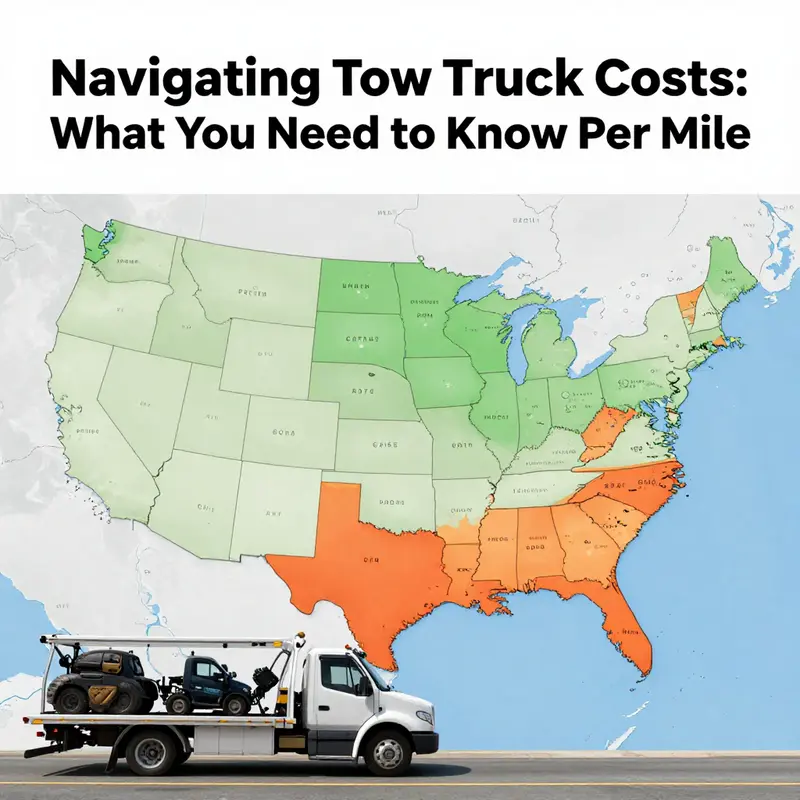
Prices per mile for tow services travel with the same rhythm as regional economies, traffic patterns, and the costs of doing business in different parts of the country. When you step back from the sticker shock of a single tow estimate and compare across locales, a coherent story emerges: urban centers tend to lean toward higher per-mile charges, rural areas often ride the lower end of the spectrum, and the rhythm of the day—whether it is a weekday daylight hour or a late-night emergency—sets the tempo for the final bill. This is not merely a matter of distance. It is a complex interplay of labor costs, equipment needs, regulatory requirements, and the practical realities of maintaining a fleet that must respond quickly, safely, and around the clock.
At the heart of any tow quote is a base fee, commonly described as the hook-up or dispatch charge. This is the entry price for a tow, covering the travel to the vehicle, the crew’s mobilization, and the equipment that must be on standby. After that, a per-mile rate applies. The landscape of actual prices, however, shifts with geography. In urban areas with intense demand and higher living costs, the per-mile figure tends to sit toward the higher end of the spectrum. In cities like those that anchor major metropolitan regions, the per-mile range often falls between five and seven dollars after the initial distance. The reason is straightforward: urban operators shoulder higher labor costs, must navigate heavy traffic, and operate in markets where demand is high and competition can push service-level considerations to premium ranges. The consequence for the consumer is that every extra mile in a city costs more, and the total tow can escalate quickly once you’re far from the initial hook-up.
In contrast, rural regions—think expansive plains, mountain corridors, and less densely populated counties—typically see the per-mile rate settle in a more economical corridor. There, rates commonly run from roughly two and a half to four dollars per mile after the first segment. The economics behind this difference are practical: operating costs in rural areas are often lower, there is less traffic congestion to contend with, and the distance between calls is more variable, which can translate into longer times on the road for a single run but lower per-mile pricing when the service is dispatched. Yet rural pricing is not purely a function of population density. It also reflects the fact that fewer tow operators may be serving a broad swath of territory, which can create surges in pricing during peak demand windows or in areas with fewer available trucks and flatbed capabilities.
The model of pricing is rarely a single number on a sheet. Most providers present a tiered structure that ties pricing to distance brackets or service urgency. For anyone trying to understand the full bill, the breakdown matters just as much as the total. A short tow—say five to ten miles—might start in the neighborhood of seventy-five to a hundred twenty-five dollars, with the per-mile charge applying after that initial distance. When the destination extends well beyond the initial range, the miles beyond the first tier accumulate at the regional rate we discussed above. This tiered approach helps explain why two tows that look similar on a map can end up with very different final costs if they occur in different regions or under different circumstances. The presence of distance brackets also underscores the importance of asking for a full, itemized estimate before any work begins. A simple line-item cost can quickly become a complicated ledger if one region applies a higher per-mile rate for any miles beyond a threshold, while another region maintains a steadier rate across the board.
Time of day is another layer that interacts with regional pricing. Emergency or after-hours tows, common in urban centers where demand surges after business hours, can carry premium fees. Those premiums may show up as a higher per-mile rate—sometimes by twenty to thirty percent—or as additional line items tied to after-hours labor. The exact structure varies by company, but the effect is consistent: a late-night call in a big city is costlier to fulfill than a daytime call in a small town, even if the miles traveled are similar. The rationale is not simply greed. It reflects the higher costs that come with staffing a service that must be ready to deploy, at short notice, across irregular hours, with crews who may already be operating at the tail end of a long shift.
Vehicle type also plays a central role in regional pricing. The nature of the tow—flatbed versus sling and hook, or a heavier, multi-axle hauler for larger vehicles—changes the calculation. In cities where luxury or high-performance vehicles are common on the road, flatbed towing may be more frequent. A flatbed tow generally incurs higher surcharges, and those surcharges can be pronounced in metropolitan areas where the vehicle mix leans toward premium cars. The result is that the same base-mileage framework can produce different final costs simply due to the kind of vehicle being towed. This is another reason why a consumer should insist on a clear breakdown: a regional baseline can be further complicated by the specifics of the vehicle and its required equipment.
The weight and size of the vehicle can also influence the kind of equipment required, which in turn affects cost. A heavier vehicle not only consumes more fuel on the tow truck’s trip but also demands more specialized gear and possibly an additional operator. Rural operations, while often cheaper per mile, may charge a premium in certain circumstances if a long reach or extra assistance becomes necessary to resolve a roadside immobilization. Urban operations, by contrast, might price out the heavier job due to parking constraints, city permits, or the need to mobilize multiple units to complete a single request.
All of these variables—region, time of day, vehicle type, weight, and the particular pricing structure of a given operator—combine to create a wide band of possible total costs. The same five-mile tow could land somewhere between fifty and two hundred dollars in a large city versus a far more modest sum in a rural area, simply because the miles and the context around them are priced differently. This is why, beyond the raw per-mile figure, a customer should seek a detailed estimate that shows the base fee, the per-mile rate, and any distance brackets, after-hours surcharges, or vehicle-type add-ons. The estimate should also specify any minimum service charges and whether the quoted price includes fuel, tolls, or additional equipment usage. A reliable provider will walk the client through the exact calculation, offering a transparent view of what each line item represents and how regional realities shape the final bill.
The regional narrative is not static. Prices shift with broader economic forces such as labor markets, fuel costs, insurance requirements, and regulatory changes that affect towing operations. States and municipalities frequently modify licensing, training, and safety standards, all of which ripple through to the customer. In high-cost urban markets, the combination of higher labor costs, tighter regulatory regimes, and the need to maintain a ready-to-deploy fleet at all hours tends to push per-mile costs upward. Rural markets, while generally more economical on a per-mile basis, can experience volatility tied to local demand, seasonal weather events, and the availability of experienced heavy-duty equipment. The seasonal pressures—such as inclement weather that makes roadside assistance more frequent in winter—and the mechanics of regional supply chains all contribute to the observed differences.
From a consumer standpoint, recognizing these patterns helps set expectations and guides decision-making. If you know you are traveling through multiple regions in a single trip, you might plan for regional pricing by budgeting a slightly higher total than a single, uniform estimate would suggest. If you are near a border between a high-cost urban corridor and a nearby rural area, you could encounter a noticeable jump in per-mile charges if your tow crosses into the more expensive zone. For fleet operators and commercial drivers, understanding regional variations helps with cost forecasting, invoicing practices, and the negotiation of service-level agreements that reflect real-world operating conditions across geographies. In all cases, obtaining a detailed estimate that includes a breakdown by base fee, distance brackets, and any time-of-day or vehicle-type adjustments is the prudent path. It improves clarity for customers and supports accountability for providers who must maintain consistent, compliant service while balancing the financial realities of their regional markets.
The broader market context also invites readers to consult general financial guidance on tow costs. A comprehensive external resource that provides a current consolidation of pricing factors and regional considerations can be found in respected consumer finance outlets. For a broader financial context and comparison, see the Tow Truck Cost article by NerdWallet, which compiles recent pricing ranges and factors across regions and service types: https://www.nerdwallet.com/article/loans/auto-loans/tow-truck-cost. While this external piece updates independently of regional marketing materials, it helps frame the macro picture of how insurers, customers, and operators think about value, risk, and budget when a tow is necessary.
On the ground, the most practical step for a consumer remains the same: ask for a detailed estimate before any work begins. A reliable tow service should present a written quote that itemizes the base hook-up fee, the per-mile rate, and any applicable minimum charges or surcharges. If a regional price bracket applies, the estimate should specify the miles within each bracket and the rate for that bracket. If after-hours service is requested, the estimate should clearly show the incremental percentage or flat fee added for late-night work. The goal is transparency so that the customer understands not just what is being charged, but why the charge is structured that way in the given regional context. When providers can show a clear price calculus and explain how local conditions affect the bill, trust is built, and the likelihood of disputes decreases.
For readers who want to explore the topic further through a different angle, a concise resource that discusses how regional differences shape the economics of towing can be found in industry-focused explorations linked on a practitioner blog. See the Santa Maria Tow Truck blog for a perspective grounded in field experience and practical pricing considerations across regions: the Santa Maria Tow Truck blog. This internal reference provides real-world context for the numbers discussed here, including practical notes about equipment choices, dispatch timing, and the logistics of urban versus rural operations. While the page is specific to a particular operator, the themes align with the regional dynamics described above and can help readers connect theory to practice.
In sum, the cost per mile for tow services is a moving target that reflects the region you are in, the timing of the service, and the specific vehicle being towed. Urban markets push per-mile rates higher due to labor, traffic, and demand pressures, while rural markets offer relatively lower per-mile pricing, tempered by factors like distance between calls and the availability of specialized equipment. Distinct pricing structures, such as distance brackets, can complicate the math, but with a careful, itemized estimate, a consumer can understand exactly how the final number was reached. The conversation between customer and provider is most productive when it centers on clarity, transparency, and a shared understanding of how regional realities shape the bill. This approach not only improves the experience of a tow in the moment but also informs budgeting and risk assessment for future roadside needs.
External reference: https://www.nerdwallet.com/article/loans/auto-loans/tow-truck-cost
Tow Fees Unpacked: Real-World Mile-by-Mile Costs and the Factors Behind Them
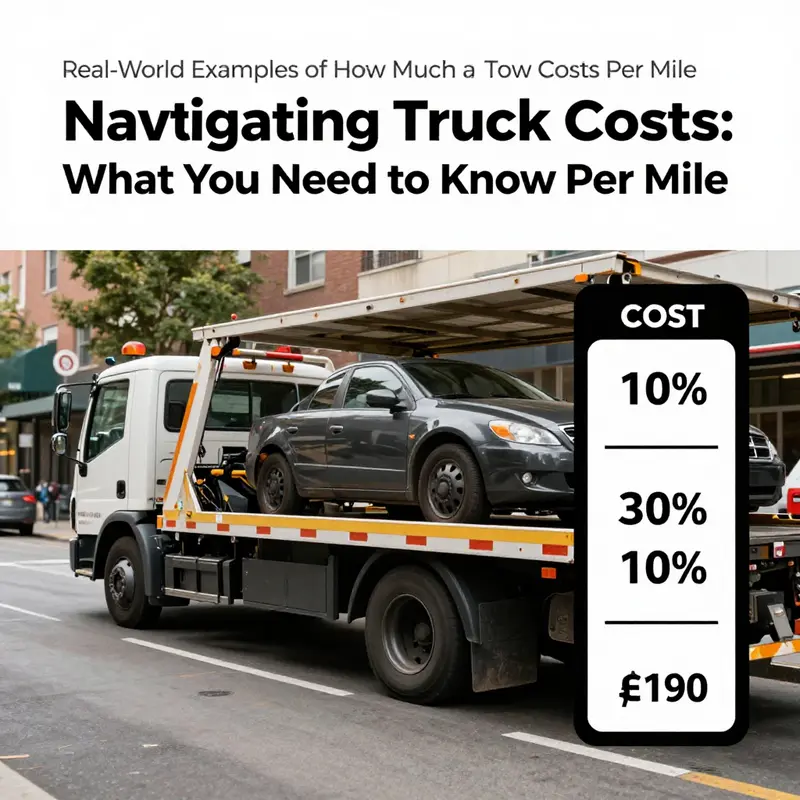
When you need a tow, the first question that comes to mind is often how much it will cost per mile. But the answer isn’t a single number you can memorize. Towing costs arrive as a small, fixed opening fee and a variable charge that accrues with every mile you’re towed. The per-mile figure typically falls in a broad range—from roughly $2.50 to $7 per mile—yet that range expands or contracts depending on a blend of practical realities and pricing practices that can feel opaque to the uninitiated. In practice, most services start with a base fee to cover the hookup and initial labor, then add a per-mile rate for the distance driven. Those two components—base and mileage—are the spine of the invoice, but the bones are surrounded by connective tissue: location, vehicle type, time of day, and the specific pricing model the company uses. Understanding how these elements interlock helps you read a quote accurately and spot when a price is fair or when a fee is out of step with industry norms.
Different pricing models exist, and that variance matters just as much as the miles you need. Some outfits rely on a straightforward, flat per-mile rate, which can be simpler to calculate and compare if you know the distance in advance. Others favor a base or hook-up fee plus a variable mileage charge, which can feel less predictable if you’re not prepared for how the distance brackets are structured. A common approach is to bundle the cost into distance tiers, such as 0–10 miles, 10–25 miles, and so on. Each tier can carry its own per-mile rate, which means two tows of the same distance could end up with different final bills depending on the tier in which the distance falls. This tiered logic often makes sense in the field, reflecting the distinct costs of dispatching a crew, mobilizing specialized equipment, and managing longer wait times or more fuel burn for longer hauls. The practical upshot is this: the exact per-mile rate isn’t the only thing that matters; the road you take, the distance you cover, and the way the company prices that distance can change your total by a surprising amount.
To ground this in everyday experience, consider a short tow of about five miles. The simplest, most common picture is a base fee in the neighborhood of $75 to $125, with the remaining money tied to the miles traveled after that initial distance. If you’re towed five miles, you’ll often pay the base hookup and then a per-mile rate for the distance accrued, which might push the total to the lower end of the spectrum. When you extend the trip to roughly fifty miles, the math shifts. A fifty-mile tow can push the bill well beyond the $300 mark, driven by higher fuel consumption, the wear and tear on specialized equipment, and the additional labor hours required to secure and transport the vehicle safely. Cases like these illustrate why the same tiered framework that makes sense in a shop or dispatch center can feel opaque when you’re sitting in the driver’s seat with a fender-bender or a breakdown calling you to action.
The price you ultimately pay hinges on a handful of well-established factors that a seasoned dispatcher weighs with routine care, even if the consumer doesn’t always hear the full calculus. Location is the first and perhaps the most influential. Rural areas, paradoxically, can carry higher charges for longer distances because the tow trucks, repair shops, and impound lots aren’t as clustered, so crews spend more time on the road and travel farther to reach a destination. Urban settings, by contrast, tend to shorten the distance but can compound the cost with higher hourly rates, heavier congestion, and the added pressure of rapid dispatch. The interplay between distance and geography often means a short urban tow may arrive with a higher hourly rate while a longer rural tow accumulates more miles but spreads cost over a longer drive with potentially less intense traffic. In either case, the density of services and the cost of operation in the area shape the per-mile number you see on the bill.
Vehicle weight and type form a second, powerful determinant. A compact sedan requires less in the way of equipment, fuel, and crew labor than a full-size pickup, a heavy-duty commercial van, or a larger luxury SUV. Heavier vehicles demand a heavier-duty tow rig, winching gear with greater pull capacity, and more careful rigging and strapwork to safeguard the vehicle during transport. All of that translates into higher fuel burn, more setup time, and increased wear on the equipment, which the towing company passes along to the customer through higher charges. The infrastructure behind the tow—whether it’s a simple wheel lift or a full bed and crane configuration—matters for both safety and cost. In other words, the same mile you travel is not costing the same if you tow a compact car versus a heavy-duty truck; the marginal cost of that mile is higher when the vehicle is larger and heavier, and the service crew must apply more specialized knowledge and tools to keep the car stable and secure.
Then there is the model of pricing itself. Some operators advertise a hook-and-roll approach: a fixed hookup fee to secure the vehicle plus a per-mile rate for every mile towed. Others lean into distance brackets, with a different per-mile figure for each bracket. This isn’t just a mathematical curiosity; it reflects the reality of the road and the dispatcher’s planning. For instance, a company might charge 0–10 miles at one rate, 10–25 at a higher rate, and 25–50 at an even higher rate. When the tow exceeds 50 miles, the rate may shift again or a fuel surcharge could be added to account for longer travel times and greater fuel consumption. While the per-mile price itself is a straightforward multiplication, the bracketed structure introduces nonlinearity that can surprise unprepared customers who only see a single per-mile number in the quote. The upshot is that the same mile can carry a different weight in the final invoice depending on how the distance is categorized in the pricing plan.
Time of day introduces a final, hard-to-ignore layer of variability. Emergency tows, after-hours calls, and late-night dispatches typically come with a premium tied to labor costs, the need for risk management, and the urgency of service. A night-time call may incur a higher hook-up fee or a higher per-mile rate simply because staff availability, safety considerations, and the opportunity cost of delaying a repair are factored into the price. It is not uncommon to see a modest premium at night in exchange for the rapid service that a stranded driver relies on. These late-hour surcharges are a reminder that, in towing, speed and reliability carry tangible financial consequences, and those consequences ripple through the bill in predictable but sometimes surprising ways.
Another practical reality behind the numbers is the potential for add-ons that accompany the core mileage charge. A straightforward tow can spiral into a more complex engagement when the vehicle is stuck in a precarious location, when it requires winching from a ditch, when the tow involves a blocked road, or when the driver must wait for a long period at the site due to traffic, weather, or other delays. Add-ons like winching, weekend or holiday surcharges, storage fees if the car needs to be held at an impound lot, or a waiting time fee can escalate the total quickly. In emergencies, a motorist may also encounter fuel surcharges if fuel prices have spiked since the trip was priced, or a dispatch fee if the company has to call a second crew to handle the job safely. The moral is straightforward: ask for a detailed estimate before service begins. A breakdown that lists the hookup, the per-mile miles, any distance brackets, and all potential add-ons makes it possible to plan, compare, and decide with confidence rather than with a fog of guesswork.
To bring this into a more tangible frame, imagine two hypothetical quotes that reflect the everyday realities of these pricing dynamics. The first is a short five-mile tow where the dispatch notes a base hookup of $70 and a per-mile rate of $3.00 for the distance that follows. If the distance beyond hookup is modest, the total might settle around $85 to $105, depending on exactly where the miles fall within the bracket. The second scenario involves a heavier vehicle, say a mid-size van, traveling fifty miles to the nearest repair facility. The plan here begins with a higher hookup fee, perhaps around $90, paired with a per-mile rate in the $4 to $5 range. In many pricing models, that fifty-mile segment might qualify for a higher bracket, and if the distance crosses into a new tier, the per-mile rate climbs accordingly. Add to this the likelihood of a fuel surcharge and a possible wait-time fee if the driver must stay on scene for the safe positioning or the traffic conditions, and the final bill can approach or exceed the $300 mark, sometimes noticeably more when road conditions are challenging or when special equipment is required for a difficult extraction. These two scenarios illustrate how mile-by-mile costs are not only a matter of arithmetic but a reflection of the practical constraints of the job and the business realities of the operator.
The budgeting mindset that accompanies these realities is crucial in an emergency. Clear communication with the dispatcher about the location, the vehicle type, and any known hazards helps the operator provide a more accurate preliminary estimate. It is equally important for consumers to request a written estimate that breaks out the base fee, the per-mile charges, and any add-ons or surcharges. This transparency is not merely procedural; it is the shield against unexpected charges when the tow is complete. A detailed estimate also gives you a basis for comparing quotes from different providers. If you receive two or more estimates with the same distance but different base fees or bracket structures, those disparities often reflect differences in the pricing model rather than a difference in the actual work needed. In other words, the price you see is a portrait of how the particular company calculates cost, not a fixed law of nature.
For readers seeking further practical guidance, our deeper dive into the topic is complemented by industry-focused discussions available through our ongoing resources. For more practical insights and context, visit the Santa Maria Tow Truck Blog, which regularly explores the realities of towing pricing and service expectations. It offers a readable lens on how to interpret quotes, what questions to ask, and how to compare offers in a way that aligns with your actual needs on the road.
As you navigate a tow situation, keep in mind that the numbers you see are only part of the picture. The underlying complexity of pricing—combining base fees, mileage, vehicle specifics, location, time of day, and optional add-ons—reflects the real costs of mobilizing trained technicians, heavy equipment, and safe transport to a repair facility. When you understand the logic behind the mile, you’re better prepared to ask the right questions, request a transparent line-item estimate, and negotiate fairly without sacrificing the safety and reliability that a professional tow operation provides. The end result is not merely a lower number on a receipt but a fair, accountable transaction that recognizes the work that goes into moving a vehicle safely from one place to another.
In sum, the per-mile cost of a tow sits atop a foundation built from the base hookup fee, the chosen pricing model, the vehicle’s weight and type, and the timing of the call. The miles themselves carry different burdens depending on where you are and what you’re towing. A short, urban tow might weigh in differently than a longer rural haul. A compact car will ride at a different price point from a heavy-duty truck. A night-call will bend the cost just enough to reflect the urgency of the situation. All these factors converge into a final invoice that, when read carefully, reveals not only the distance traveled but the complexity and resource commitment behind a professional tow. By arming yourself with this understanding, you place yourself in a stronger position to forecast costs, compare options, and secure service that balances speed, safety, and value.
Internal resources can help further illuminate these dynamics. For readers seeking more detailed breakdowns or region-specific guidance, refer to Santa Maria Tow Truck Blog for deeper dives into industry practices and pricing considerations that shape everyday towing decisions.
External reading for broader context: understanding the full spectrum of tow-truck costs, including common surcharges and how they accumulate, can be found in reputable industry guides. For a comprehensive overview, see the external resource that discusses typical pricing structures and ranges you might encounter in real-world scenarios: https://www.roadside.com/tow-truck-costs/.
Final thoughts
Understanding how much a tow truck costs per mile is not just about saving money; it’s about being prepared for unexpected situations. By familiarizing yourself with the pricing structures, factors affecting the costs, regional comparisons, and real-world examples, you’ll be empowered to make informed decisions. Whether you’re a car owner needing immediate assistance, a dealership coordinating vehicle transport, or a property manager ensuring compliance, knowledge is your best tool in these scenarios.