
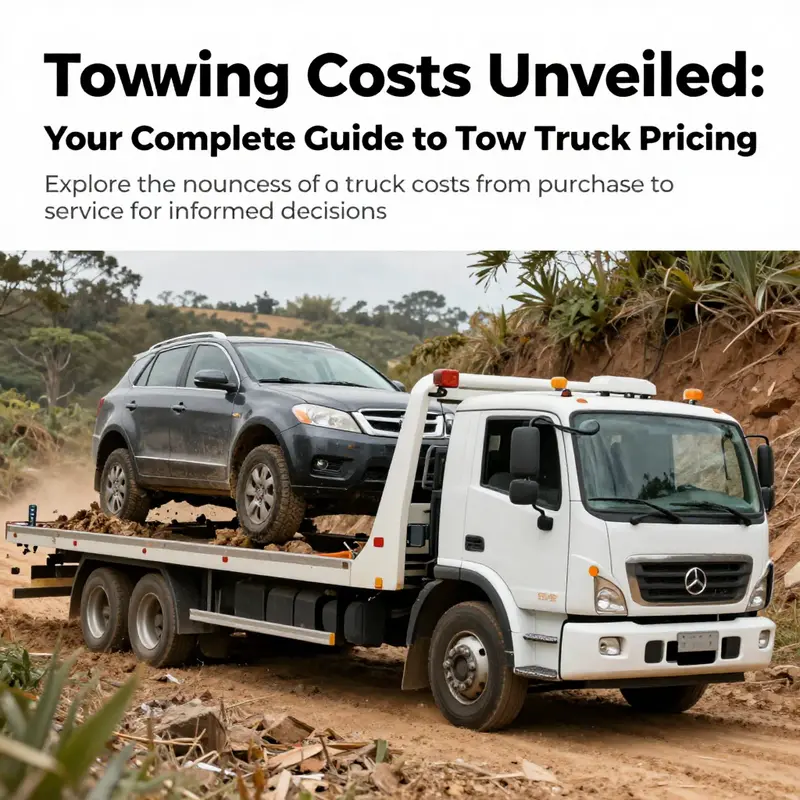
Navigating the world of towing services can often feel daunting for local drivers, auto repair shops, dealerships, property managers, and homeowners’ associations. Understanding how price variations develop for tow trucks and towing services is crucial for making informed decisions, whether you’re considering purchasing a truck for your business or just looking for reliable service when your vehicle breaks down. This guide will break down the costs involved, featuring the purchase prices of new tow trucks, additional ownership costs, and consumer towing service pricing, equipping you with the insights necessary to make educated choices.
null
null
Beyond the Sticker Price: Hidden Costs That Shape Tow Truck Ownership
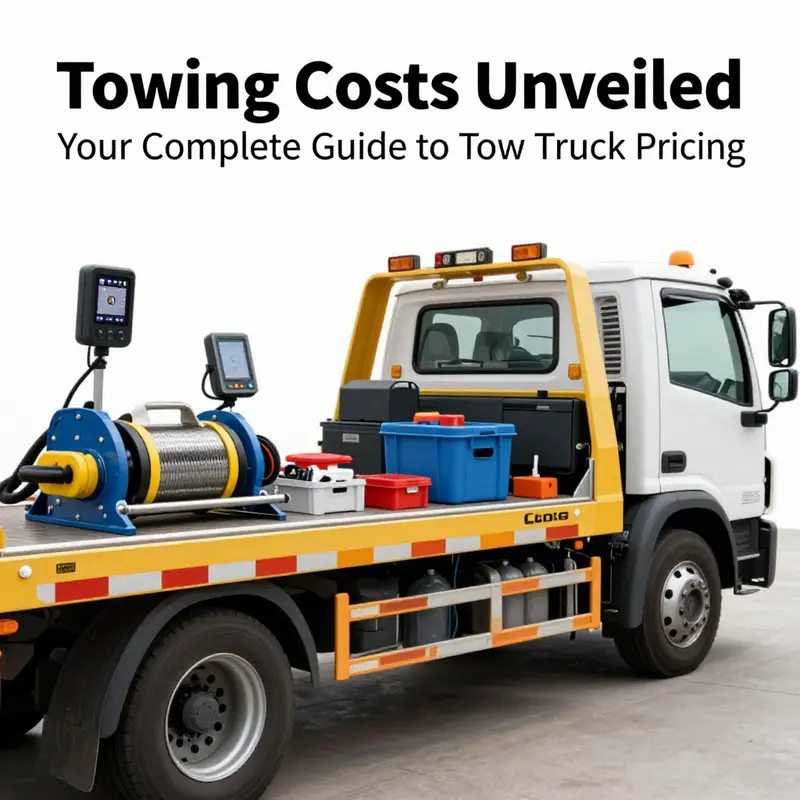
Understanding the full cost of owning a tow truck means looking past the purchase price. A truck’s sticker can be only the first chapter of a long financial story. Maintenance, insurance, fuel, training, equipment, technology, downtime, and regulatory compliance all add recurring costs that change cash flow, profitability, and operational planning. This chapter walks through those ongoing expenses and shows how each one interacts with the others, so prospective owners and fleet managers can budget realistically and make choices that protect margins and reduce surprises.
Owning a tow truck is a business decision as much as a vehicle purchase. The initial price establishes a baseline, but the real budget is written in the line items that follow each month and year. For example, a basic flatbed may cost less to buy than a rotator, but a rotator’s specialized capability can command higher revenue when deployed to complex recoveries. Conversely, a low-cost truck that needs frequent repairs will quickly erode any short-term savings. Expect maintenance and repair to be a primary ongoing expense. Tow trucks work in harsh conditions and they work hard: strain on drivetrains, repeated winch operation, heavy braking, and frequent low-speed maneuvers all accelerate wear. Regular, scheduled servicing reduces the risk of sudden breakdowns and expensive emergency repairs. Tires wear faster under heavy loads, so recurring replacement cycles are normal. Brake systems on tow trucks also require frequent attention because stopping mass that includes another vehicle stresses pads, rotors, and hydraulics. Winches, wheel lifts, dollies, and hydraulic systems need periodic inspection, lubrication, and part replacement. Ignoring these items increases liability and downtime.
Maintenance costs vary by truck type and usage patterns. A light flatbed used for short city runs will cost less per mile to keep roadworthy than a heavy-duty wrecker that responds to interstate rollovers. However, even flatbeds demand precise care: bed hydraulics and rollback mechanisms require training to operate and to maintain, and poor operator technique can accelerate repairs. For owners, two practical approaches control maintenance expense: disciplined preventive maintenance schedules and a parts inventory strategy that balances cost with availability. Leasing programs and extended warranty packages are another option; they shift some repair risk to a third party but come at a premium. Whether to self-service, contract with a local shop, or choose manufacturer-backed maintenance depends on fleet size, geographic reach, and cash-flow preferences.
Insurance is the second major ongoing cost and often the most volatile. Tow trucks face higher insurance premiums than standard commercial vehicles. Reasons are straightforward: tow operations involve towing and loading other vehicles, roadside work near traffic, and recovery of damaged or unsecured vehicles. These exposures raise liability risk and claims frequency. Insurers price policies not just on vehicle value, but on use-case. Roadside assistance and short local tows differ from heavy recovery and long-distance transport. Accident recovery, winching, and working in high-traffic corridors push premiums upward. Older or modified trucks may also attract higher rates or even limited coverage options, as certain carriers restrict policies for high-risk configurations. In some markets, specialized endorsements are required for equipment like rotators and heavy wreckers. Deductible levels, claims history, and driver records further influence costs. For buyers, the practical step is to obtain multiple quotes early. Bundling vehicle, garage keepers, and general liability can reduce total premiums. Maintaining tight safety programs, documented inspections, and driver training also helps reduce rates over time by lowering loss experience.
Fuel is a persistent operational drain, especially for larger units. Tow trucks consume substantially more fuel than a typical delivery van. Fuel economy depends on vehicle weight, engine size, load, and idle time. Heavy-duty wreckers and rotators consume far more diesel than a light flatbed. Urban stop-and-go towing, long-distance transport, and extended idling during recoveries magnify consumption. Fuel budgets must account for real-world conditions, not manufacturer-claimed numbers. Costs can be planned by tracking fuel usage per truck and per shift, and by implementing fueling controls. Telematics and fuel cards provide visibility and limit unauthorized purchases. Route planning and dispatch discipline cut unnecessary mileage. Another consideration is the added electrical load from lights, winches, and communications gear. Those systems slightly affect fuel burn and increase alternator and battery wear.
Equipment and accessory costs present a mixed bag: essential for service quality, and variable by the scope of operations. A basic service truck needs winch cables, hooks, straps, chains, wheel lifts, dollies, and basic safety gear like cones and reflective vests. For accident recovery or heavy towing, add lifting shackles, cribbing gear, heavier-duty chains, and specialized rigging hardware. Rotators and heavy wreckers require massive anchors and stabilizers, which need inspection and occasional replacement. Dollies and auxiliary trailers add startup cost but increase revenue options. Safety equipment and scene management tools are not optional—regulators and insurers expect their presence. A pragmatic purchasing strategy distinguishes between mandatory tools and convenience items. Buying quality for high-stress components, like winches and straps, reduces failure risk. Cheap rigging is a false economy: the cost of a failed strap in a busy recovery is far higher than the price saved on purchase.
Technology and fleet management systems increasingly play a central role in cost control and revenue optimization. GPS tracking, dispatch software, and integrated communication systems improve response time and utilization rates. Fleet management platforms track preventive maintenance, fuel usage, and driver behavior. Investments in software and hardware pay off through reduced idle time, lower collision rates, and better customer service. However, these systems carry upfront subscription fees and ongoing hardware maintenance. Integration with billing systems expedites invoicing and reduces disputes. For small operators, simpler solutions may be adequate, while larger fleets benefit from sophisticated telematics that analyze utilization and suggest route optimizations. The right technology choice depends on scale, service mix, and the desired level of automation.
Training and certification are direct drivers of safety and long-term costs. Tow truck operators must learn vehicle loading, winch operation, load securement, and scene safety. Poor technique can damage customers’ vehicles, raise liability, and increase maintenance expense. Some recovery environments require specialized certifications for heavy lifts and rotator operation. Training programs cost money and time, but they reduce accidents, improve customer satisfaction, and lower insurance claims. Operators should be trained not only in equipment use but also in traffic management, hazard recognition, and first response best practices. Many operators obtain recertification periodically to stay current with regulations and equipment changes.
Regulatory compliance and permits add another layer of ongoing expense. Tow operators often need local business licenses, special endorsements, and permits to work in certain jurisdictions. Some regions require registration for heavy equipment or limit operations near highways without additional signage and traffic control. Compliance also extends to environmental requirements: handling fluids from wrecked vehicles, waste disposal, and spill containment may incur costs and require reporting. Noncompliance risks fines and operational interruptions that cost more than preventive investment.
Downtime and opportunity cost are frequently overlooked but relevant. A truck out of service for repairs or waiting for parts means lost revenue. For single-truck operators, downtime can be catastrophic. Effective parts sourcing, preventive maintenance, and backup plans help. Many operators budget a contingency fund equivalent to several weeks of operating expense to cover unexpected downtime. For fleets, cross-utilization and mobile maintenance reduce the revenue impact of a single truck’s absence.
Depreciation and replacement planning should be part of long-term cost projections. Tow trucks depreciate based on usage and equipment type. Heavy-duty wreckers used in severe recoveries depreciate faster than light service trucks. Planning for eventual replacement ensures capital is available when the truck’s maintenance curve begins to climb steeply. Some owners prefer leasing to keep replacement risk off the balance sheet; others buy and rotate vehicles on a fixed schedule to manage maintenance surprise.
Operational tactics can help manage these costs. Standardizing fleets reduces parts inventory, simplifies training, and improves bulk-purchase pricing. A unified fleet strategy allows predictable maintenance processes and lowers the per-unit cost of parts and labor. If standardization aligns with emergency readiness needs, the payoff is faster deployment and lower downtime. For a detailed look at how fleet standardization supports emergency operations, consider reviewing this resource on fleet standardization and emergency readiness: https://santamariatowtruck.com/fleet-standardization-emergency-readiness/.
Budgeting for ownership also means setting realistic revenue expectations. Some services command premium rates—heavy recoveries, winch-outs in precarious locations, and rotator-assisted lifts. Others are commodity tows with thin margins. Matching truck capability to market demand is critical. A fleet composed solely of heavy wreckers in an area with few heavy vehicle incidents will see low utilization and long payback periods. Conversely, a mixed fleet allows matching job to truck and maximizes revenue opportunities.
Finally, consider strategies to reduce total cost of ownership. Invest in operator training to reduce accidents and claims. Implement preventive maintenance to extend major component life and reduce emergency repairs. Use telematics to cut fuel and improve dispatch efficiency. Negotiate insurance annually and shop specialty carriers that understand tow operations. Build a parts supply chain that balances cost and lead time. Evaluate financing options—low-interest loans or lease packages may smooth cash flow. And measure everything: track cost per tow, maintenance cost per mile, and downtime metrics. Data turns anecdote into strategy and helps pinpoint where money is lost.
Ownership of a tow truck is a layered commitment. Purchase price is only one variable. Maintenance schedules, insurance premiums, fuel burn, equipment life, training investments, technology, regulatory compliance, and downtime all affect monthly and annual budgets. Smart buyers plan for these costs from day one, using a combination of preventive maintenance, operator training, technological controls, and thoughtful fleet design to protect margins. When these elements are managed together, owners can reduce surprises, improve service reliability, and make informed growth decisions.
For a vendor perspective and current market reference on heavy-duty truck configurations and pricing, see this supplier listing that illustrates the upper range of heavy wrecker types: https://www.alibaba.com/product-detail/Sinotruk-Cnhtc-Wrecker-Tow-Truck-8X4-50t_1600537688229.html?spm=a2700.189042.0.0
With these cost drivers in view, prospective owners can build a full financial model that forecasts cash flow, determines pricing strategies, and identifies the break-even point. The numbers then guide decisions about which truck types to buy, whether to lease or own, and how aggressively to invest in training and technology. That financial clarity separates reactive operators from profitable businesses.
Behind the Tow: Decoding the Real Costs of Consumer Towing Services
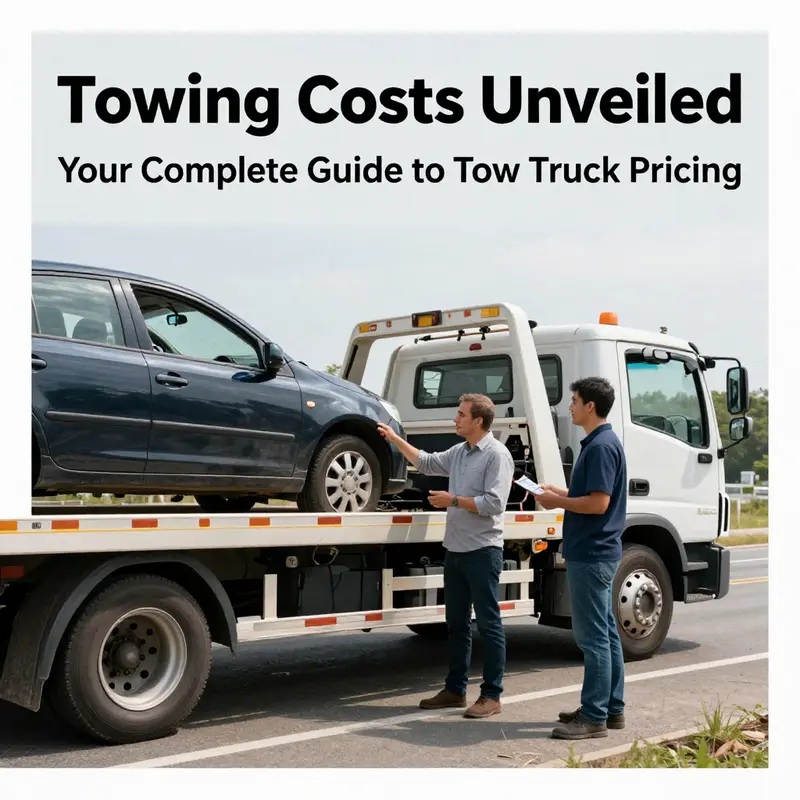
When a breakdown or a car issue leaves you stranded, a tow is not just a service but a lifeline. Yet the bill that arrives after the tow can feel like a moving target. Understanding what goes into the price of a consumer towing service helps you avoid sticker shock and ensures you’re getting the right level of help for the moment. At its core, towing costs hinge on a few core elements: the base hook-up or dispatch fee, the distance towed, the vehicle’s size and weight, the time of day or urgency, and the complexity of access to the vehicle. Together, these factors shape a price range that can vary dramatically from one tow to the next. While some consumers want a single flat quote, the reality is more nuanced. A typical short tow—say five miles—often lands in the neighborhood of seventy-five dollars, a figure that many drivers can relate to when they’re stranded on a busy urban street or a dark rural road. Extend that distance to fifty miles, and the total can climb past three hundred dollars. These numbers aren’t random; they reflect a combination of service structure and the practical realities of towing a vehicle safely and efficiently. The industry tends to use either a flat hookup fee plus a per-mile rate or a tiered pricing model that changes as the distance increases. Either approach aims to cover the costs of mobilizing equipment, fuel, labor, and the specialized setup required to recover and transport a vehicle without causing further damage. This is not just about getting from point A to point B; it is about the time, care, and precision needed to protect your vehicle and other road users. In a practical sense, the hook-up fee covers the operator’s response, dispatch, and mobilization—the initial act of bringing the tow truck and crew to your location. The per-mile rate, on the other hand, compensates for fuel, wear and tear on a heavy-duty vehicle, and the crew’s time spent on the road and at the destination. When you’re calculating the total, you should view it as a two-part equation rather than a single line item. And there are additional layers that can tilt the total in unexpected directions. For instance, the type of vehicle being towed matters a lot. A small, light passenger car requires less heavy-duty equipment, less fuel, and typically a quicker hookup. A mid-sized SUV or a larger van involves more complex rigging and often a bigger, more fuel-thirsty tow truck. Large trucks or commercial vehicles may require specialized carriers and extra personnel, which adds to both the base fee and the per-mile charge. In numerical terms, recent data indicate that the average cost to tow a small car ranges from roughly one hundred fifty to three hundred dollars, depending on your location and the specifics of the tow. Mid-sized SUVs commonly fall in the three hundred to five hundred dollar range, while larger trucks or commercial vehicles can sit between five hundred and a thousand dollars, or more, especially if the tow involves a lengthy distance or a recovery scenario that adds risk or complexity. These figures are not universal, but they offer a practical frame of reference for planning and decision-making when you’re in a pinch. Another factor that often impacts the bottom line is time of day and urgency. Towing services, like many other on-demand trades, adjust their pricing to reflect the realities of after-hours work. Nights, weekends, and holiday periods typically bring higher rates because crews must be ready to respond at odd hours, often with reduced availability and increased labor costs. Emergency situations, such as a disabled vehicle blocking a highway or a roadside hazard, can trigger surge pricing or rapid-response fees that push the total higher than a standard daytime tow. The geographic location where the tow takes place also plays a major role. Urban areas with high demand and higher living costs often feature higher hourly or per-mile rates than rural locales, where providers face longer travel times to reach a vehicle and may incur greater overall fuel and labor costs. Yet rural settings can also present unique challenges, such as longer distances to repair facilities or to impound lots, which can push costs upward in similar ways to urban centers. Even the easiest rescue can become more expensive when access is difficult. A tight alley, a vehicle on a steep incline, or a vehicle that’s partially obstructed by other cars or parking infrastructure can require specialized equipment or additional personnel to navigate safely. Each of these access challenges translates into incremental costs that appear on the final bill as add-ons, mobilization charges, or an extended on-site time. If you’re trying to anticipate costs before you call, start with the basics: discuss the distance, the vehicle type, and any potential access challenges you anticipate. Ask specifically whether there is a base hookup fee and how the per-mile charge is calculated. Some companies use a “hook and roll” model, which charges a fixed amount to hook up the vehicle and then a separate rate per mile towed. Others use tiered pricing, where the per-mile rate changes once you pass certain distance thresholds. In either case, the more precise information you can provide to the dispatcher about your vehicle and location, the more accurate the estimate will be. It’s also vital to obtain a written quote that itemizes the base dispatch fee, the mileage, any after-hours or emergency surcharges, and any potential extra charges for winching, dollies, or extra manpower. The difference between a transparent quote and a vague estimate can be substantial, and it’s not unusual for a service to add incidental charges after the fact for reasons that could have been anticipated at the outset. The best practice for consumers is to insist on a detailed, final estimate before service begins. This is especially important if you’re far from repair facilities or if there are potential complications in getting your vehicle loaded safely. When you’re making a decision under stress, you might be tempted to choose the quickest option, even if the price tag seems higher than you expected. But a careful comparison can yield real savings. Check whether the quoted price includes all potential add-ons, and ask about any mileage caps or minimum charges that might apply if the vehicle is on-site only briefly. If you can, obtain quotes from more than one provider. While this adds a small step to the process, it can be worth it for peace of mind and fairness. The consumer experience is also shaped by the transparency and the way information is presented. A provider who is upfront about the costs without trying to mask or obscure fees typically demonstrates a higher level of trust and reliability. This is not just about avoiding a price that seems high; it’s about knowing what you’re paying for and why. In addition to the direct towing charges, there are ancillary costs to consider that are not always obvious at first glance. If the tow requires specialized equipment, such as winching or heavy-duty rigging, you’ll see line items that reflect that gear and the labor required to operate it safely. If the vehicle is to be delivered to an impound lot or to a repair facility, there may be a short-term storage or impound fee that is billed separately or added to the tow bill. For vehicle owners who foresee a potential need for roadside assistance on a frequent basis, some drivers explore membership or annual service plans that offer reduced call-out fees or more predictable pricing. However, the availability and value of such programs vary widely by region and provider, so it’s essential to read the fine print and compare with ordinary per-call pricing to determine whether a membership makes sense for your situation. The theme that emerges from this landscape is that the cost of a consumer tow is not a single, static number. It is a dynamic calculation driven by the realities of the moment—the distance involved, the vehicle’s demands, and the conditions of the roadside. Small changes in any one factor can swing the total by tens or hundreds of dollars. This is why practical guidance emphasizes upfront communication and clear expectations. When you’re on the phone with a dispatcher, communicate the exact location, the vehicle type, whether the vehicle is drivable, and any obstacles at the scene. If your vehicle is in a tricky spot, describe the access as best you can and ask whether the provider will need to bring additional equipment. If you’re in a location with notable traffic or a high risk of congestion, ask whether the dispatcher can provide an anticipated time of arrival. Real-world experience shows that the more you understand the framework of charges, the more likely you are to avoid unpleasant surprise fees. The consumer towing landscape is not simply an exercise in pulling a car from point A to point B. It is a service that blends logistics, safety, and human judgment in real time. The price you pay reflects not only the distance but the crew’s expertise in positioning a vehicle without incurring further damage, the careful handling of the vehicle during loading, the fuel and wear on the tow truck, and the coordination required to complete the job efficiently in potentially hazardous road conditions. For readers who want to explore this topic with an eye toward practical decision-making, consider how you would approach a tow in your own corner of the world. If you’re a driver who occasionally needs towing, think through your typical distances, vehicle types, and access scenarios. If you’re a business owner considering whether to expand a tow operation, you’ll need to model the cost structure from the ground up—starting with equipment costs, fuel burn rates, and crew hours. In the broader context of the industry, the economics of tow trucks themselves help shape consumer pricing as well. New tow trucks come in a spectrum of sizes and capabilities, with basic flatbed units typically priced within the low to mid tens of thousands for entry-level light-duty configurations, and more capable, heavy-duty setups rising into the tens of thousands or beyond. For example, a basic flatbed tow truck with a two-to-four-ton capacity might cost anywhere from roughly $12,800 to $39,800 per unit. These figures reflect a balance between affordability and reliability for light to medium-duty towing, including the standard equipment needed to move passenger cars and small trucks safely. For road recovery and heavier work, medium-duty wreckers and heavy-duty ropers enter a different price tier. A medium-duty wrecker with a capacity around 25 tons can cost in the range of $32,100 to $35,200. These units bring cranes or winches capable of lifting larger vehicles, and they are designed for more demanding recovery work on highways or at accident scenes. At the upper end of the spectrum, heavy-duty wreckers with 50-ton capacity can demand anywhere from $40,000 up to $70,000, depending on the brand, capabilities, and customization. The most sophisticated and expensive category is the advanced rotator tow truck, which features a 360-degree rotating boom and enhanced tilt capabilities for complex recoveries. Rotators can cost anywhere from $150,000 to $300,000 or more, reflecting their specialized engineering, safety features, and the premium placed on rapid, multi-directional lifting in difficult environments. For readers who are contemplating this path—investing in a tow fleet or adding rotators to meet high-demand scenarios—these numbers illustrate the scale of the financial commitment. They also underscore the trade-offs involved in ownership: higher upfront and ongoing costs, but potentially greater control over response times and service capabilities. Alongside the purchase price, there are ongoing ownership and operational costs to factor in. Equipment such as winches, wheel lifts, dollies, and a full complement of safety gear add to the initial investment and require regular maintenance. Technology like GPS tracking, fleet management software, and reliable communications systems become essential as a business scales. Maintenance and fuel for larger vehicles are nontrivial, and training becomes a key ongoing expense as operators handle more complex terrain, heavier loads, and more technically demanding recoveries. For consumers who never intend to own a tow truck, these figures matter mostly as context. They help explain why towing services operate with the pricing structures they do and why some scenarios are more expensive than others. They also highlight that a well-run tow operation balances equipment costs with efficient dispatch, skilled drivers, and safety that protects both the operator and the customer. The next time you find yourself weighing a tow option, you can bring this holistic view with you. You’ll be equipped to ask targeted questions, compare quotes with greater discernment, and recognize the real value behind the price. It is not only about moving a vehicle from one spot to another; it is about the combination of timely response, professional handling, and the assurances that your car will be treated with care. For readers who want to explore practical ways to plan for this kind of expense—whether you are an individual driver or someone who might need to budget for a potential roadside requirement—a few concrete steps can help. First, when you call for a tow, request a detailed written estimate that includes the base dispatch or hookup fee, the per-mile charge, the estimated total miles, and any surcharges for after-hours service or emergency response. Second, ask whether the price includes any expected add-ons, such as winching, additional equipment, or labor for difficult loading. If the answer is uncertain, insist on a separate line item for those potential extras. Third, clarify whether the provider imposes a minimum charge that applies even if the vehicle is loaded quickly, or if there is a distance cap beyond which mileage costs continue to accrue in a predictable way. Fourth, consider your regional context. Prices vary by urban, suburban, and rural settings; a quote obtained in one city may not reflect the realities you would face in another. If you are comparing multiple providers, ensure you’re using the same baseline information so that the quotes are truly equivalent. And finally, make sure you understand what happens if the vehicle cannot be loaded immediately. Some services will tow the vehicle to a secure location or hook it up to a carrier for later transport, and those decisions can introduce additional storage or staging fees that you’ll want to factor into your planning. The consumer experience of towing is, in effect, a blend of logistical precision and financial transparency. The better the communication between customer and dispatcher, the more likely you are to arrive at a fair price that reflects the actual complexity of the job. If you want to dive deeper into how these dynamics play out on the ground, industry resources and blog discussions offer ongoing real-world examples and guidelines. For instance, practical industry discussions and updates can be found at a general tow truck blog hub, which often covers topics ranging from dispatch practices and safety standards to fleet readiness and emergency preparedness. This kind of resource can provide additional context about how these costs are managed within professional operations and what customers can expect in specific regions or during special events. One practical takeaway is to treat the quote as a contract for the service you’re receiving, with all foreseeable variables listed and explained. If you’re stranded in the dark on a highway, the goal is to arrive at a price that reflects the necessary work, the safety of the operation, and the timely delivery of you and your vehicle to a repair facility or a safe location. It is not an abstract figure but a concrete outcome of how well the tow operator can perform under the circumstances presented. To keep this discussion grounded in accessible realities, consider a few concrete scenarios. A short, five-mile tow for a compact car on a busy city street might be a straightforward job with a base fee and a modest per-mile charge. A longer distance tow, say fifty miles, could involve not just fuel and time but also potential congestion, tolls, or routing considerations that influence the final amount. If the towed vehicle weighs more—such as a mid-sized SUV or a light commercial van—the equipment and crew become more specialized, increasing both the base charge and the per-mile rate. And in cases where a road recovery is required, a professional operator may need to coordinate with additional personnel and equipment to safely extract the vehicle, which adds to the cost but may be necessary to avoid further damage. The economic picture of tow services is ultimately shaped by the balance between responsiveness, safety, and reliability. Consumers who approach this service with an informed mindset are better positioned to navigate the pricing landscape and secure the assistance they need without paying for services they don’t require. For readers seeking to expand their understanding beyond the immediate consumer experience, it can be helpful to look at how the industry scales its equipment and services. New tow trucks come in a wide range of configurations, from basic flatbeds to highly specialized rotators. The price differentials between these configurations illustrate the investment required to provide different kinds of service. The basic flatbed, suitable for light to medium-duty towing, demonstrates how straightforward equipment can still command a substantial investment. Medium-duty wreckers and heavy-duty rotators illustrate the escalated costs associated with higher performance capabilities, the ability to recover larger vehicles, and the pressure to operate in demanding environments with higher safety standards. Together, these considerations explain why the consumer experience of towing costs feels fluid and sometimes unpredictable. Yet with proactive planning, clear communication, and a careful comparison of quotes, you can navigate the system more effectively. The final takeaway is that understanding the price model behind towing services empowers you as a consumer to make informed choices rather than feeling at the mercy of a single provider’s pricing philosophy. It also provides a broader lens on how the industry as a whole evolves—from the equipment that fleets invest in to the standards of safety and efficiency that define the quality of service you receive. If you want to explore more deeply the broader context of towing, fleet management, and readiness in real-world operations, you can consult industry discussions and resources that address these issues across different regions and scenarios. For readers who want a broader, consumer-focused reference, a detailed overview of how much towing typically costs can be found in external research that compiles current pricing and practical guidance. External reference: https://www.usnews.com/education/best-colleges/articles/how-much-does-it-cost-to-tow-a-car
Final thoughts
Understanding the multifaceted costs associated with tow trucks—both for purchase and service—enables you to make informed decisions that suit your specific needs. From new tow truck prices to additional ownership expenses and consumer service charges, knowledge of these factors can save you money in the long run, whether you manage a fleet or simply need assistance when you’re stuck. By examining the costs in detail, you empower yourself, ensuring you select the best towing options available.