
Purchasing a tow truck is a significant investment, whether you’re a local driver needing roadside assistance or a business owner in the automotive sector. Understanding the cost involved is crucial for making informed decisions. This guide provides a detailed analysis of the various pricing options for tow trucks, catering to the diverse needs of local drivers, auto repair shops, dealerships, and property managers. In the chapters ahead, you’ll discover the cost breakdown of new and used tow trucks, explore budget-friendly alternatives, and grasp how specific features impact pricing. Join us as we navigate this essential investment for your vehicle and business needs.
Prices at the Wheel: A Comprehensive Look at New Tow Truck Costs and What They Mean for Your Fleet
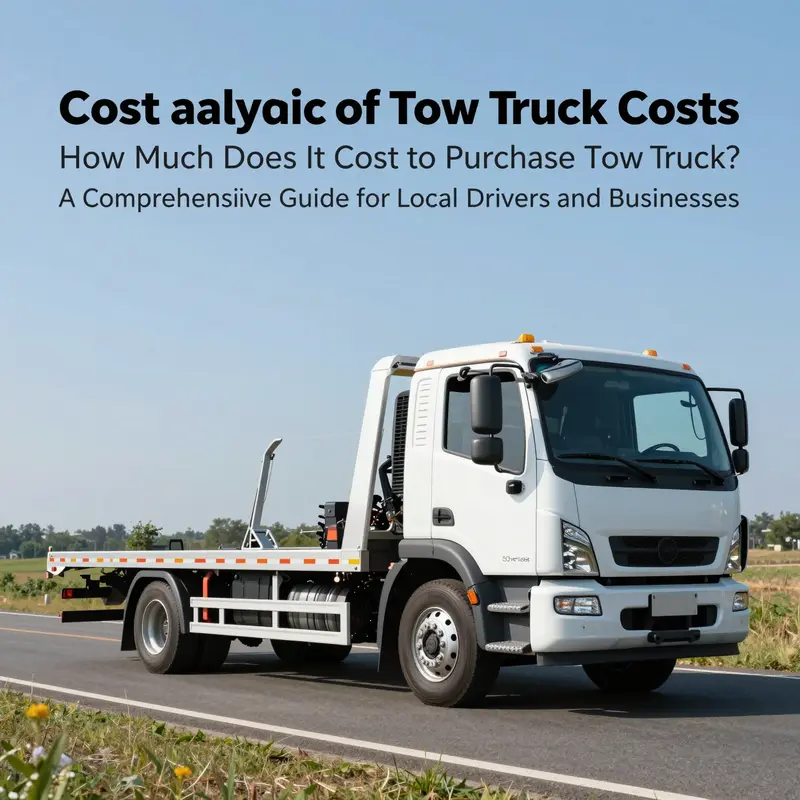
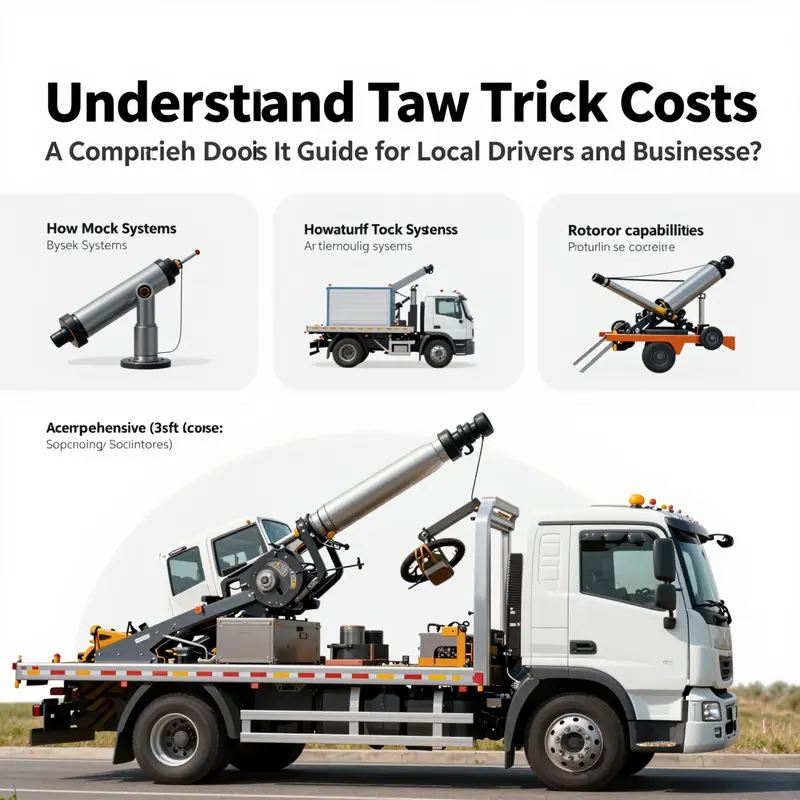
The price of a new tow truck is not a single line in a spreadsheet; it is the visible edge of a long, intricate iceberg that sits beneath about how a fleet moves and serves customers. As of 2026, the market for new tow trucks presents a broad spectrum: from practical, budget-conscious flatbeds to highly specialized rotators designed for complex recoveries and emergency response. The cost span—from roughly mid-60,000 dollars to well beyond 300,000—reflects not just the basic vehicle chassis, but the engineering that makes a tow truck a capable instrument of recovery, safety, and rapid service. For anyone weighing the purchase of new equipment, the key is to read the price in the context of use: the type of job you intend to tackle, the frequency of use, and the environment in which the truck will operate. A careful alignment of these factors tends to yield a purchase that pays for itself over a predictable life cycle, even as it reshapes the way a fleet meets its obligations to customers and to safety standards.
Flatbed tow trucks, the workhorses of most fleets, illustrate the first major price tier. A hydraulically operated, tilting bed that allows for safe vehicle transport without ground contact remains the bedrock feature for many operations. In today’s market, a new flatbed typically lands somewhere in the $65,000 to $90,000 neighborhood, with the exact figure depending on bed length, lifting capacity, and the complexity of the hydraulic system. The logic is straightforward: longer beds and higher payloads demand sturdier frames, more robust hydraulics, and stronger stabilization, all of which push price upward. Flatbeds are favored for their versatility. They handle all sorts of vehicles—from compact cars to larger light trucks—and they function well in fleets that perform dealership transports, fleet recoveries, or routine roadside assistance. They also tend to offer relatively predictable maintenance costs compared with more specialized units, which makes them appealing for operations that emphasize reliability and consistent service levels. Still, even within the flatbed category, there is variation driven by chassis compatibility, bed options, and the integration of accessories like wheel-lift systems, winches, and lighting packages. It’s worth noting that the lower end of the price spectrum can be reached with body-only configurations sourced from overseas suppliers, often advertised as budget flatbed options. These bodies typically require a full chassis integration and a longer lead time, and they may transfer some risk in terms of parts availability or warranty coverage. When a fleet explores these lower-cost paths, the total installed cost can climb as chassis, installation, electronics, and service agreements are added into the mix.
Beyond flatbeds, rotator tow trucks sit at the far end of the capability spectrum—and the price spectrum to match. A rotator is not simply a larger crane on wheels; it is a highly engineered recovery platform featuring a 360-degree rotating boom that can lift and reposition vehicles from awkward angles, overturns, or on terrain where conventional equipment cannot operate. The price tag for new rotators reflects their complexity and their mission-critical role in emergency response and difficult recoveries. New rotators start around $150,000 and can extend past $300,000 or more, particularly for heavy-duty units designed to perform in the most challenging environments. Those numbers correspond to specialized hydraulic systems, robust steel (or hybrid) chassis, advanced control electronics, and the safety redundancies essential for high-risk operations. The operational benefits of rotators are substantial: they can reduce scene time, increase the likelihood of safe vehicle recovery on unstable surfaces, and enable responders to reposition vehicles with precision when access is limited. Yet the price premium also signals the need for a commensurate investment in training, maintenance, and ongoing operator proficiency. Rotators demand a higher level of stewardship—more meticulous inspections, more frequent service intervals, and more elaborate calibration procedures—to maintain the integrity of the lift mechanisms and the safety of operators and bystanders alike.
Integrated boom trucks sit in the mid-range of the new-tow-truck market, bridging the gap between the broad utility of flatbeds and the specialized might of rotators. These units couple a hydraulic boom with a wheel-lift system, delivering an approach that excels in roadside assistance and light-to-mid-duty towing. For many operators, integrated boom trucks offer an attractive balance: they provide the flexibility to lift and reposition disabled vehicles with a degree of reach and control that flatbeds alone cannot achieve, without the full expense and complexity of a rotator. Prices for integrated-boom configurations tend to be substantially lower than rotators but higher than basic flatbeds, placing them in a comfortable mid-range zone that can still support a diverse workload. The ongoing costs associated with these units mirror their capabilities: reliable performance depends on a well-maintained hydraulic system, a robust powertrain, and dependable control interfaces that can stand up to the rigors of daily use. As with flatbeds, the exact price of an integrated boom model hinges on bed length, lifting capacity, hydraulic features, and the amount of wheel-lift or extra accessories included from the outset.
Used tow trucks represent a reality many operators consider when budgeting for fleet expansion or replacement. A used unit can deliver meaningful value when it aligns with clear use cases—typically, light-to-mid-duty operations or as a backup asset in a larger fleet. The pricing for used models can vary widely depending on age, mileage, maintenance history, and the condition of the lifting equipment and body. A representative scenario from recent market activity shows a pre-owned heavy-duty unit, with a diesel engine and thousands of miles, available in a mid-five-figure range. In practice, buyers find that a well-maintained used truck with a solid body and a proven, reliable hoist system can outperform a brand-new, under-spec alternative when immediate cash flow or a lower initial outlay is the priority. The appeal of used units lies in their potential to balance capability with affordability, especially for operators who perform regular roadside assistance, light recovery, and routine fleet support rather than high-intensity, high-risk recoveries.
Another path some buyers explore is the lower-cost, “body-only” approach. In the broader market, there are flatbed bodies available as low as the mid-six-figures when considering fully integrated, ready-to-mount systems, but there are examples of hydraulic platform or tilt-bed bodies offered at far lower price points—often quoted in the $6,000 to $8,000 range. It is important to emphasize that these figures frequently refer to the truck body alone, not a complete, road-ready tow truck. The chassis, installation, electronics integration, hydraulics, and regulatory requirements will add substantial cost, and depending on the intended use, this path may transfer more project-management risk to the operator. For some operators—particularly those who want to customize a fleet slowly, manage cash flow tightly, or pursue a phased upgrade—this can be a legitimate strategy. It necessitates careful planning around spare parts, warranty coverage, and post-purchase support to ensure uptime once the vehicle enters service.
The conversation about new-tow-truck pricing always returns to the broader economics of ownership. The initial sticker price is only the most visible portion of a much larger cost of ownership. Fleet buyers should account for fuel efficiency and maintenance costs, both of which are heavily influenced by the design and age of the unit. Rotators, with their powerful reach and heavy-duty components, typically consume more fuel under load and require more frequent inspections of hydraulic lines, boom segments, and control electronics. The maintenance footprint for rotators and integrated boom trucks tends to be broader than for flatbeds, given the greater number of moving parts and high-stress operating conditions. Operator training is another critical cost element. Higher-end models necessitate more sophisticated training regimes to ensure that drivers can execute complex lifts safely and respond to mechanical anomalies without risking injury or further damage to vehicles at the scene. The cost of this training should be considered an essential investment in safety and reliability, not merely a line item to be checked off.
Beyond the sticker price and the immediate cost of purchase, buyers must also consider financing strategies and tax implications. Some fleets prefer to pursue financing options that preserve upfront capital while spreading payments over a multi-year horizon. In many regions, depreciation rules and tax incentives can make the annual cost of ownership more favorable than a straight cash purchase. For a company evaluating five-, seven-, or ten-year replacement cycles, the annualized expense and the expected resale value at the end of the term can materially influence decision-making. A rotator’s higher initial cost can be offset by longer asset life, lower uptime risk, and the potential for revenue gains through faster scene management, but only if the utilization justifies that premium. Conversely, a flatbed or integrated boom unit may offer a quicker path to favorable cash flow for fleets that prioritize dependable routine service and moderate duty cycles. The bottom line is that the price landscape for new tow trucks is best understood as a total-cost-of-ownership conversation rather than a single purchase price conversation, with the note that the operating environment and service demands shape the true value of each option.
When buyers confront the decision, a productive approach is to map out the specific jobs the truck will perform and the environments in which it will operate. Urban streets, rural roads, or highway corridors each pose distinct challenges for loading, unloading, vehicle recovery, and safety. A city fleet that grapples with constant traffic, limited turning radii, and the need to minimize road closure time may benefit from a nimble flatbed with a compact footprint and efficient hydraulics. A highway-side recovery operation, by contrast, might be better served by a mid-range integrated boom that can handle a variety of vehicle types with speed and control, paired with a robust wheel-lift system. And in regions prone to severe weather or remote emergencies, a rotator can be a game-changer, provided the fleet possesses the technical capacity to operate and maintain such a system. The truth is that a one-size-fits-all answer does not exist; the cost to purchase is always a reflection of how the vehicle will be used, and how often it will be called to work.
For readers seeking a practical entry point that resonates with fleet management and standardization conversations, consider reviewing resources that focus on emergency-readiness planning and standardization in heavy-duty operations. These resources help translate the abstract notion of capability into concrete procurement decisions, as they stress the importance of consistent training, parts availability, and compatible interfaces across a fleet. A useful reference is the Fleet Standardization and Emergency Readiness guide, which provides frameworks for aligning equipment choices with response expectations and regulatory requirements. You can explore that resource here: Fleet Standardization and Emergency Readiness. (https://santamariatowtruck.com/fleet-standardization-emergency-readiness/)
As buyers move from theory to practice, the intent should be to arrive at a decision that aligns with service commitments and capital planning. The best approach is to quantify the expected annual usage, consider peak demand periods, and estimate the total hours the truck will operate within a year. This helps translate the sticker price into a meaningful unit-cost metric, such as cost per productive hour, which factors in fuel, depreciation, maintenance, and the likelihood of downtime. It also influences training budgets, spare parts inventories, and service contracts that can stabilize operating costs over the first several years of ownership. A well-planned purchase then supports not only the immediate needs of roadside assistance but also the longer-term objective of maintaining service penetration, reducing incident response times, and enhancing safety outcomes for drivers, passengers, and bystanders.
Finally, no chapter on price would be complete without acknowledging the broader market context in which these numbers exist. Costs are not static; they shift with supply chain dynamics, labor costs, and technological advances in hydraulics, electronics, and safety systems. The push toward smarter, more connected tow trucks means that even unit price can be influenced by features like improved telematics, fault-diagnostic capabilities, and safer lift controls. In a market that rewards reliability and fast, safe service, the price is a tool—one that, when chosen thoughtfully, helps build a fleet that can meet rising expectations without compromising safety or profitability. For readers who want a broader, comparative perspective on current pricing and specifications, a comprehensive external pricing overview is available at: https://www.towtruckworld.com/new-tow-truck-prices-2026
Cost, Condition, and Confidence: Navigating the Used Tow Truck Market
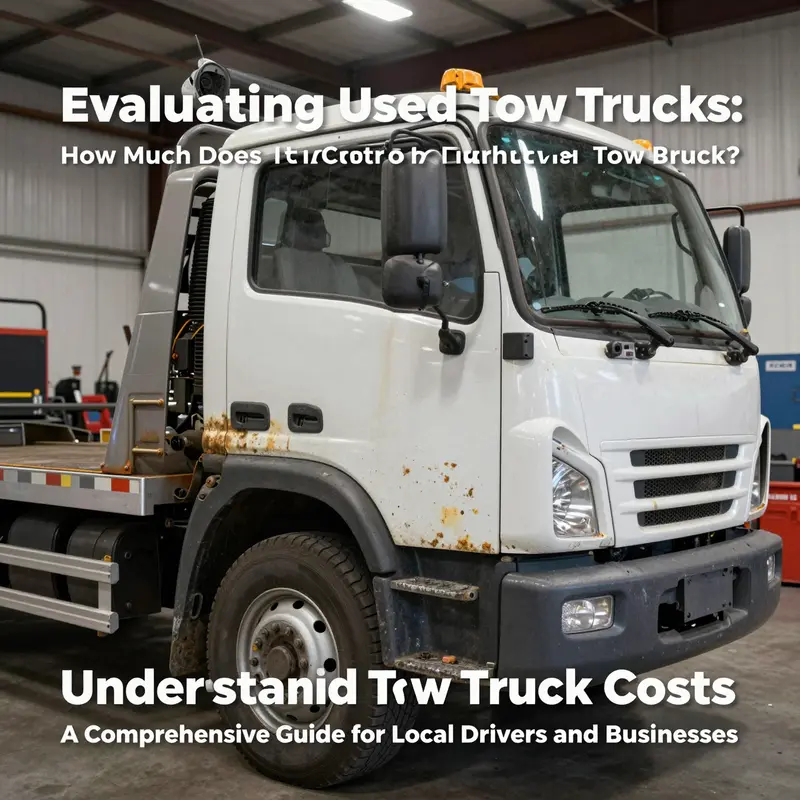
Choosing a used tow truck is as much about risk management as it is about price. The market for pre-owned heavy rescue equipment moves on a spectrum: some units arrive with a clean bill of health and robust maintenance histories, while others carry hidden wear from years of hard service. The price that shows up in online listings is only a starting point. To translate a sticker price into a reliable tool for daily operations, a buyer must weigh the truck’s age, mileage, mechanical condition, and the specific equipment it wears. In practical terms, the cost of a used tow truck sits on a broad plateau, with light-duty units often hovering in a lower band and highly specialized rotators commanding premium prices. Understanding where a particular candidate lands on that spectrum involves reading both the numbers and the story behind them, and it requires a disciplined approach to inspection, verification, and post-purchase budgeting.
At the heart of every used-tow-truck decision is the balance between capability and cost. Light-duty units, designed for urban road service and smaller vehicle recoveries, tend to be the most budget-friendly on the used market. Their prices usually fall in the mid-range, but that floor can rise or fall dramatically depending on factors like maintenance history, cosmetic condition, and whether any critical components—such as wheel-lift mechanisms, hydraulic pumps, or secondary winches—show signs of wear. In many cases, a well-maintained late-model light-duty truck with a proven service record delivers reliable day-to-day performance at an attractive price point. Medium- and heavy-duty used tow trucks, capable of handling larger vehicle recoveries or more demanding duty cycles, pull prices upward. They bring more substantial hydraulic systems, stronger chassis reinforcements, and often more complex electronics. Those attributes translate into higher purchase prices but can also reduce the risk of frequent repairs in the near term, assuming the unit has clear maintenance records and has been kept in service within its design limits.
Specialized function units add another layer to the calculus. Rotator tow trucks, with 360-degree rotating booms, epitomize capability but also introduce a premium on the used market. Their price is driven by the complexity of the hydraulic and control systems, the precision required for safe operation at angles and in confined spaces, and the limited pool of qualified technicians who can service them. The end result is a steeper upfront cost and potentially higher ongoing maintenance. For buyers who operate in environments that demand rapid, controlled positioning of disabled vehicles—such as accident scenes with awkward access—the rotator’s value can justify the price. For shops with a more modest workload, a non-rotating flatbed or a standard hook-and-chain configuration, when well maintained, often provides ample versatility at a far lower initial outlay.
Another telling factor is how the vehicle has aged and what it has carried along the way. An older unit with modest mileage may still be sound if it has received diligent preventive maintenance, while a newer-looking truck with high miles can be a ticking time bomb if the prior owner neglected the hydraulic system, frame integrity, or electrical harnesses. Age and mileage interact with service history in a way that is not always obvious from a single photograph. The most valuable used tow trucks are typically those with complete, verifiable service records that demonstrate regular inspections, timely repairs, and replacement of critical components before failures occur. These indicators matter almost more than the raw numbers on the odometer or the year of manufacture, because they speak directly to the likelihood of protracted downtime after the purchase.
The numbers in today’s market reflect these realities. Light-duty used tow trucks commonly land in the mid-range of pricing: a practical, urban-oriented vehicle with tasteful maintenance history might fall into the mid-tens of thousands to around sixty thousand dollars, depending on location, trim, and the presence of key attachments like a robust wheel-lift or a compact hydraulic system. For buyers who need to haul mid-size vehicles or perform more frequent roadside service, mid-range options generally sit between seventy thousand and one hundred fifty thousand dollars. This band often includes units with stronger hydraulics, reinforced frames, and longer service lives left in the system, provided the seller can show consistent maintenance and no major accident history. As the operations scale up toward large trucks, construction equipment, or heavy rescue work, the price can rise further. Specialty configurations with advanced stabilization features, heavier-duty booms, and integrated management systems can push used prices to or beyond the high end of the market, sometimes reaching well above one hundred fifty thousand dollars in the right conditions. While those figures set expectations, the wide variability remains clear: two trucks with similar exterior appearances can differ by tens of thousands of dollars once you factor in condition, equipment, and the quality of the service records behind them.
Even when a used unit appears to be a strong value, there are elements beyond the basic chassis and hydraulics that can dramatically affect total cost of ownership. A basic component-only body or chassis shell may offer a bargain price, but it is a project in disguise. A bare flatbed or a non-integrated carrier system can require substantial shop time and additional fabrications to become fully operational, and those add-ons may not be inexpensive. Conversely, a unit with a well-integrated body and a complete hydraulic package can save both time and money by reducing the amount of bespoke fabrication required after purchase. The spectrum of possibilities is why buyers often start by defining their minimum required capabilities—weight capacity, reach, recovery method, and stability—then map those requirements onto available used inventory to identify the best value within a given budget.
Part of evaluating value is accounting for the hidden costs that do not appear in the sticker price but appear in the line items of ownership. Insurance premiums may differ based on the truck’s age, the type of equipment installed, and the operator’s claims history. Licensing, annual inspections, and compliance with local safety regulations add another layer of ongoing cost. Storage and fuel consumption are practical considerations, especially for fleets that keep servers of spare parts and service tools in-house. The hydraulic system, which powers the boom, bed tilting, and winch, can be a major budget category if it requires overhaul or replacement. Likewise, the electrical system and control modules, which coordinate movement and safety interlocks, can become points of failure in older machines. The best-used trucks, therefore, are those with well-documented maintenance and robust components that can be trusted to perform in challenging conditions without demanding expensive, unscheduled repairs.
The market’s breadth means buyers must do more than compare price tags. They should also estimate the true cost of ownership over a typical service life. A careful calculation includes depreciation (how fast the asset loses value as it ages), insurance premiums, routine maintenance costs, anticipated major repairs, and the expected downtime while those repairs are completed. For a shop that values reliability and predictable budgeting, a used unit in the mid-to-upper end of the price spectrum—backed by a solid service history—may offer a more favorable total cost of ownership than a cheaper unit that yields more downtime or frequent repairs. The goal is not to chase the lowest upfront price, but to secure a dependable tool that will be available when a call comes in and can be dispatched with confidence rather than hesitation.
The decision process becomes even more pragmatic when considering the different operational environments in which these trucks work. Urban fleets, focused on quick, frequent calls and small vehicle recoveries, typically benefit from the nimbleness and cost-efficiency of lighter units. In contrast, regional or rural operations, with longer response times and the need to move larger vehicles or debris, may justify investing in a more capable, higher-priced used unit rather than a new entry in the same category. For those purchasing on a tight budget, there is still room to exercise choice and to optimize performance by prioritizing certain features. For instance, a robust hydraulic system and a mechanically sound frame may take precedence over exotic digital controls or intricate safety interlocks if the primary job is reliable towing and safe maneuvering in standard conditions. Awareness of this trade-off helps managers and operators set realistic expectations about what a used truck can and cannot do, given the constraints of the purchase price and ongoing costs.
In the end, the decision to buy a used tow truck rests on a coherent assessment of needs, budget, and the anticipated working life of the asset. Buyers are wise to articulate a few non-negotiables up front: the required payload capacity, the maximum length of the bed, the type of recovery mechanism, and the availability of spare parts and qualified service technicians in their area. With that foundation, the market becomes navigable rather than overwhelming. A prospective buyer can scan listings for trucks that meet these criteria, request maintenance histories, and arrange an in-depth inspection with a qualified technician who understands heavy-duty recovery equipment. This inspection should probe the engine and transmission health, the integrity of the chassis, the condition of the hydraulic pumps and cylinders, and the safety features that protect operators in the field. A test drive or controlled operation test, where permissible, can reveal issues with gears, hydraulics, or braking systems that only show up under load. Buyers should also verify the presence and condition of essential accessories, such as wheel-lift mechanisms, winches, booms, and any rotator capability if relevant to the unit under consideration.
Documentation matters as much as the metal beneath the paint. A well-documented history reduces the guesswork and raises confidence that the truck has been cared for consistently. A clean service log, recent inspections, and clear notes about any past repairs are indicators of a unit worth pursuing. Conversely, gaps in the record or vague maintenance notes should trigger a more cautious approach or a deeper inspection. The literature of the industry emphasizes this point: a used truck is only as good as its maintenance history, and a missing thread in that history can unravel a promising bargain when the first major component heads for failure.
For readers seeking practical budgeting guidance as they navigate the listings, a helpful step is to define a target range based on the truck’s intended use. If the plan is to handle urban, light-to-mid-duty towing, a budget in the middle of the market range often delivers the best balance between upfront price and long-term reliability. If the operation requires heavy-duty service or frequent, complex recoveries, then prioritizing a unit with full, verifiable maintenance records and a robust hydraulic package becomes more important than shaving dollars off the upfront price. In all cases, a pre-purchase inspection by a qualified technician who understands the unique demands of tow-truck equipment is indispensable. The investment in due diligence pays off in fewer surprises after the purchase, reduced downtime, and a clearer path to a predictable maintenance budget.
For readers who want a point of reference beyond the numbers and the narratives, there is value in connecting with resources that discuss budgeting and readiness in the broader context of fleet operations. For more context, see santamariatowtruck.com/blog/, where practical budgeting insights and readiness considerations are discussed in a way that complements the approach outlined here. This kind of resource can help align purchasing decisions with the broader goals of fleet standardization, emergency readiness, and consistent service levels across operations. The aim is not merely to acquire a truck, but to secure a tool that integrates smoothly into a fleet’s maintenance cadence and service strategy. When this alignment exists, the price tag of a used unit becomes a secondary question to the more important question of how effectively the truck will perform when called upon.
In closing, the used tow-truck market remains a viable option for many businesses, diversifying what is possible for coverage, response times, and emergency readiness without forcing a company to stretch beyond its budget. Prices for used units are a function of age, mileage, condition, and equipment, but they are also a function of the care with which a buyer approaches the purchase, the thoroughness of the inspection, and the realism of the cost forecast after ownership begins. A disciplined buyer who prioritizes maintenance history and real-world performance over cosmetic appeal can secure a dependable tool that serves the operation well for years to come. While the allure of a low price is strong, the true value lies in the combination of operational capability, reliability, and predictable maintenance costs—ingredients that together determine whether a used tow truck will be a steady workhorse or a source of ongoing headaches. That equation, once understood, makes the path to a sound investment much clearer and much more achievable.
External resource for further reading: https://www.buymore.com/used-tow-trucks
Budget-Savvy Tow Trucks: Navigating the Sub-$100K Market Without Sacrificing Reliability
Cost is often the first question when a shop owner or independent operator weighs the purchase of a tow truck. The allure of a new, feature-rich unit can be strong, but for many buyers the price tag simply doesn’t align with the operational reality. This chapter dives into the budget-friendly corner of the tow truck market, where decisions hinge less on prestige and more on practical capability, maintenance costs, and a clear understanding of what a vehicle can actually do for a business. The landscape is broad and occasionally paradoxical: you’ll find listings that look suspiciously cheap, others that reflect genuine value in older-but-solid platforms, and a spectrum of configurations designed for light to mid-range recovery work. In between, there are crucial considerations about chassis, bed type, hydraulic systems, and the long-term costs of ownership that shape whether a bargain remains a boon or becomes a drain. For buyers who want to stay aligned with operational needs while keeping upfront costs manageable, the lesson is less about chasing the lowest price and more about confirming that every dollar bought translates into safety, reliability, and uptime on the road.
The market’s budget narratives begin with the paradox of an ultra-low price appearing in listings that otherwise resemble serious commercial gear. In one recent sample, a brand-new flatbed road rescue unit, described as a compact 4×2 roll-back, appeared with a price point that scarcely hints at what similar units typically cost. The range cited was in the few-thousand-dollar neighborhood per unit, a figure that raises immediate questions about condition, capabilities, and what hardware is actually included. Such listings can be outliers or misrepresentations, potentially signaling a basic, possibly non-operational chassis, a component-only sale, or even a dealer misprint. Buyers must tread carefully here, because the cost savings from a mispriced unit can evaporate quickly if the truck cannot perform required tasks, or if it requires extensive repairs to be road-ready. This is where due diligence becomes a business tool rather than a shopping habit.
On the other end of the spectrum, budget-conscious buyers quickly learn that “budget” does not mean “cheap at any cost.” A pre-owned heavy-duty tow truck with a proven track record can present a compelling return on investment when the price reflects its age, mileage, and maintenance history rather than the nominal sticker price of a new model. An emblematic example of the value these vehicles can offer is a used unit described as having a robust aluminum body, four-wheel drive, a diesel powertrain, and tens of thousands of miles on the odometer. In today’s market, such a machine can be listed around the mid-to-upper six figures. The key is that the vehicle still embodies the core capabilities required for roadside assistance and light-to-mid-duty operations. It stands as a practical reminder that the true cost of ownership extends far beyond the moment of purchase and into predictable maintenance, downtime, and parts compatibility.
The heart of the budget decision often lies in the choice between a rollback and a flatbed, and within those broad categories, how the design aligns with the operator’s daily needs. Rollbacks, with their hydraulic systems and winch-driven recovery capabilities, can be particularly attractive for those who perform frequent short tows or minor recoveries. They tend to be more affordable upfront than rotator configurations, which add complex hydraulics and a rotating boom intended for multi-angle recovery work. In budget terms, a basic rollback platform with a dependable hydraulic setup may be attainable in a modest range, especially when sourced as a used unit. It’s not unusual to encounter listings emphasizing a simple, reliable bed and a straightforward winch package, offering a clean starting point for a fleet prioritizing return-to-service speed and predictable maintenance costs. Nevertheless, a potential buyer should be mindful of the limits: a rollback’s efficiency and safety can hinge on the bed length, wheel lift capacity, and the power unit’s efficiency, all of which affect the number of calls a shop can service in a given shift.
When the conversation moves toward new versus used, the budgeting calculus becomes more granular. A brand-new entry in the budget category can sometimes surface with surprisingly accessible numbers, but such quotes demand careful scrutiny. The market’s counterpoint is equally important: used vehicles deliver immediate value, but their economics are a function of remaining useful life, expected repair intervals, and the reliability of the components that matter most in a tow operation—hydraulic pumps, winches, and the structural integrity of the bed. Spending a little more upfront to secure a known maintenance history, lower mileage, or a model with a tested aftermarket support network can yield a lower total cost of ownership over the vehicle’s life. In practical terms, this often means preferring a copper-bottom assessment of the truck’s daily readiness: is the hydraulics capable of handling the weight you expect to tow? Can the brake system tolerate the duty cycle of frequent tows? Are parts readily available in your region, and do you have access to a technician with experience in the specific chassis family? These questions, when answered affirmatively, transform a price tag into a predictable, sustainable investment.
Part of evaluating budget options is an honest appraisal of what the truck will be asked to do. A shop that routinely moves light vehicles across a city block may find a smaller, simpler unit perfectly adequate, especially if it offers reliable roll-back capabilities and an efficient hydraulic system. The same shop, however, cannot assume the same budget unit will handle a dense auto-accident scenario, where recovery work demands higher lifting capacity, robust stability, and a trusted remote-control option. That is where the market’s value dynamics become nuanced: you can access inexpensive rollback trunks that are sufficient for routine roadside assistance and minor tugs, but you should expect to invest later in enhancements or perhaps a more capable platform as workload evolves. In truth, the most prudent approach is a staged path: acquire a cost-effective platform that meets present needs, then plan for incremental upgrades or a future purchase that expands capacity. The budget mindset here is not about saving a few thousand dollars at the outset and risking service interruptions; it’s about aligning equipment capability with demand forecasts, uptime goals, and risk management for your service area.
With these considerations in mind, a few practical patterns emerge for buyers navigating the budget sector. First, always verify what is included in an advertised price. A unit can appear cheap because it is sold as part of a package that requires additional chassis work, a separate bed module, or a retrofit package to bring it to full operational status. Second, scrutinize the maintenance history if the unit is used. A service record that confirms timely hydraulic rebuilds, pump maintenance, and regular brake service can dramatically lower the risk of unexpected downtime. Third, inspect the structural integrity of the bed and mounting points. Even a well-priced chassis can become a financial sinkhole if the bed and winch mounting are compromised by corrosion, fatigue, or improper installation. Finally, weigh the total cost of ownership, not just the purchase price. Insurance premiums, licensing, annual inspections, and potential downtime costs all contribute to the true price of ownership, and they often swing older, budget-friendly purchases toward a higher break-even point than a newer, more expensive but more reliable alternative.
The buying process itself benefits from a disciplined approach. Start with a clear ledger of must-have capabilities: bed length, winch capacity, hydraulic pump flow rate, electrical system configuration, and safety features such as remote operation and anti-slip surfaces. Translate those criteria into a checklist that can be used when evaluating listings or inspecting a vehicle in person. If you come across a price that seems too good to be true, treat it as a red flag and seek a second opinion from a trusted dealer or technician who understands the specific chassis family involved. It is not unusual to discover that a low initial price comes with hidden costs, such as required chassis upgrades, aftermarket stabilization equipment, or non-standard controls. Conversely, a slightly higher price may reflect a well-documented maintenance history, a known-good bed setup, and a vendor willing to stand behind the unit with limited warranty or a service package. The goal is to find a balance: a budget-friendly option that delivers consistent performance, predictable repairs, and the uptime that keeps a towing operation profitable.
In the end, the question of how much it costs to purchase a tow truck is not answered by a single price point. It is answered by a blend of market realities, vehicle condition, the scope of work the unit is expected to perform, and the owner’s readiness to invest in ongoing maintenance. The numbers—ranging from a few thousand dollars for a basic, component-only setup to well over six figures for a used high-capacity platform with robust features—are a reflection of how much capacity, durability, and reliability the buyer requires. For the budget-minded buyer, this means choosing a path that prioritizes essential capability, sets aside funds for reliability, and embraces the truth that a well-maintained vehicle is a business asset with a long life on the road. To deepen practical understanding, readers can consult industry resources and communities that specialize in budget-friendly recovery equipment and fleet standardization, and keep a critical eye on listings that promise miracles at prices that defy market norms. One small, cross-cutting rule holds: verify, verify again, and verify once more before committing to a purchase. The cost of haste in this market can eclipse the savings from any single bargain.
As you weigh options, cultivate a network of sources you trust. This includes reputable dealers with clear uptime histories and transparent service records, as well as peer operators who can share firsthand experiences about how certain platforms perform under typical workloads. A thoughtful approach to purchasing a budget-friendly tow truck means building a foundation that accommodates growth, maintains safety, and reduces the risk of expensive, unexpected repairs. It also means recognizing that the cheapest option in the marketplace is rarely the best long-term value. In many cases, the most economical decision is a measured investment in a unit that delivers reliable function now, with a clear plan for scalable upgrades as your operation expands. For readers seeking ongoing guidance on practical maintenance, fleet readiness, and standardization in heavy-duty rescue operations, the Santamaria Tow Truck blog can serve as a practical reference point, offering context on how to maintain readiness while balancing costs across a diversified fleet.
If you are mapping a budget-conscious procurement strategy for a tow fleet, you’ll also want to consider how a platform integrates with your broader operations. The economics of a budget purchase extend beyond the cab and the bed. Insurance considerations, licensing costs, and the risk profile associated with the vehicle’s age and configuration can materially affect the annual operating cost. A newer, well-equipped model may carry higher upfront costs but can yield lower ongoing expenses through improved fuel efficiency, simpler maintenance, and longer intervals between major service events. A used, high-mileage unit may present an attractive purchase price but could demand more frequent repairs, parts sourcing challenges, and shorter remaining service life. The prudent buyer models a lifecycle cost, estimating not just the initial payment but the cumulative outlay across its first five to seven years of operation. That lens often recasts a bargain in a different light, highlighting where a slightly higher monthly investment now might translate into greater reliability, less downtime, and a steadier cash flow in the longer term.
Finally, for readers seeking a broader market picture, it is worth noting that platform-specific pricing can be volatile, driven by regional demand, employment conditions for tow operators, and the availability of suitable chassis and bodies. Real-time listings and detailed comparisons are widely accessible on major automotive platforms, and while such sources are valuable, they must be interpreted with industry insight. To navigate this landscape, buyers should pair online scrutiny with hands-on inspection and, wherever feasible, test drives or operational demonstrations. A test can reveal how smoothly the bed deploys, how the winch responds under load, and whether the hydraulic system maintains pressure without excessive heat or noise. These practical tests often reveal the true value of a budget-friendly option more reliably than any written specification. In this way, the budget category becomes less about chasing price points and more about validating performance against expectations, ensuring that every dollar is justified by the unit’s ability to perform when-to-store, to tow, and to recover in the field. For readers who want continued insights on practical, cost-conscious fleet decisions and readiness, consider following the Santamaria Tow Truck blog as your ongoing resource. See the link above for easy access to practical guidance and community insights.
In closing, the budget end of the tow-truck market is as much about smart decision-making as it is about dollar figures. A carefully chosen budget-friendly unit can deliver dependable service, faster response times, and a sustainable payback period, provided you thoroughly vet condition, capabilities, and total cost of ownership. The instances of extreme price misrepresentation serve as a cautionary backdrop: when a listing seems too good to be true, treat it with heightened skepticism and bring in a trusted technician or dealer to confirm functional status and scope of work. The prudent path for most operators involves balancing initial cost with reliable performance, planning for maintenance and upgrades, and anchoring every purchase decision in a clear understanding of how the unit will contribute to uptime, safety, and service quality in the field. For a final note on market context and pricing benchmarks, readers can explore external market data that aggregates pricing and specifications across platforms, which helps translate headline numbers into practical expectations for our own fleets. For further details on pricing and specifications, you can consult market resources such as the external reference at https://www.truckscout24.com.
null
null
Final thoughts
Understanding the costs associated with purchasing a tow truck empowers local drivers, business owners, and property managers to make informed choices. As we’ve explored, the price points vary significantly based on whether you’re considering a new model, a used truck, or more economical options. Remember, selecting the right tow truck goes beyond price; it involves evaluating your unique needs, operational requirements, and budget. By approaching this investment with knowledge and insight, you’ll ensure that your choice serves you well now and in the future.