
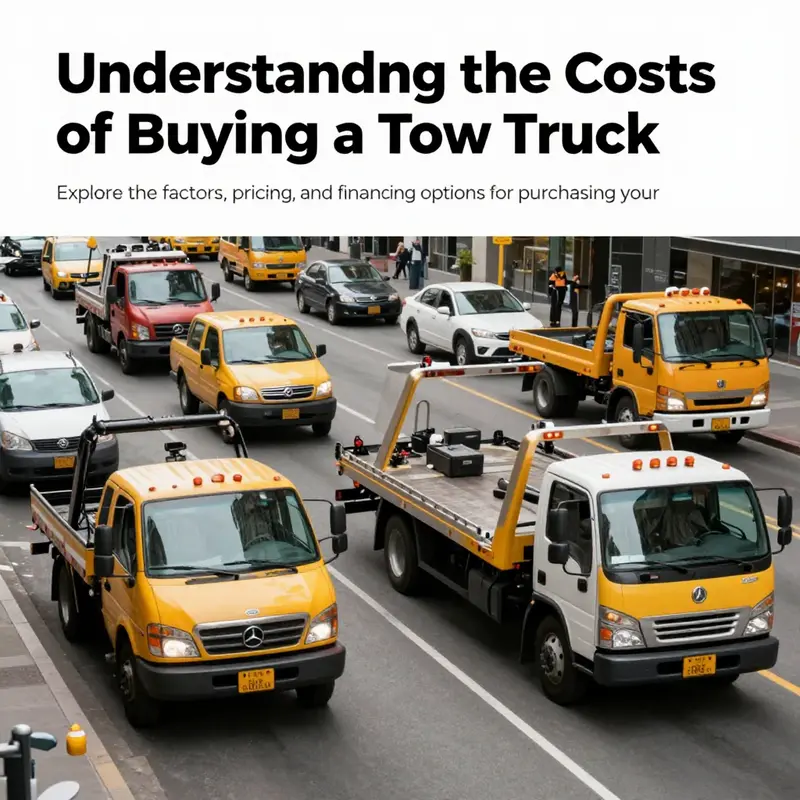
For local drivers, auto repair shops, property managers, and anyone involved in vehicle recovery, understanding the costs of buying a tow truck is crucial. Whether you’re expanding your fleet or purchasing one for personal use, there are significant differences in price influenced by a variety of factors. In this comprehensive guide, we will explore what influences tow truck costs, compare different models, analyze current market trends, help you budget for your purchase, and delve into financing options available today. Let’s start breaking down these topics to give you a holistic understanding of what it takes to acquire a tow truck and make an informed decision.
Tow Truck Price Realities: How Size, Power, and Features Shape Your Purchase
Buying a tow truck is a business decision as much as a mechanical one. Every fleet faces its own mix of daily demands, uptime requirements, and budget constraints, and price becomes a map of trade-offs rather than a single number on a sticker. When you peel back the layers, the cost of a tow truck mirrors the job it is expected to perform. The smallest, lightest units are not simply cheaper because they are smaller; they are built for a different set of tasks, operate in different environments, and carry different maintenance profiles. The midrange machines widen the field with greater capacity and more robust recovery gear, while the largest, heavy‑duty recoveries carry the promise of capability at the cost of higher upkeep and longer depreciation cycles. Understanding these layers is essential if a fleet wants to invest wisely, avoid overpaying, and ensure the money spent translates into reliable service in pressure situations.
Size and capacity drive a large share of the price story. In the light-to-mid segment, 1–3 ton class tow trucks around urban and last‑mile settings often start at a price that reflects their lean construction and fuel‑efficient systems. These are the workhorses for everyday roadside assistance and small-load towing operations. Their price is influenced not only by the weight they can lift but by how much of the chassis and bed are optimized for frequent stops, tight street maneuvering, and the lower cost of operation. As capacity increases, so does the scale of the investment. Medium‑duty tow trucks designed to handle heavier vehicles and more demanding recoveries typically command higher initial prices, even when configured with modest feature sets. The price bands widen further for higher-performance configurations such as flatbeds with advanced hydraulic systems, larger winches, and longer booms that can reach and stabilize larger loads in challenging scenes. In other words, capability comes at a premium because it requires stronger frames, heavier axles, more powerful hydraulics, and more sophisticated control systems.
The chassis type also matters because it sets the baseline for durability, load distribution, and how the truck performs under load. A heavier‑duty chassis is designed to absorb the stresses of heavy towing and long‑term operation in tough environments. That robustness translates into higher upfront costs but often yields lower long‑term maintenance and better resale value if the operation demands frequent heavy recoveries. By contrast, a lighter chassis reduces the purchase price and often improves fuel efficiency, yet it imposes limits on the vehicle’s duty cycle and the kinds of incidents it can reliably handle. In practice, the decision between a lighter chassis and a heavier one is a careful assessment of typical use-cases: how many recoveries, what weights, and in what environments will the truck operate most often?
Engine choices also shape the economics of a tow truck purchase. The engines powering these machines range from conventional diesel to gasoline, with hybrids appearing in some fleets’ future plans. Diesel generally offers superior torque, durability, and fuel efficiency for heavier work, which makes it appealing for frequent, high‑stress recoveries and long shifts. However, diesel powerplants can carry higher upfront costs and ongoing maintenance expenses, especially as emissions regulations tighten and maintenance intervals lengthen or become more complex. Gasoline engines can present lower initial costs and simplified maintenance, but they may not deliver the same long‑haul efficiency or torque in demanding recovery tasks. Hybrids or alternative powertrains, while still less common in some tow‑truck segments, introduce a different balance of fuel savings, up-front price, and maintenance needs. The engine choice isn’t merely about the sticker price; it feeds directly into total cost of ownership through fuel use, reliability, and maintenance frequency.
No discussion of price is complete without attention to the equipment that turns a chassis into a functional tow truck. Hydraulic winches, high‑lift platforms, lift arms, wheel‑lifts, and crane attachments add precision and capability but also cost. A compact city‑oriented unit might come with a basic winch and standard bed, while a heavier unit destined for multi‑vehicle recoveries will typically include higher‑capacity winches, extended booms, and additional stabilization gear. When a vehicle is specified with advanced safety features, remote operation capabilities, or integrated diagnostics, the price climbs further. The economics here are simple in concept: better gear means more reliability, faster recoveries, and greater versatility on scene, which, for many fleets, translates into higher uptime and quicker response times that can be worth the premium over the vehicle’s lifetime.
Market dynamics and brand reputation also color the sticker price. In times of high demand for tow trucks—whether due to expansions, regulatory changes, or increased fleet modernization—prices can rise as competitors compete for scarce new units or well‑configured used options. A strong brand, known for durability, service support, and predictable resale value, will often command a premium, while lesser‑known manufacturers may offer more budget‑friendly configurations. The condition and age of a unit are practical price drivers, too. A new vehicle carries warranties and predictable maintenance schedules but comes at the top of the price curve. Used trucks, if inspected carefully, can offer substantial savings but require scrutiny of mileage, prior usage, maintenance history, and potential remanufacturing needs. The decision to buy new or used hinges on risk tolerance, uptime requirements, and the capacity to absorb unexpected repair costs in the near term.
The number you pay also shifts with the broader market environment. Availability of parts, service networks, and financing terms influence the total cost of ownership in meaningful ways. A vehicle that sits idle on a lot or in a dealer’s inventory sample costs more to carry, while a well‑priced, readily serviceable unit can reduce downtime and keep crews productive. Financing terms may also alter the immediate cost picture. A lower upfront price can be attractive, but longer loan terms and interest can tilt the overall expense higher over the life of the asset. Conversely, a higher‑priced unit with longer warranties and lower maintenance risk may produce a lower total cost of ownership when measured across the asset’s lifespan. These considerations are not abstract numbers; they translate directly into the day‑to‑day economics of a towing operation, especially when uptime is a key driver of revenue.
The decision framework continues with the practical realities of buying channels. New units are typically purchased through direct manufacturer channels or authorized distributors, sometimes with tiered configurations that let buyers tailor a vehicle to the expected workload. Used markets, brokers, and bulk purchases may offer aggressive unit prices, particularly when fleets are consolidating assets or responding to seasonal demand. In a professional setting, buyers often obtain multiple quotes, compare warranties and maintenance packages, and examine the total cost of operation over several years. This approach mitigates the risk of overpaying for a feature that delivers limited real‑world value in the operator’s specific service area. It also aligns the purchase with fleet policies about standardization and emergency readiness, a topic covered in broader planning discussions such as fleet-standardization-emergency-readiness. By anchoring equipment choices to established standards, a shop can streamline maintenance, training, and interchangeability of parts and technicians across multiple units.
From a budgeting perspective, many operators start with a clear sense of the tasks the tow truck must perform and then map those tasks to a price envelope that supports a favorable return on investment. An entry‑level, light‑duty unit may offer cost efficiency and quick deployment for routine roadside calls, while a mid‑range configuration delivers expanded capability to handle a broader range of vehicle sizes and recovery scenarios without crossing into the most expensive, heavy‑duty category. In contrast, the heavy‑duty class—able to manage large wrecks, multiple vehicles, or complex scene management—requires careful forecasting of maintenance costs, spare parts, and technician expertise. These costs accumulate over time, but with proper selection and maintenance planning, the asset can deliver reliable performance and a strong resale posture when it’s time to upgrade. The balance of upfront price, ongoing operating costs, and the asset’s expected life becomes the lens through which the purchase decision is evaluated.
For readers framing their own purchase, the takeaway is that price is a function of intent. If the job is to maximize uptime in a high‑demand environment, a higher up‑front investment in a capable unit with robust hydraulics and extended booms can yield lower downtime and more efficient recoveries. If the operation emphasizes low operating costs in a low‑to‑moderate demand setting, a lighter, more economical unit might suffice, provided it is paired with a disciplined maintenance plan and a clear path to parts availability. Either path benefits from a disciplined approach to evaluating used options, warranty coverage, and service infrastructure, as well as a realistic forecast of the expected workload and revenue impact.
In sum, the price you pay for a tow truck is a precise reflection of the role you expect the vehicle to play in your business. It is anchored in the balance of size, chassis, and engine choice; in the sophistication of the recovery equipment and safety features; and in the market context, brand promise, and the condition of the unit. It also hinges on the strategic alignment of the fleet with broader standards of operation and emergency readiness. The numbers you encounter—roughly ranging from entry‑level, compact configurations to high‑capacity, specialized recovery trucks—are guideposts rather than fixed rules. They invite a careful, holistic assessment of how the asset will perform on the job, how it will be maintained, and how it will contribute to the fleet’s overall resilience and revenue over time.
External reference: Autotrader provides a comprehensive perspective on current tow‑truck pricing, helping buyers compare configurations, trim levels, and market availability across suppliers. See https://www.autotrader.com/cars-for-sale/tow-trucks for context on typical price bands and what buyers commonly expect in different segments.
Tow Truck Price Points: Navigating Costs Across Light, Mid, and Heavy-Duty Models
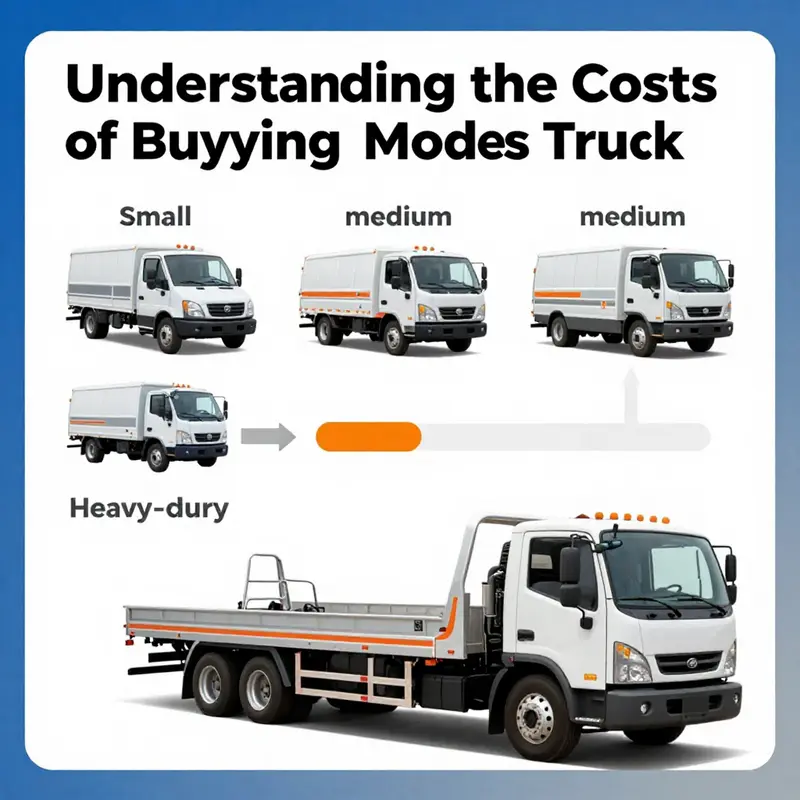
Buying a tow truck is not a simple sticker-price decision. It is a nuanced calculation that blends operational needs with the realities of the market. The price you pay hinges on the truck’s size, the type of towing or recovery it’s designed to perform, the payload it can bear, and the features that help it do the work safely and efficiently. It also hinges on whether you are buying new or used, and whether the equipment is configured for urban duty, long-distance hauls, or major incident recovery. When you stand at the point of purchase, your first instinct may be to focus on the headline price. Yet for operators, the total cost of ownership—covering maintenance, downtime, insurance, fuel, and potential downtime for servicing—often matters more than the initial outlay. A careful buyer weighs several variables that can push the price in different directions and, just as importantly, affects how quickly a investment pays for itself through reliable service.
Across the market, light-duty tow trucks designed for 1–3 tons of capacity present a surprisingly broad spectrum. In practical terms, these are the workhorses of last-mile calls, minor roadside assistance, and small-bore fleet needs that require tight turning radii and nimble handling. The price spectrum for these compact machines ranges from roughly $15,000 on the lower end to about $34,500 for newer or more feature-rich entries. If an operator seeks a balance of modern efficiency and compact form, new units can land around the mid-range, while lightly used examples may sit toward the lower end. For buyers who intend to place multiple units or who plan to operate in dense urban envelopes, bulk purchasing can unlock meaningful discounts that push cost per unit down, especially when the vendor is able to amortize equipment costs across a fleet. The broad takeaway is that light-duty models offer an accessible entry point, but there is still a meaningful spread depending on mileage, condition, and the inclusion of optional equipment such as auxiliary lifts, winches, or enhanced safety features.
Moving up in scale, integrated single-unit tow trucks present a different set of economics. These machines weave the towing apparatus directly into the chassis, delivering heightened stability, stronger lifting capacity, and a more seamless balance of weight during transport. The price range for these integrated units typically falls between the mid-$30,000s and the upper-$50,000s in new configurations. The appeal for fleets lies in the consolidated maintenance footprint and the predictable handling characteristics that reduce operator fatigue and the risk of tipping on uneven terrain or during tight maneuvers. For operators migrating from lighter gear, the jump to an integrated unit is often justified by the promise of longer service life under frequent use and a lower likelihood of mid-shift breakdowns. As with any vehicle investment, the exact price is a function of drivetrain choices, cab design, and whether the truck includes advanced hydraulics, higher lifting capacities, or enhanced stabilization gear.
Flatbed tow trucks occupy their own niche in the market. They are prized for carrying vehicles securely on a low-bed platform, which minimizes damage to the towed car and is especially valued when handling high-end, damaged, or low-clearance vehicles. The typical new-flatbed price lands in a bracket around $42,500 to $58,500, with some configurations pushing beyond that range when the platform, winch, and control systems are upgraded. The added engineering required to ensure the bed retracts smoothly, aligns precisely with the wheelbase of a wide range of vehicle types, and maintains the level plane during loading and unloading drives up cost, but it also yields noticeably better protection for the towed vehicle. For operators focusing on accident scenes, city blocks with parking-lane restrictions, or professional fleets that routinely tow high-value or specialty cars, the flatbed’s premium is often a sound expenditure when measured against potential claim costs and the reputational value of careful handling.
Rotator tow trucks, equipped with a rotating hydraulic crane, occupy a more specialty-driven tier. The ability to lift and rotate vehicles on scene—crucial for complex recoveries and certain emergency operations—adds a level of versatility that easily elevates the price. In most markets, new rotator configurations typically start above the $50,000 mark, with many builds exceeding $70,000 depending on crane reach, rotation capacity, and the accompanying hydraulic and stabilization systems. The upshot is straightforward: where versatile recovery capability is a must, the rotator’s higher upfront price can pay dividends in the speed and safety of critical recoveries. Yet buyers must assess whether such capacity will remain in regular use; in some fleets, the demand profile does not justify the extra capital and ongoing maintenance that the rotator demands.
Beyond the new-versus-used dichotomy and the class-based distinctions, there are additional price drivers that buyers should monitor. Drivetrain architecture—such as four-by-two versus eight-by-four—directly affects payload distribution, traction in adverse conditions, and fuel efficiency. In many regions, stricter emission standards, such as Euro 5 or Euro 6 equivalents, raise initial sticker prices but can yield long-run savings through cleaner operation, potential tax incentives, and eligibility for certain municipal or fleet programs. Cab configuration also matters: a larger cab may improve driver comfort on long shifts and reduce fatigue, translating into lower hours-per-accident risk and improved uptime. Finally, the choice of ancillary equipment—hydraulic lifts, cranes, extended winch capacity, automated wheel-lift systems, and on-board controls—can push price up by tens of thousands of dollars, but these features can be the difference between a vehicle that performs a given job safely and one that falls short or requires costly upgrades later.
The market’s natural tension between demand and supply also shapes price dynamics in meaningful ways. New models command the highest price but come with the reassurance of warranty and modern compliance. Used units, when properly vetted, can provide substantial savings, particularly for buyers who are prepared to invest time in refurbishment, inspection, and potential component replacements. A practical approach is to view used and refurbished units not as a single price point but as a spectrum with repair risk baked in and potential savings offset by downtime risk. For example, a 10-ton wrecking unit with refurbishment potential may be obtainable for a fraction of the cost of a new unit, but buyers should factor in the cost and time of inspections, the probability of component replacement, and the operational downtime that could accompany the refurbishment cycle. In other words, the apparent bargain may hide hidden costs that cancel out the initial advantage if the project drags on or if downtime rackets up driver hours without revenue.
To navigate these choices with confidence, buyers must define their use-case in concrete terms before weighing price alone. A small, urban-focused fleet that prints revenue through rapid response calls will prioritize maneuverability, compact dimensions, and low operating costs. In this scenario, light- to mid-range integrated or flatbed configurations can offer an optimal blend of reliability and value. Conversely, fleets that routinely confront multi-vehicle collisions, difficult terrain, or harsh weather will rationally lean toward heavier-duty configurations with robust recovery capabilities. For these operators, the upfront cost naturally climbs, but the premium is justified by higher recovery rates, faster turnover on high-demand calls, and less downtime spent on site wrestling with mismatched equipment.
The purchasing process itself benefits from a disciplined, research-driven approach. Start by documenting the performance criteria for each operation, including the heaviest vehicle anticipated, typical road types, and climate considerations. From there, gather quotes from several suppliers and insist on detailed specifications: winch capacity, hydraulic flow rates, crane reach, bed length, and control system redundancy. Always request service histories if buying used, and arrange a pre-purchase inspection that covers the engine, transmission, hydraulics, and structural integrity. Compare not just the sticker price but the anticipated maintenance costs over a five- to seven-year horizon. A conservative estimate of annual maintenance and downtime can dramatically alter the perceived value of a given model. The goal is a balanced forecast: a price that reflects capability while ensuring predictable, dependable service for years to come.
For readers who want to explore broader market dynamics and get a sense of current listings and supplier options, the practical route is to consult industry resources and catalogues. A frequently recommended starting point is the operational blog where fleet owners discuss deployment strategies, maintenance protocols, and procurement experiences. This resource can provide context that helps shape the price you should pay and the features you should prioritize. See the Santamaria Tow Truck blog for practical perspectives on fleet needs and cost considerations in real-world scenarios. Santamaria Tow Truck blog.
Ultimately, the question, “How much does a tow truck cost to buy?” has no single answer. It depends on the size and purpose of the vehicle, the configuration that best supports your service model, and the acceptable level of risk you’re prepared to tolerate in operations. If you are outfitting a startup fleet, you may begin with a handful of light- to mid-range units, edge toward integrated designs as demand scales, and reserve rotator capabilities for specialized recoveries or large incident work. If you operate a mature fleet with steady demand, investing in higher-end flatbeds or integrated units with robust hydraulics and long-term reliability can yield the strongest return on investment, even if the upfront price is higher. Across the spectrum, the most successful buyers treat cost as a factor to be optimized within a broader strategy of uptime, service quality, and safety. The numbers will continue to move with market conditions, but the disciplined approach to evaluating needs, quoting accurately, inspecting thoroughly, and planning for total cost of ownership remains constant.
For a snapshot of current international pricing and supply options, buyers can consult supplier pages that aggregate towing equipment prices across regions. See the external pricing reference for international supplier listings: Towing Truck Price – Made-in-China.com.
Tow Truck Purchases in Flux: How Market Trends Shape the Price Tag
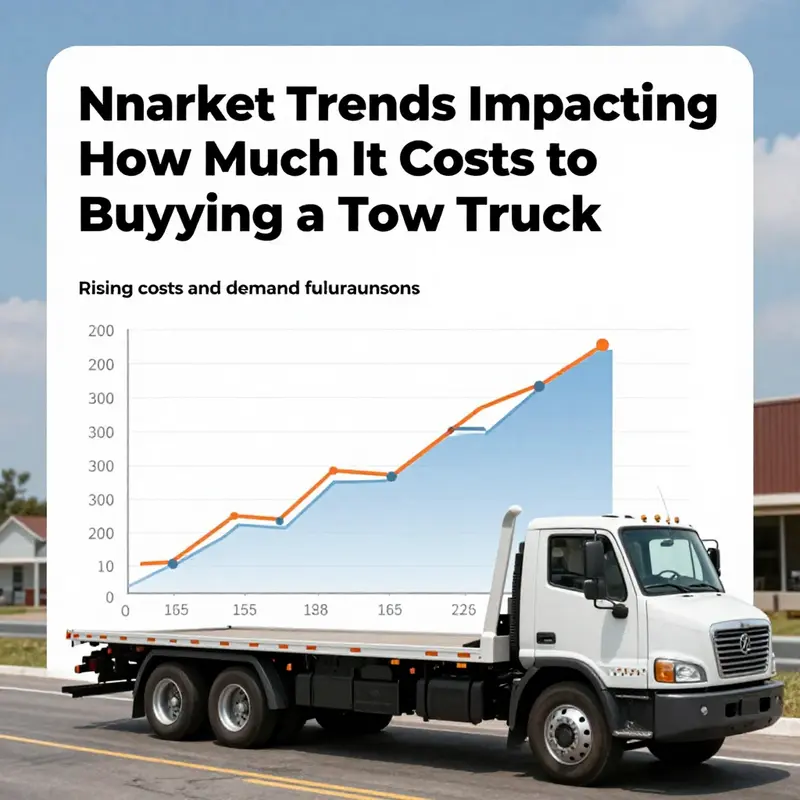
Buying a tow truck is rarely a simple matter of adding up a sticker price. The decision sits at the intersection of capability, reliability, and the realities of fleet operations. For buyers, the initial price is a starting point, not a verdict. It signals the vehicle’s intended role—whether it will serve as a nimble urban helper for roadside assistance or as a heavy-duty unit capable of complex, multi-vehicle recoveries. In the market as of early 2026, price is influenced by a constellation of factors that blend engineering choices with evolving demand. The market rewards vehicles that strike a careful balance between payload capacity, mechanical resilience, and the kind of technological integration that keeps a fleet running smoothly in real time. Even within the same class, a few thousand dollars can determine whether a truck is equipped with a basic lifting mechanism or a full automated hydraulics system with digital diagnostics and self-check features. The result is a nuanced price ladder that reflects not just the bare chassis, but also the ongoing costs of maintenance, spare parts, and dealer support over the vehicle’s lifetime.
To understand where the numbers come from, it helps to view the range in tiers that map to real-world use cases. At the light end of the spectrum, compact, urban-ready units with modest lifting capacity and straightforward hydraulics tend to sit in the lower ranges of the market. They emphasize ease of use, fuel efficiency, and maneuverability in congested environments. In practical terms, a 1–3 ton class vehicle designed for quick, local tasks can start at a price point near the mid-to-upper thirties of thousands of dollars. Such a unit is built around simplicity and reliability, and it appeals to small fleets, independent operators, or businesses expanding emergency roadside coverage where every mile of serviceable road is a potential customer. The relatively lean specification helps manage acquisition costs while still delivering the essential functions that keep traffic moving during incidents and break-downs.
As the weight class climbs into the mid-range territory—roughly 5–10 tons in payload capacity—the price picture broadens dramatically. The spectrum widens not just in price but in capability. Some configurations in this middle tier offer robust chassis, improved hydraulic systems, and larger winch capacities. The result is a spread where new examples can be acquired for a range that begins in the low to mid range of the tens of thousands and extends into higher figures depending on configuration and vendor options. A substantial portion of this tier is driven by choices that balance performance with total ownership cost. For fleet operators, the decision often hinges on how frequently the unit will handle heavier or more demanding recoveries, and whether the vehicle will need to work with specialized accessories such as drag-dollies or extended booms designed to manage longer or heavier trails. In some instances, the more performance-focused mid-range models push toward the mid-to-upper tens of thousands, reflecting the added engineering and fabrication that improves service uptime and reduces maintenance down the line.
The more specialized and high-capacity end of the market—heavy-duty recovery trucks designed to handle multi-vehicle incidents or oversized payloads—moves price into a distinctly premium segment. These machines often feature reinforced frames, advanced powertrains capable of delivering steady torque under demanding loads, and hydraulic systems engineered for rapid, repeated use in high-stress environments. The price for these configurations can be substantially higher, reflecting not only the raw capacity but also the durability, safety systems, and the ability to operate in challenging scenes with limited downtime. In practice, buyers exploring this end of the spectrum weigh the long-term value of uptime, faster recovery rates, and stronger safety features against the upfront expenditure. The premium is not only about raw lift or winch strength; it encompasses the entire ecosystem around the vehicle—the quality of the chassis, the credibility of the engineering, and the availability of service networks that can keep the unit performing at peak efficiency when it matters most.
A separate, equally influential axis in price is the used versus new decision. Markets for used or customized units present a wide spectrum. A second-hand unit in the mid-range class can appear at a fraction of the new price, especially if it has lower mileage, has been well maintained, or was originally configured for a less demanding role. Buyers who opt for used or customized builds often do so to accelerate expansion or to tailor a fleet to specific local needs. In many cases, bulk purchasing can tilt the economics of acquisition in favor of the buyer, with lower per-unit cost when several units are acquired simultaneously and vendor terms are negotiated. Conversely, customized configurations—whether driven by unique transport requirements, specialized cargo handling, or integration of nonstandard safety gear—tend to raise the price substantially. Customization adds layers of design, fabrication, and testing, all of which contribute to a higher upfront investment but can translate into more efficient operations and longer life cycles in high-demand environments.
What unites these pricing patterns is a shared arithmetic: the final price factors in drivetrain architecture, emissions standards, cab configuration, and the assortment of added equipment that raises the vehicle’s functionality. A two-wheel-drive platform may offer lower upfront costs but fewer traction advantages in rugged recovery jobs, while an all-wheel-drive or four-axle system can command a premium because it reduces on-scene risk and expands the vehicle’s capability set. Emissions compliance, particularly more stringent Euro standards, also nudges prices upward, reflecting the higher costs of cleaner engines and the certification processes required to meet regulatory regimes across different markets. The cab itself—whether it prioritizes crew comfort, visibility, or equipment integration—contributes to the price narrative as well. A larger, more ergonomic cab with better seating and control ergonomics can indirectly raise resale value and operator satisfaction, which in turn factors into the perceived return on investment over the vehicle’s life.
Beyond the mechanical and regulatory factors, the roll-up of technology offers a substantial price premium. Modern tow trucks increasingly feature intelligent control systems, automated lifting platforms, and advanced diagnostic capabilities. These systems can streamline on-site operations, reduce the risk of damage during lift operations, and enable proactive maintenance through real-time data. The engineering complexity required to deliver reliable automation and remote diagnostics raises the base cost. Yet the payoffs manifest as faster response times, greater consistency in recovery outcomes, and clearer visibility into service histories for fleets that operate in urban districts or highly regulated zones where accountability matters. For buyers contemplating long-term ownership, the affordability calculus shifts toward lifetime performance rather than the initial price alone, since higher-tech configurations can reduce downtime and repair costs when issues arise.
Market dynamics in early 2026 reinforce the point that price is not a static peg but a moving target shaped by demand, supply, and strategic positioning. Demand for specialized towing services—especially for managing large vehicles, heavy recoveries, or complex scenes—has kept the market favorable to manufacturers that can deliver high-capacity, robust units. When demand is strongest, manufacturers may price higher, capitalizing on fleet buyers who require reliable performance, rapid deployment, and the assurance of a comprehensive service network. Conversely, if demand softens or if inventories swell, price discipline can tighten, with manufacturers and distributors leaning on incentives or financing options to move units while maintaining margins. These dynamics explain why a given model might appear at different price points across regions or over the course of a fiscal year. Buyers who map out their purchasing plan with a long horizon in mind often find that timing matters as much as the configuration, since discounts, trade-ins, and financing terms can shift the effective price materially.
Brand reputation and after-sales support also weigh heavily in the price equation. In markets with well-established service networks, buyers are often willing to pay a premium for a brand that promises parts availability, predictable service intervals, and timely warranty support. That premium reflects a broader ecosystem, not just the chassis or the lifting mechanism. A trusted network reduces downtime and keeps the vehicle productive, which in turn improves the vehicle’s total cost of ownership over its lifetime. Material choices—such as the use of high-strength alloys to lighten certain components without sacrificing durability—likewise affect both initial cost and ongoing maintenance. Fleet operators seeking efficiency may opt for lighter yet robust constructions if the expected service life justifies the investment. In high-demand segments, the added cost of premium materials and engineering can be a smart decision, particularly when the alternative is recurring repair expenses or reduced payload efficiency.
For readers tracing the practical implications of these trends, several guiding questions emerge. How often will the unit be deployed for heavy-duty work versus routine roadside assistance? Does the fleet prioritize uptime guarantees or flexibility to reconfigure vehicles for different high-demand scenarios? What level of on-site automation and diagnostics is truly necessary to meet service standards without pushing upfront costs beyond the budget? The answers help map a price path that aligns with organizational risk tolerance, funding structure, and growth plans. It becomes clear that the cost to buy a tow truck in 2026 is less about a single number and more about the entire economic ecosystem surrounding the vehicle—from the factory floor through the service bay to the end of its useful life. A practical approach is to anchor the purchase in total cost of ownership, weighting the price against expected utilization, maintenance cadence, and the value of rapid, reliable recoveries that keep fleets moving under pressure.
For readers seeking deeper insights into how these market forces play out in specific regions, and to hear more nuanced operator perspectives, the Santa Maria Tow Truck blog offers a thoughtful exploration of fleet needs, readiness, and modernization challenges. While this chapter focuses on pricing dynamics, real-world decision making often benefits from field-tested guidance that translates market signals into concrete procurement steps. The page linked here provides context on how fleets standardize equipment and plan for emergency readiness, which can influence how a buying decision is framed and staged in practice. the Santa Maria Tow Truck blog.
In summary, the price of a tow truck in 2026 is the product of deliberate engineering choices, market demand for specialized capabilities, and the premium attached to proven reliability and service support. Buyers should expect wider price dispersion than ever before, with entry-level units near the lower end of the spectrum and fully equipped, high-capacity machines on the higher side. The presence of automated hydraulics, digital diagnostics, and safety systems tends to push costs upward, while the desire for customization and regional emission standards adds layers of complexity that can magnify the final ticket price. Yet even as sticker prices rise in some segments, the growing availability of used units and flexible financing options means operators can assemble a capable fleet without compromising critical service outcomes. The overarching takeaway is clear: the best value lies in a holistic assessment that weighs upfront price against uptime, maintenance, and the fleet’s capacity to respond effectively when lives and livelihoods depend on rapid, professional tow operations.
External reference: Road and Fleet’s Tow Truck Market Trends 2026 provides a comprehensive overview of these forces and their implications for pricing in a changing global market. https://www.roadandfleet.com/industry-news/tow-truck-market-trends-2026
Pricing the Tow: A Practical Guide to Budgeting Tow Truck Purchases Across the Capacity Spectrum
Pricing a tow truck is not a single number but a spectrum shaped by size, power, configuration, and intended use. Buyers who plan to serve in urban streets will weigh different factors than those who must recover vehicles on highways or at accident scenes. The price tag follows that logic: it starts with a base chassis and a basic hydraulic system and climbs with capacity, advanced safety features, and specialized equipment. In other words, the sticker price is a map, not a destination, and the route you choose depends on your typical workload, local regulations, and the level of reliability you expect when every minute counts. To understand the viable range, it helps to walk the spectrum from compact, city-friendly units to the heavy-duty workhorses designed for large-scale recovery, and then to the highly specialized boom trucks used in major rescue operations. This approach clarifies not only what you pay upfront but how the ongoing costs and operational constraints will unfold over time.
In the smallest category, a 3-ton flatbed wrecker, the entry point is notably accessible. New units in this class can land in a price band roughly between thirteen thousand dollars and twenty-three thousand five hundred dollars, depending on the exact configuration and the equipment bundle installed at the factory. These lightweights are designed for frequent in-and-out work, city deliveries, and the kind of roadside assistance that keeps urban roads moving. They favor a compact footprint, lighter curb weight, and fuel efficiency, all of which translate into lower initial cost and often lower operating expenses. But the trade-off is capacity. They handle smaller vehicles and have limited reach when it comes to hoists, wheel lifts, and lift height. That means you trade high uptime on complex calls for lower purchase risk and a smaller initial cash outlay.
Stepping up to mid-sized needs—roughly a 15-ton class—pushes the price toward a broader corridor. In this segment, the purchase price typically ranges from about twenty-four thousand dollars to thirty-five thousand dollars. The appeal is clear: a balanced blend of pushing power and maneuverability, with a drivetrain that can cope with a broader mix of vehicle types and street conditions. The mid-sized machine often provides a more robust hydraulic system, improved wheel-lift capabilities, and an extended reach that makes challenging recoveries more efficient. It is in this middle ground that many operators find the sweet spot for daily use, especially those who service regional routes, smaller fleet needs, and some emergency response tasks without venturing into the most demanding environments.
For larger, more demanding deployments, the market presents heavy-duty recovery trucks in the eight-by-four configuration with price bands typically in the forty-four thousand dollar to fifty thousand dollar zone. These models feature more substantial chassis, stronger winches, and longer booms. They are designed to handle heavier weights, more aggressive recoveries, and more complex operations. The higher price point reflects not only more robust mechanicals but also more sophisticated safety systems, better stability on uneven surfaces, and a broader set of options such as hydraulic booms, wheel-lifts, and more capable control consoles. When a shop or fleet anticipates regular roadside incidents on highways, or multi-vehicle scenes, the extra investment can reduce call times, increase safety margins, and improve the overall efficiency of the recovery operation.
Beyond the well-worn mid-range and heavy-duty models lies a segment that can surprise buyers with affordability, at least on the surface. Some newer high-capacity units, rated for substantial loads in the twenty- to thirty-ton range, have price bands that sit roughly between twenty thousand six hundred dollars and thirty-three thousand six hundred dollars, depending on engine specifications, configuration, and the particular safety features chosen. This may look counterintuitive, since higher capacity machines often command higher prices, but it reflects a broader market where manufacturers balance technology, weight, and standard equipment across a spectrum. In practice, these machines are designed to deliver significant lifting power without the sprawling footprint or fuel penalties some older high-capacity designs carry. They can be an attractive entry point for fleets that expect steady but not constant heavy-duty demand, or for operators who want extra capability without stepping up to the most extreme setups.
Then there is the tier of specialized or integrated boom trucks, the tools of major road rescue or complex incident response. These units typically carry a price range from about sixty-five thousand dollars up to ninety thousand dollars. The jump here isn’t only about raw lifting capability; it reflects integrated systems that combine hydraulics, winches, booms, stabilization methods, and often advanced electronics designed to coordinate complex operations in challenging environments. These machines are built for reliability under pressure, with features that reduce setup time, improve precision, and expand the operational envelope in ways that standard pull-and-drag configurations cannot match. The added capabilities come with both higher upfront costs and the expectation of longer service life when properly maintained.
The market also acknowledges a secondary, more nuanced tier: used or customized units. Prices there vary widely, driven by condition, mileage, and the presence of older or updated components. A used or customized unit can be a prudent path for a startup with limited capital or for an established operator seeking to expand a fleet quickly. In some cases, bulk purchases—say, five or more units—can begin at lower thresholds, with a per-unit price around the mid-twenties or even lower, depending on condition and economies of scale. Conversely, smaller used units without heavy wear can be found at lower price brackets, albeit with greater variance in performance and reliability. This diversity in the used market is a reminder that price alone does not tell the full story; the value lies in the remaining service life, maintenance history, and how well the unit fits the intended daily workload.
If you are evaluating a purchase, you should treat price as only the first anchor. The total investment includes not just the purchase price but also the costs of outfitting, transport, and ongoing ownership. Transport and logistics matter because a tow truck purchased in one region or country can require substantial freight costs and import duties to reach your operation. Insurance costs will rise with higher-power units and heavier duty ratings, while maintenance expenses scale with the complexity of the hydraulic systems and the frequency of heavy-duty use. You should also factor in after-sales service, the availability of spare parts, and the likelihood of upgrades to meet evolving regulatory standards. Emission and safety requirements can influence both the initial price and long-term operating costs. A model that complies with stricter emission standards may cost more upfront but yield savings through better fuel efficiency and lower taxes or penalties in certain jurisdictions. In short, price is a starting point; the total cost of ownership is the long view.
For those who want to anchor their budgeting process in practical steps, a simple framework helps. Begin by mapping the expected duty cycle: the average number of calls per week, average job duration, typical load, and the terrain you cover. Next, estimate the break-even point where a higher-capacity unit reduces call times and increases fleet availability enough to justify the higher price. Then, compare drivetrain configurations in light of terrain. A 4×2 drive may be adequate in flat, paved areas, while an 8×4 setup can offer improved traction and stability on uneven surfaces or when towing larger vehicles. Consider the operational envelope: urban cores, suburban corridors, rural routes, or a blend. This matters because fuel economy, tire wear, and maintenance cycles are all intertwined with where and how you work.
Another important layer is the equipment package. A basic recovery unit can be adequate for routine towing, but if you frequently deal with high-angle tower operations, you may need an integrated boom, greater winch capacity, and a more robust stabilizing system. Hydraulics, wheel-lifts, boom reach, and stabilizer geometry all influence not just the up-front price but how quickly you can complete a job and how safely you operate. Technological add-ons—such as electronic control systems, remote diagnostics, and enhanced lighting—also push the price higher, yet they can contribute to uptime and safety, which in turn affect the bottom line over the truck’s life.
Finally, the purchase decision should include direct avenues for price verification and supplier quotes. Platforms that offer price transparency and secure payment protection can simplify initial research and negotiation. When you are ready to reach out, you can expect to receive quotes that reflect not only the base price but also shipping timelines, delivery arrangements, and warranty details. It is common for suppliers to tailor a quote to your location and the exact configuration you require, so request a full breakdown that shows each major component and any optional features.
To connect this budgeting approach with broader fleet readiness goals, consider aligning the tow truck purchase with standards for emergency response and operational consistency. A fleet that standardizes its equipment around a core set of sizes and configurations can streamline training, maintenance, and parts procurement. This kind of standardization supports faster response times and clearer escalation protocols when incidents occur. If you want to explore how standardization and emergency readiness shape purchasing decisions, see the related discussion in the Fleet Standardization and Emergency Readiness section of our series.
For readers seeking direct supplier guidance and price examples, the market currently provides a broad spectrum of options through international and regional platforms. If you are researching this area, it helps to review the price bands outlined above as a baseline, then engage with multiple suppliers to compare configurations, warranties, and service packages. Platforms with price transparency can also provide you with a sense of market drift—how prices move with new regulations, supply chain conditions, and currency fluctuations. As you gather quotes, keep a running tally of how each option aligns with your service commitments, your maintenance plan, and your anticipated fleet utilization. This will make the final decision not just about the lowest upfront price, but about the best balance of reliability, efficiency, and long-term value for your operation.
For practical reference on supplier options and pricing transparency, you can explore external resources that summarize current offerings and pricing ranges in the industry. External resource: https://www.made-in-china.com/products-search/hot-products/Howo+Tow+Truck.html
Beyond Sticker Price: Understanding the Total Cost of Owning a Tow Truck
The price tag on a tow truck is only the beginning. To properly budget, buyers must consider upfront cost, financing terms, maintenance, downtime, fuel, insurance, and resale value. Vehicle size, bed configuration, crane or winch capacity, drivetrain, and emissions standards all influence the initial price and the long-term costs of ownership.
New versus used matters: new units come with warranty and latest tech but higher upfront costs, while used or remanufactured units can reduce initial expense but may require more maintenance planning. Customizations, such as enhanced cranes or wheel-lift systems, add cost but can improve uptime and performance over the asset life.
For budgeting, map a five-year horizon, collect multiple quotes, and compare total cost of ownership—not just the sticker price. Include maintenance plans, parts availability, downtime estimates, and potential tax or financing incentives. A careful financing strategy can align payments with fleet deployment and cash flow, making even premium configurations affordable when justified by uptime and safety benefits.
Final thoughts
Acquiring a tow truck is a significant investment, but understanding the factors that influence its cost can empower you to make an informed purchase. From the specific needs of your business to current market trends and financing options, every element plays a role in determining the best choice for you. Whether you are a driver, a property manager, or an auto shop owner, the insights gained from understanding tow truck costs can guide you toward successfully purchasing a truck suited for your needs.