
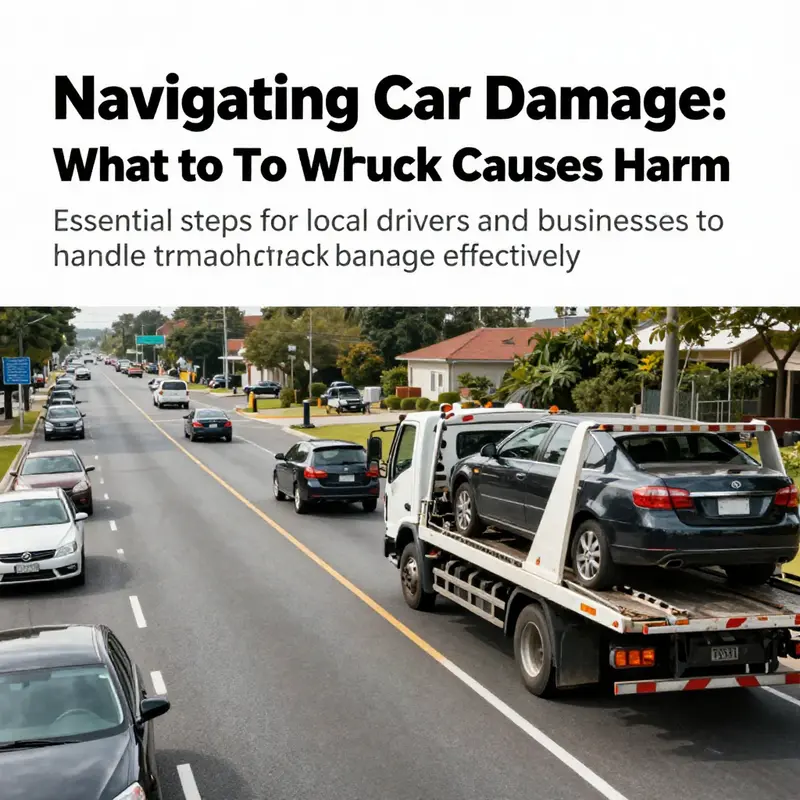
Encountering a situation where a tow truck damages your vehicle can be both frustrating and perplexing. As a local driver, auto repair shop owner, property manager, or HOA administrator, it is vital to understand the necessary steps to address such incidents. This guide not only highlights the importance of documenting the damage and reporting the incident but also navigates the complexities of insurance claims and legal options available to you. Each chapter will delve into practical strategies, ensuring you are prepared to act quickly and effectively if your car is ever damaged by a tow truck.
Documenting the Fallout: Protecting Your Rights and Your Car When a Tow Truck Damages It
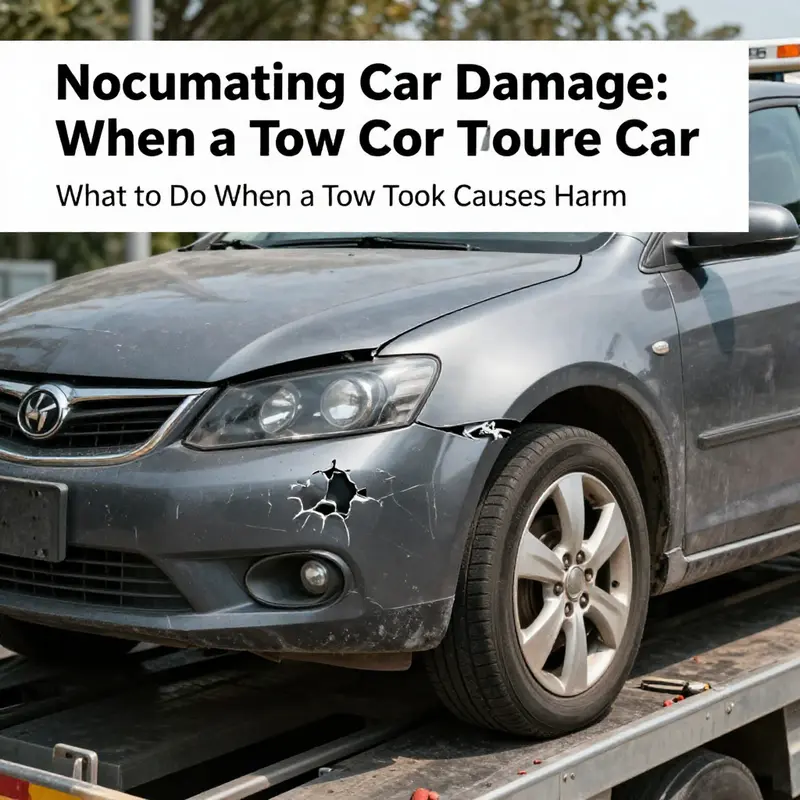
A roadside incident where a tow truck leaves behind new dents, scratches, or misaligned panels can feel overwhelming. Yet the moment you realize damage has occurred is precisely when your evidence matters most. Your first priority must be safety: pull to a secure area if possible, switch on hazard lights, and, if conditions allow, place warning markers to alert other drivers. The goal is to prevent further harm while you gather information. In moments like these, calm and methodical action can set the course for fair resolution later, and the difference between a straightforward claim and a drawn-out dispute often hinges on what you capture in those first hours.
The most powerful tool you bring to the scene is documentation. Comprehensive photos and videos create a visual record that can establish liability and guide any insurance or legal process. Start with full vehicle views that capture the car in its current state—front, back, and both sides—so reviewers can see the whole picture. Then zoom in on the damage: scrapes, dents, broken components, or any misalignment that might indicate a towing impact. A ruler or tape measure in the frame helps scale the damage, making your measurements verifiable. Context matters, too. Include shots that show the tow truck in relation to your car, the surface you were on, and any nearby signage or markings that might explain movement. A short, steady video round the car can be powerful as well. Narrate what happened as you walk the perimeter, pointing to each area of damage and describing the surroundings—wet pavement, a curb, or a slope that could have contributed to the incident. The clearer and more organized your media, the harder it is for someone to dismiss your account. Pro Tip: keep photos in chronological order and label them with the date, time, location, and a brief descriptor of each shot. This simple structure makes a big difference when your claim reaches an insurer or a legal professional.
Beyond images, your notes from the moment of impact become important corroboration. Write down exact times and dates, the weather, lighting conditions, and road surface type. Document what you observed just before and during the damage—perhaps the operator was hooking the vehicle, and something shifted or jolted. Record any sounds you heard, the actions of the driver, and whether any warnings or instructions were given. If there were any witnesses, collect their names and contact information. Even a single corroborating voice can strengthen your narrative. When you’re ready to report, you’ll want a concise, factual account that tracks the sequence of events without speculation. This written record will be invaluable to your insurer and, if necessary, to a court. A well-constructed account paired with robust visuals helps prevent arguments about what happened and who was responsible.
Your next step should be to gather the practical details about the tow operation. Note the tow company’s name, the truck’s license plate, and the driver’s identity. If the driver can provide a business card or company badge, keep it. If there were any other people present—e.g., roadway witnesses or the vehicle owner who engaged the tow—collect their contact information as well. You should also obtain any documentation the operator can provide at the scene, such as a basic incident report, a receipt, or a work order. These materials can anchor your claim and show that the incident occurred under the company’s supervision and during a formal towing process. If the driver is reluctant to share information, calmly request it again and consider reporting the encounter to the towing company’s corporate office or dispatcher. Your goal is to create a clear trail of accountability that persists through any later review.
A timely, formal report is more than a mere courtesy; it’s a foundational element of your claim. Contact your auto insurer promptly and share the damage details along with your media and written notes. Most policies require prompt reporting of incidents, and providing the documentation you collected—photos, videos, a written incident report, and the tow truck and driver information—facilitates a quicker, more accurate assessment. An insurer may send an adjuster to inspect the vehicle and may propose a repair approach or a preferred shop. In many cases, if the damage was caused by a third party, your insurer may pursue reimbursement from the tow company’s liability coverage. This subrogation process can move your claim forward without you needing to bear the entire burden yourself, but it hinges on solid evidence and timely communication.
Concurrent with contacting your insurer, you should verify the tow company’s own liability insurance. Reputable operators carry liability coverage for damages arising from their towing operations. Request the company’s insurance information and, if needed, file a claim directly with their insurer. Having the insurer’s contact details on hand helps you avoid delays and demonstrates you’re taking responsible steps to recover costs for repairs. If the company or its insurer disputes liability, you’ll find that your documented evidence becomes even more essential. The aim is not to assign blame in a heated moment but to establish the facts clearly: what happened, what was damaged, and who had control of the vehicle at the time. In many instances, a straightforward claim to the tow company’s insurer will yield a fair settlement for repairs, especially when the damage is clearly tied to the towing operation.
Despite the best evidence and the most cooperative insurer, there are times when a company refuses responsibility or offers inadequate compensation. In those cases, you should consider legal counsel. A lawyer who understands auto damage, insurance, and small-claims pathways can help you navigate the process and present your documentation effectively. If necessary, small claims court can be a viable option to recover repair costs that exceed what the insurer or the company is willing to cover. The key is to avoid letting a lowball offer stand without giving it a complete, documented counterargument. A precise, well-supported claim with the backing of photographs, measurements, and a coherent narrative keeps you prepared for negotiations or court proceedings. The outcome depends not on emotion but on the clarity of your documentation and your adherence to procedural steps.
Knowledge of local laws and regulations is a quiet but powerful ally in these moments. Tow procedures and responsibilities vary by jurisdiction, and understanding the rules can strengthen your position when dealing with insurers or the towing company. Some regions require particular forms of notice, certain times for reporting, or specific steps that a towing operator must follow. When you’re armed with this regulatory backdrop, you can press for the appropriate remedies instead of accepting an uncertain offer. If you ever feel uncertain about the legal landscape, a consultation with a local attorney who specializes in automotive incidents can help you map the right course of action. An hour of expert guidance may save days of frustration and unnecessary costs.
In the long arc of roadside challenges, the thread that ties together protection of your rights and maintenance of your car’s value is preparation. The more thoroughly you document, the more credible your claim becomes. It is not merely about obtaining money for repairs; it is about accountability. A tow operator who takes proper care and maintains solid insurance coverage is less likely to cause damage, and when damage does occur, a disciplined, well-documented response helps ensure that you are not left paying out of pocket for someone else’s mistake. This approach helps you balance the practical realities of road emergencies with the legal and financial protections that modern auto coverage offers. If you ever doubt the impact of detailed documentation, remember that a simple photo sequence can shape the negotiation of a repair bill and determine who bears the cost. Clear evidence minimizes ambiguity and fosters fair resolution, which is the quiet, practical virtue at the heart of managing damage from a tow.
For readers seeking further practical guidance from operators and professionals in the field, consider exploring the resources at Santamariatowtruck’s blog, which offers additional context on how towing operations are managed, how to handle emergencies, and how to prioritize safety and accountability in adverse moments. Santamariatowtruck.com/blog/
External perspectives can complement your documentation. A widely cited checklist emphasizes the importance of immediate photo documentation, prompt insurer communication, and a careful review of the towing incident. It reinforces the idea that visual evidence is your most persuasive asset when establishing liability and pursuing fair compensation. For a broader understanding of how to document car damage after a towing incident, see The Zebra’s practical guide, which outlines actionable steps that align with the approach described here: https://www.thezebra.com/insurance/car-damage-after-towing/
After the Tow: Reporting, Documentation, and Recovery When a Tow Truck Damages Your Car
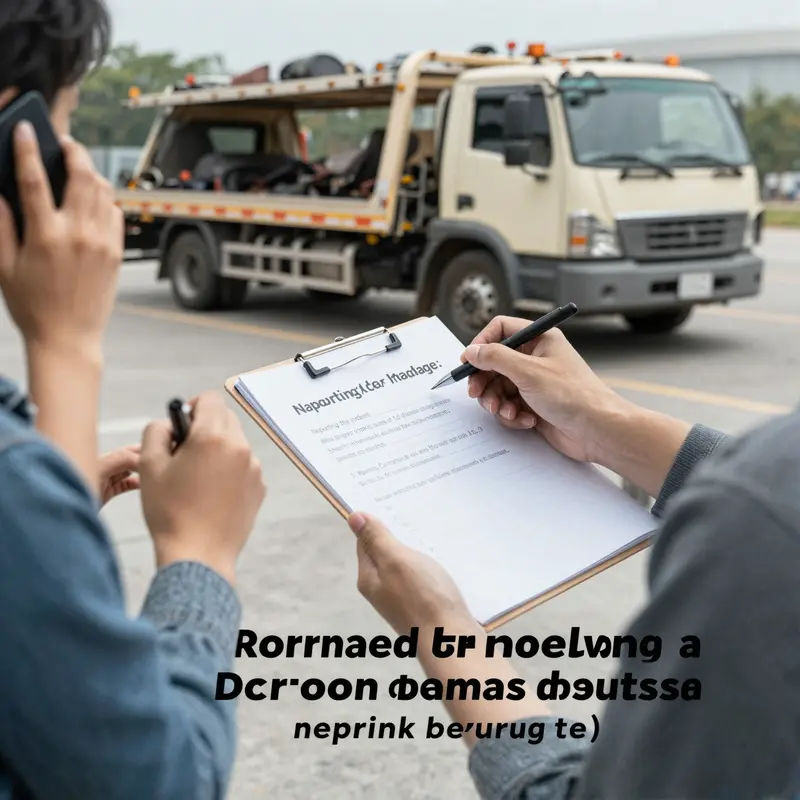
The moment the tow truck leaves with your vehicle is not the moment to improvise. It is the moment to create a clear record of what happened and what comes next. The aim is to safeguard your rights and prevent a small mishap from turning into a larger expense. A calm, methodical approach, documenting, reporting, and communicating through proper channels, gives you leverage in the process.
First, safety governs everything. If you are at the scene, turn on hazard lights and, if possible, move the vehicle to a safe location. This protects you and ensures the scene can be reviewed later. The most important work is visual and factual: obtain a clear, undisturbed record of the damage as it exists when the tow departs or the vehicle is recovered. Take multiple photos and videos from different angles. Close ups of dents, scratches, and any marks that could indicate how the damage occurred are essential. A wide shot showing the car in its environment, and a photo of the tow truck’s license plate, help prevent disputes later. If there are witnesses, write down their names and contact information.
As you gather evidence, document the sequence of events. Note the time and location, who was present, the procedures the tow operator claims to have followed, and any conversations about the incident. Draft a concise narrative promptly to prevent memory distortions. If the tow company has an incident report process, request a copy or a written acknowledgment that the incident occurred and damage was observed. Obtain the company’s insurance information and policy number if possible. This helps identify the right insurer to contact and signals your understanding of how coverage is triggered.
Consider whether authorities should be involved. Some jurisdictions regulate towing and violations may be handled by a licensing board or consumer protection agency. If you suspect negligence, file a formal complaint. Police may be advised to file a damage report if the incident involved road use or safety risk. These steps promote accountability and provide a channel for future redress.
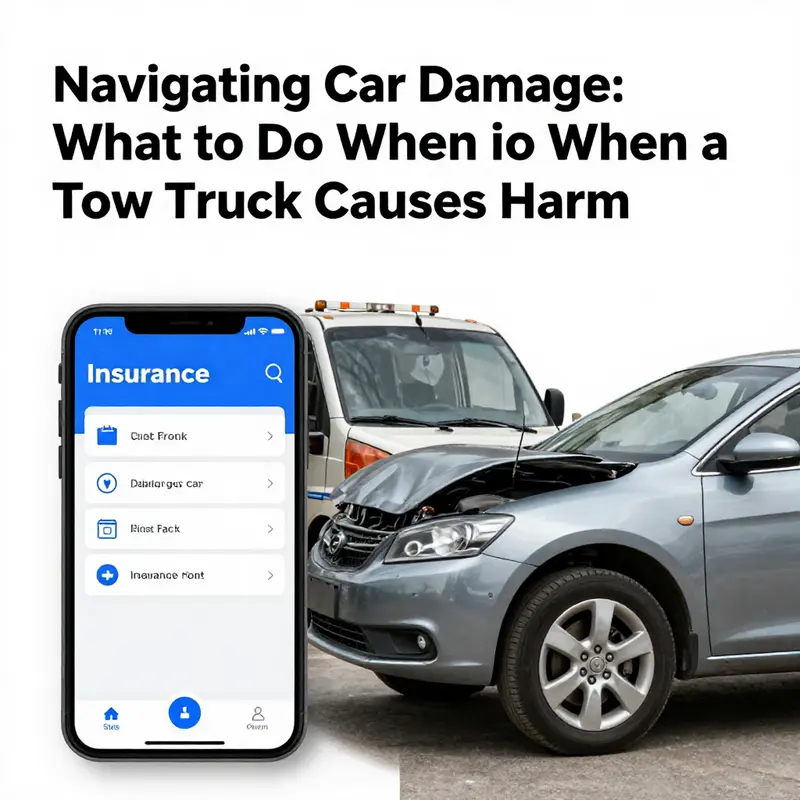
Notify your insurer as soon as possible, ideally within 24 to 48 hours, and provide a thorough narrative plus the evidence you collected. Attach the incident report, photos, the tow company’s details, and any police or incident documentation. If your policy includes comprehensive coverage for third party damage, your insurer may pursue reimbursement from the tow company’s insurer. Even if liability is uncertain, creating an official record helps support future negotiations.
Initiate a direct claim with the tow company if you have not already done so. Request their liability coverage information and an incident acknowledgment. A written acknowledgment from the company can speed the process and add leverage in negotiations. If the company resists, obtain independent repair estimates from a body shop or qualified mechanic. Keep all invoices and receipts; they form the basis of damages and costs in settlements or litigation.
As you gather repair estimates, assemble a complete dossier for your insurer. Include the tow company incident report, police or DMV reports if available, a narrative of the incident, photographs, witness statements, and the repair estimates. Document any existing damage to avoid confusing prior issues with new damage. A well organized packet helps the insurer distinguish tow related damage from other issues.
In practice, expect negotiation among several parties. The tow company’s insurer bears responsibility for damage caused during towing; your insurer bears responsibility if your policy covers third party damage or if the loss is comprehensive or collision related. Stay calm, organized, and communicate through official channels to preserve leverage.
Be mindful of local towing rules and operator responsibilities. Some places require standards for securing vehicles, limits on storage after a tow, and explicit handling of damage claims. If response is slow or unsatisfactory, consider consulting a lawyer who specializes in consumer rights or auto insurance claims. Even a single consultation can clarify options, including small claims court if appropriate.
Finally, keep a forward looking frame: the goal is fair compensation, not blame. Your narrative, evidence, and proper documentation form the backbone of the claim and increase your chances of a fair settlement. If you want a quick reference, consult official resources on towing practices and consumer protection.
null
null
When a Tow Truck Damages Your Car: Navigating Insurance, Liability, and the Path to Recovery
Damage can occur in the most routine moment of a roadside rescue: your car is loaded, secured, and hauled to safety, and something unintended happens in the process. A dent appears where there wasn’t one before, a scratch runs along a door, or a component is misaligned after the hook, chain, or strap tightens around your frame. The instinct to blame the closest partner in the chain—often the tow operator—can feel natural, but the legal and financial path to fair compensation is a little more intricate. Understanding how tow company insurance works helps you separate quick frustration from real, recoverable costs, and it frames the conversation you have with the company, your own insurer, and any legal adviser you might consult. The goal is not to paint a picture of inevitability but to put a practical framework around what happens next so you can protect your vehicle and your finances without unnecessary delays or detours.
In most states, towing businesses operate with commercial auto liability insurance, and that coverage is designed to handle damages that occur to third-party property during the course of work. That includes your car when it is in their custody, on their equipment, or being moved from one location to another. The policy typically includes several layers: liability coverage for property damage caused to others, physical damage coverage for the company’s own tow trucks, and often uninsured/underinsured motorist protection. The liability portion is the portion that should address damage to your car. Yet the word “should” matters here, because the extent of compensation your repair bills can claim rests on the policy limits and the specific terms of that coverage. A policy may cap the payout at a certain amount, and there can be exclusions or restrictions that complicate even straightforward cases. In practice, this means the insurance money available for a scuffed bumper or a small dent often depends on how much the damage costs, what the policy covers, and whether the damage is deemed the company’s fault or a result of an unfortunate but non-covered event during towing.
To visualize how this works, imagine a scenario where a luxury vehicle suffers a cosmetic scratch during securing. If the repair costs push past the tow company’s policy limit, the carrier is not obligated to cover the entire amount. The difference may fall to the vehicle owner, unless the owner has other coverage that can step in. This is where comprehensive or collision coverage on your own policy becomes relevant. Comprehensive protection can cover non-collision damage to your car, including situations where a third party is responsible for damage, after a deductible is paid. Your insurer, once you file a claim, may pursue subrogation—meaning they seek reimbursement from the tow company’s insurer for the amount they paid to you. Subrogation shifts the financial risk away from you and onto the responsible party’s insurer, but it is a process with its own timeline and required documentation.
The practical takeaway is straightforward: the tow company’s liability coverage is the first line of defense for your vehicle, but it has limits. If the damage is substantial—far beyond what the policy maxes out—your own insurer’s comprehensive or collision coverage becomes the fallback. The interaction among these policies can become complex, and it is crucial to manage it methodically. Document everything carefully, because your evidence will influence how aggressively a claim is pursued and how quickly a settlement can be reached. Begin with a clear record of the vehicle’s condition before and after the incident. If you are in a location where you cannot move the car, you still should photograph the visible damage from multiple angles and note the date, time, and location of the incident. The objective is to build a factual narrative that confirms the damage occurred during the towing operation and not as a result of some other event after the fact.
Because the insurance landscape can feel opaque, obtaining a written incident report from the towing company is a wise first step. Request their liability insurance details, including the name of the insurer and the policy number. This not only speeds up the claims process but also gives you a concrete point of contact should you need to pursue a claim directly with the insurer. If the operator or their company hesitates to provide this information, that hesitation itself can be a signal to document the encounter and consider pursuing guidance from an attorney or your insurer. It is not merely bureaucratic compliance; it is a strategic step that can determine whether a claim proceeds smoothly or encounters unnecessary roadblocks. For readers who want to explore broader industry practices, the Santamaria Tow Truck Blog offers a context for how towing professionals approach insurance, safety, and accountability in real-world scenarios.
From there, your own insurance policy steps into the foreground. If you carry comprehensive coverage, you can file a claim that addresses third-party property damage caused by a tow operation. Your insurer will typically handle the repair costs after your deductible, while pursuing repayment from the tow company’s insurer through subrogation. If you hold collision or comprehensive coverage, you are afforded a pathway to recovery even if the tow company’s policy has reached its limit. The interplay is not always immediate or automatic. Your insurer may require documentation, may send an adjuster to assess the damage, and may request a copy of the tow report, the repair estimate, and photographs. Throughout this process, keeping open and honest communication with your insurer is essential. Explain precisely when the damage occurred, describe how the vehicle was being handled, and share any surveillance or witness information you have. The clarity you provide can shorten the investigation and improve the odds that you recover the costs you incur.
As you navigate these channels, there are practical actions you can take to protect your financial interests. First, do not sign any release forms or waivers presented by the tow operator at the scene without reading them carefully and without ensuring they reflect the actual condition of your car before and after the tow. It is common for forms to include broad language that can limit your ability to pursue damages later on. Second, insist on a written inspection report that details the damage, the parts affected, and any notes about securing the vehicle. This report should be prepared by the company or their agent and should accompany the incident record. If the company refuses to provide such a report, document their refusal and document the damage yourself with timestamps and precise measurements when possible. Third, gather repair estimates from reputable, independent shops. Having multiple estimates helps establish a credible cost baseline and demonstrates that the damage requires a legitimate repair path rather than a cosmetic alteration. When you present repair estimates to the tow company or their insurer, be prepared to explain any disparities with the broader market and to justify the need for specific parts or procedures.
The timing of your claims is also important. File promptly with the towing company and with your insurer. Insurance claims often have deadlines that can be unforgiving, and delays can complicate subrogation prospects. After you initiate the claim, keep diligent records of every correspondence: dates, times, what was discussed, and the names of the representatives you spoke with. If the tow company attempts to offer a lump-sum settlement or a discounted repair quote, weigh the offer against the documented repair costs and the potential impact on your own deductible and premiums. It is natural to want a quick resolution, but a fast settlement that does not fully cover your costs may leave you paying the difference out of pocket in the end. When in doubt, consult with a trusted attorney or a consumer advocate who specializes in auto insurance and property damage. They can help you assess whether a settlement is fair, whether you should pursue small claims court, or whether there are other recourse options available under local laws.
Local regulations and state statutes can influence how towing companies are required to handle damage claims. In some jurisdictions, towing operators must maintain certain levels of insurance and follow standardized procedures for reporting incidents and repairing damages. Being aware of these requirements strengthens your position when you present your case to the company or to an insurer. It also serves as a reminder that the best protection is often proactive: choose a towing service with transparent insurance coverage, a willingness to produce documents promptly, and a solid reputation for resolving damage claims in a fair and timely manner. The path to recovery, after all, is not a single step but a sequence that begins with documentation, continues through coordinated communication with insurers, and culminates in a settlement that reflects the real cost of repairing your car.
In the end, the question of what happens when a tow truck damages your car is not just a matter of assigning blame. It is about ensuring there is a reliable, auditable path to compensation that respects your rights as a vehicle owner and recognizes the responsibilities of the towing company. By securing thorough documentation, obtaining the company’s insurance information, engaging with your own insurer, and understanding the subrogation process, you position yourself to recover repair costs without being sidelined by red tape or unclear claims handling. And while every incident has its own facts, the framework remains consistent: solid evidence, prompt action, and informed persistence are your best allies as you navigate the financial aftercare of a tow that went wrong. For broader guidance, refer to official regulatory resources such as the National Association of Insurance Commissioners guidelines at https://www.naic.org.
null
null
Final thoughts
Being informed and prepared is your best defense when facing the repercussions of a tow truck damage incident. By documenting the damage promptly, reporting it effectively, and navigating the insurance claims process, you can secure the best outcome possible. Whether you choose to engage directly with the towing company’s insurance or explore legal options, understanding your rights and responsibilities will empower you to take action swiftly. Remember, proactive steps now can save you from potential headaches later.