

In today’s fast-paced world, towing services are a lifeline for drivers facing unexpected setbacks on the road. Whether it’s a flat tire, a missed parking spot, or a more serious breakdown, the presence of tow trucks brings not just assistance but also peace of mind. But as we navigate this essential service, many are left wondering: how much do tow truck drivers make? This question is not just about numbers; it reflects the value and demands of a profession that often works behind the scenes to keep us moving. With long hours, challenging environments, and the need for quick decision-making, tow truck drivers play a crucial role in our communities. Understanding their earnings can shed light on the dedication they bring to their jobs and help us appreciate the vital assistance they provide every day in our local areas. For more insights into this profession and the services they offer, check out our blog.
Average Salaries of Tow Truck Drivers
When discussing how much tow truck drivers make, it’s essential to understand that their salaries can vary significantly based on various factors such as location, experience, and the specific towing services they provide. On a national scale, the average salary for tow truck drivers in the United States is primarily sourced from multiple reports, revealing a range that illustrates these variances.
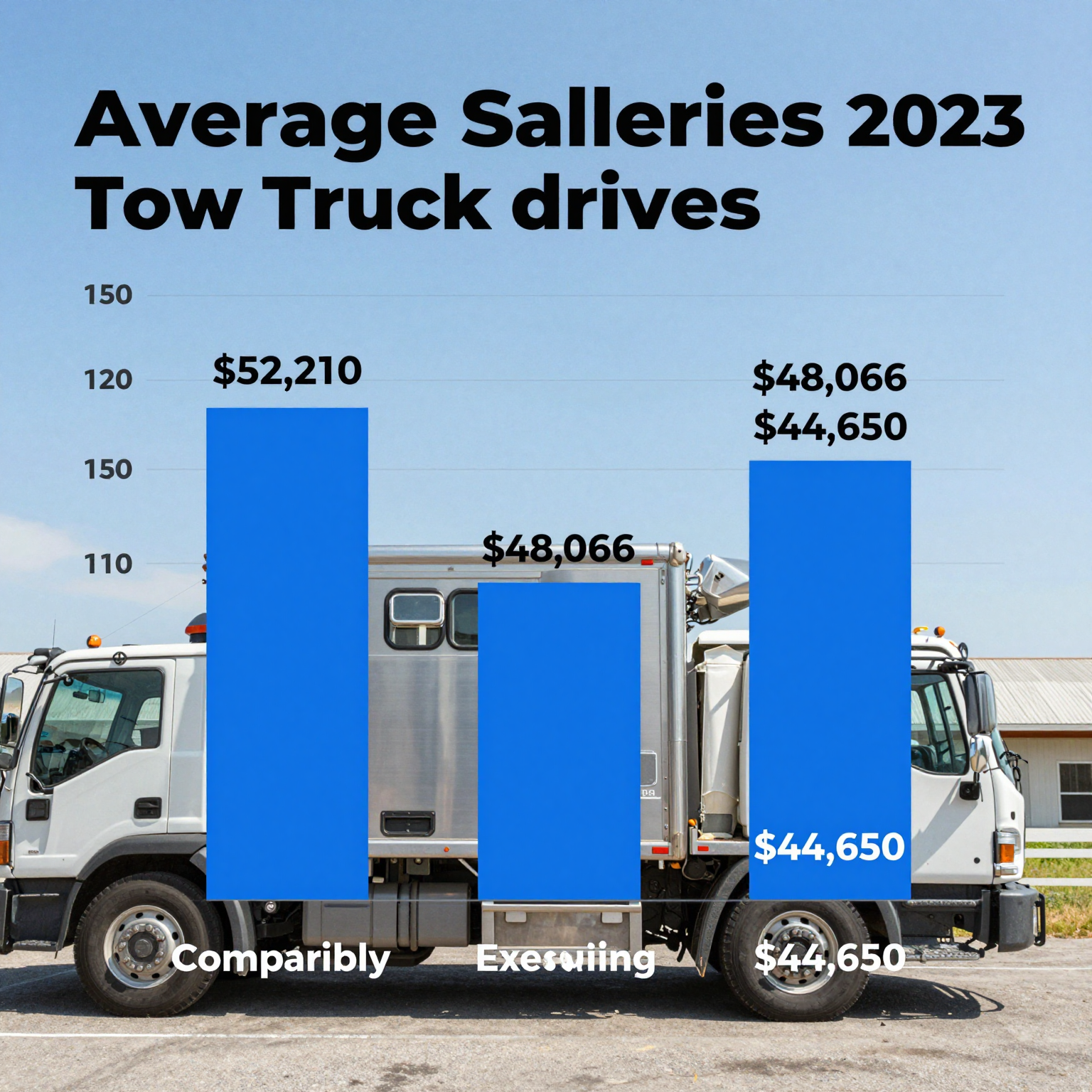
Based on recent data from Comparably, the average annual salary for tow truck drivers is approximately $52,210. This figure accounts for drivers across all levels of experience and includes different types of towing services, such as emergency towing, roadside assistance, and specialty towing.
However, not all reports align. For instance, a report from Executive Towing suggests that the average income in their specified realm is around $48,066, indicating that salaries can be lower depending on the employing organization or region. Another source, Towing, sets the average annual salary even lower at about $44,650.
| Source | Average Annual Salary (USD) |
|---|---|
| Comparably | $52,210 |
| Executive Towing | $48,066 |
| Towing | $44,650 |
Data sources: Comparably, Executive Towing, and Towing (2023 salary reports).
Factors Influencing Salaries
- Location: Salaries can vary drastically between states and cities. For example, urban tow truck drivers in metropolitan areas often earn more than those in rural regions due to higher demand and cost of living.
- Experience: Like many professions, experience plays a crucial role in determining income. Entry-level drivers may start at lower wages while seasoned drivers can make significantly more, particularly if they’re in specialized services.
- Type of Towing Services: Drivers engaged in specialized towing, such as heavy-duty or luxury vehicle towing, often command higher pay than those performing standard light-duty tow services.
In conclusion, understanding how much tow truck drivers make requires consideration of several factors, including location, experience, and the particular services they offer. Those interested in pursuing a career in towing should research local averages and variations to set realistic salary expectations and gain insight into potential earnings. For more information, consider visiting our detailed blog on towing services and what you need to know about the industry. Learn more.
| State | Average Annual Salary (USD) |
|---|---|
| California | $65,000 |
| Texas | $58,000 |
| New York | $61,000 |
| Illinois | $59,000 |
| Florida | $54,000 |
| Alaska | $72,000 |
| Washington | $68,000 |
| Nevada | $65,000 |
| Colorado | $63,000 |
| Arizona | $61,000 |
| New Jersey | $67,000 |
| Massachusetts | $65,000 |
| Pennsylvania | $62,000 |
| Michigan | $60,000 |
| Ohio | $58,000 |

Factors Affecting Tow Truck Drivers’ Earnings
Tow truck drivers play a crucial role in keeping our roads safe and assisting motorists in distress. However, the amount they earn can vary widely based on several factors. Here’s a look at what influences their earnings, including overtime, benefits, and specific towing scenarios, such as accidents or non-emergency situations.
1. Experience and Location
One of the most significant factors determining a tow truck driver’s earnings is their level of experience. Individuals with several years in the industry generally earn more than those just starting out. According to Indeed, the average hourly wage for a tow truck driver in the United States is approximately $21.34, but experienced drivers in urban areas can see higher wages due to demand.
2. Overtime and Working Conditions
Working in the towing industry often requires high flexibility and availability, including weekends and late-night shifts. When drivers work overtime, their earnings increase significantly. Many towing companies offer 1.5 times the regular rate for overtime hours. This increase can substantially raise annual income for those willing to work nights and holidays.
3. Benefits Provided by Employers
Like many jobs, benefits can affect overall earnings. Some companies provide health insurance, retirement plans, and paid time off, contributing positively to a driver’s financial situation. Such benefits can sometimes outweigh a higher hourly wage when evaluating total compensation.
4. Specific Towing Scenarios
Accidents
Responding to accidents is a high-pressure scenario that usually comes with increased pay due to the urgency and complexity of the task. These calls often involve quicker response times and may incur additional fees, resulting in higher earnings for the driver.
Non-Emergency Towing
In contrast to emergency situations, non-emergency towing-like the relocation of vehicles or roadside assistance for minor issues-generally pays less. This type of work is more predictable and often has a fixed payment schedule, which can limit the potential for higher earnings.
Data Insights
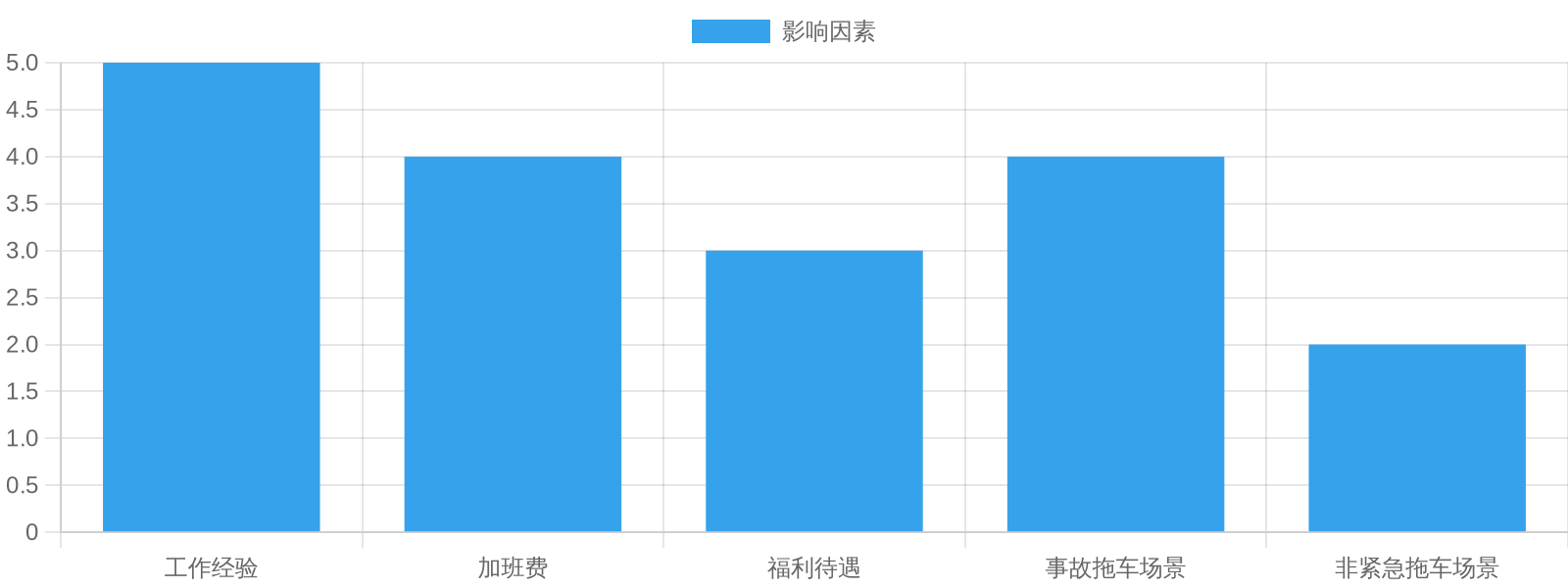
Below is a graph illustrating how various factors contribute to the earnings of tow truck drivers. It highlights the impact of experience, overtime, benefits, and the nature of towing scenarios on income.
Conclusion
Tow truck drivers face a unique array of challenges that influence their earnings. Factors like experience, overtime, benefits, and the type of towing scenarios all play a crucial role in financial outcomes. Understanding these factors can help drivers, auto repair shops, and property managers make informed decisions in their operations.
“You don’t get rich overnight, but if you’re willing to put in the time and handle tough conditions, this career can provide long-term financial stability and a strong sense of pride.”
-Veteran Towboat Captain
The insights from industry experts highlight the challenges and rewards of a tow truck driver’s career, reflecting both the financial aspect and satisfying nature of the job itself. For more information about earnings in the industry, check out our blog on earning potential.
Common Myths About Tow Truck Driver Earnings
Tow truck drivers play a crucial role in our road and city infrastructures. However, misconceptions about their earnings persist, often leading to misunderstandings about the profession. Here are some common myths and the realities that debunk them:
-
Myth 1: Tow Truck Drivers Make a Fortune
Many believe that tow truck drivers earn exorbitant salaries. In reality, the average salary for tow truck drivers in the United States ranges from $44,000 to $55,000 a year, based on various sources including Indeed and reports from Comparably. -
Myth 2: All Tow Truck Drivers Are Independent Contractors
While some tow truck operators are independent contractors, many work for larger companies, which can stabilize earnings and provide benefits. The earned income can significantly vary based on the company and market conditions. -
Myth 3: The Job’s Pay Is Always Steady
Earnings can fluctuate based on several factors, including the time of year, area demand, and the type of towing (e.g., emergency vs. non-emergency). Peak times, such as during the winter or local events, may enhance earnings and bonuses, but slack seasons can lead to a decrease. -
Myth 4: Tow Truck Driving Is Easy Money
The belief that drivers simply wait around for calls is misleading. Most spend long hours on the road, often in adverse weather, and must deal with challenging situations that require physical and mental resilience. -
Myth 5: All Tow Truck Drivers Earn the Same Salary
Indeed, salaries can vary widely depending on experience, geographic location, and the type of service provided. For instance, experienced drivers or those in urban regions may earn more than newcomers or those in rural areas.
These myths can obscure the true nature of the towing profession. Understanding the reality of tow truck driver earnings will help dispel doubts and foster better appreciation for this vital service we often take for granted.
A Case Study of Success: Meet Benjamin, A Tow Truck Driver
Benjamin, a dedicated tow truck driver from Dallas, Texas, began his journey in this challenging but rewarding career over a decade ago. Starting with a modest income of around $30,000 a year as a beginner in the industry, he faced numerous obstacles that initially seemed insurmountable. From long hours to unpredictable working conditions, the road to success in this field was anything but smooth. However, through determination and strategic planning, Benjamin’s story exemplifies how one can transform challenges into triumphs.
The Journey to Success
Benjamin began with a single truck and a vision to establish a reliable towing service. He faced intense competition in the Dallas area, but he soon realized the importance of building a strong reputation for quality and reliability. Networking with local auto repair shops and businesses allowed him to gain referrals, which slowly increased his client base.
In his third year, Benjamin expanded his service to include not just towing, but also roadside assistance. This strategic diversification led to an impressive income growth. According to 2023 statistics, tow truck drivers in the United States earn an average salary of $38,555, but Benjamin’s dedication saw him earning over $60,000 in just five years. Today, he maintains a yearly income of approximately $80,000 due to consistent demand in urban areas.
Challenges Faced
Despite his success, the journey was fraught with challenges. Benjamin experienced:
- Long Working Hours: The nature of the job often required him to work late nights and weekends.
- Physical Strain: The work is physically demanding, involving heavy lifting and operating machinery under varying weather conditions.
- Emotional Toll: Dealing with distressed customers, especially following accidents, has also added a psychological strain to the job.
The Rewards
Benjamin’s perseverance paid off. As he built his business, he invested in additional trucks, expanding his fleet and enabling him to take on more clients. He also implemented a robust training program for his staff, focusing on safety and customer service, which further enhanced his company’s reputation.
Through these efforts, Benjamin not only increased his income significantly but also established a stable, respected towing service in the community. He embodies the entrepreneurial spirit, demonstrating that with grit and a commitment to excellence, it is possible to thrive in even the most demanding of professions.

Conclusion
For aspiring tow truck drivers, Benjamin’s story serves as an inspiration. His ability to adapt to the demands of the industry, manage challenges, and grow an income well beyond the average demonstrates that this profession holds great potential for those willing to put in the effort.
For more insights and tips on the towing business, learn more here.
Trends in the Towing Industry: What Drivers and Operators Need to Know
The towing industry has been experiencing notable trends in recent years, particularly in 2023, driven by various factors including technological advancements, increasing vehicle ownership, and rising demand for roadside assistance. This summary explores key trends, salary growth, and job demand that current and aspiring tow truck drivers should consider.
Industry Growth and Job Demand
Recent data from the American Towing Association reveals that service demand in the U.S. towing industry increased by 5.2% year-over-year. This growth can be attributed to more vehicle accidents and the rising number of vehicles on the road, which creates a consistent need for towing services. Additionally, the job demand within the sector surged by 7.8% in 2023, resulting in the creation of over 120,000 new positions across various towing companies. The integration of advanced technologies, such as GPS tracking and improved dispatch systems, models a trend toward greater efficiency and quicker service response.
Projected Job Growth
Looking at broader trends, the U.S. Bureau of Labor Statistics (BLS) projects that employment for tow truck operators will grow by 8% from 2022 to 2032, which is significantly faster than the average for all occupations. By 2023, approximately 185,000 active tow truck operators were recorded in the U.S., reflecting an increase of nearly 14,000 jobs compared to the previous year. This expansion correlates with heightened traffic incidents and the growing partnerships formed between auto insurance providers and towing networks, emphasizing the industry’s crucial role in emergency vehicle management.
Salary Trends
When it comes to compensation, tow truck drivers can expect competitive salaries. As of early 2023, the average annual salary for a tow truck driver hovers around $52,210 according to Comparably, with a range that varies significantly – from as low as $24,812 to as high as $223,303 depending on factors such as geographic location, experience, and the type of employer. For instance, specialized roles, such as those associated with heavy-duty towing, see average salaries significantly higher, estimated at around $80,000 annually.
Moreover, the average hourly wage for tow truck drivers stands at approximately $21.46, translating to about $44,630 annually based on full-time hours, which is 7% above the national average for similar roles. This suggests that the towing profession not only offers job security but also a respectable pay structure that is likely to improve alongside the sector’s growth.
Emerging Technologies and Market Trends
Some of the notable trends within the towing industry involve the adoption of new technologies. The introduction of electric tow trucks and smart dispatch systems is expected to gain traction as businesses strive for efficiency and sustainability. Increasing environmental awareness among consumers is pushing towing services to adapt by transitioning to eco-friendly practices.
In summary, the towing industry is on an upward trajectory, with growth in job demand and salary expectations indicating a robust future for current and aspiring tow truck drivers. For those interested in pursuing a career in this field, now is an opportune time to explore training and certification, particularly in light of the ongoing technological advancements that are reshaping the sector.
For more insights on the towing industry, consider visiting our blog and learn how to prepare for the changing demands in the towing market.
Projected Salary Growth for Tow Truck Drivers (2023-2026)
| Year | Average Monthly Salary (RMB) |
|---|---|
| 2023 | 8,500 |
| 2024 | 8,700 |
| 2025 | 9,200 |
| 2026 | 9,800 |

Note: This chart illustrates the projected salary trends for tow truck drivers. As seen, there is a gradual increase in the average monthly salary from 2023 to 2026, reflecting ongoing demand in the industry.
For more insights into the towing industry and career opportunities, explore our blog.