
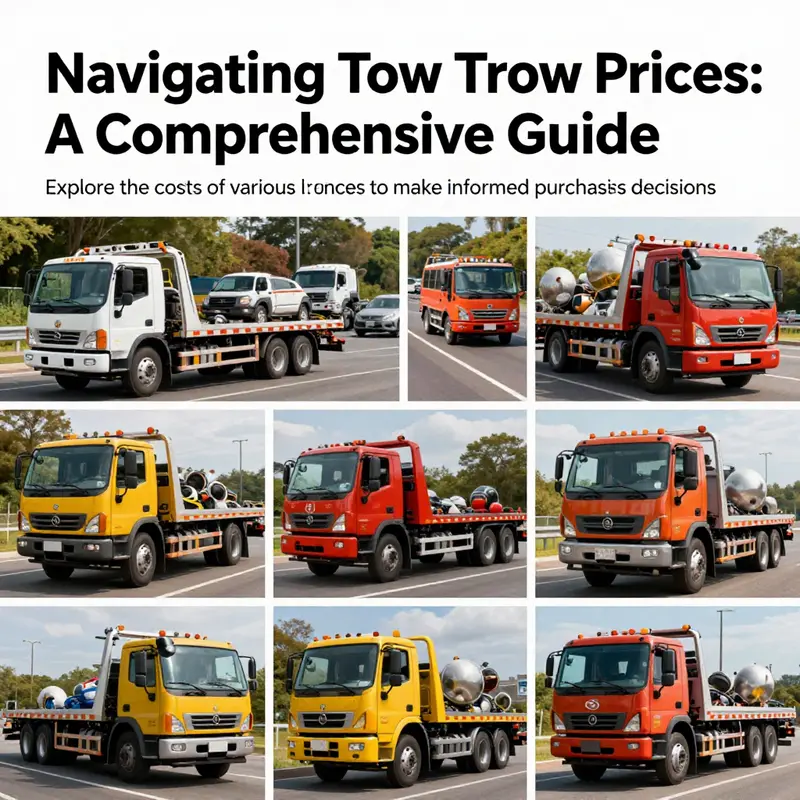
Understanding the price of a tow truck is essential for local drivers, auto repair shops, dealerships, and property managers. Whether you’re considering a light-duty model for everyday use or a heavy-duty option for specialized towing needs, having detailed knowledge of the market can significantly impact your choices. This guide dives into various segments of tow trucks, examining light-duty options, medium-duty choices, heavy-duty models, advanced and specialty trucks, and the used market. Each chapter will equip you with the insight necessary to navigate your purchasing journey effectively.
Tow Truck Dollars: Decoding Light-Duty Options, Prices, and Practicalities
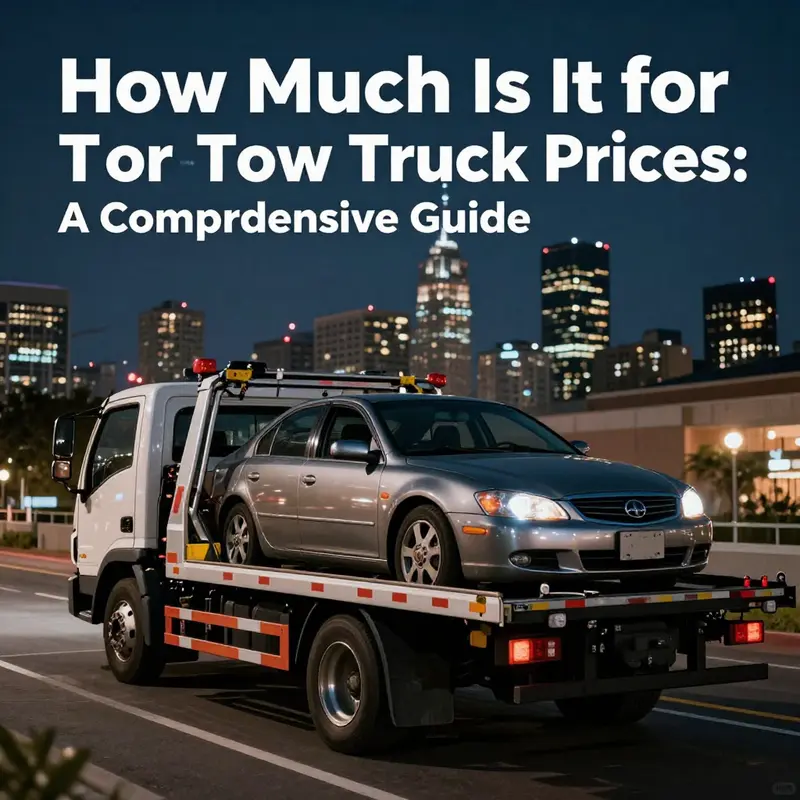
When someone asks, “How much is it for a tow truck?” they usually want a single number to anchor a budget. But light-duty tow trucks sit along a broad price spectrum that mirrors two simple truths: capacity and configuration matter, and so do the choices you make about features, new versus used status, and the broader costs of ownership. In fleets and small businesses alike, a 3-ton to 5-ton light-duty wrecking unit can be the backbone of roadside recovery, local impounds, or on-call dispatch work. Yet no two trucks in this class cost the same, because the heart of the price is what the machine can lift, where the winch and bed are attached, and how much comfort and safety the operator expects during long shifts. In practical terms, buyers should think in tiers. The starting point is a lean, no-frills chassis with a compact winch and a basic bed. The next level adds reliability bearings, a more robust hydraulic system, and smoother suspension. The top tier includes longer reach, better payload distribution, improved lighting and driver ergonomics, and enhanced safety packages. Each tier translates into dollars, and those dollars compound into total ownership costs over years of operation.\n\nThe most immediate price signals appear when you compare capacities within the light-duty range. For 3-ton to 5-ton configurations, market listings from various manufacturers generally present prices in a narrow band. A basic 3- to 5-ton model can start around the low to mid teens, with typical figures landing near the $11,500 to $13,500 range. That spread reflects minimal but meaningful differences in build quality, the confidence of components, and compliance with current emission and safety standards. In many markets, such units are sold with a minimum order quantity of one, which keeps the per-unit price modest for solo operators but can alter terms for a small fleet seeking multiple units at once. As a result, buyers who only need a single light-duty unit may pay less per ton than a larger operation that wants a small fleet configured with uniform features, testing, and dealer finance options.\n\nA slightly broader slice of the market targets 3- to 7-ton capacities. A lighter, more compact model within this band can dip toward the low end of the mid-range, often around the $10,000 to $11,000 mark when offered by a manufacturer that emphasizes simplicity and quick turnaround. These offerings, while economical, usually emphasize core recovery tasks: towing passenger cars or compact commercial vehicles with dependable hydraulics and straightforward maintenance. They can be an excellent entry point for a shop that needs speed and reliability without the frills. On the other hand, when buyers seek more capability or longer service life, prices naturally rise. A 3- to 7-ton lineup with enhanced components, stronger frame reinforcement, and upgraded operator interfaces might push the sticker into higher territory, still without crossing into premium territory.\n\nFor a more defined mid-range option, a common 4×2, 5-ton wrecking configuration occupies another important rung. In many cases, this category falls in the $18,000 to $39,800 neighborhood, depending on the configuration chosen and optional features added. The spread here is often driven by the bed design (whether it’s a flatbed with a tow attachment or a dedicated winch-and-wrecker setup), the winch’s line pull and motor duty cycle, and the add-ons that improve on-site efficiency. Buyers should weigh the value of these add-ons against anticipated workload. A modern operator will consider a robust winch with adequate line capacity, a reliable hydraulic system that minimizes downtime, and ergonomic controls that reduce operator fatigue during long shifts. This is where many small fleets find the best balance between upfront cost and daily productivity.\n\nThe discussion wouldn’t be complete without acknowledging the high end of light-duty pricing. While the lines above describe typical market behavior, there are configurations designed for rapid response, extreme reliability, and extended daily use that carry premium price tags. In the light-duty segment, such upgrades usually surface as enhanced safety packages, weatherproofing for harsh environments, longer service life expectations, and integration with fleet-management systems. Buyers may also encounter more advanced control interfaces, quicker hydraulics, and reinforced frames designed to deliver dependable performance under repeated loading. These elements push price upward, but they also reduce the risk of downtime and the cost of repairs, which, for many operators, translates into meaningful long-term savings.\n\nThe used-truck market is another crucial factor in the light-duty equation. For buyers open to pre-owned equipment, the typical range tends to run from roughly $15,000 to $25,000. This window reflects a broad variety of chassis ages, wear levels, and post-sale maintenance histories. A used unit can offer substantial cost savings upfront, but it also invites careful due diligence: a check on winch wear, the integrity of the bed and mounting, hydraulic fluid condition, and the overall structural health of the frame. The total cost of ownership for a used truck must account for potentially higher maintenance needs, more frequent part replacements, and a shorter remaining lifespan compared with a newer model. The balance tilts toward affordability for startups, micro-fleets, and operators who can perform routine maintenance in-house or with a trusted local technician.\n\nThe journey from sticker price to total ownership involves more than the metal and hydraulics. Even at the light end, prospective buyers should budget for essential accessories and supporting gear that extend the truck’s utility. A winch with the right capacity, towing straps, wheel lifts, towing dollies, and axle pads are not luxuries; they are the core tools that determine how quickly a job can be resolved and how safely it is executed. Emergency lighting, communication systems, GPS tracking, and fleet-management software contribute to a professional operation by improving visibility, coordination, and accountability. Safety gear—cones, reflective vests, flares—ensures compliance with local regulations and protects operators in busy roadside environments. Adding all of these elements can push the total purchase price up by several thousand dollars, a cost that many buyers find justified by the resulting productivity gains and the reduced risk of delays or accidents.\n\nIt’s worth noting how price signals shift with geography and import practices. Freight costs and delivery timelines can influence the total outlay, especially for buyers importing units from other regions. In some cases, the landing price can rise once shipping and import duties are added. Prospective buyers are advised to contact suppliers directly, compare terms, and request written quotes that detail what is included in the base price and what is considered optional equipment. This practice helps prevent sticker shock and clarifies the line between a bare chassis and a fully functional recovery unit that a shop can rely on day after day.\n\nFor readers seeking broader perspectives and ongoing industry conversations, the blog offers insights into ancillary topics like fleet readiness, maintenance standards, and emergency-response planning. Blog provides a window into how shops manage equipment life cycles, what recovery operators prioritize when evaluating new purchases, and how emerging practices in standards and readiness shape capital expenditure decisions. While individual needs will vary, understanding the price bands across light-duty options—along with the supplementary costs of equipment, maintenance, and compliance—helps frame a realistic budget for entering or expanding a light-duty tow truck operation. Buyers should approach the market with a clear picture of their daily workflows, the terrain and traffic conditions they encounter, and the types of vehicles they are most likely to recover. These factors, more than any single price tag, determine which configuration makes the most sense and how to allocate funds for success over time.\n\nExternal reference: for a practical glimpse of available listings and price ranges in the global marketplace, see the industry catalog and related listings online, which illustrate how base prices evolve with features and region. https://www.alibaba.com/product-detail/Light-Duty-Recovery-Truck-Euro-3-Emission_1600425881613.html
Medium-Duty Tow Trucks: Costs, Capabilities, and Practical Choices for Real-World Towing
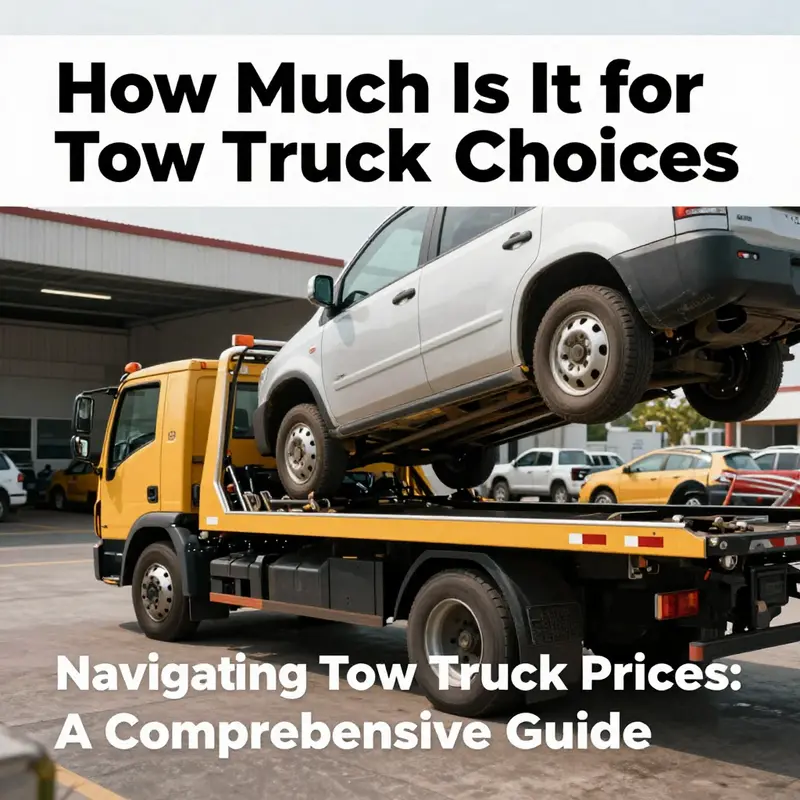
Choosing a medium-duty tow truck starts with a clear sense of what you need to tow and where you operate. In the spectrum of tow solutions, the medium category often lands between the economy of light-duty units and the raw lifting power of heavy-duty wreckers. For many fleets and independent operators, a 5-ton, 4×2 configuration with a wheel-lift or a mid-range flatbed offers the best balance of versatility, reliability, and total cost of ownership. The path to the right purchase hinges on understanding price ranges, body styles, and the long list of duties that will ride along with the truck every day.
Price is the most immediate question, and in the medium-duty segment it can vary widely depending on what you prioritize. New medium-duty tow trucks typically begin in the mid-40s on the lower end, but most buyers will encounter price points that land somewhere between roughly $75,000 and $150,000 for standard 3–10 ton configurations with appropriate hydraulics, safety features, and a solid warranty. The gap between the entry-level new models and the better-equipped packages reflects a long tail of options, from upgraded winches and hydraulic systems to enhanced chassis and modular bodies designed for specific recovery tasks. When you push beyond the standard configurations—adding a rotator boom, extended reach, or heavier lifting capabilities—the price can climb past the $150,000 mark, entering a space reserved for specialized operations and demanding environments. For buyers focused on value, basic wheel-lift setups exist at lower price points; a basic, entry-level wheel-lift unit can start around $15,500, and a well-equipped 3–5 ton wheel-lift model typically lands in the $29,000 to $52,900 range. Those figures reflect the balance between compact footprint and the essential reliability necessary for urban recoveries and routine roadside work.
The type of medium-duty platform you choose is a major driver of cost and suitability. Wheel-lift tow trucks are often the most affordable option within this category and are well suited for urban recoveries, where speed and efficiency are paramount. They excel in quick hook-and-go operations, where the weight of the vehicle and the vehicle’s location can be managed with a lighter, more agile rig. Flatbed versions, by contrast, command higher upfront costs but offer distinct advantages in terms of safety and vehicle compatibility. When transporting all-wheel-drive or low-ground-clearance vehicles, flatbeds reduce the risk of ground contact and damage, making them a preferred choice in many fleets and for exclusive service calls that demand careful handling. The flatbed’s longer chassis,_loader mechanism, and the need for a robust bed and winch system all contribute to the higher price tag. In the upper end of the medium-duty spectrum, rotators occupy a niche reserved for specialized operations. A rotator brings 360-degree rotation and high-clearance lifting to the scene, enabling complex recoveries and heavy-duty incidents. Because of this capability, rotators sit at the far end of the market in terms of price and deployment, often exceeding the $150,000 threshold and entering the territory typically associated with municipal fleets and emergency-responder contracts.
Capacity and configuration within the medium-duty segment typically span from roughly 3 to 30 tons, though the practical middle ranges of 5 to 10 tons cover most everyday towing and recovery tasks in urban and regional contexts. The 5-ton capacity is a common target for many buyers because it aligns with the typical burden of mid-sized vehicles, SUVs, and light trucks encountered on a daily basis. Engine and drivetrain choices—whether 4×2 or other drivetrains designed for weight distribution and traction—play a critical role in durability and operation costs. Higher-capacity variants require more robust hydraulics, stronger frames, and substantial powertrain components, all of which contribute to higher maintenance and ownership costs even before fuel efficiency and sustainment become a factor.
Beyond the sticker price, the total cost of ownership for a medium-duty tow truck includes several predictable components. Financing terms shape the monthly burden, while insurance costs reflect vehicle value, usage, and the risks associated with towing operations. Maintenance expenses rise with hydraulic systems, weldments, winches, and the service life of components exposed to routine stress—metal fatigue, heat, and the corrosive elements faced on the road. Fuel efficiency matters, too, though many medium-duty models prioritize torque and reliability over miles-per-gallon, especially when heavy loads and long shifts are routine. Warranty coverage provides a safety net for early-life issues and can influence long-term cost just as much as the purchase price. When planning a purchase, operators should estimate preventive maintenance cycles, expected annual mileage, and the likelihood of specialized recoveries that might require heavier duty overrides or aftermarket add-ons.
The decision between new and used adds another layer to the cost calculus. The new market offers fresh warranties, predictable performance, and the latest safety features, but the price tag reflects that certainty. The used market for medium-duty tow trucks often sits around $15,000 to $25,000, depending on age, condition, maintenance history, and the presence of essential equipment. These figures can be higher for well-maintained vehicles with documented service records, while older units with high miles or outdated components might push the price downward. For buyers who value a shorter procurement cycle and lower upfront risk, a certified pre-owned program or a well-vetted used unit with a recent service history can represent a compelling middle path. Regardless of whether a buyer chooses new or used, it is crucial to assess the core systems—winch capability, hydraulic integrity, bed or wheel-lift mechanics, electrical systems, and the availability of spare parts and service support.
For operators weighing options, a practical framework emerges: match the body style to the job mix, and align the long-term costs with anticipated utilization. If urban recoveries and rapid response are the core of the business, a well-equipped wheel-lift or a compact flatbed can deliver the best return on investment by balancing upfront cost against daily operational needs. If the work frequently involves challenging scenes, vehicles with higher load capacity and safer transport mechanics may be worth the premium. In cases where the fleet’s demand stretches into specialized recoveries or emergency response, it may be prudent to evaluate a rotator or other advanced configurations, recognizing that the investment must be justified by the expected frequency and severity of the recovery tasks. The budgeting process should include not only purchase price but also the reliability of the service network, the ease of obtaining spare parts, and the anticipated maintenance cadence, which together determine downtime and ancillary costs over several years.
To guide readers toward credible sourcing without overemphasizing any single supplier, consider platforms and dealers that provide transparent specifications, financing options, and test-drive opportunities. It’s useful to explore platforms that connect buyers with a broad range of models and configurations, while also confirming compliance with local regulations and warranties. The landscape is diverse, and the right choice hinges on aligning the vehicle’s capabilities with the operator’s typical call profile, the geography of service areas, and the expected annual workload. For readers seeking broader context on fleet readiness and standardization that relates to this topic, a related resource offers broader insights into how tow operations integrate with emergency-response planning and fleet management. You can learn more at the Santa Maria Tow Truck blog, which hosts a range of articles on fleet needs, maintenance, and readiness: santamariatowtruck.com/blog/.
In the end, the question of how much a medium-duty tow truck costs is answered not by a single price tag but by a careful alignment of function, reliability, and total ownership economics. A starter wheel-lift that can perform the basics will be cheaper upfront but may incur higher maintenance costs if not chosen with care. A flatbed offers safer transport and broader vehicle compatibility at a higher price, while a rotator—though expensive—reserves its place for specialized operations and municipal contracts. Prospective buyers should determine the expected mix of recovery scenarios, the typical distances involved, and the required uptime. They should also consider the availability of parts and service in their region, the potential for trade-in value, and the financial structure that will best fit their cash flow. The medium-duty category thus represents a pragmatic midpoint where smart specification and solid after-sales support translate into dependable performance on the road and a predictable, manageable cost profile over the life of the vehicle.
External reading can provide additional price guidance and supplier context for those exploring international sources or broad market options. A representative listing on international marketplaces illustrates how the price spectrum in this segment can look when buyers weigh factory specifications, freight costs, and local duties: https://www.alibaba.com/product-detail/Medium-Duty-Tow-Truck-For-Sale_1600584115171.html
Heavy-Duty Tow Trucks: Unpacking the Price of Power for Large-Scale Recoveries
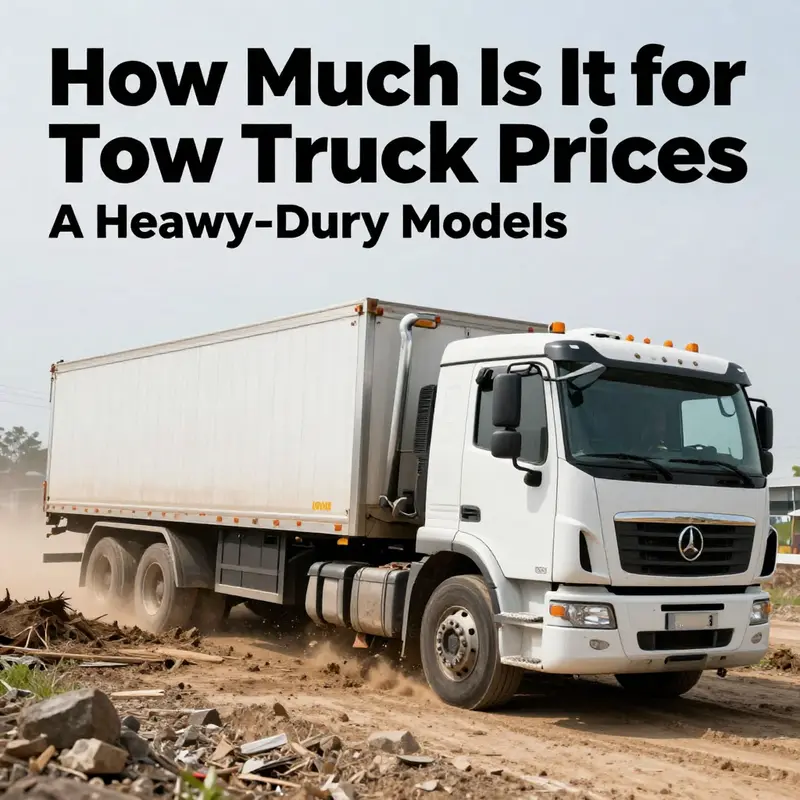
Heavy-duty tow trucks are priced as a range rather than a single figure. The sticker price reflects capacity, build quality, and intended use, with a 50-ton class model often landing in the mid range between 40,000 and 70,000 dollars. Buyers must factor in total cost of ownership including maintenance, parts, training, and service networks. A higher upfront price may be offset by greater uptime and lower long-term expenses in demanding recovery scenarios. For fleets with frequent large recoveries, investment toward rotator-capable equipment or additional stabilization features can pay off through reduced call-backs and safer operations. The decision should align with expected job mix, geographic conditions, and risk tolerance. Standardization and predictive maintenance become part of the value proposition, ensuring the asset remains available when emergencies strike. This context helps buyers connect the price tag to outcomes of reliability, safety, and efficiency on the road.
Tow Trucks Unveiled: The Price Landscape of Advanced and Specialty Recovery Units
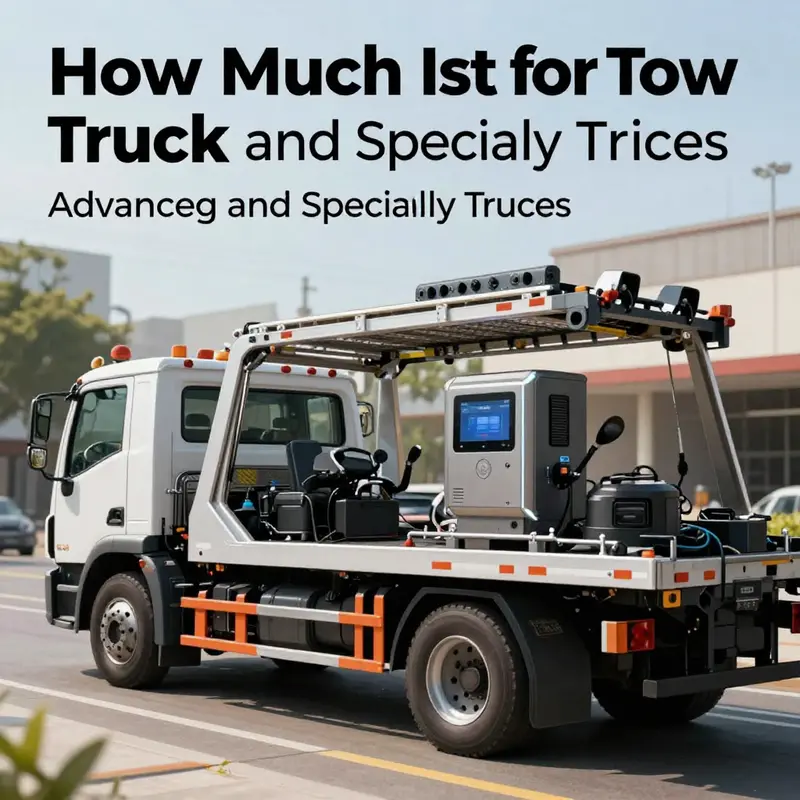
When businesses consider adding a tow truck to their fleet, price is more than a sticker price. Advanced and specialty recovery units span from light-duty models designed for routine tows to heavy-duty rigs capable of multi-vehicle recoveries in demanding environments. The upfront price reflects size, power, and the engineering required for reliability over many years of operation. Understanding the owner’s total cost of ownership means looking beyond sticker price to maintenance, fuel, insurance, parts availability, and on-board systems.\n\nLight-duty tow trucks, built for standard recoveries, often sit at the lower end of the new-truck price spectrum. A compact unit with a basic hydraulic system and a short-range winch might be priced around $25,000 to $35,000. These models are valued for on-scene responsiveness in urban settings, with easier maintenance and lower insurance costs. Options such as a wrecker body versus a flatbed can subtly shift long-run costs depending on job mix and vehicle handling needs.\n\nMedium-duty configurations, such as 4×2 chassis around five tons, typically start higher, around $40,000 to $60,000, with prices climbing as capabilities increase. These trucks handle larger sedans and light trucks and often include stronger hydraulics, better stability, and more safety features. The total cost of ownership rises with higher utilization, but improved efficiency on every call can yield meaningful savings over time.\n\nHeavy-duty and multi-axle units, designed for highway incidents and multi-vehicle scenes, commonly range from roughly $70,000 to $150,000 or more depending on options, hydraulics, and chassis. Rotating-boom or high-capacity flatbed configurations carry premium prices but can dramatically reduce on-scene time and damage to towed vehicles, delivering value through faster clears, higher safety, and extended service life. Operational costs in this tier include more substantial maintenance, specialized operator training, and larger fuel demands.\n\nBeyond standard tiers, specialized units such as rotating booms with 360-degree reach can start around $150,000 and may exceed $300,000 for top-end configurations. These machines are aimed at emergency services and fleets needing rapid, precise recoveries in complex environments, and their value rests in uptime, safety, and the ability to perform demanding tasks with minimal external help.\n\nUsed-market guidance notes that pre-owned tow trucks can offer attractive price points, typically in the $15,000 to $40,000 range depending on age, mileage, and configuration. Buyers should perform thorough inspections of hydraulics, structural integrity, and safety systems to gauge remaining life and maintenance needs. For buyers with budget constraints, a well-vetted used unit can bridge toward a future new-purchase investment, though it may come with higher ongoing upkeep.\n\nFinally, when budgeting, fleets should consider the total lifecycle costs: maintenance planning, spare-parts accessibility, training, insurance, and potential downtime. If a fleet commits to standardized configurations, volume purchases or multi-unit orders can unlock price advantages on larger flatbeds or heavy-duty setups, improving lifecycle economics even if the upfront cost is higher.
Behind the Tow: Decoding Price Tiers, Used Markets, and the Real Cost of a Tow Truck
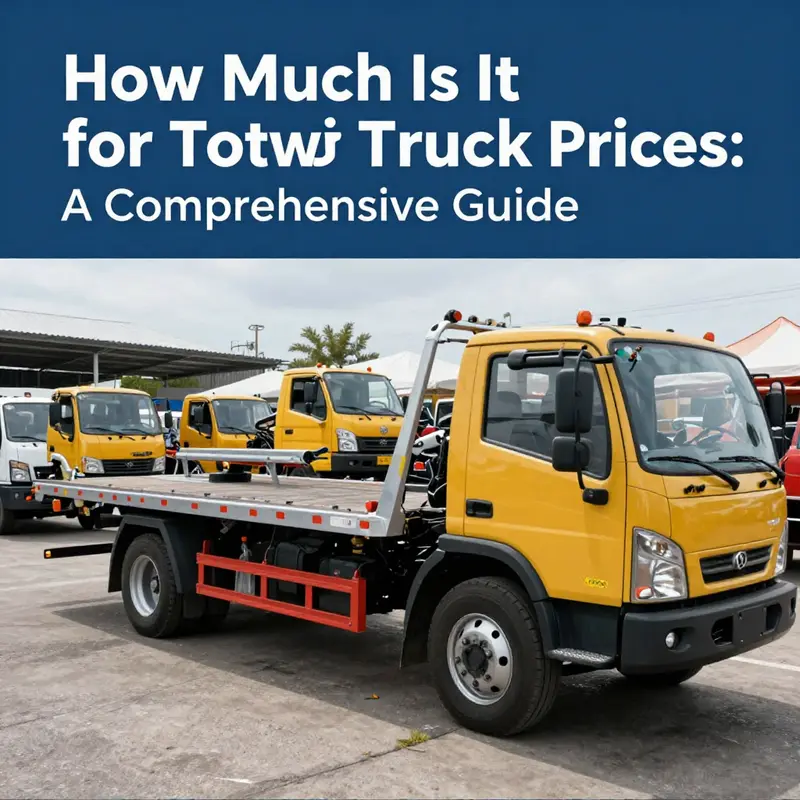
When a towing operation depends on a single piece of equipment, price is more than a number on a sheet. It becomes the hinge on which reliability, service scope, and risk balance. The cost to acquire a tow truck isn’t a flat sum but a spectrum shaped by capacity, drivetrain, build quality, and whether the unit is fresh off the line or carried over from someone else’s fleet. This aligns with a broader truth in the industry: the right investment isn’t always the most expensive option, but the option that best matches a business’s daily load, its peak recovery needs, and its tolerance for downtime.
Across the market, light-duty tow trucks—compact, 5- to 8-ton classes with winch or flatbed configurations—tend to anchor the lower end of the formal price scale. A brand-new unit in this category can sit in the mid- to upper- twenty-thousands, while a similarly specified used machine often lands in the upper twenty-thousands. The point is simple: if you are handling routine vehicle recoveries and small- to mid-sized sedans or SUVs, a basic new setup may run roughly in the $18,000 range for a basic 4×2 with a five-ton capacity, and up toward the mid-twenty-thousands for a more polished flatbed-wrecker combo. These figures reflect a balance between simple chassis, standard winches, and a configuration that prioritizes safe loading and transport over extreme recovery capability.
Stepping into the mid-range, the 4×2, five-ton tier represents a different calculus. These machines are capable of handling larger vehicles and provide a more robust platform for repeated deployments across busy urban corridors or highway incidents. Prices here start around the high teens to the low twenties of thousands for basic configurations, depending on the specific equipment fit, like the presence of a bed-mounted winch, wheel-lift options, or auxiliary lighting. The key takeaway is that the mid-duty class introduces a meaningful jump in lifting power and stability, which translates to higher purchase costs but also to greater versatility in day-to-day operations. In practice, agencies and small fleets often evaluate the incremental value of a stronger winch or a larger reel against anticipated call volume and average vehicle weight in their service area.
At the heavier end, eight-by-four chassis in the 50-ton class push the price envelope further. These heavy-duty rigs are foundational tools for more demanding recoveries, including larger commercial vehicles, machinery, and multi-axle incidents. A new unit in this category typically spans a broad spectrum—roughly from forty thousand to seventy thousand dollars—reflecting not only the enlarged mechanical footprint but also the engineering required to maintain stability when hoisting heavy loads, often in challenging terrain or accident scenes. Ownership costs rise with the scale, because maintenance, component wear, and insurance premiums align with the capacity and the duty cycle of the fleet. The market understands this dynamic and prices accordingly, recognizing the long-term savings in reliability and uptime when the truck is appropriately matched to the work profile.
Beyond the core categories lies the high end: rotator tow trucks with 360-degree rotating booms. These machines are designed for complex and high-risk recoveries, including overturned vehicles and difficult access scenarios where a conventional wrecker would struggle. The price for these advanced systems sits well into the six-figure range, typically starting around $150,000 and climbing to well beyond $300,000 depending on the integration of hydraulics, stabilization gear, and automation. It is a different world of capability and complexity—one where the upfront investment is tied to specialized operations, rapid response requirements, and the enterprise-level service profile that justifies such a level of machinery.
Yet the conversation about price cannot stop with new equipment. The used market paints a broader, sometimes more economical picture, especially for new fleets or regional operators who balance budget with demand. As of early 2026, the market for used tow trucks showed a wide spread—from roughly $28,000 up to about $90,000, depending on age, condition, and configuration. A used four-wheel-drive flatbed in the three-ton class can be a surprisingly affordable entry point, with listings around the upper twenty-thousands to the low thirties for dependable platforms that deliver fuel efficiency and durable construction. Such options often come with several years of remaining service life, though buyers should plan for meticulous inspection, potential refurbishment, and the incremental maintenance that typically accompanies older equipment.
A concrete example, stripped of branding, helps anchor these figures. A used compact 4×2, roughly a three-ton flatbed wrecker, has been reported in today’s listings around the high twenty-thousands to just over thirty thousand dollars. It’s the sort of acquisition that works for a smaller operation eager to establish a reliable capability without overspending. Conversely, a newer or better-equipped used truck in the five-ton class can command closer to fifty thousand dollars, reflecting upgrades like a more capable winch, a sturdier bed, or enhanced safety features. On the other end of the spectrum, a rotator in the used market can be extraordinarily expensive, driven by the novelty and specialized utility of a 360-degree rotating boom. While you may see used rotators approaching the higher end of the six-figure range, the overall message remains clear: the used market offers a way to spread the cost over a longer operational life, provided maintenance—both scheduled and reactive—remains disciplined.
In weighing new versus used, the decision is rarely about sticker price alone. It is a lifecycle calculation: anticipated utilization, downtime risk, maintenance cadence, and residual value on resale. A new light- or mid-duty unit inherently reduces initial maintenance surprises and potentially offers warranty coverage that can lower long-run risk. But a carefully chosen used unit can deliver years of dependable service at a fraction of the new-price cost, provided it has not been pushed beyond its limits and its history is transparent. It is here that buyers must step beyond glossy listing photos and examine the actual condition: the hours on the engine, the service history of the hydraulic system, the integrity of the winch drum, and the status of the electrical and lighting packages. In truth, the difference between a bargain and a costly mistake often shows up not in the contract price but in the cost of unplanned downtime and spare parts.
A further dimension is the type of tow operation a fleet supports. A flatbed, favored for its safety with modern cars and lower repair risk to the towed vehicle, tends to be a prudent choice for routine road service and urban recoveries. It is easier to maintain and generally safer for delicate powertrains and low-clearance vehicles than a traditional wheel-lift or drum-winched unit. Rotator trucks, by contrast, are optimally deployed in environments where complex recoveries are a regular hazard—on highways, mountain passes, or accident scenes where stability and precision matter most. Their higher price is justified when the business case relies on fast, expert interventions in difficult conditions, not for everyday, light-duty tasks. Owners should align equipment choice with the actual call profile, ensuring the asset’s capabilities are matched to the service’s recurring needs rather than chasing capability for its own sake.
The marketplace for used and new listings often unfolds across global platforms, and buyers are wise to triangulate between price, provenance, and features. It may be tempting to look at a single listing and assume it represents the market; in reality, prices reflect a mosaic of equipment age, maintenance history, and the specific configurations installed on each truck. Buyers should parse the details: whether a unit comes with a robust recovery winch and stabilization gear, the condition of the non-drive train components, and the presence of essential safety features and lighting packages. To glean broader insights into how fleets price and value these assets, it helps to consult industry content and community knowledge. For broader context on fleet readiness and standardization, read the Santa Maria Tow Truck blog. Santa Maria Tow Truck blog.
As a practical framework, prospective buyers can translate price observations into a budgeting exercise that considers total cost of ownership rather than upfront cost alone. Include anticipated maintenance, regular inspections, potential component replacements, insurance premiums that scale with capacity and risk, and the impact of downtime on service levels. A compact three-ton used flatbed might require less ongoing capital outlay but could demand more frequent minor repairs; a five- to six-ton newer unit may carry higher insurance and finance costs but benefit from longer intervals between major overhauls. The decision is rarely a simple calculation of price versus performance. It is a careful balance of the operational reality, the risk tolerance of the organization, and the strategic value of uptime in serving customers when they most need it.
Ultimately, the right choice depends on the specific duties the fleet expects to perform. Routine towing and recovery of standard passenger vehicles may be well served by a dependable light- to mid-duty unit with a flatbed, offering safety, efficiency, and reasonable life-cycle costs. Emergency response and more demanding recoveries, including challenging terrain or overturns, justify investing in heavier-duty equipment or even a rotator when the service profile justifies it. The market’s price bands reflect these different roles: lower upfront costs paired with moderate capabilities, versus higher investments for performance, resilience, and specialized function. Regardless of where a buyer lands on the spectrum, the emphasis should be on aligning procurement decisions with the actual workload, maintenance discipline, and the risk posture of the service area. The goal is to secure a vehicle that not only handles today’s tasks efficiently but also remains a reliable backbone through tomorrow’s fluctuations in demand.
External resource: https://www.alibaba.com/showroom/used-tow-trucks.html
Final thoughts
Navigating the complexities of tow truck pricing can appear daunting, but with a clear understanding of the various options, you are better equipped to make informed decisions. From light-duty to heavy-duty models, and even advanced specialty trucks, knowing the pricing spectrum enables local drivers, auto repair shops, dealerships, and property managers to select the right tow truck for their needs. Remember, every choice is a step towards ensuring reliability and effectiveness in your towing operations.