
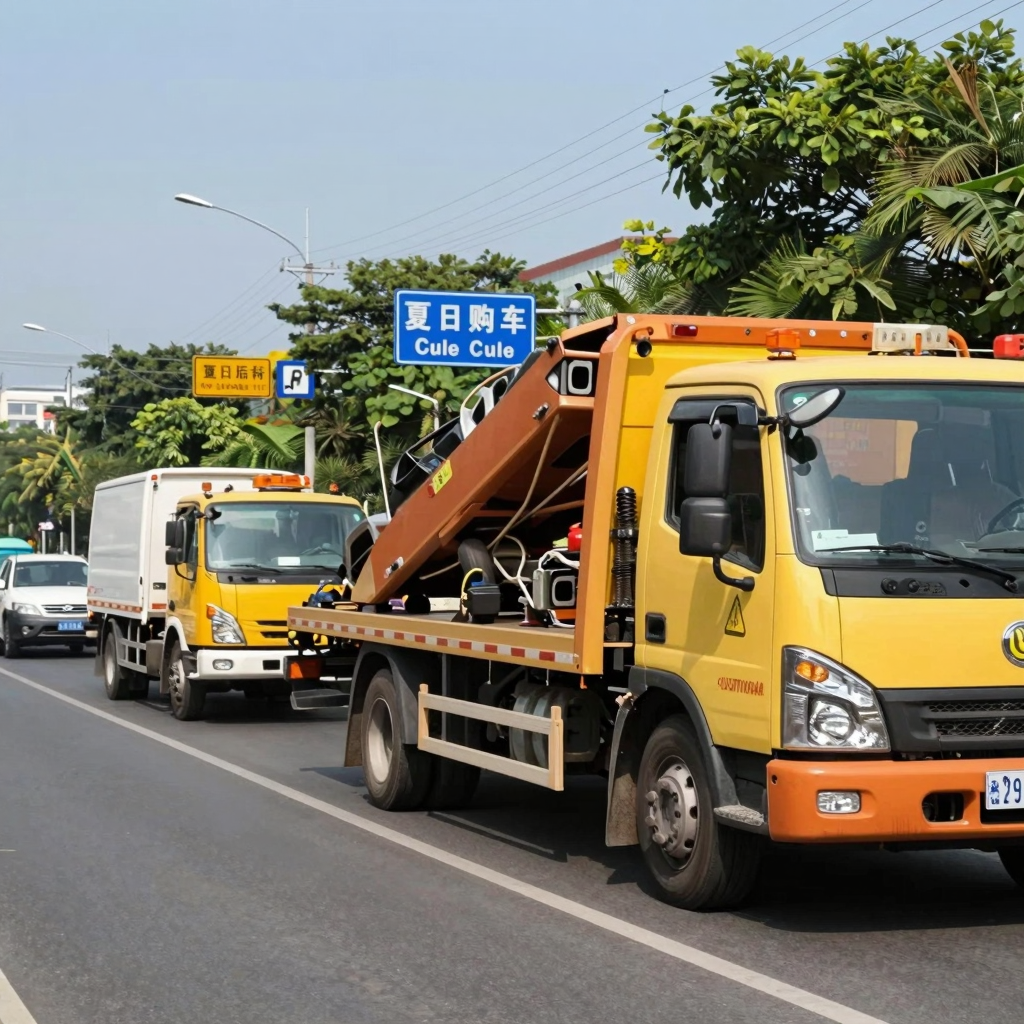
In times of crisis, when vehicles break down or accidents occur, the presence of tow trucks becomes not just a comfort but a crucial lifeline. Understanding the dynamic role of these vehicles in emergency situations is essential, especially for local drivers who may find themselves in distress on the road. Tow trucks do more than just haul away broken cars; they serve as the backbone of roadside safety, ensuring that incidents are managed swiftly and efficiently. Moreover, familiarity with safety regulations governing towing services can empower drivers, fostering a safer driving environment for everyone. In this context, the towing industry not only impacts the immediate experience of distressed drivers but also plays a vital role in upholding public safety standards that protect all road users.
Common Scenarios Where Tow Trucks Are Used
Tow trucks are invaluable in various situations, ensuring safety and convenience for drivers and property managers alike. Here are five common scenarios:
- Vehicle Breakdowns: When a car experiences mechanical failure or battery issues, tow trucks can transport the vehicle to a nearby garage for repairs.
- Accidents: After a vehicular accident, tow trucks clear the scene, removing damaged cars and ensuring the safety of other drivers.
- Illegal Parking: Property managers often rely on tow trucks to remove vehicles parked without authorization on private lots.
- Flat Tires: For drivers unable to change their tires, tow trucks offer assistance in transporting the vehicle to a service station.
- Weather-Related Incidents: In adverse weather conditions, such as snow or flooding, tow trucks help stranded drivers reach safety.
For a deeper understanding of towing regulations and practices, you can learn more about spotting illegal towing or explore the importance of emergency response in everyday scenarios.
| Type of Tow Truck | Size | Capability | Common Uses |
|---|---|---|---|
| Flatbed Truck | Large | Can tow large vehicles | Ideal for transporting cars and trucks |
| Wheel-Lift Truck | Medium to Large | Tows vehicles with two wheels | Common for lightweight, front-wheel vehicles |
| Hook and Chain Truck | Medium | Can tow vehicles using a chain | Best for wrecked vehicles and quick recoveries |
| Integrated Truck | Large | Built-in wheel lift and body | Versatile for heavier vehicles and tasks |
| Heavy-Duty Tow Truck | Very Large | Can tow heavy-duty vehicles | Used for buses, heavy trucks, and machinery |
| Motorcycle Tow Truck | Small | Specialized for motorcycles | Ideal for transporting motorcycles safely |
Tow trucks play a critical role in maintaining road safety and order by removing improperly parked vehicles, recovering abandoned cars, and assisting drivers in distress. However, their operation is not without legal scrutiny. Local and state regulations govern tow truck operations to ensure that they are conducted fairly and safely.
Local Regulations
Local jurisdictions often have specific ordinances that provide guidelines on the following aspects:
-
Licensing and Registration: Tow truck operators must obtain the necessary permits and may be required to register their vehicles with the local government to ensure compliance with safety standards.
-
Signage Requirements: Many areas mandate proper signage in parking lots to inform drivers of towing policies. This transparency is essential to prevent illegal towing and protect local drivers.
-
Rates and Fees: Local governments may establish regulations regarding the maximum fees that operators can charge for towing and storage. This is designed to protect consumers from price gouging.
-
Reporting Requirements: Some municipalities require tow truck operators to report every tow to the local police department. This promotes accountability and helps ensure that tows are justified and properly documented.
State Regulations
State laws may vary significantly, but they generally cover similar themes:
-
Vehicle Standards: Tow trucks must meet specific safety and operational standards mandated by state agencies. This includes regular inspections to ensure that the vehicles are safe for public use.
-
Driver Training: Some states require tow truck drivers to receive certification and training in safe towing practices, emergency response techniques, and customer service.
-
Consumer Protection Laws: These laws aim to protect drivers from illegal towing practices. For example, state laws often require that drivers be made aware of their rights regarding the towing of their vehicles.
Impact on Local Drivers and Property Management
For local drivers, these regulations are crucial as they create a safety net against unfair towing practices. By understanding their rights, drivers can be better equipped to handle potential conflicts or disputes with towing companies.
For property managers and homeowners’ associations (HOAs), knowing the regulations is equally vital. Compliance not only helps in managing parking more effectively but also protects the property from liability claims. It is critical for these entities to adopt clear guidelines and signage that align with local laws to avoid misunderstandings with tenants and guests.
In summary, understanding local and state regulations surrounding tow trucks is essential for drivers, property managers, and towing companies alike. Compliance with these laws fosters accountability and fairness within the towing industry, ensuring that all parties are treated justly.
For more details on recognizing illegal towing practices, learn more here.
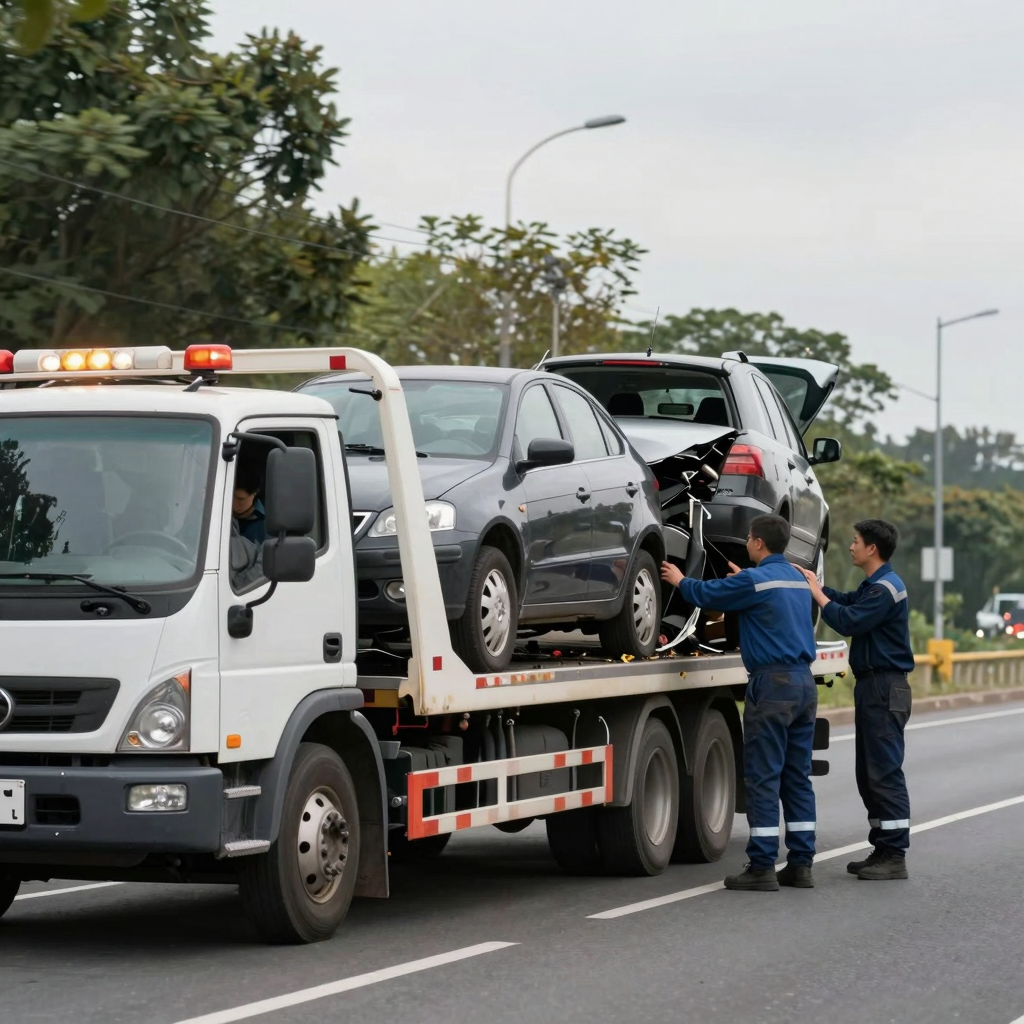
In summary, tow trucks play a critical role as emergency vehicles, significantly contributing to road safety and the well-being of drivers across the community. Their primary function is to assist vehicles that are disabled or involved in accidents, thereby maintaining the flow of traffic and preventing further incidents. The presence of tow trucks not only alleviates the stress and danger associated with roadside breakdowns but also ensures that local roadways remain safe and accessible for everyone.
Moreover, local drivers, auto repair shops, property managers, and HOA administrators all benefit from the services provided by tow trucks. These vehicles are not just for towing; they are essential support resources during emergencies, providing peace of mind to those who face unexpected roadside issues.
As we recognize the importance of these vehicles, it’s important for everyone in the community to appreciate their role in emergency situations. By understanding and respecting the work of tow truck operators, we can all contribute to a safer driving environment. If you’re interested in learning more about how tow trucks respond to roadside emergencies, check out this article.
By supporting local towing services, we strengthen the safety net for our community, ready to respond when needed the most. Remember, a well-prepared towing service is a key element in ensuring roadways remain safe and efficient.
Tow Trucks in Emergency Services: Expert Insights
Tow trucks play a crucial role in emergency services, serving as lifelines for stranded motorists and ensuring road safety. Here are some key insights regarding their significance:
-
Rapid Response: Tow truck operators are often among the first responders at accident scenes. Their ability to quickly recover vehicles helps to clear roadways, prevent further accidents, and minimize traffic disruptions.
-
Safety First: The presence of tow trucks can enhance safety for both motorists and emergency personnel. They offer reliable removal of damaged or disabled vehicles, which reduces risks associated with broken-down cars on busy roads.
-
Versatile Assistance: Tow trucks can provide a range of emergency services, including towing for breakdowns, transport after accidents, and assistance during severe weather conditions. This versatility underscores their importance in maintaining public safety.
-
Collaboration with Emergency Services: Tow truck operators frequently work alongside local police, fire departments, and emergency medical services. Their collaboration ensures efficient management of incidents and expedites the recovery process.
-
Community Trust: A good towing service builds trust within the community. For many motorists, knowing that professional tow trucks are available at a moment’s notice provides peace of mind, which is invaluable in emergency situations.
In summary, tow trucks are not just vehicles for transportation; they are essential components of emergency service operations, ensuring safety, providing support, and facilitating quick responses during critical times.
For more information on how towing operations enhance safety for motorists, you can learn more here.
The Role of Tow Trucks in Emergencies
Tow trucks are not just vehicles for transporting broken down cars; they serve as a critical support system during emergencies on the road. An industry expert noted that:
“Tow trucks play a vital role in ensuring road safety during emergencies, acting as the first line of response when vehicles break down or accidents occur.”
This statement underscores the urgency and necessity for efficient towing services, which can assist not only individual drivers but also ensure the overall safety of traffic conditions.
For local drivers and property managers, understanding the importance of tow trucks as emergency vehicles can aid in making informed decisions should any roadside incident arise. Additionally, drivers should recognize the signs of illegal towing to protect their interests, as discussed here. Further insights into safe towing practices can enhance emergency preparedness, which is essential in maintaining safe roadways.
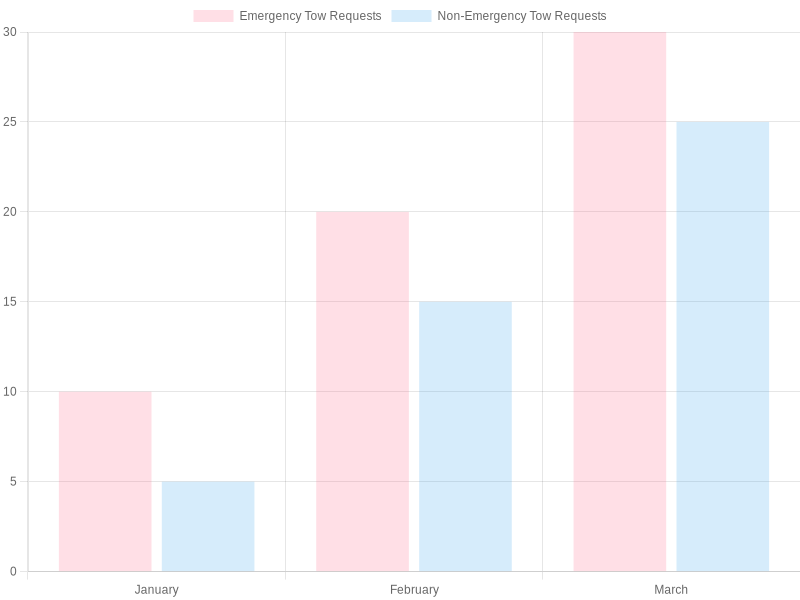
Overview of Tow Truck Service Requirements
This chart illustrates the frequency of tow truck services needed for emergency versus non-emergency situations. It emphasizes the varying demand based on monthly requests, illustrating that emergency situations generally lead to a higher number of tow requests, particularly during peak months.