
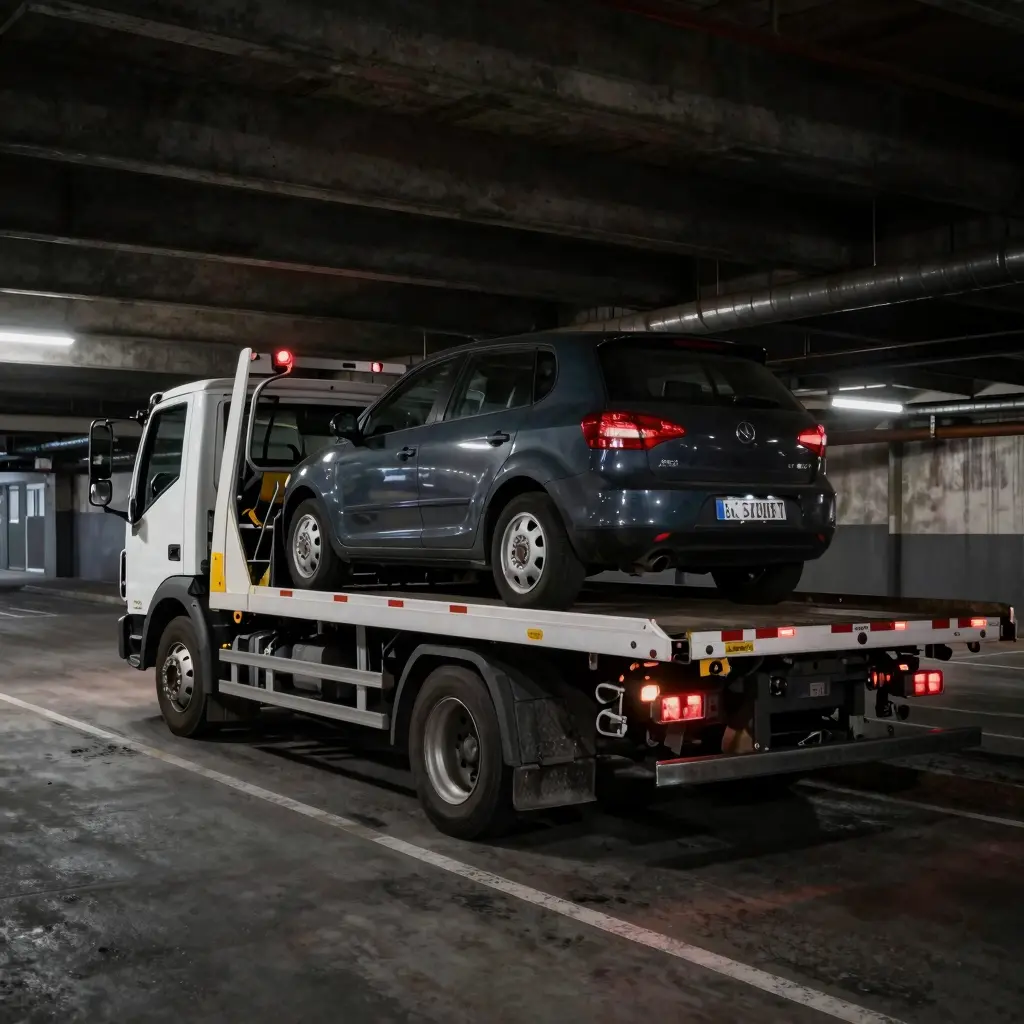
Navigating urban landscapes can often feel like a high-stakes game, especially for local drivers and property managers who juggle the overwhelming task of ensuring safe parking experiences. One question that often arises is, “Can a tow truck fit in a parking garage?” This inquiry is not just about dimensions-it’s about understanding how towing services can effectively operate within the constraints of multifaceted urban environments. As property managers and homeowners association administrators strive to maintain orderly parking areas, they need to comprehend the intricacies of tow truck operations, particularly in spaces that may restrict access. With the potential for vehicles to be stranded or improperly parked, knowledge of whether these essential trucks can maneuver in local garages becomes incredibly valuable. This article aims to shed light on this vital topic, offering insights that contribute to parking safety and efficiency in our communities. Whether you’re dealing with illegal parking or preparing for an emergency situation, understanding the spatial requirements of tow trucks is crucial. Learn more about recognizing illegal towing practices and how you can better manage your property’s parking needs.
Factors Affecting Tow Truck Dimensions
Understanding what influences tow truck dimensions is essential, especially for drivers and property managers considering parking garage usage. Key factors include:
- Make and Model: Different manufacturers provide various dimensions based on chassis design, engine size, and configuration.
- Type of Tow Truck:
- Flatbed tow trucks are generally longer and wider, designed for loading vehicles effectively.
- Hook and Chain models are more compact, suitable for lighter towing tasks.
- Boom Trucks feature hydraulic systems that affect their length and articulation capabilities.
- Local Regulations: Municipalities often impose restrictions on dimensions for road safety. For example, many states limit total vehicle length to around 65 feet and width to 8.5 feet.
- Parking Garage Height Requirements: Standard garages typically allow a clearance of 7-10 feet, but tow trucks often require a minimum of 12 feet to prevent damage during entry.
For more insights, check out our guide on garage clearance requirements for tow trucks.
Common Parking Garage Dimensions
Parking garages play a crucial role in urban development, especially when considering the diverse needs of vehicles, including those operated by tow truck drivers. Understanding the dimensions of parking garages is vital not only for vehicle owners but also for property managers and tow operators.
Typical Height Restrictions
The dimensions of parking garages vary, but certain standards have emerged across the industry.
- Minimum Clear Height: For new constructions, the minimum height should ideally be 10 feet (3.05 meters), providing ample space for most vehicles, including SUVs and emergency vehicles such as tow trucks. It can be higher for multi-level garages to accommodate equipment such as HVAC systems and fire control measures.
- This height is critical for tow truck operators who often need to maneuver larger vehicles within the garage, avoiding damaging contact with the structure’s ceiling.
Standard Width Restrictions
Width specifications are just as important, particularly in relation to the safe operation of tow trucks and standard vehicles.
- Standard Parking Space Width: The typical dimension here is 9-10 feet (2.7-3.0 meters). The American Association of State Highway and Transportation Officials (AASHTO) recommends a width of 9.5 feet (2.9 meters) for standard spaces and 10.5 feet (3.2 meters) for wider needs, such as accommodating larger vehicles, including tow trucks.
- Compact Spaces: These are generally narrower, at about 7 feet (2.1 meters), meant specifically for smaller cars. This reduction aids in maximizing space efficiency but is not suitable for larger vehicles.
Driving Aisle Width
Additionally, the width of driving aisles significantly impacts the functionality of parking garages.
- Single Direction Aisles: Should measure at least 5.5 meters (18 feet), which ensures safe navigation when tow trucks are entering or exiting a space.
- Two-Way Aisles: These must be significantly wider, generally around 6.7 meters (22 feet), allowing for safe passage of opposing traffic without risk of collision or blockage, especially with larger tow truck configurations.

Impact on Tow Operations
For tow truck drivers, these dimensions are non-negotiable. Insufficient height or narrow widths can lead to challenges in accessing vehicles or performing necessary operations efficiently. Property managers are encouraged to factor in these dimensions when designing or modifying parking structures to accommodate a broader range of vehicles, ensuring both compliance and safety.
In summary, the standard dimensions of parking garages not only ensure efficient parking but also facilitate the operations of essential services, such as tow truck drivers who contribute significantly to road safety and vehicle recovery operations. For a more in-depth look into tow-related safety measures, learn more here.
Comparison of Tow Truck Models
| Model Name | Length (mm) | Width (mm) | Height (mm) | Likely to Fit in Standard Parking Garage |
|---|---|---|---|---|
| HOWO 6X4 20ton Tow Wrecker | 10095 | 2500 | 3500 | No |
| Isuzu Giga 6X4 Recovery Truck | 8490 | 2350 | 2410 | No |
| Dongfeng 4X2 Wrecker | 5990 | 2000 | 2290 | Yes |
| Freightliner M2 106 (Box Truck) | 7925 | 2400 | 3000 – 3900 | No |
| National Highway Standards for Trailers | Up to 13000 | Up to 2500 | Up to 4000 | Varies |
Summary
- Larger Models: Trucks like the HOWO 6X4 and Isuzu Giga are quite large and are generally not suited for standard parking garages.
- Compact Choices: The Dongfeng 4X2 Wrecker is more manageable in size, making it a feasible option for tighter spaces.
For additional insights on ensuring safe towing practices, consider checking out our article on spotting illegal towing.
When selecting a tow truck, understanding the dimensions in relation to parking spaces is crucial for operational efficiency and compliance with local regulations.
Tow Truck Parking Experiences: The Good, The Bad, and the Clever Solutions
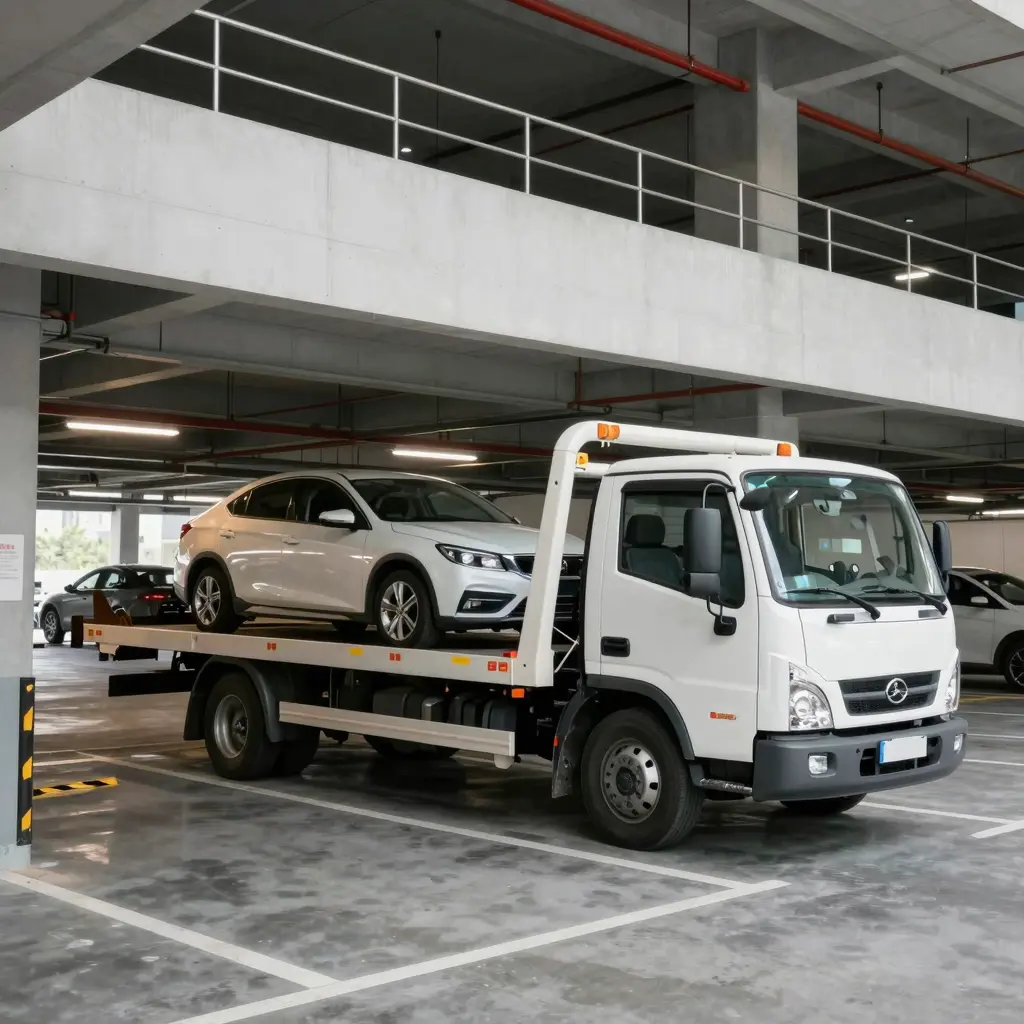
Parking a tow truck in a garage can often feel like navigating a minefield. Through a plethora of testimonials and reports from local drivers and tow truck operators, a clear picture emerges, outlining both the frustrations and ingenious solutions relative to parking in garages.
Frustrations Experienced by Drivers and Operators
- Space Limitations: Many operators expressed frustration about finding garages that provide adequate clearance for larger tow trucks. As one Chicago operator noted, they often cannot find sufficient space to maneuver and park safely, leading to increased stress during emergency responses.
- High Rental Costs: The cost of parking in garages can be prohibitive, with fees ranging from $150 to $500 per month. This burden weighs heavily on independent drivers hoping for profitability in their towing operations.
- Formal Agreements and Liability Issues: Tow truck operators frequently reported the necessity for detailed agreements with garage owners to navigate potential liability issues. Clear terms are essential but can often result in added complexity in operations.
Clever Solutions from Experienced Operators
- Proactive Communication: Many drivers emphasized the importance of maintaining open lines of communication with property managers. One Seattle driver mentioned that clear discussions about noise and access schedules have mitigated conflicts, leading to a smoother parking experience.
- Precision in Measurement: Another common tip involves precisely measuring the dimensions of the tow truck before seeking garage space. Operators noted that this practice dramatically reduces the time spent searching for suitable parking options.
- Leveraging Location Benefits: Some experienced operators have chosen to invest in parking garages that are strategically located near high-demand areas. While initially more costly, this choice deserves praise as it leads to quicker response times and better operational flow.
Conclusion
In summary, although there are several challenges associated with parking tow trucks in garages, many drivers and operators have managed to turn frustrations into innovative solutions. By prioritizing communication, being meticulous about measurements, and choosing strategic locations, towing professionals can effectively navigate the complex world of garage parking. For more insights about towing practices and legalities, learn more about illegal towing signs.
Additionally, understanding the operational needs of your fleet can also improve efficiency; explore fleet emergency response preparedness here.
Strategies for Navigating Parking Garages with Tow Trucks
Navigating parking garages can be a challenging task for tow truck drivers, particularly due to their size and the intricate layouts of such structures. Here are actionable tips and strategies to enhance safety and efficiency while maneuvering in these confined spaces.
1. Pre-inspect the Garage Layout
Before you enter, take a moment to review the garage layout. This may involve looking at floor plans, scouting the area, or using digital previews available via smartphone apps. Understanding the entrance and exit routes, as well as identifying narrow aisles or potential obstacles like pillars, can significantly reduce the risk of accidents.
2. Verify Clearance Heights
One of the common issues tow truck operators face is height restrictions. Always confirm the clearance heights by checking posted signs and measuring your truck’s clearance (including any loads) before navigating low-clearance areas. This proactive measure can prevent damaging collisions with overhead structures.
3. Use GPS and Onboard Cameras
Implement real-time GPS navigation systems to assist with the often-complex routes within parking garages. Additionally, using rear-view and side-view cameras provides additional situational awareness and aids in ensuring your movements are precise, particularly in tight spots.
4. Utilize Spotters When Reversing
When reversing, make it a standard practice to have a trained spotter guide you. Spotters can help eliminate blind spots and provide clear communication, significantly reducing the risk of accidents with walls, other vehicles, or pedestrians.
5. Maintain Slow Speeds
Speed control is critical in parking garages. Aim to operate at reduced speeds (typically between 5 to 10 mph). This approach allows for better reaction times when navigating turns and executing tight maneuvers, leading to a safer environment for both drivers and property occupants.
Legal Considerations
While these maneuvers can enhance safety, it’s also important to be aware of legal considerations. Ensure you are compliant with local laws regarding towing and parking in private lots. Familiarize yourself with regulations on towing procedures, particularly in commercial and residential parking structures. Understanding legal requirements helps prevent disputes, especially when responding to requests from property managers or when addressing unauthorized vehicles.
Conclusion
Successfully navigating a parking garage as a tow truck driver demands both skill and diligence. By implementing these strategies, you’ll not only enhance operational efficiency but also ensure safety for yourself, your team, and the public. For more in-depth information on illegal towing signs, visit Spot Illegal Towing: Key Signs to Know. Additionally, learn about the importance of preparation in emergency response situations by checking out Emergency Response Preparation for Fleets.
Impact of Strategies on Safety

This chart illustrates the relative impact of various safety strategies that tow truck operators can implement to enhance their safety while navigating parking garages.
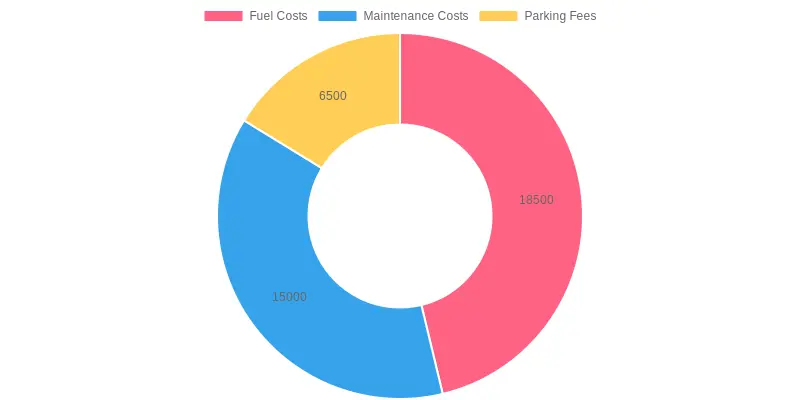
| Category | Running Cost (USD) |
|---|---|
| Fuel Costs | $18,500 |
| Maintenance Costs | $15,000 |
| Parking Fees | $6,500 |
Source: American Automobile Association (AAA) Report on Tow Truck Operating Costs, 2023.
“Parking a tow truck isn’t just about fitting-it’s about positioning safely and efficiently so you can respond quickly to calls without blocking emergency routes.”
- Tow Truck Driver, industry expert
This quote highlights the complexities involved in parking tow trucks, especially in urban settings where space is limited and the stakes are high. Successful towing operations must navigate narrow streets, restricted spaces, and stay aware of their surroundings to maintain safety and efficiency.
Conclusion
In summary, fitting a tow truck into a parking garage presents significant challenges that can impact both drivers and property managers. Limited space, height restrictions, and the need for heavy-duty vehicles mean that many garages are ill-equipped for the demands of towing services. It’s crucial for local drivers, auto repair shops, dealerships, and property management professionals to understand these complexities when considering their options for towing services.
Moreover, navigating the risks associated with towing requires a proactive approach. Premium towing solutions can offer the necessary expertise and equipment to minimize potential issues. Engaging with reliable, experienced towing companies can ensure that your vehicles are handled safely and efficiently, reducing the stress for everyone involved. By investing in premium towing services, you not only protect your property but also enhance the overall safety and convenience of parking areas.
As you reflect on the insights shared throughout this article, we encourage you to consider the long-term benefits of partnering with a competent towing service. If you seek more comprehensive guidance on this topic, don’t hesitate to learn about illegal towing practices or discover more about emergency response planning. Embrace a proactive strategy to ensure safe and efficient parking for all vehicles involved!