
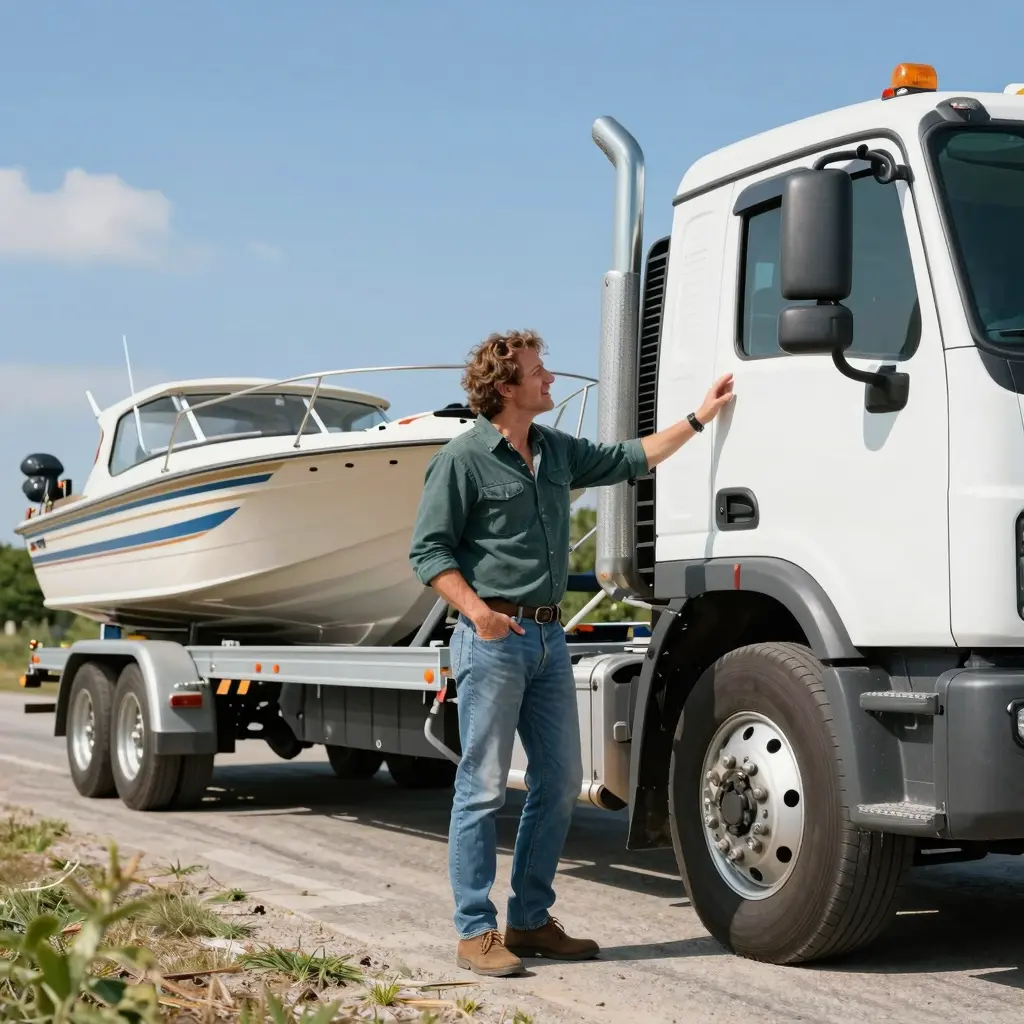
Understanding Vehicle Towing Capacity for Truck Owners
When it comes to owning a truck, understanding its towing capacity is absolutely crucial, especially for local drivers like you who often find themselves needing to haul everything from boats to trailers and construction equipment. The towing capacity of your vehicle is essentially the maximum amount of weight that it can safely pull, which is a key factor to consider whether you’re helping friends move, towing your boat for a weekend getaway, or managing a fleet for your property management company.
It’s easy to underestimate the importance of this specification. Choosing the right towing equipment is not just about functionality; it’s about ensuring safety on the roads for you, your passengers, and other drivers. An overloaded truck can lead not only to vehicle damage but could also pose serious safety risks, increasing the likelihood of accidents. Understanding your truck’s towing capacity will not only protect your investment but also instill confidence as you navigate local roadways.
Whether you’re an auto repair shop owner, a property manager, or just a local truck enthusiast, knowing how to calculate and utilize your truck’s towing capacity will help you make informed decisions. It goes beyond choosing the right hitch or trailer; it’s about partnering with local experts who can guide you in customizing your towing setup to fit your needs. Remember, with great towing power comes great responsibility. So, let’s delve into how to ensure you have all the right equipment to tow safely and efficiently. Learn more about safe towing practices here and explore fleet emergency response options here.
Understanding Towing Capacity
Towing capacity is a crucial consideration for vehicle owners, particularly those who regularly haul trailers, campers, boats, or heavy loads. At its core, towing capacity represents the maximum weight that a vehicle can safely tow, ensuring that both the vehicle and the load remain under factory specifications for safe operation. This capacity is determined by the vehicle’s manufacturer, taking into account various engineering factors, including the vehicle’s frame strength, engine output, transmission, cooling system, brakes, and suspension design.
How Towing Capacity Is Determined
Manufacturers calculate towing capacity based on rigorous testing, accounting for the truck’s Gross Combined Weight Rating (GCWR). The GCWR is the maximum allowable weight of the vehicle plus any trailer and cargo. To better understand how towing capacity is derived, here are the key components involved:
- Curb Weight: This is the weight of the vehicle without any load. Knowing your truck’s curb weight is essential to calculating towing capacity because it affects how much weight you can add with a trailer.
- Payload Capacity: This includes the total weight of passengers, cargo, and any equipment in the truck. It is subtracted from the GCWR to determine the maximum towing weight.
- Towing Accessories: Additional equipment such as a towing package, brake controllers, and heavy-duty cooling systems can enhance your vehicle’s towing capabilities.
Reliably consulting the owner’s manual is recommended for understanding the towing specifics of a vehicle, including both the maximum towing weight and GCWR.
Factors Impacting Towing Capacity
Several critical factors affect a vehicle’s towing capacity:
-
Truck Specifications: The truck’s design and engineering are vital. Higher horsepower and torque typically allow for increased towing capacity. Features like axle ratios, tire size, and overall frame construction play significant roles as well.
-
Trailer Weight: The total weight of the trailer (including cargo, accessories, and liquids) must be considered. This weight should ideally not exceed 80% of your truck’s towing capacity to maintain safety and control.
-
Load Distribution: Proper weight distribution is essential for stable towing. Ideally, about 60% of the trailer weight should be positioned over the front axle of the trailer. Uneven weight distribution can lead to instability, sway, and even loss of control while on the road.
-
Braking System: An effective braking system is crucial as it allows for better control when stopping a towed load. Many states require electric brakes for heavier loads.
-
Usage Conditions: Consider factors like terrain, weather, and loaded conditions (such as whether your trailer is fully packed). These conditions can affect the performance and safety of your towing setup significantly.
Understanding the intricacies of towing capacity ensures safety and enhances the driving experience for local drivers, auto repair shops, and property managers alike. To learn more about safe towing practices, check out our guide on spotting illegal towing practices or explore tips for fleet emergency response.
In summary, understanding your vehicle’s towing capacity is vital for ensuring safe towing practices while maximizing your vehicle’s capabilities. Always prioritize safety by adhering to the manufacturer’s recommendations and monitoring your load closely.
Your Guide to Using the ‘Can My Truck Tow It?’ Calculator
When it comes to towing, knowing the limits of your truck is crucial. The ‘Can My Truck Tow It?’ calculator is an excellent tool to take control of your towing decisions. Here’s a step-by-step guide to help you navigate the process.
Step 1: Gather Your Vehicle Information
Before you begin, ensure you have all the necessary specifications for your truck, including the following:
- Gross Vehicle Weight Rating (GVWR): The maximum weight your truck can handle, including its own weight and any cargo.
- Gross Combination Weight Rating (GCWR): The maximum weight of your vehicle plus the trailer and everything it carries.
- Gross Vehicle Weight (GVW): The actual weight of your truck when loaded.
- Trailer Weight Rating (TWR): The maximum weight of the trailer you wish to tow.
Step 2: Open the Calculator
Navigate to the RV Tow Check app or a similar platform that provides a towing capacity calculator. You’ll typically see an interface prompting you for specific inputs.
Step 3: Input Your Data
Enter your truck’s specifications:
- Fill in the GVWR-this number is often found on the driver’s side door jamb or in your truck manual.
- Input the GCWR-this can also be verified in the owner’s manual.
- Enter the GVW-if you have a scale, weigh your truck with all cargo included.
- Lastly, provide the TWR if available.
Step 4: Adjust for Additional Weight
To make sure your calculations are accurate, include any additional weight, which could involve:
- Passengers
- Gear or extra equipment loaded in the truck
- Any modifications made to the truck that add weight
Step 5: Review the Calculated Towing Capacity
Once you’ve entered all required information, hit the calculate button.
- Review the results. The tool will provide you with the maximum trailer weight you can safely tow, factoring in variables like tongue weight (generally 10-15% of the trailer weight).
- Ensure you are within your safety limits to avoid potential damage or accidents.
Step 6: Understand the Output
The result will typically inform you if your current setup is suitable for towing the desired load:
- If within limits: Great! Feel confident to proceed with your towing plans.
- If exceeding the limits: You’ll need to rethink your load or upgrade your vehicle or towing methods.
Conclusion
Using the ‘Can My Truck Tow It?’ calculator empowers you to make informed towing decisions. It’s not just about understanding your truck’s limits; it’s about ensuring safety for you and others on the road. Taking the initiative to accurately assess your towing capacity can lead to a smoother, safer towing experience.
Visual Guide
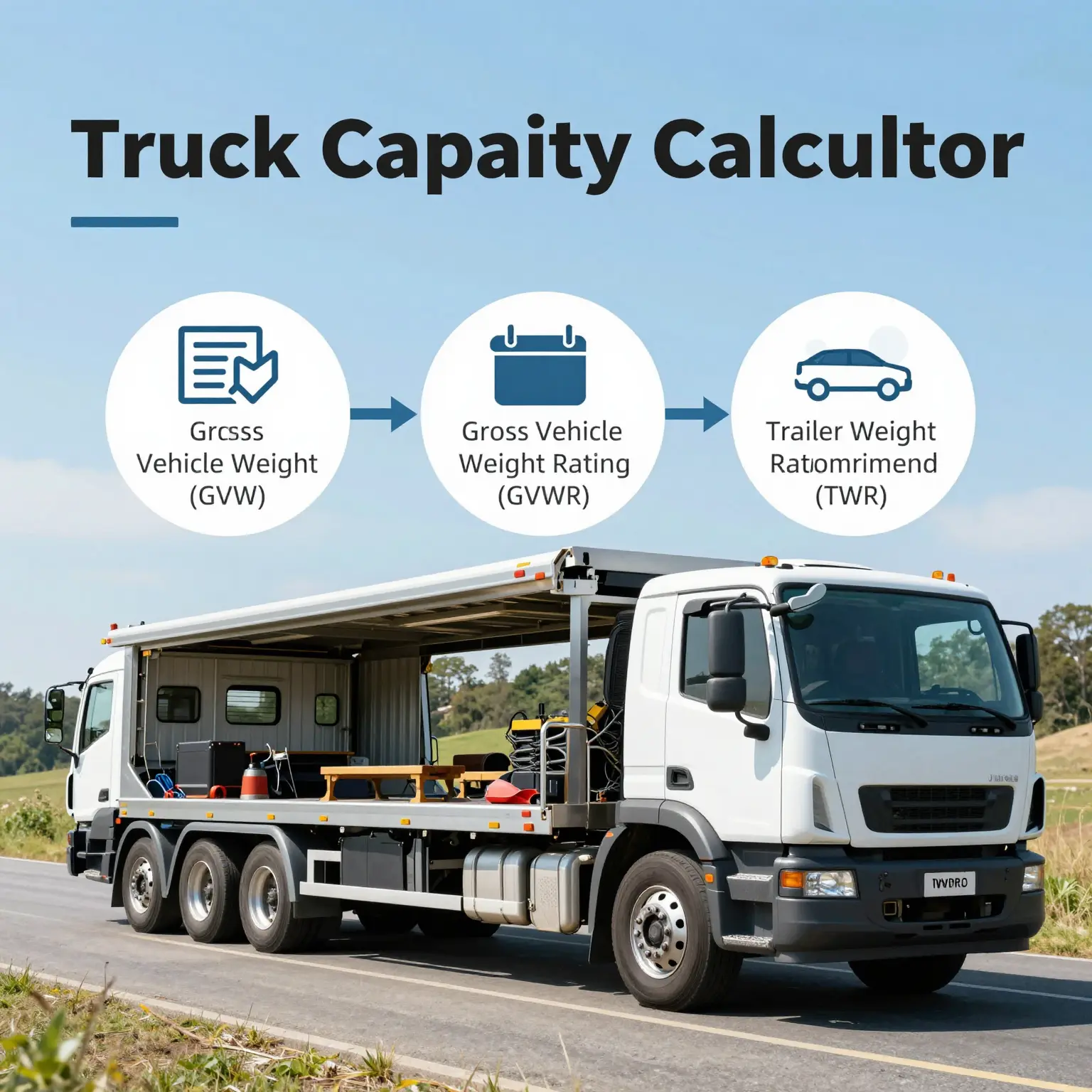
By following these steps, you can confidently determine your truck’s towing capacity. For more information on towing safety, check out our article on spotting illegal towing practices.
Common Towing Mistakes to Avoid
Towing can be straightforward, but avoiding critical mistakes is essential for safety and effectiveness. Below are some common towing errors you should steer clear of:
-
Exceeding Weight Limits: Always check the weight limits of your tow vehicle. Exceeding these limits can strain the vehicle, causing poor handling and risking accidents. Consulting resources like the NHTSA towing safety tips can provide valuable guidance.
-
Improper Hitching: A securely connected hitch is vital for safe towing. Many accidents occur when the hitch isn’t properly connected, leading to detachment. Ensure that all hitch components are rated for your load and securely fastened.
-
Ignoring the Towed Vehicle’s Brakes: Ensure the brakes of the towed vehicle are in proper working condition. A failure here can create dangerous situations, especially during sudden stops. Check and test the braking system before hitting the road.
-
Towing with Occupants Inside: Never tow with someone in the towed vehicle. Not only is this unsafe, but it’s often against regulations. Occupants can be seriously injured during sudden stops or swerving, as they do not have the protection of airbags or crumple zones. This practice is highlighted in many safety guides, including The National Highway Traffic Safety Administration’s (NHTSA) towing guidelines.
-
Neglecting Equipment Checks: Regular equipment inspections are crucial. Check tires, brake systems, and connections before towing. Often, drivers overlook simple checks, which can lead to significant issues on the road.
-
Using Incompatible Tow Equipment: Always use approved and compatible towing equipment. Many drivers make the mistake of assuming that any strap or hitch will do, which can lead to equipment failure.
-
Improper Load Distribution: Ensure the load is evenly distributed. Unbalanced loads can cause swaying, making it difficult to control the vehicle. This can lead to potential accidents and puts both the driver and others on the road at risk.
-
Failure to Consult Manufacturer Guidelines: Manufacturer guidelines provide critical information on safe towing practices. Neglecting these specifications can lead to unsafe towing conditions or damage to your vehicle.
Avoiding these common mistakes will empower you to tow safely and effectively, ensuring peace of mind wherever the road takes you. As vehicles and their towing capabilities become more technical, staying informed and cautious is crucial. For more detailed advice on towing safety, you can also check out insights on unsafe towing practices to ensure you are well-prepared in all scenarios.
Customer Testimonials on Truck Towing Capabilities
“I used the towing capacity calculator before hauling my camper. It saved me from a dangerous overload!”
- A satisfied customer from Sinotruck
“The Sinotruck STX-750 towed our excavator across rough terrain without overheating-something cheaper trucks couldn’t handle.”
- Contractor, Business Truck Network
“Over 92% of customers rate their truck towing service experience as ‘positive’ or ‘excellent.’ Fast response and professional tow operators made all the difference.”
- AAA Customer Report
“ProTow USA was exceptional! Their trained technicians used a rear-mounted crane to recover my truck safely from a ditch.”
- Long-haul trucker, ProTow USA Blog
Using tools like towing capacity calculators can significantly enhance safety and performance for local drivers and trucking enthusiasts. For more insights on towing safety, learn about signs of illegal towing.
Stay informed and ensure your truck is always ready for the job!
Common Types of Trailers Towed by Trucks
When selecting a trailer for towing, it’s crucial to understand the various types available and their weight capacities to ensure they fall within your vehicle’s towing limits. Below is a comprehensive list of common trailer types that truck owners might consider:
-
Utility Trailers: These versatile trailers are perfect for hauling equipment, furniture, or landscaping materials. Typical weight range: 1,000 to 3,000 lbs.
-
Enclosed Trailers: Used for transporting valuable items, these trailers provide protection from the elements. Their weight generally ranges from 2,000 to 5,000 lbs, depending on size and materials.
-
Car Hauler Trailers: Specifically designed for transporting vehicles, these can accommodate different types of cars. Weight range: 3,000 to 10,000 lbs.
-
Fifth Wheel Trailers: Great for camping or long-distance travel, these trailers hitch over the truck bed for better stability, with a weight range of 7,000 to 15,000 lbs.
-
Travel Trailers: Popular among vacationers, these trailers can weigh anywhere from 3,000 to 8,000 lbs, depending on the amenities added to them.
-
Horse Trailers: Built for transporting livestock, these trailers usually have a weight capacity of 2,500 to 6,000 lbs, based on the number of horses and gear carried.
-
Flatbed Trailers: Employed for transporting construction materials or large freight, their weight can vary significantly from 3,000 to over 10,000 lbs.
Knowing these types of trailers and their typical weight ranges can greatly assist truck owners in making informed decisions about their towing capacity. For further insights on safe towing practices, consider addressing unsafe towing practices or checking out options for your towing needs with emergency response preparation.
| Truck Model | Towing Capacity (lbs) | Engine Type | Notable Features |
|---|---|---|---|
| Ford F-150 | 14,000 | 3.5L EcoBoost V6 | Smart Trailer Tow, Pro Trailer Backup Assist |
| Chevrolet Silverado 1500 | 13,300 | 6.2L V8 | Advanced Trailering System, Hill Start Assist |
| Ram 1500 | 12,750 | 5.7L HEMI V8 | Ram’s Off-Road Package, Traction Control |
| Toyota Tundra | 12,000 | 5.7L V8 | Tow/Haul Mode, Integrated Trailer Brake Controller |
| GMC Sierra 1500 | 12,200 | 6.2L V8 | MultiPro Tailgate, Automatic Trailer Sway Control |
| Nissan Titan | 9,660 | 5.6L V8 | Trailer Brake Controller, RearView Monitor |
Notes:
- Sources: Data for the towing capacities and features were gathered from TruckersNews and Heavy Duty Trucking Magazine.
- Ensure to consider additional towing features when selecting a truck, as they can significantly enhance towing experience and safety.
Understanding the towing capacity and features of these trucks can help you make an informed decision as you assess your towing needs. For more information on safe towing practices, you can learn more about illegal towing signs.

The Importance of Maintenance for Towing Vehicles
When it comes to towing vehicles, regular maintenance is not just essential; it’s crucial for ensuring safe and effective towing performance. Poorly maintained vehicles can lead to devastating outcomes, ranging from mechanical failures to accidents on the road. Understanding how maintenance affects towing performance and knowing the actionable steps for proper upkeep can significantly improve both safety and efficiency.
Key Components to Regularly Maintain
-
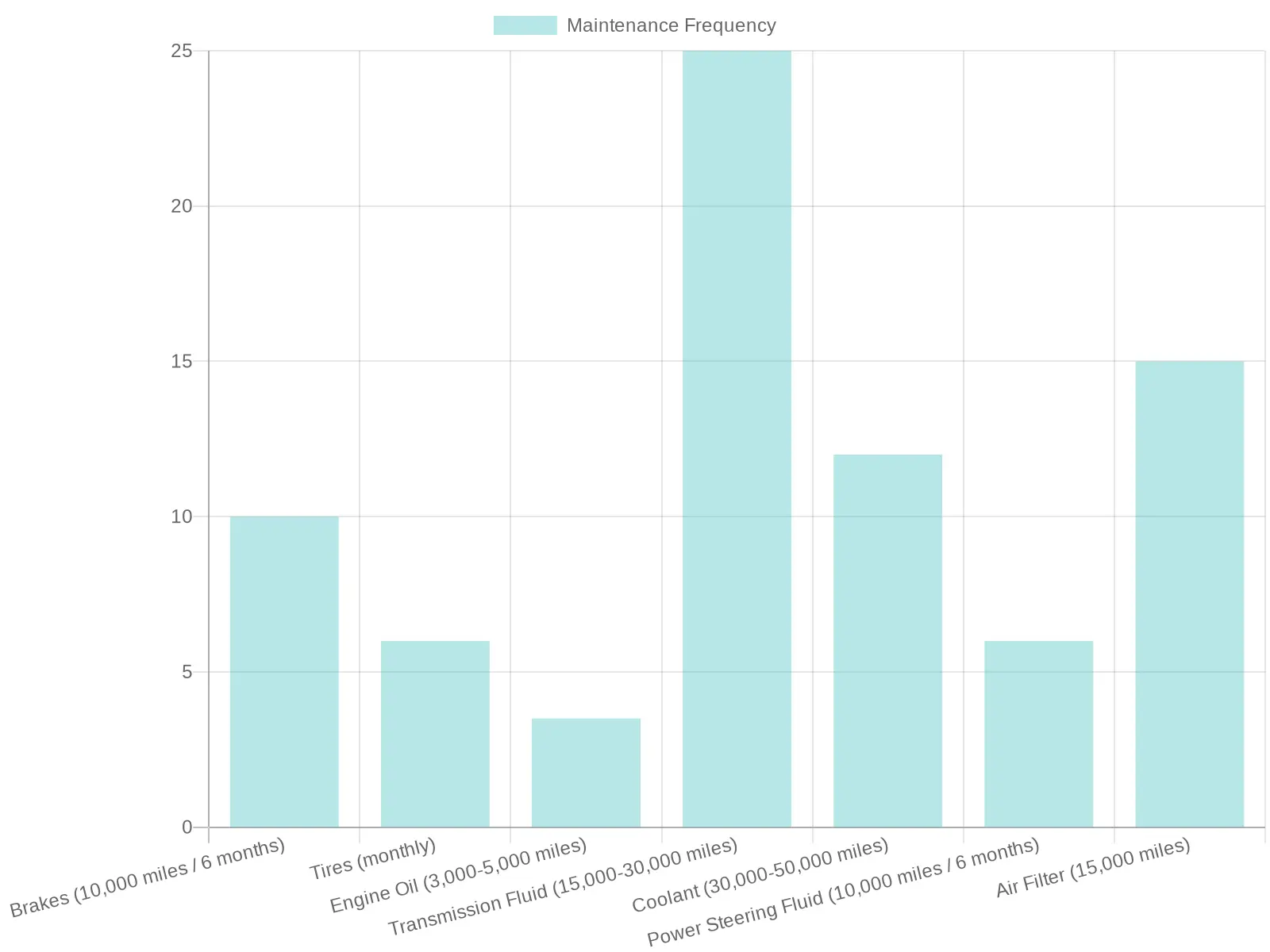
Brakes: The braking system is paramount when towing a heavy load. Regular inspection of brake pads, rotors, and fluid levels ensures that your vehicle can stop safely, especially under the increased stress of towing. According to the Truck & Trailer Maintenance Association, you should inspect your brakes every 10,000 miles or every six months, particularly if you frequently tow heavy loads. If you notice any strange sounds or reduced stopping power, prioritize an inspection immediately to avoid potential accidents.
-
Tires: Tires are the primary point of contact with the road, and their condition significantly affects towing performance. Ensure that you check the tread depth and tire pressure before every trip, and at least monthly during regular usage. The correct pressure-and properly inflated tires-can help prevent blowouts and improve traction. The broad recommendation is a minimum tire tread depth of 4/32″ when towing. Also, look for any signs of uneven wear or damage.
-
Fluids: Regular checks of crucial fluids-like engine oil, transmission fluid, brake fluid, and coolant-are imperative. Towing generates additional heat and stress on your engine, and low or degraded fluid can lead to overheating and failures. Engine oil should be changed every 3,000 to 5,000 miles, while transmission fluid might require replacement every 15,000 to 30,000 miles, especially if towing regularly.
Actionable Maintenance Tips
- Keep a maintenance log to track when inspections and replacements are performed. This helps in making informed decisions about future maintenance needs.
- Consider investing in a towing vehicle maintenance checklist. This can serve as a visual reminder of what to check and when, making regular inspections part of your pre-towing routine.
- Always consult your vehicle’s owner’s manual for specific maintenance schedules and cleaning procedures tailored to your model.
Regular Maintenance Checklist for Safe Towing
To help solidify these tips, here’s a quick visual breakdown of maintenance tasks to follow when preparing for towing:
Key Safety Reminder: Always maintain a vehicle that stays within its Gross Vehicle Weight Rating (GVWR) and Gross Combined Weight Rating (GCWR). Breaking regulations can lead to not only fines but potential failures during towing.
Maintaining your towing vehicle is an investment in safety and reliability. A little time and attention can prevent costly repairs and, more importantly, keep you safe on the road. For more insights into maintaining your vehicles effectively, check out our guide on towing vehicle checklists.
Conclusion: Ensuring Safety and Compliance with a Towing Calculator
In the complex world of towing, ensuring that your vehicle is equipped to handle the load is not just a recommendation-it’s a crucial requirement for safety and compliance. Utilizing a towing calculator is an indispensable step for every truck and vehicle owner. It allows you to assess your towing capability accurately, preventing dangerous scenarios that could arise from improper weight distribution, exceeding vehicle limits, or misjudging the load. As highlighted by the National Highway Traffic Safety Administration (NHTSA), a staggering 14% of all towing-related accidents stem from these very issues. Improper weight distribution significantly jeopardizes vehicle stability, making not only braking but also steering exceptionally difficult and increasing the likelihood of accidents, particularly during emergencies.
Learning about your truck’s towing capacities can empower you to make informed and safe decisions. Utilizing a towing calculator ensures you remain within the vehicle’s Gross Vehicle Weight Rating (GVWR), preemptively avoiding the pitfalls of non-compliance, which could result in invalidated insurance and costly fines. It is essential to respect these specifications not only for legal reasons but for the safety of yourself, your passengers, and other road users.
By taking a proactive approach to assess your towing capabilities, you set a standard for safe practices within the community. Don’t wait for an incident to remind you of the risks involved in towing. Utilize available technology and resources to gauge your load accurately-this will make traveling safer for everyone. If you’re seeking more information on how legislators are emphasizing the need for safety compliance, learn more about illegal towing signs to help understand your responsibilities when towing.
Remember, responsible towing is key! Equip yourself with knowledge, utilize a towing calculator, and always adhere to your vehicle’s specifications. For those seeking robust towing solutions that prioritize safety, Santa Maria Tow Truck is here to support your needs, ensuring that you’re ready for any towing endeavor without compromising safety or standards.