
Towing capacity is a critical factor for local drivers and vehicle owners, impacting how much weight you can safely pull. Many may wonder if this capacity includes the vehicle’s own weight or not. This question is particularly relevant for property managers, auto repair shops, and dealerships who regularly deal with transportation and towing requirements. In this article, we will explore the nuances of towing capacity, including its calculation, the specific factors affecting it, and how to verify this information through manufacturer guidelines. Each chapter aims to equip you with essential knowledge, ensuring that you not only understand towing limits but also utilize that understanding in practical, safe applications.
Decoding the Real Numbers: Uncovering What Towing Capacity Truly Means
When it comes to understanding how much power your truck really has, there is a common misconception: many people confuse the truck’s own weight with its true towing capacity. Towing capacity is a carefully calculated figure that tells you the maximum weight your vehicle can safely pull behind it. It does not include the weight of the truck itself. Instead, this figure is derived from a combination of factors including engine performance, transmission type, braking systems, suspension design, and overall vehicle engineering. In many ways, this measurement is as critical as it is misunderstood, and gaining clarity can help you make safer, more informed decisions when towing heavy loads.
To truly unpack the concept of towing capacity, it is important to realize that a truck’s gross combination weight rating (GCWR) is central to the calculation. The GCWR represents the total mass of both the truck and its towed load. Manufacturers determine this number by meticulously considering the vehicle’s design limits, ensuring that both the truck and its trailer can be operated safely even under demanding conditions. When you subtract the truck’s own curb weight from the GCWR, you arrive at the towing capacity. If a truck has a GCWR of 18,000 pounds and a curb weight of 5,000 pounds, the vehicle’s towing capacity would be 13,000 pounds. These calculations ensure that the vehicle can handle both the forces generated during towing and the dynamic stresses that occur when the truck starts, stops, or maneuvers.
The engine in your truck plays a pivotal role in determining towing capacity. A robust engine with high torque is essential for pulling heavy loads. Torque, rather than just horsepower, provides the immediate power necessary to move weight, particularly when starting from a stationary position. Manufacturers optimize engine output so that it is capable of converting fuel into the precise kind of power needed for towing. Along with engine performance, the type of transmission that a truck utilizes can affect the efficiency and safety of towing. An automatic transmission often allows for smoother power delivery, ensuring that the engine’s power is effectively managed throughout the towing process.
Equally important to the engine and transmission are the truck’s suspension and braking systems. A well-designed suspension system helps absorb the additional stress that comes with towing, maintaining stability during both smooth rides and bumpy journeys. The suspension does not simply support the weight of the trailer; it also ensures that the vehicle’s handling remains responsive. Similarly, an advanced braking system is indispensable when towing heavy loads. Adding extra weight increases stopping distances and places heavy demands on the brakes. Trucks outfitted with towing enhancements often feature upgraded braking components to manage these additional stresses, which is why many reliable towing vehicles have specially engineered brake systems.
It is crucial for anyone considering towing with their truck to distinguish between the various weight metrics. The most commonly cited weight is the curb weight, which is solely the weight of the truck as presented at the factory, without additional cargo, passengers, or towing equipment. This figure is different from the towing capacity, which strictly pertains to how much additional weight the truck can pull behind it. When evaluating a truck’s performance and capabilities, it is important to avoid the mistake of conflating the two. The truck’s weight is always excluded from the towing capacity figure because the calculations aim to determine the safe load-carrying ability of the trailer, not the inherent heft of the truck.
In practical terms, when you plan a towing project, you should focus on the combined weight of the trailer and its load. This total should never exceed the truck’s specified towing capacity. Doing so could result in hazardous driving conditions including unstable handling, increased stopping distances, and heightened wear on both engine and transmission components. The safety margin is a vital consideration, and manufacturers rarely overstate these numbers. It is always advisable to have a margin of error and view the towing capacity as the maximum safe limit rather than a figure to be regularly pushed to its extreme.
Even with state-of-the-art engineering, there are safety implications when operating at or near the towing capacity limit. In particular, exceeding the manufacturer’s recommended limits can lead to reduced vehicular control, unpredictable behavior during emergency braking, and accelerated wear of critical components. For example, if a truck has a maximum towing capacity of 10,000 pounds and you attach a load that slightly exceeds this value, the braking system may not be able to adapt to the additional weight. This can cause prolonged stopping distances and, in worst-case scenarios, lead to accidents. By ensuring that the load remains within the prescribed limits, you protect not only your vehicle’s mechanical integrity but also your overall safety on the road.
Many drivers find that understanding the essentials of towing capacity also means delving into how manufacturers produce these numbers in the first place. Detailed guidelines and safety standards are rigorously followed during testing and certification processes. Each truck must meet certain performance benchmarks under varying conditions, and these tests include evaluations of engine performance, stability under load, and braking efficiency. The calculations take into account real-world factors such as gradients, wind resistance, and the cumulative stress on the vehicle’s frame over time. It is a science that balances performance with safety and reliability.
What further complicates the picture is that modern trucks often offer a range of towing capacities depending on the configuration and optional equipment. Vehicles can be equipped with towing packages that include heavy-duty suspension, upgraded brakes, and specialized cooling systems for both the engine and transmission. With such modifications, the same model of truck can have significantly different towing capabilities. This means that simply knowing that a truck is built for towing is not sufficient; one must check the specific details in the owner’s manual or on the manufacturer’s website to understand the true towing limits for your vehicle’s configuration.
Another aspect to consider is the role of load distribution. Even when the attached trailer or cargo is within the specified towing capacity, improper load distribution can compromise safety. It is vital to ensure that the weight is balanced and that the heaviest components of the cargo are distributed in a way that aligns with the towing vehicle’s design. This often means placing heavier loads over the trailer’s axle near the hitch or ensuring that the overall setup does not unduly strain the vehicle’s suspension or braking systems. An improperly balanced trailer can lead to a phenomenon known as trailer sway, where the towed unit begins to oscillate side to side, making it difficult to maintain control of the truck.
A well-informed driver will also be aware of the dynamic stresses that come into play when towing. Loads are not static; they shift during turns, under acceleration, and during braking. The entire vehicle is subjected to forces that must be adequately absorbed by its design. Many manufacturers recommend using additional towing accessories, such as weight distribution hitches or trailer brake controllers, to savor extra safety margins. The use of such accessories helps to stabilize the load and ensures that the truck’s braking system is not overwhelmed by the extra weight during sudden stops or rapid deceleration.
For those seeking additional insights into best practices for safe towing, resources such as the internal blog on towing best practices can prove invaluable. The article there elaborates further on various tactical and technical considerations that every towing enthusiast should know, making it a useful supplement to understanding the core concepts outlined here. It is one example of how real-world practices align with the technical specifications provided by manufacturers. The emphasis remains on ensuring that every aspect of the towing process is handled with care, from equipment checks to on-road drive dynamics.
It is also worth pointing out that the evolution of towing technology has led to increasingly sophisticated vehicles with adaptive features. Many modern trucks are equipped with sensors and onboard computers that continuously monitor vehicle performance and provide real-time feedback to the driver. Such systems might alert drivers if the load begins to exceed safe parameters. These intelligent systems can also adjust transmission behavior and braking force distribution to optimize handling and maintain stability. As the automotive industry continues to innovate, the gap between theoretical towing capacity and actual safe towing performance continues to narrow, offering drivers greater peace of mind.
Beyond the mechanical aspects, understanding towing capacity is also essential from a regulatory and warranty standpoint. Overloading a vehicle can sometimes void warranties or result in severe legal and financial repercussions in the event of an accident. Regulations are in place to ensure that towing practices meet safety standards set forth by transportation authorities. By adhering strictly to the towing capacity limit as defined by the manufacturer, you also ensure that you remain in compliance with safety laws, reducing the risk of fines or legal liability in the aftermath of an accident.
Many truck owners also discover that knowing the precise factors that influence towing capacity can guide them when looking for a new vehicle. When shopping for a truck, it is common to compare towing capacities across different models. However, it is equally important to understand that the quoted towing capacity is a reflection of a multitude of engineering decisions and safety considerations. While some trucks naturally come with higher towing capacities due to their robust engines and specially designed suspensions, others may prioritize fuel efficiency or passenger comfort over pure towing power. Therefore, selecting the right truck means aligning its capabilities with your specific towing needs, whether you are planning to tow a travel trailer, a boat, or heavy construction equipment.
It is also practical to consider that towing is often a part of larger logistics and operational strategies, particularly for professional users. Fleet operators, for instance, need to understand towing limits not only to ensure safety but also to optimize operational efficiency and reduce maintenance costs over time. In heavy-duty rescue operations and fleet standardization, maintaining equipment within the safe towing capacities can mean the difference between safe operation and costly downtime. Such considerations underscore the universal importance of grasping the nuances behind a truck’s towing capacity.
As you plan your next towing endeavour, remember that safety and efficiency go hand in hand. Every component of your truck’s design, from the powertrain to the suspension and beyond, has been carefully calibrated to address the stresses of towing a load. Even though the truck itself is a significant part of this equation, its weight is never included when manufacturers specify towing capacity. This separation of metrics ensures both an accurate understanding of your vehicle’s capabilities and a clear guideline for loading your trailer. With this in-depth knowledge, you are better prepared to assess whether the job ahead fits within the safe parameters set by your vehicle’s design.
While the technical details can appear complex, the bottom line is straightforward: always adhere to your vehicle’s towing limits as defined in the owner’s manual or manufacturer’s website. Manufacturers like Ford provide detailed insights into how these figures are calculated, and their testing standards serve as a reliable benchmark for safe towing practices. For further verification of these specifications, you can consult external resources such as the official Ford Trucks website. This external source offers comprehensive technical information that can help demystify the numerical details and enhance your confidence when planning large towing projects.
Understanding towing capacity is not merely a matter of knowing numbers; it is about embracing a philosophy of safety, performance, and responsibility. With this knowledge, the difference between a safe journey and potentially dangerous overloading is clearly delineated. After all, your truck’s towing capacity is a promise—a promise that when its limits are respected, every voyage is conducted with the utmost assurance of stability and security. By appreciating the careful engineering behind these figures, you can optimize your vehicle’s performance, enhance your towing safety, and ultimately make more informed decisions on every road trip or heavy-duty transport task.
In conclusion, the journey to understanding towing capacity is one of discovery. It reveals that the weight of your truck, while significant in many regards, is always measured separately from the towing calculation. Instead, every aspect of a truck’s design is harnessed to determine how much additional weight it can safely bring along for the ride. This separation ensures that safety is never compromised and that every truck is used within its true potential. Emphasizing the technical, practical, and regulatory aspects of towing capacity allows drivers and fleet operators alike to operate with complete clarity and unwavering confidence in their vehicles’ capabilities.
By combining solid engineering, rigorous testing, and intuitive technology, modern trucks have reached a level of sophistication where towing is less about guessing and more about calculated precision. Every component, every specification, is there to serve a single purpose—to keep you safely on the road while handling the demands of heavy loads. With this comprehensive understanding of towing capacity and an unwavering commitment to safety, you can confidently navigate the intricate balance between rugged power and controlled performance, ensuring that every journey you undertake is as secure as it is successful.
Unpacking the Numbers: Understanding How Towing Capacity Excludes the Truck’s Own Weight
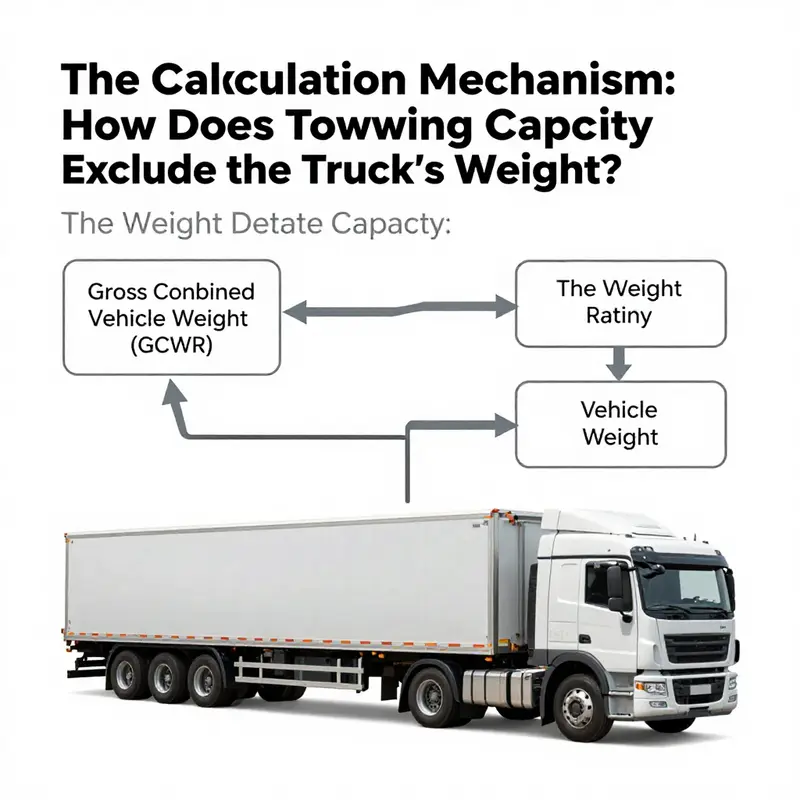
In the world of heavy-duty vehicles and towing, numbers matter, and understanding these numbers can be the difference between a safe journey and unexpected mechanical failures. A key number is the towing capacity, which for many truck owners is a figure loaded with questions and misconceptions. Fundamentally, towing capacity is measured by the maximum weight a vehicle can safely pull, and it is crucial to know that this weight is calculated without including the weight of the truck itself. The truck’s own mass plays a vital role in the overall performance and handling of the vehicle, but it is subtracted from the total weight limits so that the focus remains solely on the additional load that is being pulled. By isolating the weight of the trailer or other attachments, manufacturers ensure that drivers have a clear, practical number to rely on when planning their towing needs.
Excluding the truck’s weight from the towing capacity calculation means that engineers can focus on the load affecting the engine, transmission, braking, and suspension systems rather than the vehicle’s basic structure. At its core, the towing capacity is derived from what is known as the Gross Combined Vehicle Weight Rating (GCVWR). The GCVWR represents the maximum allowable weight of the truck plus any additional cargo or pulled items, such as trailers or boats. To extract the number that pertains solely to what the truck can tow, the curb weight of the vehicle – which is the weight of the truck without passengers or cargo – is subtracted from the GCVWR. For example, if a truck has a GCVWR of 18,000 pounds and a curb weight of 5,000 pounds, its towing capacity is calculated as 18,000 minus 5,000, resulting in a capacity of 13,000 pounds. This straightforward formula is backed by rigorous engineering tests and simulations that stress test every component of the vehicle under towing conditions.
A critical element of this calculation is the understanding that the truck’s design, particularly its engine output and mechanical components, directly influences towing performance. The engine, which must produce ample torque to initiate movement and maintain momentum, is central to a vehicle’s towing capabilities. When a truck pulls a heavy load, the engine is tasked not only with moving the vehicle but also with overcoming the inertia and resistance brought on by the external trailer. Therefore, manufacturers deliberately calibrate the engine and its accompanying systems to handle this extra strain safely. Similarly, the transmission plays an essential role in managing the additional load. The gears must be robust enough to cope with the increased demands, ensuring that power is transmitted smoothly from the engine to the wheels. Inadequate transmission performance under towing conditions could result in overheating, gear slippage, or even premature failure, which underscores the importance of engineering a well-balanced system.
Braking is another area where the truck’s inherent weight is separated from the towing capacity calculation. The braking system is rigorously designed to handle the combined load of the truck and the trailer when necessary, but the capacity figure only addresses the trailer’s weight. This is because the dynamics of stopping a moving load differ significantly when an additional weight is added. The truck’s brakes, when optimally maintained, are engineered to work efficiently under normal conditions; however, once an external load is added, the risk of brake fade or failure increases if the load exceeds safe limits. By establishing a towing capacity number that only includes the trailer’s weight, truck manufacturers underscore a clear boundary that helps drivers remain within safe operational limits. This careful engineering perspective helps prevent accidents and mechanical failures that might occur if the combined load were misjudged.
Equally important is the role of the suspension and chassis in the overall towing equation. The suspension system is designed not just to provide a smooth ride over uneven terrain but to absorb and distribute the extra forces generated when towing. Without a suspension system tuned to handle increased stress loads, the ride quality would deteriorate rapidly, potentially compromising safety. The chassis itself, the structural backbone of the truck, must be engineered to bear the weight of both the truck and any towed load without compromising its integrity. This means that every aspect of the vehicle is optimized in a way that the towing capacity strictly reflects what additional weight can be safely accommodated without overstressing the mechanical and structural systems.
Beyond these engineering principles, the process of determining towing capacity involves extensive real-world testing. Manufacturers put their vehicles through rigorous simulations that replicate real towing conditions including the forces encountered during acceleration, cornering, braking, and long-duration journeys. These tests are conducted under varied conditions, from highways to steep inclines, ensuring that the vehicle consistently meets safety standards. The outcome of these tests not only confirms that the calculations are accurate but also reinforces the practical reliability of the towing capacity rating. For many truck owners, understanding this process is not just an exercise in numbers; it’s a critical insight into how their vehicles operate under high-stress conditions and why adhering to manufacturer guidelines is so vital.
One of the most striking implications of this system is that trucks with a lighter curb weight can often tow heavier loads compared to trucks that are built on heavier frames. This counterintuitive reality emphasizes that a high towing capacity does not necessarily mean that the truck itself is on the heavier side. In fact, modern engineering often focuses on materials and designs that minimize the vehicle’s own weight while maximizing structural strength and power output. The result is a vehicle that is both agile and capable of pulling significant additional weight without exceeding the defined safety limits. Understanding this separation of weights helps drivers plan their trips better, ensuring that they do not overestimate their vehicle’s towing ability based solely on its size or perceived strength.
Safety is a relentless companion in the design and utilization of towing capacity ratings. When drivers are informed about the critical need to keep the trailer weight within the specified limit, they are less likely to push their vehicles into dangerous territory. Overloading a vehicle can lead to a cascade of problems: reduced control, increased stopping distances, accelerated wear on key components, and even catastrophic mechanical failures. In worst-case scenarios, an overloaded towing setup can lead to accidents that endanger not just the driver but other road users as well. This is why manufacturers and safety regulators invest significant effort in testing and certifying towing capacity figures, ensuring that every truck on the road adheres to stringent safety standards.
Towing capacity is not static; it can be influenced by various factors that extend beyond the specifications noted on a manufacturer’s plate. Environmental conditions such as steep terrains, high altitudes, and even weather conditions like ice or heavy rain can affect how a truck performs when towing. For instance, a truck’s engine, brakes, and suspension might perform differently on a slippery road than on dry pavement. Similarly, the type of trailer being towed—a lightweight utility trailer versus a heavy-duty equipment trailer—introduces additional variables to the equation. This dynamic and multifactorial nature of towing underscores the importance for drivers to make informed decisions beyond simply trusting a number on the spec sheet.
A nuanced understanding of towing capacity also involves recognizing that the ratings provided by manufacturers are based on ideal conditions, often established through controlled tests. In the real world, many factors can slightly shift these limits. Road conditions, wear and tear on mechanical parts, and even the way a load is distributed across a trailer could all affect overall performance. Drivers are advised to periodically check their vehicle’s condition and adhere closely to the operational guidelines provided in the owner’s manual. In some cases, upgrading certain components such as brakes or suspension parts can help tailor a vehicle for specialized towing needs, although such modifications should always be undertaken with professional guidance.
This interplay of engineering precision and practical real-world conditions is at the heart of why towing capacity calculations are formulated the way they are. It is a careful, scientific process that isolates the influence of the truck’s own mass so that the emphasis remains on what additional weight the vehicle can handle. In essence, the towing capacity number is a guarantee—a promise from the manufacturer that, within the specified limits, the vehicle will perform safely and reliably. This promise is backed by countless hours of research, testing, and refinement. The science behind the scenes is rigorous, but its ultimate goal is simple: to provide truck owners with a reliable, clear metric that ensures their safety and the safety of all road users.
Understanding these principles is not just academic for the everyday driver; it has practical implications that can affect decisions ranging from purchasing a vehicle to how one loads and distributes weight when towing. For those in need of guidance on navigating the complexities of vehicle specifications and safe towing practices, resources such as the comprehensive guides available on the blog section of many towing industry websites can be invaluable. For instance, you can always explore more towing guidelines to gain additional insights into how various factors integrate to form the overall safety picture. This approach ensures that every truck owner makes informed decisions that align with both manufacturer’s recommendations and practical safety responses on the road.
In addition to safety and performance, legal considerations also play a role in the towing capacity discussion. Traffic regulations in many regions mandate that drivers do not exceed the towing capacities outlined by manufacturers. This is not merely a recommendation but a legal requirement that is enforced to prevent accidents and ensure that roads are safe for all users. Improper loading and exceeding the towing capacity can result in hefty fines, insurance complications, and in severe cases, legal liability in the event of an accident. As such, understanding the logic behind how towing capacity is calculated can help drivers appreciate the importance of adhering to these standards, thereby ensuring that they remain within legal parameters while operating their vehicles.
Moreover, the distinctions in vehicle design and engineering that lead to a defined towing capacity also highlight the technological advances achieved in modern truck manufacturing. Materials science, aerodynamic improvements, and electronic stability systems have all contributed to maximizing towing performance without compromising vehicle integrity. Light-weight high-strength steels, advanced alloys, and precision engineering combine to create vehicles that can efficiently separate the truck’s own weight from the additional load. As a result, truck manufacturers are continually pushing the boundaries of what is possible, allowing for higher towing capacities even as overall vehicle safety remains a top priority.
In a broader sense, understanding how towing capacity excludes the truck’s weight is part of a larger conversation about vehicle engineering and design. It reflects an era of automotive innovation where every component is calibrated to perform under specific conditions and within well-defined limits. This convergence of engineering precision and practical application forms the core of what makes modern vehicles both powerful and safe. For drivers and fleet operators, it is a constant reminder that behind every number on a spec sheet lies a wealth of scientific inquiry and meticulous testing.
Ultimately, this detailed process not only informs consumers about their vehicle’s capabilities but also reinforces the importance of regular maintenance and adherence to recommended practices. Whether you are towing a recreational trailer, a boat, or heavy equipment, the principles governing towing capacity serve as your guiding framework. By understanding the rationale behind subtracting the truck’s own weight from the GCVWR, drivers are armed with the knowledge necessary to make informed decisions and avoid the dangers of overloading. This scientific clarity promotes both personal safety and the broader goal of road safety for everyone.
For anyone looking to delve deeper into the engineering behind vehicle specifications or seeking additional advice on how to optimize their vehicle’s performance in towing scenarios, a visit to the Fuel Economy website can provide further detailed insights. Recognizing that every aspect of towing—from engine output to chassis design—plays a vital role in the overall equation empowers drivers to treat every towing operation with the respect and caution it rightfully demands. Through ongoing education and adherence to scientifically-grounded guidelines, truck owners can continue to enjoy the benefits of modern engineering while ensuring their own safety and that of everyone sharing the road.
In summary, the exclusion of the truck’s weight from the towing capacity calculation is a deliberate engineering decision that reflects a balance between performance, safety, and practical usability. It is a powerful reminder that when it comes to towing, every pound counts, and success lies in understanding the complex interplay of forces at work. Armed with this knowledge, drivers are better positioned to navigate both the highways and byways safely, confident in the fact that their vehicle’s capabilities have been rigorously defined and tested to meet the challenges of real-world conditions.
Navigating Manufacturer Guidelines: A Deep Dive into Towing Capacity Calculations and Vehicle Weight Exclusions
Understanding the exact relationship between a vehicle’s towing capacity and its own weight is essential for anyone looking to maximize performance while prioritizing safety. The concept of towing capacity is not a catchall number that includes every element of a vehicle’s mass, particularly when it comes to the truck’s own weight. Rather, towing capacity is a measure of the maximum weight that a vehicle can safely pull behind it and is determined by the vehicle manufacturer using a strict methodology based on several factors. These include the Gross Combined Weight Rating (GCWR), the vehicle’s curb weight, engine power, and various components such as the transmission and braking systems. In essence, the calculation is derived from subtracting the truck’s curb weight from the GCWR, ensuring that the load being towed remains within safe and approved limits.
At the heart of understanding towing capacity is the acknowledgment that the figure provided by manufacturers explicitly excludes the weight of the truck itself. Typically, towing capacity is computed as the difference between the GCWR, which represents the maximum allowable total weight of a fully loaded vehicle combined with its trailer, and the curb weight, which includes everything the vehicle carries when it is operational—a full tank of fuel, fluids, and standard equipment but not passengers or cargo. This distinction serves to ensure that the structural integrity and performance thresholds of the vehicle remain uncompromised, even when the added weight of a trailer or load is taken into account.
The manufacturer’s guidelines provide a roadmap for determining the safe towing limits that a vehicle can handle. These guidelines are developed through extensive engineering tests and are backed by rigorous safety standards. For instance, the manufacturer will factor in the engine’s horsepower and torque, transmission durability, braking efficiency, and the stability of the suspension system. Because the calculations are so precise, small modifications or additional aftermarket accessories that might increase a vehicle’s curb weight, such as heavy-duty bumpers, roof racks, or winches, can alter the effective capacity available for towing. This is why careful adherence to the provided manufacturer documentation, including the official Owner’s Manual, is not just recommended—it is imperative.
Beyond the fundamental mathematical formula, another critical aspect emphasized within these guidelines is the potential hazards associated with exceeding the established limits. Even a slight miscalculation or the temptation to push beyond the recommended towing capacity can result in a cascade of mechanical failures. For example, when a trailer’s weight surpasses what the vehicle was designed to handle, the braking system may struggle to perform adequately. The additional strain can also lead to transmission wear, compromised suspension stability, and even structural damage to the vehicle’s frame. Ultimately, deviating from the specified limits not only risks costly repair bills but can also result in dangerous driving conditions that put lives at risk.
In light of these risks, verifying towing capacity numbers is a process that should leave no room for assumptions or approximations. Vehicle owners are encouraged to seek out the most reliable sources of information. The official Owner’s Manual remains the primary resource, offering detailed instructions and data that have been tested and approved by the manufacturer. In addition to the Owner’s Manual, many vehicles have a Monroney Label—a window sticker typically found on the driver’s side door jamb—that provides key information about the vehicle’s specifications, including GCWR and curb weight. By carefully comparing these figures, one can obtain a clear picture of the precise towing capacity available. In situations where there might be any ambiguity or doubts, consulting the manufacturer’s online resources or reaching out directly to their customer support can provide further clarity.
Moreover, understanding the impact of aftermarket modifications is crucial. While many vehicle owners consider enhancements to improve functionality or aesthetics, it is important to realize that such modifications might inadvertently alter the curb weight of the vehicle. Heavy-duty accessories may add extra mass, which, when subtracted from the GCWR, reduces the net available capacity for towing. This reduction could lead drivers to believe that their vehicle is capable of handling more than what is practically safe. Therefore, it becomes essential to reassess and recertify the vehicle’s towing capacity if significant modifications are made. In regulated environments and for commercial fleets, adherence to strictly standardized guidelines is enforced, ensuring that any adjustments to the vehicle do not invalidate or compromise the manufacturer’s originally determined towing capacity limits.
A comprehensive approach to verifying towing capacity starts with regularly reviewing the vehicle’s documentation. This includes cross-checking information found in the Owner’s Manual against the figures displayed on the Monroney Label, as well as any updates posted on official manufacturer websites. For those who frequently tow heavy loads—including recreational vehicle users or commercial operators—the consistency and current accuracy of these documents cannot be overstated. For example, if a truck is originally equipped with a GCWR of 18,000 lbs and has a curb weight of 5,000 lbs, the towing capacity would then be calculated to be 13,000 lbs. This kind of precision in calculations is intended to ensure that the vehicle is kept within the mechanical boundaries that have been rigorously tested in controlled environments.
When discussing manufacturer guidelines, it is also important to consider the balance between engineering prowess and user responsibility. While the manufacturer provides optimal figures based on controlled tests, real-world conditions may vary. Factors such as road gradients, weather conditions, and even the quality of maintenance can influence how a vehicle performs under load. For instance, driving on a steep incline with a heavy trailer might require cautious adjustments to speed and braking distances, even if the load is within the recommended limits. Thus, while the manufacturer’s guidelines offer a critical baseline, they should also be considered in conjunction with practical driving experiences. This calls for an ongoing dialogue between vehicle operators and technical experts to continually adapt and ensure that the towing practices remain safe and efficient.
In addition to these considerations, awareness of regulatory and legal implications further emphasizes the importance of adhering strictly to towing capacity limits. Laws governing vehicular safety, especially in the context of commercial transportation, are often directly tied to manufacturer specifications. Ignorance or misinterpretation of these guidelines can lead not only to mechanical failures but also to legal repercussions, including fines or liability in the event of an accident. Trusted resources, such as the internal article on fleet standardization and emergency readiness available on the official blog site Santa Maria Tow Truck Blog, provide insightful commentary on how these guidelines are applied in real-life scenarios. Such resources underscore that the manufacturer’s figures are not arbitrary; they are legally and functionally binding recommendations designed to protect both the vehicle’s integrity and public safety.
Taking a closer look at the interplay between the GCWR and curb weight illuminates the precise engineering behind towing capacity determination. The GCWR represents a vehicle’s ultimate weight-bearing specification, a composite figure that integrates the weight of the truck, its load, and the overlaid weight of any trailer connected to the vehicle. When the curb weight—which includes the vehicle’s default operating mass with essential fluids and fuel—is subtracted, the remainder indicates exactly how much trailer weight can be safely added. This calculation is not merely an academic exercise; it directly informs everyday decisions regarding cargo loads, travel destinations, and even the types of accessories that can be safely utilized. By strictly adhering to these measurements, operators ensure that every journey, whether for work or leisure, adheres to a high standard of operational safety and mechanical reliability.
Another dimension of these manufacturer guidelines is the critical role that routine vehicle inspections play in maintaining the validity of towing capacity. As vehicles age or are put through rigorous use, elements such as the braking system and suspension can degrade. Regular checks not only help to mitigate these risks but also ensure that any wear and tear does not inadvertently reduce the vehicle’s approved capacity. When servicing is performed in alignment with the manufacturer’s recommendations, both the intrinsic performance and the calculated towing capacity remain consistent. Conversely, any overlook in maintenance can create scenarios where a vehicle, even if loaded within the originally specified weight limits, can behave unpredictably. This subtle interplay between design specs and real-world maintenance highlights the dynamic nature of automotive safety standards. In many ways, it reinforces the notion that while numbers provide clear guidance, continuous vigilance is necessary to keep towing operations safe and reliable.
Given the multi-faceted nature of towing capacity calculations, it is clear that every aspect of a vehicle’s design—from engine power output to the durability of its suspension—has been meticulously planned and tested to ensure safety. Recognizing that the vehicle’s own weight is excluded from the towing capacity figure is one key to understanding the overall safety profile of the vehicle during towing operations. For instance, when manufacturers like Ford provide specific figures for a model such as the F-150, they base those calculations on strict protocols that ensure the integrity of the vehicle. A 2024 Ford F-150 might have a GCWR of 12,000 lbs paired with a curb weight of 4,800 lbs to yield a towing capacity of 7,200 lbs. Such figures are not just recommendations—they are the distilled outcome of exhaustive testing and quality assurance measures that are crucial for safe operation.
The potential complexities of towing capacity widen further when aftermarket modifications come into play. It is not uncommon for vehicle owners to add features intended to improve functionality or to reflect personal tastes; however, these additional components can inadvertently add significant weight to the vehicle. Even seemingly minor modifications, when compounded, can alter the curb weight enough to affect the calculation of safe towing limits, thereby reducing the margin for error. This reinforces the importance of periodic re-evaluation of the vehicle’s specifications whenever changes are made. By doing so, owners can maintain a continuing awareness of how these modifications might affect not only everyday performance but also the overall safety of towing heavy loads.
As the dialogue around towing capacity and vehicle weight exclusion evolves, the key takeaway remains clear: manufacturers provide guidelines that are both precise and critical for ensuring safety on the road. These guidelines are crafted to accommodate the dynamic interplay of mechanical systems under strain, ensuring that the vehicle continues to perform reliably across various operating scenarios. Vehicle operators, on their end, must therefore see the manufacturer’s guidelines as more than just numbers; they are a comprehensive safety blueprint. By investing the time to thoroughly understand these figures and their practical implications, drivers can significantly reduce the risk of mechanical failure and potential accidents.
For those seeking further official verification, referencing manufacturer-provided resources is the most reliable course of action. With the wealth of detailed information available from official channels, operators can remain confident in their load management decisions. An excellent external resource to consult is the Ford Motor Company’s official page for the F-150, which provides real-time, manufacturer-verified data regarding towing capacity and other crucial vehicle specifications. This source not only underscores the role of rigorous testing in establishing towing capacity but also reaffirms the critical safety standards that guide all vehicle-related decisions. Ford Motor Company – F-150 Owner’s Manual & Specifications remains a definitive resource for those who wish to ensure that their towing practices align with the highest standards of safety and performance.
Ultimately, ensuring that towing capacity guidelines are adhered to involves a blend of engineering precision, diligent maintenance, and a comprehensive understanding of both manufacturer recommendations and legally binding safety standards. The calculation that excludes the truck’s own weight underscores an important aspect of safe towing: every design parameter is intended to maximize both performance and safety by accounting only for the weight that the vehicle is intended to pull. This methodical approach means that when you load a trailer or boat behind your truck, you are working within a system that has been meticulously calibrated to maintain the vehicle’s integrity. Whether you are a weekend adventurer or a commercial operator working under strict regulatory frameworks, following the manufacturer’s guidelines is the cornerstone of responsible towing.
In conclusion, the rigorous attention to detail in calculating towing capacity reflects a profound commitment to road safety and mechanical reliability. Every number endorsed by the manufacturer is the result of detailed engineering, testing, and field validation. As trucks and other towing vehicles evolve with new technologies and capabilities, the fundamental equation of GCWR minus curb weight remains a cornerstone of safe load management. Through regular verification via official documentation and trusted manufacturer sources, vehicle operators can continue to enjoy the benefits of towing without jeopardizing the durability and safety of their engines, transmissions, and structural components. Armed with such knowledge and vigilance, the experience of towing can be both efficient and secure, ensuring that every journey is underpinned by the assurance of precision engineering and steadfast adherence to proven safety standards.
Final thoughts
Ultimately, understanding whether towing capacity includes the truck’s weight is essential for ensuring safe towing practices. By grasping the calculation mechanisms and verifying specifications through manufacturer guidelines, you can make well-informed decisions about how much your vehicle can tow safely. Whether you’re a driver, a shop owner, or an HOA administrator, equip yourself with this knowledge and prioritize safety on the road.