
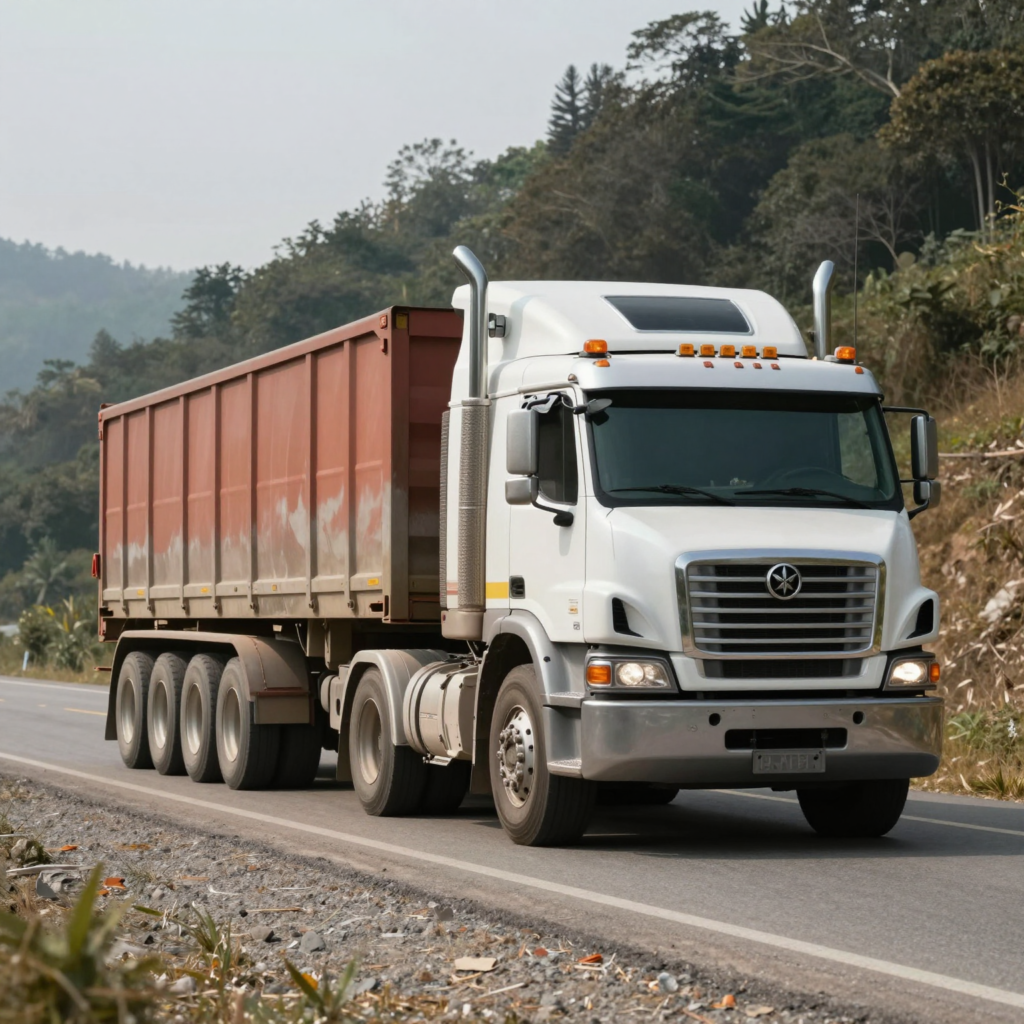
When it comes to selecting a truck, one of the most crucial factors to consider is its towing capacity. For truck owners-whether you’re a local driver, an auto repair shop owner, or a property manager-understanding your vehicle’s towing capability is not just important; it’s essential. The towing capacity of a truck can impact daily operations, long trips, and even emergency situations, making it a key element of reliable performance. A truck with the most towing capacity provides peace of mind, empowering you to transport heavy loads with confidence, whether you’re hauling equipment for an important job or moving your belongings across town. In an era where the best trucks are defined by their strength and capability, knowing what models excel in towing can save you time and stress. As we dive deeper, we will explore what makes a truck ideal for towing and highlight the top contenders in the market.
For more on correct towing practices, check out our guide on recognizing illegal towing practices and prepare for emergency towing situations.
Towing Capacities of Top Trucks in 2023
When it comes to heavy towing, knowing the right truck for the job is crucial. Here’s a comparison table showcasing some of the top trucks available in 2023 based on their towing capacities along with significant features that enhance their performance:
| Brand | Model | Towing Capacity (lbs) | Key Features Affecting Towing Performance |
|---|---|---|---|
| Ford | F-450 Super Duty | 36,000 | Best-in-class towing, available with dual rear wheels for enhanced stability. |
| Ram | 5500 Heavy Duty | 32,000 | Equipped with a strong 6.7L Cummins Turbo Diesel engine for tough jobs. |
| Chevrolet | Silverado 6500HD | 30,000 | Robust frame, Max Trailering Package necessary for maximum capacity. |
| GMC | Sierra 6500HD | 30,000 | Shares features with Silverado, optimized for heavy-duty tasks. |
| Nissan | Titan XD | 11,000 | Strong V8 engine, comes with a smart trailer tow package for safety. |
| Toyota | Tundra | 12,000 | Dual engine options, coupled with a sturdy frame for better load handling. |
Conclusion
Choosing the right truck is not just about the towing capacity, but also how they are equipped to handle the load. Ensure that you consider all factors, including the vehicle’s features and capabilities, to ensure safe and effective towing. For more insights on the rules and regulations regarding towing, learn more about illegal towing practices and how to respond to emergencies with a fleet.
Additional Resources
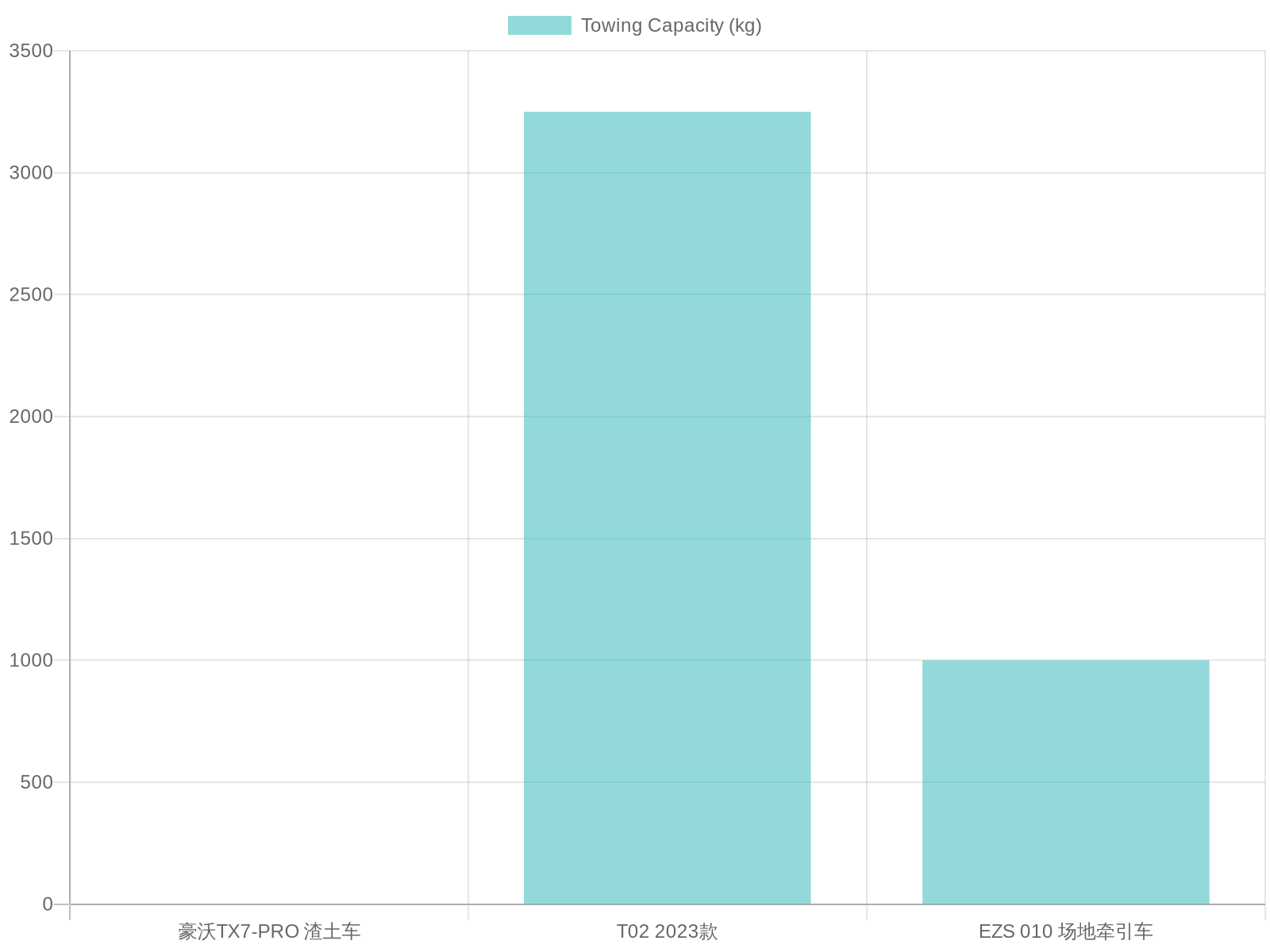
For a visual understanding, refer to the towing capacity comparison chart.
Key Factors Influencing Truck Towing Capacity
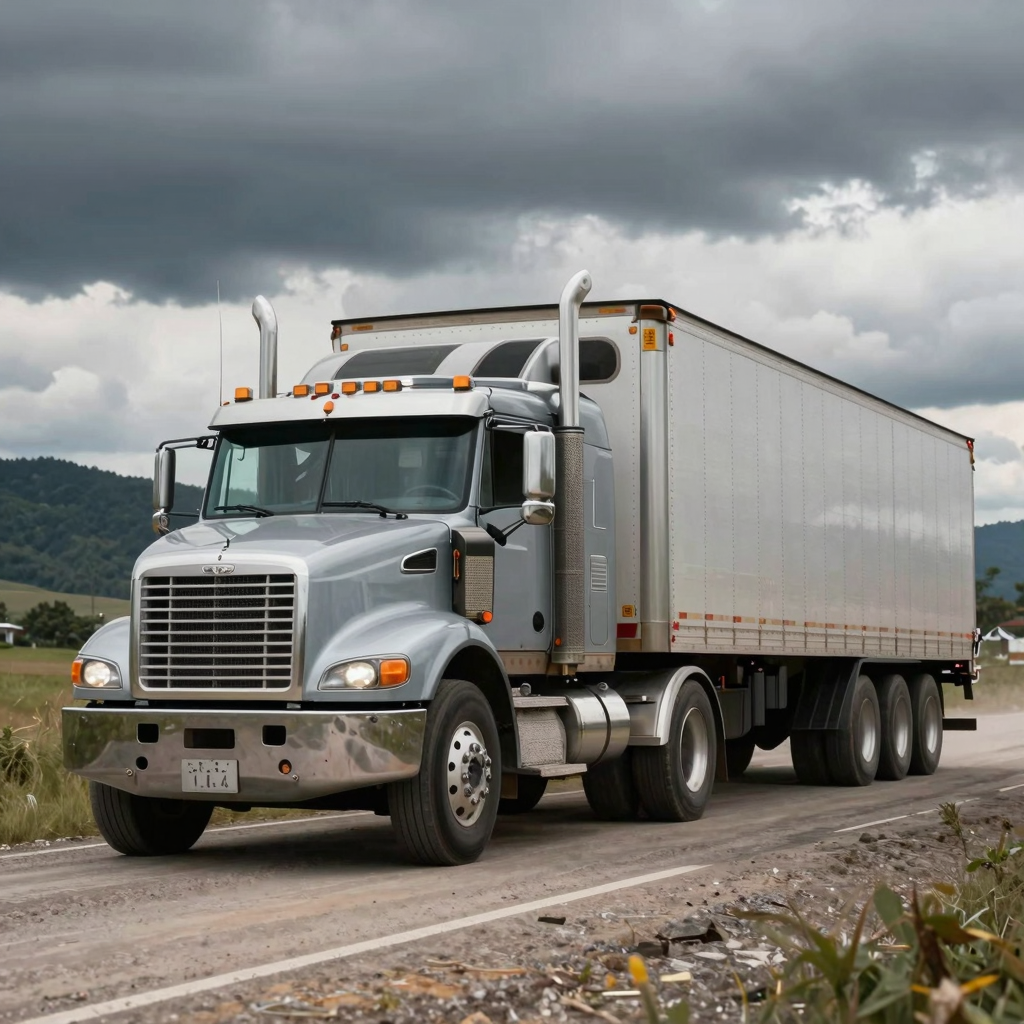
Understanding the factors that influence a truck’s towing capacity is essential for drivers who wish to maximize performance and safety when towing. Here, we’ll break down the major elements at play:
-
Engine Size:
The more powerful the engine, the better the towing capacity. Engines with larger displacements (e.g., V8s) typically produce greater torque, which is crucial for pulling heavy loads. Consider engines that provide balanced horsepower and torque for optimal towing. -
Axle Ratios:
The axle ratio determines how torque is delivered to the wheels. A lower ratio (e.g., 4.10:1) can improve towing performance by providing better torque for acceleration and hill climbing. This can enhance the overall towing experience, especially when navigating steep terrains. -
Weight Ratings:
A truck’s Gross Vehicle Weight Rating (GVWR) dictates how much weight it can safely carry, including the load it’s towing. The Gross Axle Weight Rating (GAWR) specifies the maximum weight each axle can support. Ensure these ratings are adequate for your intended towing tasks. Heavy-duty solutions can significantly improve performance in heavy lifting scenarios. Learn more about standard weight regulations. -
Trailer Types and Sizes:
The kind and dimensions of your trailer greatly affect towing capacity. For instance, lighter trailers, such as utility or lighter cargo trailers, are easier to tow than heavy-duty equipment trailers. The configuration of the trailer’s axles and the materials used can also influence how well it tows.[^1] Make sure your truck’s specifications align with your trailer’s requirements to ensure safe towing. -
Hitch Ratings:
The hitch’s capacity impacts how much weight it can tow. Ensure your vehicle’s towing hitch matches or exceeds the weight of the loaded trailer. For heavy loads, consider heavy-duty hitches designed for robust towing tasks. -
Suspension System:
A robust suspension system can help maintain stability and control while towing. Enhanced suspension supports heavier weights and ensures smoother rides. Consider upgrading if you’re planning on frequently towing larger loads or uneven loads.
Practical Advice for Drivers
- Evaluate Your Needs: Before purchasing a vehicle or trailer, assess what you will mainly be towing. This can help you avoid buying unnecessary power or compromising safety.
- Consult Ratings: Always check the truck’s towing capacity specifications in the owner’s manual and match them with the weight of your trailer and cargo.
- Conduct Regular Maintenance: Regular checking of the transmission, brakes, and suspension ensures safe towing. Safety should remain a priority to avoid challenges on the road.
By understanding these factors, drivers can make informed decisions that resonate with their towing needs and ensure safe, efficient towing experiences on the road.
[^1]: For more detailed insights about trailer types, check out how trailer specifications impact towing capacity.
Discovering the Biggest Trucks with the Highest Towing Capacity
When it comes to heavy-duty tasks and immense towing capabilities, understanding which trucks excel can greatly influence your purchasing decision. In this section, we will delve into the trucks that dominate the market regarding towing capacity, providing insights into their specifications, customer reviews, and performance in real-world scenarios.
1. Ford F-450
The Ford F-450 is often celebrated for its remarkable towing capacity, boasting a staggering maximum of 40,000 pounds when equipped correctly. Powered by a 6.7L Power Stroke V8 turbo diesel engine, it generates 500 horsepower and an impressive 1,200 lb-ft of torque. Customers frequently praise it for its dominant performance on the road and off, making it ideal for anyone needing power for heavy hauling. Key features include:
- 360-degree camera system
- Real-time load weighing
- Sync4 infotainment system
For more authentic reviews, potential buyers often point out its comfort and advanced features as significant advantages, affirming its place among the top trucks in the market.
2. Chevrolet Silverado 3500HD
The Chevrolet Silverado 3500HD is another heavyweight, capable of towing up to 36,000 pounds when properly configured. With engine options including a robust 6.6L Duramax turbo diesel, it delivers 445 horsepower and 1,030 lb-ft of torque. This truck is equipped with user-friendly technology, including an available 12-inch diagonal touchscreen and OnStar emergency services. Customer feedback highlights its reliability and strong performance under pressure. Some notable features are:
- Rearview camera
- Advanced towing technology
Many owners report satisfaction with its handling and towing experience, aligning with its reputation for durability and strength.
3. RAM 3500HD
Close behind is the RAM 3500HD, which matches the Silverado with a towing capacity of 36,000 pounds. Featuring a 6.7L Cummins Turbo Diesel engine, it produces 370 horsepower and 1,000 lb-ft of torque. The high-strength steel frame enhances its sturdiness, while advanced towing electronics simplify the towing experience. Users appreciate:
- Fully digital instrument cluster
- Uconnect 5 infotainment system
Feedback from RAM truck owners often emphasizes versatility and ease of use, particularly when maneuvering heavy loads with precision.
4. International CVX
For extreme hauling needs, the International CVX series redefines capabilities, with models that can tow over 40,000 pounds. The 6×4 configuration is designed for commercial purposes, featuring a 13L Cummins ISX15 engine that can produce up to 600 horsepower and an astonishing 2,050 lb-ft of torque. This truck is tailored for industrial applications, making it exceptionally robust. Significant aspects of the International CVX include:
- Adaptive cruise control
- Comprehensive telematics system
Practitioner reviews usually reflect its exceptional off-road capabilities and reliability in extreme conditions.
Comparative Chart of Towing Capacities
Here’s a quick comparison of these heavyweights:
| Truck Model | Maximum Towing Capacity (lbs) | Key Features |
|---|---|---|
| Ford F-450 | 40,000 lbs | 6.7L V8 diesel engine, 4WD, aluminum body, 22-inch dual rear wheels |
| Chevrolet Silverado 3500HD | 36,000 lbs | Various engine options, high towing capacity in top configurations |
| RAM 3500HD | 36,000 lbs | High-strength steel frame, advanced towing electronics |
| International CVX | Over 40,000 lbs | Heavy-duty construction, exceptional off-road and towing performance |
Conclusion
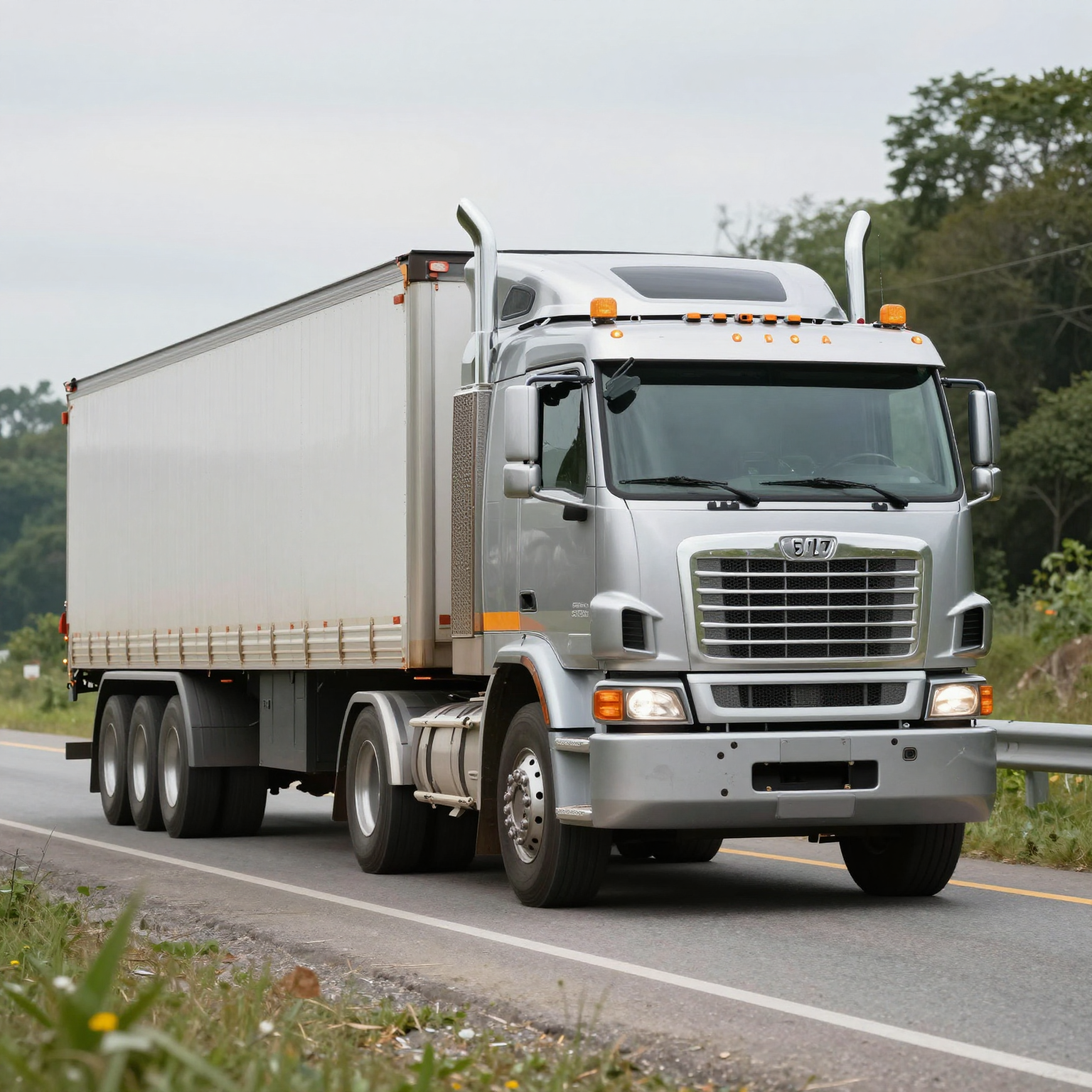
Choosing a truck with high towing capacity is essential for drivers who depend on superior performance for heavy tasks, whether for personal use, businesses, or emergency services. As local drivers and auto repair shops in the Santa Maria area know, understanding specifications and customer experiences is vital for making informed decisions. If you want the most out of your towing experience, consider these trucks as they lead the industry in performance, reliability, and advanced features.
Truck Categories by Towing Capacity
This chart illustrates the towing capacities across various truck categories, giving a quick overview to help you decide which type of truck may best fit your towing needs.
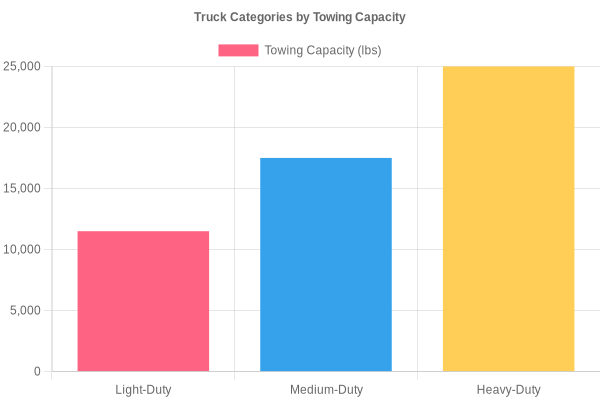
| Truck Category | Towing Capacity (lbs) |
|---|---|
| Light-Duty | 3,000 – 14,000 |
| Medium-Duty | 10,000 – 25,000 |
| Heavy-Duty | Over 25,000 |
Source: U.S. Department of Transportation – Vehicle Classification Guidelines
Tips for Maintaining Optimum Towing Performance
To ensure your truck delivers maximum towing performance, it’s essential to follow these actionable maintenance tips. By staying proactive, you can enjoy a safe towing experience and extend the life of both your vehicle and trailer:
- Regular Maintenance Checks: Schedule routine inspections to check the engine oil, transmission fluid, and cooling system. These fluids play a crucial role in performance and longevity. Learn more about essential towing maintenance.
- Tire Pressure: Always check and maintain optimal tire pressure before towing. Under-inflated tires can lead to poor fuel efficiency and increase the risk of blowouts. Ensure that the tires are rated for the load you are towing.
- Brake Inspections: Regularly inspect your truck’s braking system, including brake pads and fluid levels. Efficient brakes are vital for safe towing, especially during long hauls. Check the NHTSA’s pre-tow checklist.
- Weight Distribution: Distribute the load evenly in your trailer to prevent sway and improve handling. Utilize weight distribution hitches if necessary to keep your truck steady.
- Inspect Electrical Systems: Test your lights and electrical connections to ensure everything is functioning properly for safe towing.
Misconceptions About Towing Capacities
Towing capacities are often misunderstood, leading to unsafe towing practices and potential accidents. There are several common misconceptions that can mislead truck owners, particularly when they are considering how much weight their vehicles can safely tow.
1. All Trucks Can Tow Heavy Loads Without Modifications
One of the most pervasive myths is that all trucks, simply because they are trucks, can tow heavy loads without any need for modifications. This is far from true. Each truck has a specific towing capacity determined by the manufacturer, which reflects its design, engine power, braking system, and overall structure. Exceeding this capacity can compromise vehicle safety, leading to issues such as brake failures or loss of control.
2. Tongue Weight Doesn’t Matter
Another common misconception is that tongue weight, which is the downward force the trailer exerts on the hitch, is irrelevant. In reality, ensuring that the tongue weight is appropriate (typically 10-15% of the total trailer weight) is essential for safe towing. If the weight is too low, it can cause the trailer to sway, leading to unsafe driving conditions.
3. You Don’t Need Trailer Brakes for Heavy Trailers
Contrary to the beliefs of some inexperienced drivers, trailer brakes are not optional for larger trailers. As highlighted in this article from Gen Y Hitch, it’s crucial for safety. When towing heavy loads, not only does the truck need to handle its weight, but also that of the trailer. Therefore, relying solely on the truck’s brakes could lead to catastrophic failures during emergency stops.
4. Towing Equipment Isn’t Essential
Many believe that stock equipment is sufficient for safe towing. However, the right towing setup is crucial. Proper hitches, weight-distributing systems, and wiring are necessary to ensure that the load is balanced and that both the truck and trailer function harmoniously. Inadequate equipment can lead to significant hazards on the road.
5. Towing Capacity is Always Clear and Consistent
It’s crucial to understand that manufacturers often list different towing capacities based on various configurations (like engine type or axle ratio). Therefore, a truck’s towing capacity can vary significantly even within the same model. Always consult the truck’s manual or the manufacturer’s specifications to confirm its towing capabilities.
Real-Life Consequences
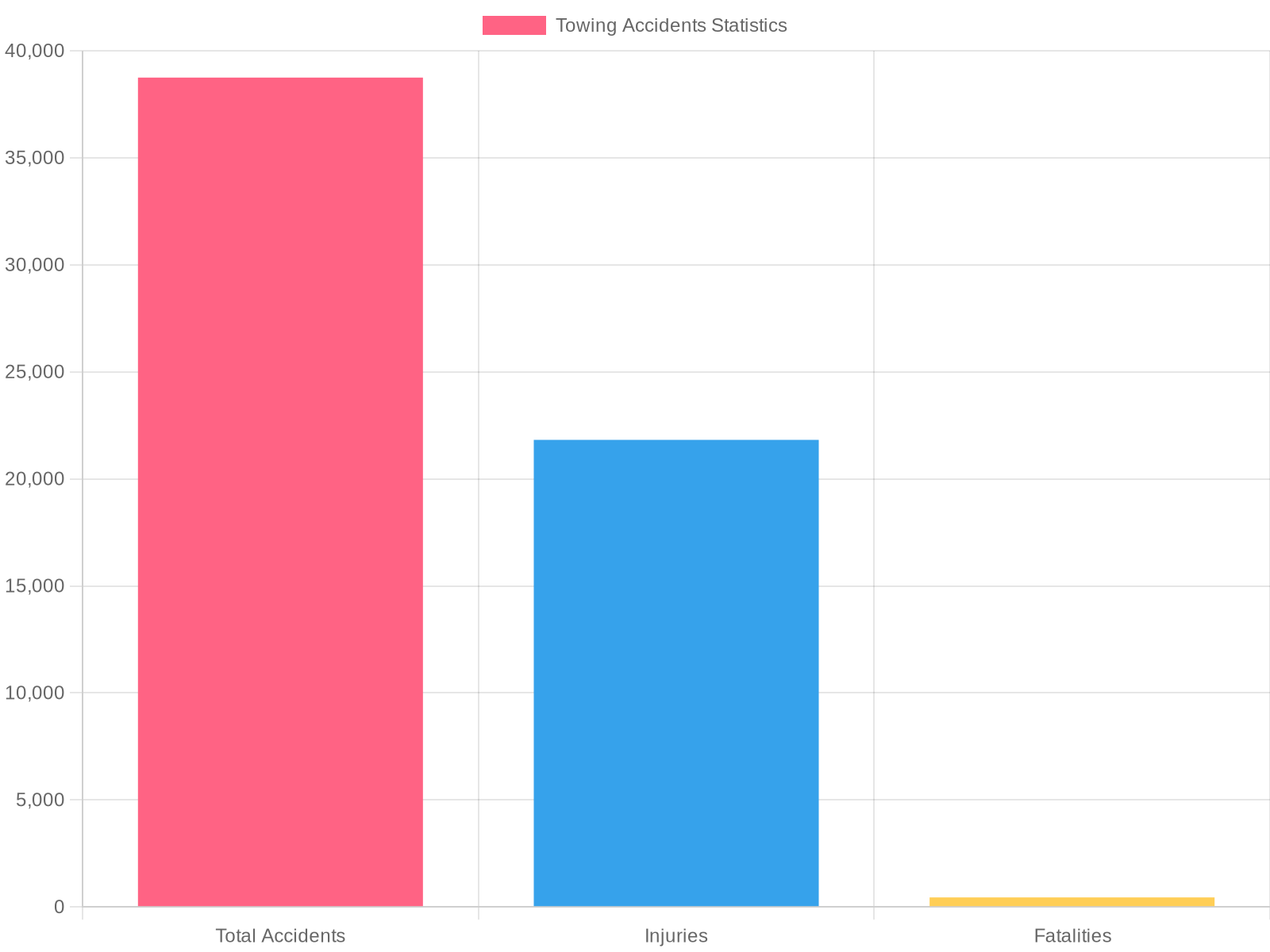
Misunderstanding towing capacities can lead to serious accidents. According to South Australia Police, towing-related accidents accounted for a significant portion of vehicle incidents, emphasizing the importance of proper towing practices. Overloaded vehicles were involved in a substantial number of these incidents, contributing to more than 18% of major traffic accidents.
| Statistical Insight | Value |
|---|---|
| Total Towing Accidents | 38,747 |
| Total Injuries | 21,821 |
| Total Fatalities | 445 |
Conclusion
It’s vital for truck owners and drivers to discern facts from myths regarding towing capacities. Awareness and adherence to manufacturer’s specifications, proper equipment usage, and understanding safety measures can significantly enhance safety on the road. Always ensure that your vehicle is appropriately equipped before hitting the road with a trailer. For additional insights on safe towing practices, check out this detailed guide.
By recognizing these misconceptions and applying accurate knowledge, drivers can protect themselves and others on the road for a safer towing experience.
“Understanding towing capacity is critical when purchasing a truck because it directly impacts safety, vehicle performance, and legal compliance. Exceeding a truck’s towing capacity can lead to brake failure, suspension damage, transmission overheating, and increased accident risk. Buyers should not rely solely on advertised towing figures but must consider real-world factors such as payload, hitch type, tire ratings, and vehicle weight distribution.”
- Experts at TruckTrend.com (source)
This quote emphasizes why potential truck buyers must thoroughly understand towing capacities and not just take the numbers at face value. Knowledge of these limits is essential for ensuring safety and efficiency in towing operations.
For more insights about vehicle safety, check out our article on dangers of improper towing methods.
Conclusion
In summary, understanding towing capacity is vital for anyone looking to purchase a truck for personal or commercial use. As discussed, trucks like the Ford F-150 lead the market with an impressive towing capacity of 14,000 lbs, making them a top choice for heavy-duty tasks. Other competitive models include the Chevrolet Silverado 1500 at 13,300 lbs and the GMC Sierra 1500 slightly behind at 13,200 lbs. Choosing a truck with the appropriate towing capacity can greatly enhance your performance, whether you’re towing a trailer for recreational use or managing a fleet.
Additionally, knowing your truck’s capabilities ensures safety and compliance with local regulations, possibly relating to standardization in heavy-duty rescue operations. Understanding how to match the truck’s towing features with your needs protects your investment and helps maintain operation efficiency.
As you consider your options, we invite you to explore the high-quality offerings at Summit Fairings for premium motorcycle fairings. Their products not only enhance your vehicle’s aesthetics but also improve functionality. Check out their offerings here. Upgrade your riding experience today! Together, let’s make informed decisions that enhance our driving and towing capabilities while ensuring safety and reliability on the road.
Stay safe and enjoy your journey!