
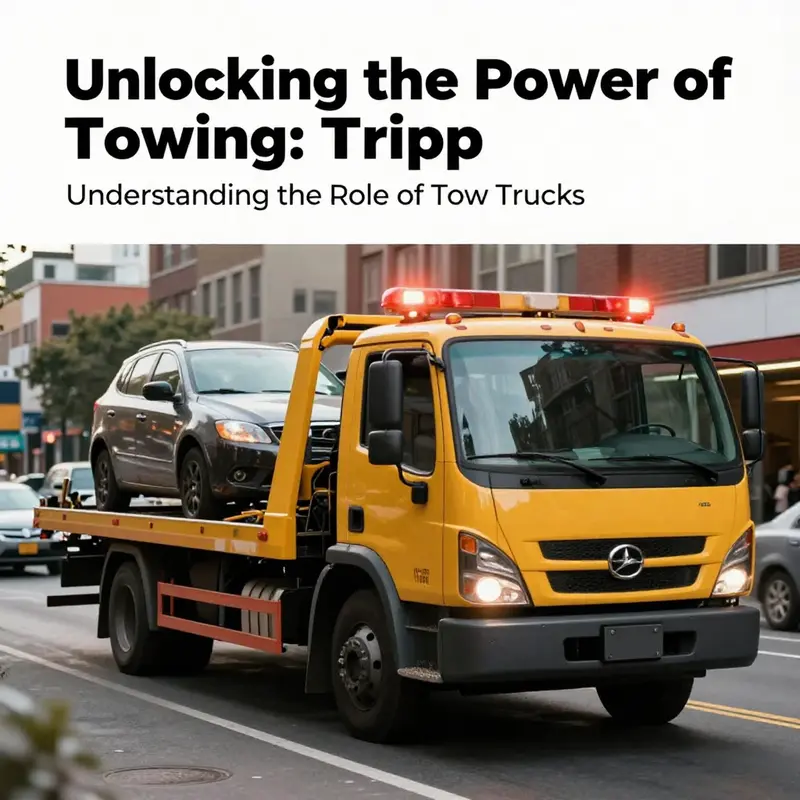
Tow trucks are more than just vehicles; they are the lifeblood of roadside assistance, serving as a critical support system for drivers and communities alike. Whether you’re a car owner who has ever found yourself stranded, a property manager ensuring proper parking, or an auto repair shop needing reliable recovery services, understanding how tow trucks operate is essential. This exploration will take you through the mechanics and functionality of tow trucks, revealing their economic impact on roadside assistance and recovery services, and exploring the legal and regulatory aspects surrounding their use. By delving into each of these areas, we can appreciate the multifaceted role that tow trucks play in maintaining safety and order on our roads.
Tow Trucks in Motion: The Mechanical Craft Behind Roadside Rescue and Recovery
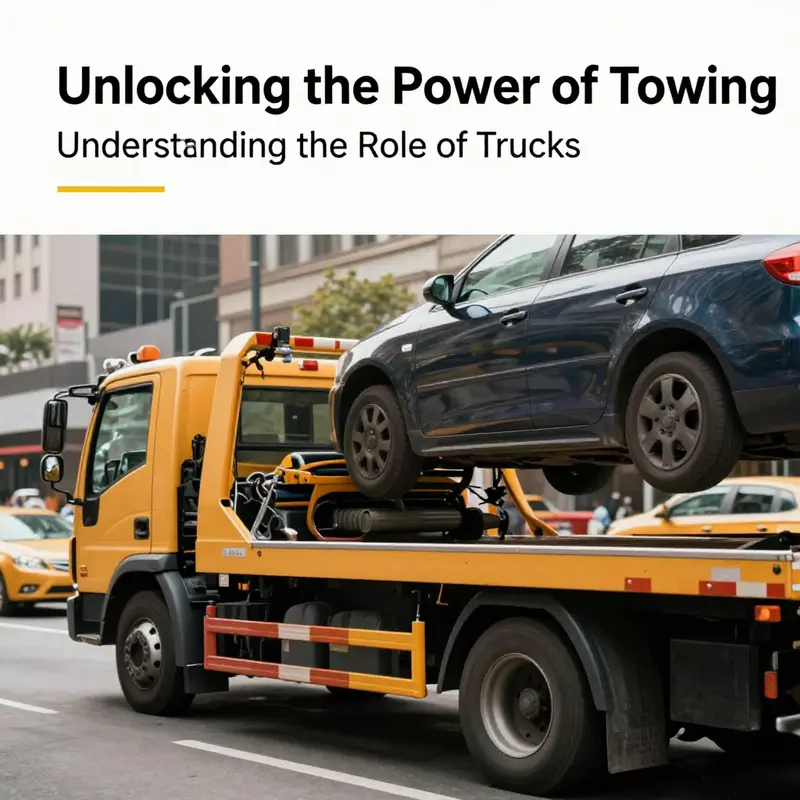
A tow truck is more than a vehicle with a hook. It is a carefully engineered instrument designed to arrest loss in the most time‑sensitive moments on the road. Its purpose is not merely to move a car from point A to point B, but to do so in a way that preserves life, minimizes damage, and restores order to traffic flow as quickly as possible. The mechanics behind this purpose sit at the intersection of heavy‑duty metallurgy, hydraulic science, and precision control systems. At its core, the tow truck is a robust chassis paired with a high‑torque engine and a braking system built to absorb significant dynamic loads. The frame must tolerate the tug of a heavy vehicle, the resistance of winches under load, and the sudden shifts that occur when a vehicle transitions from a standstill to secure transport. The vehicle operates in environments where surface conditions vary from slick urban asphalt to uneven rural shoulders, and it must respond with predictable, repeatable behavior. This demand drives a design philosophy that values not only raw horsepower but also the ability to modulate that power with finesse. The hydraulic systems, which are the lifeblood of modern recovery work, provide the nuanced control that allows an operator to move a car with both care and speed. Hydraulic booms extend, retract, and rotate with a precision that belies their size, enabling access to vehicles end-on, from the side, or from awkward angles after a collision. The outriggers—sturdy supports that anchor the vehicle to the ground—keep balance when the load shifts or when a recovery begins on uneven terrain. These are not decorative features; they are essential in a job where even a small miscalculation can propagate into a dangerous loss of control or a secondary injury. The winch, with its thick steel cable and high‑tensile strength, is more than a rope; it is a lifeline that must respond with exacting control. The operator uses the winch to anchor the stranded vehicle, to apply steady pulling force, and to monitor tension so that the line does not snap or kink under heavy loads. For many operations, the wheel‑lift arms provide a bridge between the immobilized vehicle and the tow bed, lifting wheels off the ground without dragging the tires across pavement. When a vehicle has suffered extensive damage or needs to be moved from a precarious position, a flatbed becomes the preferred tool. The bed tilts hydraulically, allowing the vehicle to be winched or driven onto the deck, which then lowers back to the roadway level. This approach eliminates ground contact and reduces the risk of further damage to sensitive drivetrain components, especially on modern automobiles with low ground clearance. In other scenarios, the versatile boom tow truck places a hydraulic arm in a position that can reach from above or from the side, making it possible to recover overturned or jammed vehicles without having to dismantle the scene. The 360‑degree rotation found on rotators adds a further layer of capability, enabling the operator to lift, reposition, and place a vehicle with the kind of flexibility that can transform a difficult recovery into a controlled, orderly operation. The engineering of these tools is not static; it evolves with improvements in materials, sensors, and control logic. Strong alloys reduce weight while maintaining strength, enabling larger payloads without compromising stability. Real‑time monitoring systems track load, temperature, and structural integrity, providing feedback to the operator and, in many fleets, to a central dispatch center. This information flow makes the difference between a recovery that is efficient and a recovery that becomes a cascade of complications. Across the industry, different configurations exist to match the demands of varying environments and mission profiles. Boom tow trucks feature a hydraulic arm that can extend, rotate, and lift from multiple angles, a design optimized for accident scenes where access is limited or where an overturned vehicle must be stabilized before righting. The same principle—the careful orchestration of hydraulic pressure and mechanical leverage—guides a flatbed’s operation. The bed’s tilt and incline functions allow vehicles to be loaded and secured with minimal ground contact, which is especially important for low‑clearance cars or AWD models that risk drivetrain damage if they are dragged. Rotator tow trucks, with their 360‑degree booms and enhanced load capacities, are often deployed in environments that demand rapid, precise repositioning of vehicles in challenging terrain or tight spaces. Each type serves a distinct purpose, yet all share a common aim: to recover vehicles with precision, protect lives, and maintain traffic safety. The choice among a boom, a flatbed, or a rotator does not rest on fashion or fancy technology alone. It rests on an assessment of weight, geometry, terrain, and the crew’s training. Even the best equipment cannot substitute for an operator who understands the physics of leverage, the limits of the gear, and the moments when patience is the highest form of safety. This is why training is a constant companion to the hardware. Operators study the dynamics of failure, the sequence of steps that keep loads from shifting, and the signs of impending mechanical strain. They learn to read the scene in a glance: the street slope, the surface texture, the position of nearby traffic, and even the wind that can influence a line under tension. A well‑trained crew will choreograph a sequence of actions that feels almost musical in its efficiency. The mechanics and functionality of a tow truck, then, are a story of balance. Power is harnessed through hydraulics; control is exercised through skilled operation and disciplined procedure; safety is ensured by structural integrity, real‑time monitoring, and rigorous adherence to standards. In practice, this balance translates to a procedure that begins as soon as a call is dispatched and ends only when the roadway is returned to a steady state of normalcy. The dispatch notes the vehicle type, the road conditions, the present weather, and any hazards that might affect loading. Upon arrival, the crew conducts a quick reconnaissance, verifies that the vehicle is stable, and lays out the recovery plan. They check the payload rating of the equipment, confirm the anchor points, and select the appropriate recovery method. If a car is immobilized in a ditch or wedged beneath a guardrail, the team will often rely on a combination approach: stabilizing with outriggers, anchoring with a winch line, and, if necessary, using a boom to create a controlled separation from the obstacle. In many situations, an on‑scene assessment reveals a preferred approach that minimizes further risk. The flatbed option may be chosen when the vehicle’s drivetrain components are at risk or when ground clearance is too shallow for wheel loading. A rotator might be called upon when space is constrained, or when the vehicle needs to be repositioned to a safer location for further inspection. These decisions underscore the practical intelligence that drives everyday roadside work. The performance standards that govern these machines are not mere bureaucratic formalities. They reflect a commitment to safety, reliability, and efficiency in operations that affect the public’s daily lives. Manufacturers pursue durability through improved materials and more accurate manufacturing processes, while fleets implement regular preventive maintenance schedules and diagnostic monitoring to catch problems before they become incidents. Operators are trained not only in the mechanical handling of heavy loads but also in reading road conditions, coordinating with other responders, and communicating with drivers whose vehicles are being recovered. The best practitioners understand that the presence of a tow truck on a busy highway is not an interruption; it is a sworn obligation to act as a moving safety barrier, guiding traffic away from danger while restoring a sense of order. The broader ecosystem around tow trucks—law enforcement, emergency medical services, and transportation authorities—depends on reliable, well‑maintained equipment and on crews that can perform under pressure. In urban centers, tow trucks clear lanes after collisions or during illegal parking enforcement, returning critical arteries to normal function. In rural or remote areas, six‑by‑six configurations and high‑trraction wheel setups can be the difference between timely assistance and a delayed rescue, especially in snow, mud, or sand. These realities shape not only the hardware but also the operational culture of the industry. The culture emphasizes a steady emphasis on safety, continuous learning, and a respect for the complexity of modern vehicles. A modern tow truck operator understands that a car today is a network of sensors and electronics, not simply a metal shell with tires. That awareness informs everything from the choice of tie‑downs and wheel straps to the sequence of steps used to protect airbags or prevent steering column damage. The design of a tow truck therefore embodies a philosophy of responsible handling: equipment that is capable, but never overconfident; controls that are intuitive, yet backed by checklists and standard operating procedures; and a work environment that prioritizes the safety of both the operator and the vehicle under recovery. As the chapter unfolds in a broader discussion of road‑side resilience, it is worth noting how the field has evolved from simple winching to an integrated system of recovery tools, diagnostic awareness, and collaborative readiness with other responders. In this sense, the mechanics and functionality of a tow truck are not static; they are part of a living, adapting practice that responds to vehicle complexity, urban density, and the unpredictable calculus of road incidents. For readers who wish to explore how standardization shapes these operations, the topic of heavy‑duty rescue procedures offers a deeper lens into the safety margins, the procedural rigor, and the collaborative dynamics that guide every dispatch. standardization in heavy-duty rescue operations provides a useful framework for understanding why each recovery is performed with a defined sequence, clear communication, and a shared sense of responsibility toward the traveling public. The practical takeaways include how crews coordinate with traffic management, how they stage vehicles to protect passersby, and how they document incidents to support future improvements in safety and efficiency. These principles, applied across the spectrum of tow truck configurations—from boom to flatbed to rotator—help explain why a tow truck is not simply a vehicle but a carefully calibrated instrument designed to turn a scene of disruption into a controlled, recoverable incident. To those who study or operate within this field, the emphasis on safety, predictability, and disciplined practice remains constant, guiding every decision from the moment a call comes in until the road crashes back into normal rhythm. For a deeper technical perspective on the structural composition and performance characteristics that govern these machines, see the external resource referenced in this chapter: a comprehensive guide to 6×4 small flatbed tow trucks that outlines composition, structure, and performance for engineers. External resource: 6×4 Small Flatbed Tow Truck Guide
null
null
null

null
Final thoughts
Tow trucks are essential components of our automotive landscape, providing invaluable support in various situations from breakdowns to accident recovery and illegal parking enforcement. Their mechanical functionality, economic importance, and the legal framework governing their operation are critical for drivers, auto shops, and communities alike. As car owners and citizens, understanding the role of tow trucks can empower us to utilize their services more effectively and appreciate their contributions to our daily lives.