
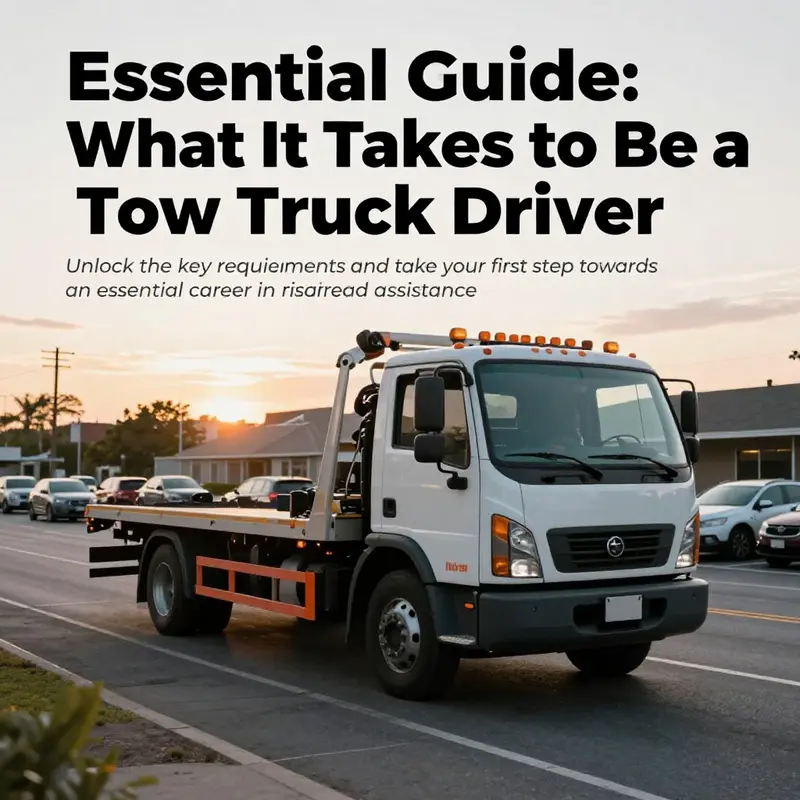
Becoming a tow truck driver is not just about operating a vehicle; it’s about ensuring safety, providing assistance, and maintaining professionalism in often stressful situations. As a vital part of transportation and auto repair, tow truck drivers play a crucial role in local communities. This guide leads you through necessary age and legal requirements, licensing specifications for driving heavy vehicles, vital medical and physical qualifications, and the essential training and certification needed to embark on this important career. Each chapter builds a comprehensive understanding of the path to becoming a competent and reliable tow truck operator.
The Gatekeepers on the Road: Age, Licenses, and Legal Pathways to Becoming a Tow Truck Driver

To reach the driver’s seat of a tow truck, a person must pass through a set of gatekeepers that vary by place but share a common aim: safety, accountability, and reliability on the road. This chapter follows that path, tracing how age limits, licensing rules, medical standards, and background checks shape who can legally operate a tow truck. The story is not a recipe for a single jurisdiction but a map of the landscape you must navigate to move from aspiration to active service. Although the specifics differ from state to state and country to country, the thread remains consistent: you must demonstrate competence, responsibility, and readiness to handle heavy vehicles, unpredictable scenes, and the delicate work of repositioning disabled or stranded vehicles without creating additional danger. As you read, keep in mind that local regulations may adjust the thresholds, but the underlying logic stays the same: guardrails for safety, and a clear set of steps to reach the driver’s seat with confidence.
Age acts as the first gate. In many regions, tow trucks are considered commercial vehicles because of their size, weight, and the risks they carry. While some jurisdictions might allow younger applicants in limited roles or with conditions, the prevailing standard in many places centers on a minimum age of twenty-one. This threshold recognizes that commercial driving tasks demand a maturity that goes beyond handling a standard passenger car. The difference is not merely about legal compliance; it is about the responsibilities of operating a vehicle with substantial payload and the vigilance needed to respond calmly to roadside emergencies. The age requirement is not an arbitrary barrier but a predictor of safety behavior, decision-making under pressure, and the long-term reliability that towing companies rely on when they dispatch crews for late hours, bad weather, or high-pressure recoveries.
Beyond age, the licensing framework forms the backbone of your eligibility. In the United States, the usual route for heavy tow trucks is the Commercial Driver’s License (CDL). The CDL is not a single badge but a family of classifications and endorsements that reflect the vehicle’s weight, configuration, and the goods carried. If a tow truck’s gross vehicle weight rating (GVWR) exceeds 26,000 pounds, most states require a CDL. In addition, if you’re expected to haul hazardous materials or transport passengers, additional endorsements or credentials come into play. The practical implication is straightforward: the road to towing work often begins with a formal, comprehensive driving credential that confirms you can operate large, complex machines in a controlled and compliant way. Some jurisdictions may confuse the lines by using local classifications or alternative licenses for heavy vehicles, but the intent remains the same—standardized training, testing, and ongoing accountability for those who drive the heaviest equipment on public roads.
In other regions, the picture shifts toward different naming and testing rituals, yet the core logic endures. A recent comparative look shows that in some places, a specialized heavy-vehicle designation is combined with road-safety certifications and periodic re-testing to ensure sustained competency. For aspiring tow operators operating across borders or working with fleets that cross state lines, this means preparing to meet a spectrum of expectations, from written knowledge tests to practical demonstrations of vehicle handling, load securement, and incident-response procedures. The insistence on a robust licensing framework mirrors the high-risk context in which tow trucks operate: sudden stops, unstable loads, and the potential to create secondary hazards if a recovery is mishandled.
The path toward licensure does not stop at the DMV or the licensing bureau. A track of medical and physical readiness accompanies every driver’s journey. Medical requirements are designed to ensure that a driver can perceive hazards clearly, respond quickly, and maintain physical control over a heavy vehicle over long shifts. In practice, this means a medical examination that looks at height or stature in relation to fitment in the cab and the ability to operate controls without impairment. Vision is crucial; many programs require distant acuity around the 20/20 range, with the possibility of corrective lenses if necessary. Hearing must be sufficient to detect engine noises, approaching hazards, and radio instructions. Color vision is sometimes tested because it can affect the ability to distinguish signals or lights at a distance. The physical demands extend to the upper and lower limbs, where dexterity, coordination, and strength support both routine driving and the more demanding operations of tying down loads and maneuvering in tight spaces with a sieved, multi-piece vehicle.
Medical and physical criteria are not mere formalities. They reflect a broader understanding that towing is a safety-critical service. A tow operator may need to navigate busy interchanges, operate wheel lifts, secure chains and straps, and coordinate with dispatch and other responders in high-stress environments. In some jurisdictions, those with certain health conditions, such as epilepsy or severe cardiac issues, face disqualification due to the potential for sudden impairment. The rule is not to exclude people with serious conditions from all work but to reserve a specialized role for those whose medical profile aligns with the demands and risks of towing. For many applicants, the practical path is to consult medical professionals, disclose conditions honestly during the screening process, and, when necessary, pursue treatment and stabilization before reapplying. The result is a workforce that can be trusted to act decisively without compromising safety when every second counts on the roadside.
A clean driving record and a suitable background are the next gatekeepers. Past incidents left on a driver’s record can influence eligibility, especially if they involve major traffic accidents or offenses such as DUI, hit-and-run, or reckless driving. The standard here is not punitive—it’s about preserving the integrity of the service and protecting the public and the crews who work with tow operators in often hazardous environments. In some roles, especially those handling hazardous materials or sensitive cargo, a more stringent background check applies. The emphasis on a spotless record in certain contexts reflects the added responsibilities that come with specialized tow operations, where the crew may be asked to secure hazardous loads, respond to emergency scenes, or work in limited-visibility conditions. The screening is not a one-off hurdle; many fleets require ongoing monitoring and periodic checks to maintain eligibility.
Training and certification round out the qualifications, and they are where practical competence becomes visible. A tow operator must complete a structured program that covers the rules of road, practical vehicle maintenance basics, and emergency response procedures. Learning how to perform safe towing—how to set up dolly systems, how to secure loads, and how to safely operate winches and stabilizers—forms the core of the training. Many programs culminate in a formal exam that grants a tow-truck operator certification. The certification serves as proof that the driver has absorbed both the theory behind road transportation laws and the hands-on skills required to execute a recovery without creating new hazards. The emphasis on emergency readiness—how to safely manage a scene, communicate with other responders, and protect victims and bystanders—underscores the sense of responsibility that accompanies the role.
As you consider these requirements, it helps to think of the process as a coherent journey rather than a checklist. The first mile is about eligibility—age and licensing. The second mile focuses on fitness and safety—medical exams, vision, hearing, and physical capacity. The third mile concerns history and reliability—driving records and background checks. The final mile is about competence—training, testing, and certification. Each mile reinforces the others, creating a profile of a tow-truck driver who can be trusted to engage with complex vehicles, unpredictable weather, and the human factors that always accompany roadside incidents. The sequence matters because skipping steps or rushing through the process can undermine safety and reliability, which are non-negotiable in a field where a single misstep can affect lives and property in moments.
For those who want a practical touchstone while planning their path, a broad-strokes overview can be found in industry resources that compile state-by-state guidance and common requirements. Readers who want to see how these standards translate into real-world expectations can explore practitioner perspectives in accessible formats, such as a dedicated industry blog that offers narratives and guidance from experienced operators. The blog can provide useful context on typical hiring criteria, the kinds of tests crews face, and the day-to-day realities of responding to calls, which often involve coordinating with dispatch, police, and emergency services. You can consult that resource here: Santa Maria Tow Truck Blog.
As you map out your plan, keep in mind that the details presented here are shaped by jurisdictional differences. In Western Australia and other parts of the world, for example, there are distinct checkpoints such as mandatory inspection centers for new or modified tow vehicles and formal licensing processes that include documentation like a Certificate of Inspection and vehicle licensing forms. While these specifics may differ from the U.S. CDL framework, the underlying principle remains consistent: any operator must demonstrate roadworthiness, compliance with local transport rules, and a verifiable ability to perform the job safely and professionally. For those readers who are curious about how these standards manifest in different regulatory environments, official resources from relevant authorities provide the most accurate, up-to-date guidance. A useful external reference that outlines broad expectations and pathways in this domain is the Indeed guide on becoming a tow truck driver, which synthesizes many of the essential steps and considerations for prospective entrants. External resource: https://www.indeed.com/career-advice/career-development/becoming-a-tow-truck-driver
In sum, the road to becoming a tow truck driver is defined by safety-first gatekeeping that ensures every operator can handle heavy machines, adapt to evolving roadside scenarios, and execute recoveries with precision and care. The age and licensing thresholds, the medical and physical fitness standards, the cleanliness of a driver’s record, and the rigorous training and certification requirements all work together to form a robust framework. This framework protects the public, supports efficient traffic management, and sustains the reliability of towing services that communities depend on in moments of crisis. When you embark on this path, approach each milestone as both a responsibility and an opportunity—a chance to join a profession that combines technical skill, quick thinking, and a commitment to keeping roads safer for everyone. For ongoing guidance and real-world insights, you may also explore additional resources and industry perspectives available through the linked blog and official channels.
Tow Truck Licenses in Texas: Navigating Class Licenses, CDL, and Special Permits
Licensing for tow truck work in Texas is a thread that runs through every shift, every call, and every decision you make behind the wheel. It is not merely a box to check; it is a framework that defines what you are legally permitted to tow, where you can operate, and how you must conduct yourself when you are called to move vehicles in often stressful and dynamic situations. The path begins with a valid Texas driver’s license, but the specifics multiply quickly once you consider the weight of the towed vehicle and the nature of the operation. In practice, the license you hold depends less on a single label and more on the use case you anticipate day to day. If you plan to drive a tow truck that remains within standard light-duty limits, a regular Texas license may be sufficient for some activities. If your work involves heavier tow units or commercial transport, a Commercial Driver’s License becomes a central piece of the puzzle. The state’s licensing approach emphasizes the relationship between the vehicle’s weight, the duties you perform, and the regulatory framework that governs commercial vehicle operation. This structure keeps the operation safe on the road and ensures that those who tow, recover, and assist on Texas roadways meet consistent standards of knowledge and responsibility.
Beyond the broad distinction between ordinary driving and commercial operation, Texas recognizes several specialized licensing pathways that address the particular contexts in which tow operators work. For heavier tow trucks or for vehicles that exceed certain weight thresholds, obtaining a Commercial Driver’s License (CDL) is often the practical and legal necessity. The CDL is not a single, monolithic credential; it is a family of licenses that reflects different vehicle classes and the duties associated with them. In Texas, the classification system mirrors many national conventions, using designations such as Class A, Class B, and Class C to denote the types of vehicles you are certified to operate. A tow operator who intends to work with large and heavy wreckers or combination units may find that Class A or Class B licenses align with the vehicle configurations used in daily operations. The decision point—what license you pursue—turns on two core questions: How much does the vehicle you tow weigh, and what kind of hauling activities will you perform on the job?
Alongside the CDL, a number of role-specific licenses have emerged to address particular towing scenarios that frequently require specialized oversight or coordination with authorities. A Consent Tow License, for instance, is designed for operators who tow vehicles with the owner’s consent or the authorization of an owner’s representative. This license recognizes the nuance that not all towing occurs under the same circumstances; some tows happen because a vehicle is in a private lot, in a driveway, or at a location where the owner has consented to removal for legitimate reasons. A Private Property License covers tow operations conducted on private property, such as shopping centers, apartment complexes, or business premises. This license acknowledges the need for clear authorization and adherence to property rules while performing recoveries and impounds on privately owned sites. For incidents that involve accidents or traffic disruptions, an Incident Management License is often required or strongly preferred. This credential is tied to the coordination of tow operations during emergencies,事故 scenes, or law enforcement interactions, where safety protocols, rapid response, and clear communication with responders are critical.
If you are evaluating this path, it is essential to consult the official Texas Department of Public Safety (DPS) resources for exact requirements and the current application process. The DPS maintains a centralized portal for Commercial Driver’s Licenses and related licenses, which outlines the criteria, testing, and documentation needed to pursue these credentials. The official page for CDL information provides the authoritative, up-to-date guidance you need, including which licenses apply to which towing scenarios and how to qualify for each category. This clarity is particularly important because licensing rules can evolve in response to safety concerns, legislative changes, and the realities of tow work in different communities across the state. For anyone considering a career as a tow operator in Texas, starting with a clear understanding of these license types gives you a precise map of the steps you will need to take before you can confidently and legally hit the road with a tow crew.
As you map this path, the practical steps begin to take shape in your daily planning. If you foresee operating heavier equipment or working in contexts that involve public roads and professional towing services, you will want to discuss your plan with a licensing advisor or a licensing office representative who can translate your intended operations into the correct license category. The process often begins with a standard driver’s license and progresses to the CDL or to one of the specialized licenses as your responsibilities expand. The weight classification and the type of towing you plan to perform act as the compass that guides you toward the right credential. It is useful to frame your career goals around a realistic assessment of the work you expect to perform, because the licensing path you choose will influence the training you pursue, the testing you undergo, and the ongoing compliance required to keep your credentials active.
In this context, it is also worth noting the value of practical, on-the-ground preparation. Certification is not purely about passing a test; it is about building a robust foundation in vehicle operation, safety procedures, and professional conduct. Training programs that cover road transportation laws, vehicle maintenance basics, emergency response procedures, and Safe towing practices not only satisfy regulatory expectations but also fortify a tow operator’s ability to perform reliably under pressure. The interplay between regulatory compliance and practical proficiency is where the professional is made. You gain the confidence that you can manage a multi-vehicle recovery, assess the safest means of lifting and securing a disabled vehicle, and communicate effectively with other responders, property owners, and motorists who may be affected by your operation.
For those who want to see how these licensing considerations unfold in real-world contexts, it is helpful to reference industry resources and experienced operators who describe the licensing landscape from both the regulatory and practical viewpoints. The narrative of a tow operator’s career is not just a checklist of licenses; it is a story of how a driver translates eligibility into daily responsibility on the streets and highways. The licensing framework influences not only the job you can perform but also your employer’s expectations and the safety standards you must uphold on every shift. When you begin to pursue the official licenses, you will begin to feel the connection between the legal requirements and the practical mastery of the work you do. This connection is what sustains a tow operator through long shifts, tricky recoveries, and the unpredictable moments that define tow work.
To keep the narrative grounded in the operational realities of Texas tow work, it helps to consider the role that specialized licenses play in different settings. Consent Tow licenses, for instance, enable operators to execute recoveries with clear authorization, which is common in residential or commercial properties where owners or managers direct the tow. Private Property licenses tailor the permission framework for operations in spaces where private property rules govern access and removal. Incident Management licenses are aligned with the demands of scenes that involve law enforcement, emergency responders, and the temporary traffic control necessary to preserve safety while a vehicle is being moved or recovered. These licenses do not just permit action; they provide a formal context for coordination, safety protocols, and accountability. They also signal to clients and partners that the operator is prepared to operate within the specific safety and procedural requirements of the scenario, whether on a busy highway shoulder, a crowded shopping center lot, or a roadside incident site.
The practical implications extend to the daily life of a tow operator. When your license matches the work you perform, you can approach each call with a confident, methodical approach that prioritizes safety for yourself, your crew, the vehicle being towed, and the surrounding traffic. You gain a shared language with other responders and with property managers, which makes the whole process smoother. You also establish a pathway to advancement, since many agencies and recovery services prefer operators who hold the appropriate licenses for their typical operations. The licensing path you choose often aligns with your career goals, whether you aspire to run a local recovery fleet, join a municipal or law-enforcement–adjacent response unit, or specialize in particular types of towing scenarios that demand specialized credentials.
If you want a sense of how licensing decisions intersect with practical readiness and emergency readiness planning, you can explore industry resources that discuss standardization and preparedness for heavy-duty rescue operations. Such discussions emphasize that licensing is part of a broader system of readiness, coordination, and professional accountability that keeps responders and motorists safe during incidents and recoveries. For readers seeking a concrete example of the licensing framework in practice, consider reviewing the Texas DPS guidance directly and comparing it with the common pathways described here. The link below points to the official portal where the state details its CDL and related licensing pathways, and it serves as a reliable reference as you plan your entry into tow work in Texas.
External resource: https://www.dps.texas.gov/driver-license/CDL/
In addition to official channels, you can also find practical perspectives and guidance through industry discussions and professional blogs. A resource that provides veteran perspectives on the tow industry can be valuable when you start mapping your path. For a broad view of the profession, you may want to read through the experiences and insights shared by practitioners in the field, such as those who write about daily operations, safety standards, and the realities of working on the road. These narratives help bridge the gap between regulatory requirements and the hands-on expertise that keeps tow crews moving under demanding conditions. For readers looking to see how the everyday work of tow operators intersects with regulatory requirements, you might find it helpful to explore broader industry discussions and firsthand accounts that illuminate how licensing decisions shape performance on the ground.
An additional layer of context comes from industry literature that emphasizes readiness and standardization in heavy-duty rescue operations. While licensing provides the formal pathway into the field, readiness—covering equipment checks, crew coordination, and adherence to safety protocols—ensures that the license becomes a reliable credential you bring to every call. This synthesis of legal authorization and practical competence is what enables tow operators to start their days prepared for the unexpected and end them with the confidence that they have complied with applicable rules and demonstrated professional capability. Embracing both dimensions—clear licensing and thorough readiness—helps you build a credible, sustainable career in a field that keeps streets clear, traffic moving, and communities connected, even in the aftermath of incidents.
For those who want to keep a finger on the pulse of the industry while navigating licensing, a resource that brings together practical insights and timely updates can be a helpful companion. You can read about standardization in heavy-duty rescue operations and how readiness plans correspond to licensing requirements in real-world deployments. This approach reinforces the idea that becoming a licensed tow operator is the first step; maintaining readiness and adherence to evolving standards is the ongoing commitment that sustains career growth and safety on the road. If you are exploring how licensing fits into the broader arc of a tow career, remember that the official DPS page is your primary reference for current requirements, while practical resources can help you translate those requirements into a confident, capable practice on every tow call.
To connect this licensing journey with the day-to-day realities you may encounter, it can be helpful to reflect on the various environments in which you might operate. A consent tow scenario in a residential neighborhood may demand different permissions and procedures than a highway-assisted recovery on a busy interstate. A private-property tow at a commercial complex may require close coordination with property management and adherence to site rules, while an incident management assignment will call for tight communication with law enforcement and emergency personnel. In all cases, the license you hold should align with the work you intend to perform, ensuring you have both the authority and the capability to act safely, legally, and professionally. The licensing landscape in Texas is designed to acknowledge those differences and provide clear paths to credentials that match real-world towing operations.
If you are embarking on this path, take the time to review the official licensing requirements early in your planning. Speak with licensing staff, study the relevant sections of the DPS website, and consider seeking guidance from established operators who can share how their licenses intersect with daily duties and career progression. The chapter of your professional life that begins with licensing will be the foundation upon which you build experience, trust, and a reputation for safety and reliability on Texas roadways. As you prepare to pursue the necessary credentials, keep a close eye on the weight thresholds, the route to CDL eligibility, and the specialized licenses that may apply to your chosen line of work. With the right license in hand and a commitment to readiness, you can approach each shift with the conviction that you are operating within the law and within the standards that protect drivers, recover crews, and the communities you serve.
Internal link for further context: Santa Maria Tow Truck Blog
Measured Strength: Medical and Physical Gateways to Tow Truck Readiness

Tow truck work combines skill, safety, and quick decision-making. A medical and physical baseline helps ensure drivers meet the job’s demands safely. Vision must be adequate, often 20/20 or better with correction when needed, to detect hazards and respond quickly. Color vision matters for interpreting signals and warning lights. Hearing helps you notice sirens, horns, and other roadside cues in noisy environments. Physical strength and stamina are essential for lifting, securing loads, and operating equipment over long shifts in varying weather. Medical clearance checks look for conditions that could impair driving performance, such as certain neurological issues, uncontrolled diabetes, or serious cardiovascular problems. Some jurisdictions include height or reach requirements to access controls on larger tow vehicles. The process prioritizes safety and sustained performance, with periodic rechecks as conditions change. Prospective operators should start with a general health assessment, maintain fitness, and work with medical professionals to manage any chronic conditions. Standards vary by state and licensing level, so consult local authorities for current rules. Practical preparation includes routine health maintenance, corrective devices if needed, and ongoing awareness of the physical and cognitive demands of towing work. For up-to-date guidance, consult official sources and industry resources relevant to your state. End note: readiness and responsible practice support safe, effective service on the roadside.
From Training to Towing: Mastering Certification and Background Checks on the Road to Becoming a Tow Truck Driver
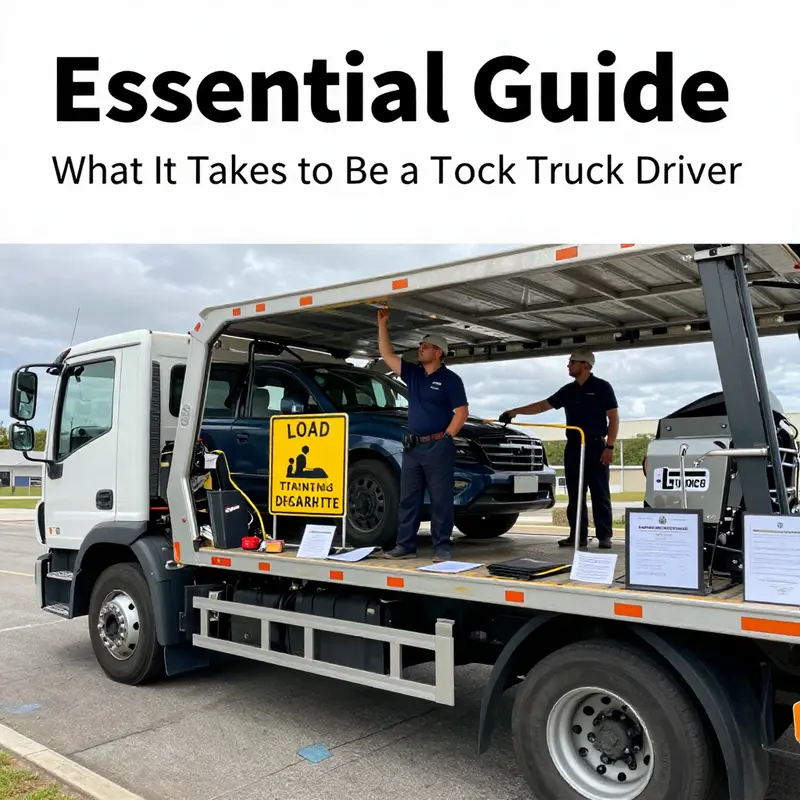
No matter where you plan to work, becoming a tow truck driver is a journey that blends practical skill with formal safeguards. It isn’t enough to know how to hook a vehicle or secure a roadside scene; you must prove that you can handle the responsibilities with discipline, reliability, and sound judgment. This chapter follows the throughline of how training, certification, and background checks shape a tow truck career. It explains why each component matters, how they fit together, and what a hopeful driver should expect as they step from the classroom into the cab of a heavy recovery vehicle. The path starts with a clear understanding of the licensing framework, then moves into the more specific training that turns a permit into a professional credential, and finally, into the background scrutiny that reflects the trust communities place in those who operate recovery equipment on busy roads and highways. In that sense, the process mirrors the broader arc of working in a profession built on safety and accountability, where every mile behind the wheel is grounded in preparation rather than improvisation. As you read, consider not only the procedural steps but the culture of readiness that underpins a tow operator’s daily work. For those who want a sense of how these principles play out in real life, the Santa Maria Tow Truck Blog offers practical, on-the-ground perspectives that complement official requirements and training concepts. Santa Maria Tow Truck Blog can provide case studies, scenarios, and reflective pieces that broaden understanding beyond checklists and exams.
The process begins with the fundamental entry point shared by most heavy-vehicle roles: a Commercial Driver’s License, or CDL. In many regions, tow trucks are classified as heavy-duty commercial vehicles, and the licensing path reflects that reality. Aspiring drivers must first demonstrate their ability to handle larger, more complex vehicles than a standard passenger car. This typically means passing a written portion that tests your knowledge of traffic laws, weight limits, loading and unloading procedures, safety protocols, and incident response. After the written exam, a skills test follows. The skills test assesses your ability to perform basic operations—starting, stopping, steering with precision, coupling and uncoupling equipment, and maintaining control under varied conditions. Because tow trucks combine traffic exposure with vehicle recovery techniques, the tests emphasize not only driving proficiency but also the ability to manage the equipment safely during emergencies. In places where the A2 or equivalent heavy-vehicle designation exists, upgrading your license to that category may be a step that comes after you have demonstrated consistent performance in the heavier class. The licensing landscape can vary substantially from state to state or country to country, so the practical takeaway is to verify the exact requirements with the local motor vehicle department. You will often see a recommended sequence: obtain a standard CDL, meet medical and residency prerequisites, pass the written and skills tests, and then pursue any jurisdiction-specific endorsements or classifications that unlock towing-specific capabilities. The emphasis here is not merely on passing tests; it is on cultivating a robust understanding of how a tow truck operates within the broader traffic ecosystem, how to secure a vehicle properly, and how to manage the safety of yourself, your crew, and the motorists around you.
Alongside or after the CDL process, most regions require a medical exam to verify that you are physically fit to operate a heavy vehicle. The medical requirements are not cosmetic constraints; they exist to ensure you can respond rapidly in emergencies, handle the weight and maneuverability of towing equipment, and maintain situational awareness in demanding environments. You may encounter precise benchmarks for height, vision, color perception, and hearing. The standards outlined in many jurisdictions include a minimum height threshold for certain large vehicles, a vision standard that aligns with 20/20 acuity whether corrected or uncorrected, and the ability to distinguish color cues that are essential for traffic signals and warning lights. Hearing must be adequate to detect sounds from a reasonable distance, a critical factor when you are operating near traffic, sirens, or stalled vehicles. Importantly, there are disqualifiers: conditions such as epilepsy, certain cardiac issues, or mental health disorders that impair safe operation can bar entry into the profession. The medical requirement narrative reinforces a single truth: your health is an operational asset. If you can’t meet these standards, you cannot safely fulfill the duties of a tow operator, and attempting to work through the gaps puts you and others at risk.
A clean driving history is another cornerstone of eligibility. Employers and licensing authorities often scrutinize your record to gauge reliability and judgment over time. A clean slate for the past few years—typically three years—helps demonstrate that you can manage a heavy vehicle in real-world conditions without a pattern of risky behavior. Major accidents, repeated traffic violations, or offenses such as drunk driving or DUI carry heavy consequences. Fleeing the scene of an accident or other egregious violations can permanently alter eligibility for many roles, especially those involving hazardous operations or material transport. In some jurisdictions, additional or layered background checks may apply for specialized towing work, such as when the job entails transporting vehicles carrying hazardous materials. These layers of screening reflect the industry’s collective commitment to public safety and professional accountability. They also underscore a practical point: your driving history is not merely about past performance; it is about your capacity to uphold safety standards during stressful circumstances on the road.
Once you have cleared the medical and background hurdles, training and certification become the next major milestones. Training programs are designed to translate the theory of road transport laws into the practicalities of towing. You will study, among other topics, the nuances of securing loads, choosing appropriate hitch and tow equipment, traffic control and scene safety, vehicle maintenance fundamentals, and the specific emergency response procedures relevant to towing incidents. This is not a purely technical curriculum; it is a safety culture curriculum. You learn how to de-escalate risky situations, how to communicate effectively with other drivers and with dispatch, and how to keep yourself protected from the hazards that accompany roadside work. In many places, you also formally acknowledge your readiness through a certification that verifies you have completed the required coursework and passed both knowledge and skills assessments. The certification you earn signals that you are prepared to operate a tow truck responsibly and in accordance with the standards of the industry. It serves as a bridge between the classroom and the roadside, a validation that your training translates into safe practice when it counts the most—on the job.
A practical note on variation: eligibility and exact requirements can differ widely by jurisdiction. Some regions may emphasize endorsements for particular types of towing operations or additional credentials for handling hazardous materials in transit. Others require ongoing training or periodic recertification to maintain eligibility. Given this variability, the most reliable strategy is to consult the official motor vehicle department resources for your area and to look for reputable, up-to-date guidance from established industry sources. In the narrative of becoming a tow driver, documentation, precision, and timely updates matter as much as raw driving skill. The pathway is not a single gate but a sequence of gates, each designed to verify a different aspect of competence and readiness, from the foundational ability to operate a large vehicle to the specialized competence needed to manage recovery operations without compromising safety.
As you accumulate the credentials, you also accumulate experiences that reinforce best practices. The training environment gives you the vocabulary and the procedural confidence you need to respond to the unexpected: a vehicle that has rolled to a halt on a shoulder, a driver in distress, or a scene that requires quick, controlled action to prevent secondary incidents. The certification process not only confirms your knowledge of the rules but also your ability to apply them under real stress. This is where the professional identity begins to solidify: you are not just a driver pulling a vehicle; you are a responder, a steward of safety, and a member of a team that includes dispatchers, other responders, and the motorists you serve. An often-overlooked benefit of this pathway is the clarity it provides about career progression. With a strong foundation, many operators go on to specialize further, earn additional endorsements, and pursue leadership roles within fleets. The discipline learned through training—attention to detail, adherence to protocols, and consistent, thoughtful decision-making—translates across roles within the broader transportation and rescue ecosystems.
For those who want to deepen their understanding of how these processes unfold in practice, the online resources and industry discussions provide a practical complement to formal requirements. A comprehensive overview like the one published by Indeed outlines the five-step journey to become a tow truck driver, highlighting the CDL, medical prerequisites, and the certification path. This level of guidance is especially valuable for readers who are evaluating their local regulatory landscape and planning the sequential steps they will take. It reinforces the message that preparation is not a one-off event but a continuing cycle of learning, testing, and validation that aligns with the demands of a job that sits at the intersection of mobility and safety. External references like that Indeed guide are useful anchors as you map your own route, while internal resources such as our linked blog provide practical, region-specific perspectives that illuminate how these requirements play out in everyday operations. For an accessible summary of the credentialing pathway and what to expect during examinations, you can consult the official roadmap in your area and, when needed, refer to industry-facing explanations such as the detailed Indeed article on becoming a tow truck driver.
As you move forward, remember that the core of this journey is not merely meeting a checklist but embodying a professional practice that keeps roads safer for everyone. The training and certification you acquire are the foundation of a career built on trust, reliability, and decisive action. The background checks are not punitive barriers; they are assurances that your history aligns with the responsibilities you will carry. The combination of rigorous preparation, validated competence, and continuous adherence to safety standards creates a professional profile that stands up to the realities of the road. When you approach the process with thoroughness and patience, you position yourself not only to pass the exams but to perform with confidence when called on to help someone in a vulnerable moment. This is the essence of becoming a tow truck driver: a role that blends technical mastery with ethical stewardship, where every mile driven reinforces the public’s trust in the essential service you provide.
External resource encouraging a deeper dive into the licensing and certification path can be found here: Indeed’s comprehensive guide to becoming a tow truck driver.
Final thoughts
In summary, becoming a tow truck driver involves adhering to specific legal, medical, and operational standards that ensure safety and reliability in roadside assistance. By meeting age and licensing requirements, passing medical exams, and completing necessary training, you can enter this rewarding field. The role of tow truck drivers extends beyond simple vehicle recovery; it’s an essential service that supports local communities and ensures peace of mind for car owners. Embracing this career means committing to professionalism and safety every time you hit the road.