
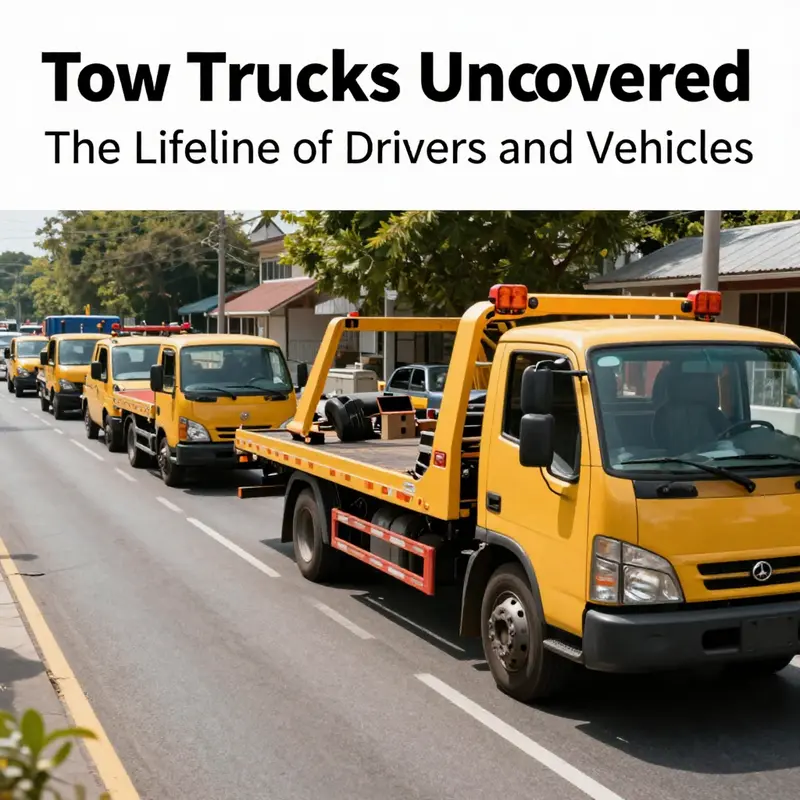
Tow trucks are more than just vehicles; they are vital tools that come to the rescue during unexpected car troubles. Whether you are a local driver facing a breakdown, an auto repair shop looking for reliable towing options, or a property manager addressing parking issues, understanding what tow trucks are and their capabilities can greatly impact your experiences on the road. This article will delve into the fundamental functions of tow trucks, explore the diverse types available, and uncover the essential role they play in roadside assistance and emergency services. As you read on, you’ll gain a comprehensive understanding of how these vehicles help maintain safety and mobility in our communities.
Tow Trucks Unveiled: The Mechanics, Roles, and Real-World Impacts of Vehicle Recovery
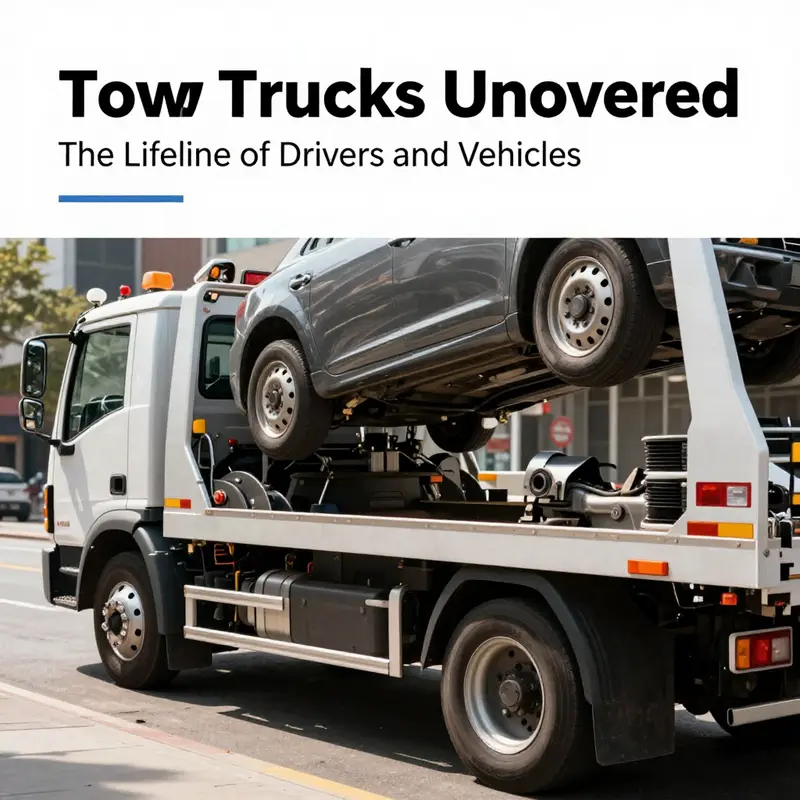
On a busy highway, the moment a vehicle falters can feel suspended in time. The engine stalls, the steering grows heavy, and the world of moving traffic compresses into a single, uncertain rectangle of metal and risk. Out of that tension emerges a machine designed to restore order: the tow truck. It is more than a static helper with flashing lights; it is a mobile workshop, a safety system, and a point of contact between stranded drivers, law enforcement, and the broader flow of road life. To understand what a tow truck is, one must look beyond the wheel-lift and winch to the larger purpose it serves: to recover, relocate, and release vehicles from places or situations where they cannot move under their own power, then to do so in a way that protects people and preserves the efficiency of the road network. The term itself hints at a simple job—tow—and the word truck suggests a vehicle built to carry weight and operate under demanding conditions. Yet the reality of towing encompasses a spectrum of functions that extend from a roadside incongruity to the careful choreography of large-scale recovery operations.
Tow trucks, in different regions, carry different names and sometimes different expectations. In the United Kingdom, the familiar term is often breakdown truck, a phrase that frames the vehicle as a response to a failure rather than a routine transfer. Across the Atlantic, the same tool is commonly called a wrecker, a label that evokes the traditional image of a vehicle bending the rules of physical constraint to pull a passenger car back into service. Despite these linguistic variations, the core purpose remains the same: a tow truck is a purpose-built, mission-ready platform whose primary function is to move vehicles that cannot, or should not, move under their own power. This distinction—between a car that runs and a car that must be moved—frames the entire ecology of towing, from the equipment mounted on the chassis to the training of the operator who must decide, in fractions of a second, how to recover a vehicle with minimal additional risk.
The mechanics of a tow truck are carefully tuned to three intertwined goals: stabilize the vehicle to be towed, protect surrounding traffic, and deliver the vehicle to a safe destination. The heart of the operation lies in the combination of a sturdy frame, a robust winch, and a lifting mechanism that can reach the vehicle and secure it without causing further damage. Winches provide the pulling force necessary to draw a vehicle out of a ditch, away from a crash site, or from a roadside position where it cannot roll on its own. Hydraulic lifts, platforms, and booms expand the operator’s ability to physically maneuver the disabled car onto a bed or secure it with restraints. The ingenuity of tow trucks shines not just in raw strength, but in how those tools are deployed to manage risk, time, and space. In the field, a well-equipped tow truck is a moving node of problem-solving, combining mechanical leverage with situational awareness to reduce the chances of secondary incidents as traffic resumes its course.
To begin with, the recovery of a disabled vehicle is rarely about brute force alone. It is a sequence of cautious checks and precise actions designed to protect both the vehicle and the people nearby. The operator surveys the scene, identifies hazards such as leaking fuel, unstable ground, or shifting traffic, and then declares a plan. This plan often involves setting up safety perimeters, using warning devices, and arranging traffic controls in coordination with police or traffic management personnel. In many scenarios, the tow truck acts as the first responder to an incident, arriving ahead of or in tandem with other emergency services to stabilize the situation. The ability to perform rapid, responsible recovery can prevent a minor incident from spiraling into a more dangerous or congested one. The role expands further when a vehicle must be removed from a location where immediate road clearance matters for public safety, such as a highway shoulder or a busy intersection. In such moments, the tow truck transitions from a simple vehicle mover to a critical component of traffic management and incident response.
The toolkit on a tow truck varies with the mission. Flatbed tow trucks carry a flat, rigid bed that can tilt and slide to load a vehicle entirely onto the platform. This setup minimizes additional wear on the towed vehicle, making it a preferred option when transporting cars with sensitive components or with the risk of further damage. The bed’s ability to tilt and lower allows even a vehicle with a damaged bumper or compromised steering to be rolled or slid onto the platform in a controlled ascent or descent. In contrast, wheel-lift and hook-and-dyne configurations elevate a vehicle by lifting two wheels off the ground, allowing the rest of the car to be rolled onto a separate platform or alignment with the bed. These designs can be faster in certain urban environments where a full bed load would be impractical due to space constraints or the shape of the vehicle involved. Hook-and-chain variants, while historically common, have become much less favored due to concerns about potential damage to the towed vehicle; most modern fleets prefer systems designed to minimize contact with the vehicle’s body, opting for wheel-contact methods and secure tie-downs instead. Integrated tow trucks blend elements of both flatbed and wheel-lift designs, offering a versatile toolset that can switch between loading methods as the scene demands. When heavy-duty incidents involve buses, tractor-trailers, or other large rolling stock, specialized heavy-duty wreckers—with higher lifting capacities and more robust outriggers—come into play, sometimes accompanied by cranes or rotators capable of lifting and re-positioning vehicles that are partially submerged, overturned, or structurally compromised.
These technical choices matter for more than just the mechanics of the lift. They shape how quickly a scene is cleared, how safely the operation unfolds, and what kinds of guarantees operators can offer to clients and the public. A flatbed is excellent for minimizing further damage to the vehicle and for ensuring a clean, contained transfer to a storage lot or repair facility. Wheel-lift units are well-suited for scenarios where roadspace is at a premium and the vehicle can be arranged with minimal ground disruption. The integrated designs give operators a flexible workflow, reducing the need to swap equipment mid-recovery. Heavy-duty wreckers and rotators extend the reach of the tow truck into the realm of complex extrications and salvage operations, where the concern shifts from just moving a car to methodically orchestrating a rescue or recovery under challenging conditions.
The practical realities of using a tow truck also include a broad set of safety protocols and operational considerations that the public rarely sees. The operator must confirm the vehicle’s weight, the load distribution, and the ground’s stability before attaching any equipment. Anchoring ties, wheel straps, and chain restraints must be fastened with proper tension to prevent movement during transport. Outriggers extend the base of the vehicle, creating a wider footprint and reducing the risk of tipping when the bed rises or the crane engages. The winch, a potential source of sudden force, is controlled with attention to the line’s angle and the destination’s clearance, ensuring that the pull does not yank the vehicle in unintended directions. In practice, this body of knowledge extends beyond the mechanical; it is a discipline of risk management, requiring calm decision-making, a clear line of sight to the towed vehicle, and the ability to communicate with other drivers so that traffic yields at a controlled pace rather than in a panic.
The history of tow trucks mirrors the evolution of road travel itself. In the earliest years of motoring, recovery was a manual labor affair—ropes, winches attached to nearby vehicles, and a few roadside tools. As roads became busier and vehicle designs grew more complex, the need for a more standardized and safer recovery approach grew with them. Modern tow trucks are the product of decades of refinements: more durable winches, hydraulic-assisted loading, safer rigging points, and better operator training. The shift from simple, potentially damaging tow techniques to systems designed to minimize contact with a vehicle’s body marks a significant turn in practice. Operators today are trained to choose the method that best preserves the vehicle’s integrity while achieving a secure, transportable load. In practice, that means a careful assessment of whether a flatbed can be used without excessive risk, whether wheel-lift is the more efficient route, or whether a combination approach offers the best balance of speed and safety.
These technical and operational decisions do not occur in a vacuum. They occur within a broader ecosystem of road safety, regulatory oversight, and emerging standards that govern how tow services operate. Across regions, there is a growing push toward standardization in heavy-duty rescue operations, a topic that reflects a desire to harmonize equipment compatibility, training practices, and safety protocols so that responders can work with predictable expectations regardless of who arrives on the scene. For those interested in this larger trend, a focused examination of standardization in heavy-duty rescue operations provides a detailed look at how fleets align their equipment, their procedures, and their personnel to a shared framework. This alignment matters not only for efficiency but also for accountability and the ability to measure and improve performance over time. You can explore that perspective in depth through resources dedicated to standardization in heavy-duty rescue operations.
The role of the tow truck in the everyday fabric of transportation extends beyond the immediate moment of a breakdown or accident. It intersects with traffic management, insurance, urban planning, and even weather-driven planning. Roadside assistance fleets anticipate that incidents can occur at any hour, under any weather condition, and in locations ranging from congested city avenues to remote rural stretches. The equipment they carry, from the portable lighting and warning beacons to the heavy-duty winches and stabilizing outriggers, is as much about safety as it is about moving a vehicle. Operators must be prepared to respond quickly while maintaining a disciplined approach to risk assessment. This balance—speed without reckless risk—is central to the profession. The consequences of a misstep can be immediate and severe: a bystander injured, another vehicle involved in a secondary collision, or a damaged vehicle that complicates a later repair or salvage operation.
Another layer of complexity comes with the public-facing aspect of towing. Drivers who find themselves stranded rarely know what to expect in terms of process, pricing, or even the time it will take for a tow to begin. Clear communication can ease anxiety and help preserve safety. A tow operator who explains the plan, identifies the equipment chosen for the job, and describes the anticipated route to the repair shop or storage facility can transform a stressful moment into an orderly, understandable sequence. This communicative responsibility is paired with professional standards around privacy and public conduct; operators maintain discretion about a vehicle’s contents and respect the privacy of the people involved, even as they work under the public gaze. In many jurisdictions, tow operators are also expected to be mindful of the potential for illegal towing or abuse of the system. Recognizing signs of improper towing practices becomes part of the operator’s training and adds another layer of public protection that extends beyond the mechanics of lifting and loading.
As technology continues to evolve, the future of tow trucks is likely to bring further improvements in safety, efficiency, and environmental impact. Digital dispatching systems that optimize response times, GPS-enabled routing to reduce fuel use and congestion, and contingency planning for severe weather all interact with the operational realities on the ground. Electric or hybrid powertrains may influence the design of future tow trucks as operators seek to reduce emissions in busy urban centers while maintaining the reliability needed for emergency responses. Yet for all the potential advances, the core competence remains steady: the ability to assess a scene, select the appropriate loading method, and execute the lift with an eye toward safety for the crew, the vehicle, and the traveling public. This is the central art of the tow truck—a blend of mechanical leverage, careful planning, and human judgment applied under pressure.
To ground this exploration in a sense of practical reality, consider a typical on-scene workflow. A driver on the roadside reports a stalled vehicle. The operator arrives, surveys the situation, and notes the terrain, traffic density, and the vehicle’s condition. If the weather permits, they may set up warning lights and cones to create a safe corridor for the operation. The vehicle is then secured using appropriate restraints—tie-downs at the wheels, bracing for the bed, and the selection of a loading method that minimizes further damage. If the car can depart under its own power but with assistance, a jump start or fuel delivery might be the chosen solution before loading. If the vehicle must be transported, the operator executes the lift, moves the vehicle onto the bed or onto a wheeled platform, and then secures it for transport to a repair shop, a storage facility, or another designated location. The process, though it may unfold in minutes, rests on a long chain of preparation, practice, and adherence to safety standards that ensure the operation is conducted with as little risk as possible.
The significance of the tow truck extends beyond technical prowess. It represents a practical guarantee of mobility—that cars can be removed from dangerous spots, that traffic can be re-routed with discipline rather than chaos, and that a road network can absorb an emergency without collapsing under the weight of a single incident. In this sense, the tow truck is not merely a machine; it is a mobile solution embedded in the fabric of road safety and urban resilience. As communities evolve and transportation systems grow more complex, the central challenge remains constant: how to move a vehicle safely from a place where it cannot move itself to a place where it can once again contribute to the journey of everyday life.
For those who want to dive deeper into the technical and regulatory dimensions, there is a wealth of detailed information that speaks to the mechanics, the safety culture, and the standards guiding modern towing practice. The broader literature offers in-depth analyses of how tow trucks operate under a variety of conditions, how equipment is chosen for specific recovery tasks, and how operators balance speed and safety in high-stakes environments. A comprehensive overview of tow truck dynamics and recovery methods is available in specialized research on the topic, which contributes to a more rigorous understanding of the field. This external resource provides a structured, technical perspective on the subject and complements the practical knowledge shared here. https://www.researchgate.net/publication/329586714TowTruck
Within the context of everyday travel and emergency response alike, the tow truck stands as a bridge between disruption and resolution. It is a product of design, training, and judgment, all aimed at restoring movement and safety to a road system that thrives on the predictable tempo of vehicles in motion. The operator’s skill, the vehicle’s engineering, and the scene’s particular constraints come together in a brief sequence that has real-world consequences for tens of thousands of travelers every day. In recognizing this, one gains an appreciation for the quiet, persistent work of tow professionals—the people who bring order out of roadside chaos and help the vast machinery of transportation continue to function even when one of its wheels falters. The next chapters will circle back to how this instrument of relief integrates with broader safety practices, regulatory environments, and the evolving standards that shape what a tow truck is and does in the contemporary road landscape.
Internal link reference (for contextual exploration): In alignment with ongoing industry discussions, the concept of standardization in heavy-duty rescue operations highlights how fleets are aligning equipment, training, and procedures to a shared framework. See the detailed discussion here: standardization in heavy-duty rescue operations.
Choosing the Right Tow Truck: Types, Strengths, and Real-World Uses
Types and Where They Matter
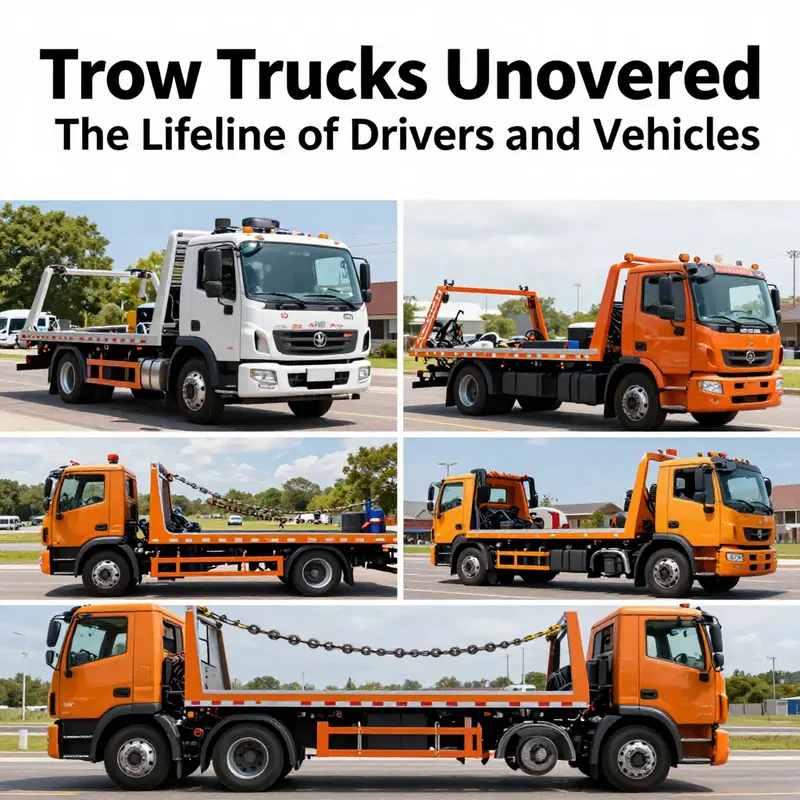
Tow trucks are not one-size-fits-all machines. Each type brings a specific combination of lifting method, stability, and capacity. Those differences translate directly into how safely and efficiently a vehicle can be moved. Understanding the practical strengths and limitations of each tow truck type helps operators and fleet managers match equipment to the task. It also guides decisions about training, maintenance, and investment. This chapter walks through the major tow truck types, then ties them to real-world applications so you can see why each model matters.
Flatbed or roll-back trucks are the most protective option for transported vehicles. Their hydraulically operated bed tilts and slides to form a ramp. The disabled vehicle is then driven or winched onto the platform. Once secured, the bed returns to a horizontal position. This design holds the entire vehicle off the road surface. Because the vehicle remains fully supported, flatbeds minimize wear and risk. They are ideal for low-clearance cars, high-value models, and all-wheel-drive systems. A car with sensitive driveline components benefits from being carried, not towed by its wheels.
Operator safety also improves with flatbeds. Loading avoids dangerous lifting under the vehicle. Winching onto a bed keeps hands and bodies clear of pinch points near axles. In dense urban environments, flatbeds excel when clearances are tight and parked vehicles must be moved without scraping bumpers or dragging parts. Their versatility makes them popular for short-distance moves, recovery from driveways, and transporting salvage without aggravating mechanical damage. The trade-offs are higher initial cost and somewhat lower capacity for very heavy loads compared with purpose-built heavy recovery rigs.
Integrated trucks, sometimes called “boogie-back” units, combine boom, wheel-lift, and winch systems into a unified chassis-mounted assembly. This integrated approach centralizes mass and improves stability. For the operator, that stability means confidence when pulling heavy loads under stress. Integrated trucks are built for demanding conditions. They perform well at highway accident scenes and in recovery of rolled or overturned vehicles. Their fixed boom position simplifies heavy lifting and reduces flex in extreme loads. These units are common on highways and off-road recovery jobs where a robust, compact rig is needed.
The limitations of integrated units come from their fixed configuration. They offer less flexibility for unusual orientations or when a long reach is required. For example, if a vehicle rests far from the road edge or in a deep ditch, a truck with a more versatile boom or a longer reach may be preferable. Still, for quick, heavy-duty removals and frequent highway towing, integrated trucks are efficient and reliable.
Class-based designs address capacity and common use-cases. In the context used here, Class A tow trucks represent the lightest, most maneuverable category. They handle passenger cars, small SUVs, pickup trucks, and occasionally compact commercial vans. Their compact size and fuel efficiency make them ideal for city towing and routine roadside assistance. The lower acquisition and repair costs attract operators focused on high call volume in urban settings. Class A rigs are nimble on tight streets and useful for parking enforcement. Their lift systems and winch capacities fit the lower end of the vehicle weight spectrum, which keeps operating costs manageable.
At the other end of the spectrum, the heaviest rigs—referred to here as Class C—are engineered for the most demanding recoveries. These trucks have significant towing capacity and the structural strength to haul large commercial vehicles. They are the machines called to handle overturned tractor-trailers, badly damaged trucks, and loads that exceed light-duty capabilities. Class C rigs often feature powerful winches, heavy booms, and reinforced chassis. Operators use them for major accident scenes, industrial recoveries, and long-haul towing where both strength and endurance are essential.
Choosing between light and heavy classes involves more than raw capacity. Consider roadside conditions, frequency of heavy calls, and transport distance. Heavy rigs consume more fuel and require different licensing and training. They also need larger storage facilities and more intensive maintenance. For a mixed workload, a balanced fleet often includes both light and heavy units to match call types efficiently.
Beyond the major types, tow trucks can be specialized with attachments and accessories that expand capability. Wheel-lifts provide a quick and compact method to lift one axle off the ground. Hydraulic booms give reach and leverage for lifts and winching. Dollies and recovery trays allow partial lifts when full bed transport is unnecessary. Winch capacity and cable type affect recoveries in soft soil or on steep grades. Specialty equipment such as rotators—hydraulically rotating cranes mounted on heavy trucks—enables complex, multi-axis recovery operations for oversized or trapped vehicles.
Real-world application drives equipment selection. In dense urban areas, roll-back trucks often dominate. They reduce liability when high-value cars or low-clearance vehicles must be moved. For rural or off-road recoveries, an integrated truck with higher ground clearance and a powerful winch may be preferable. For highway incidents involving commercial vehicles, Class C and rotator-equipped trucks provide the pulling power and stability required.
Operational safety and vehicle condition are central to choosing the right method. A severely damaged vehicle may not be safe to winch by its wheels. Structural compromises around suspension or frame points demand full-bed transport. Conversely, a lightly disabled vehicle in good structural condition can often be moved faster with a wheel-lift, reducing scene time and traffic disruption. Quick decisions here reduce secondary accidents and limit environmental contamination from leaking fluids.
Economic factors influence the choice as well. Flatbeds carry greater insurance and repair exposure if they suffer collisions when loaded. Heavy class trucks cost more to operate but decrease the need to subcontract specialized recoveries. Fleet managers must weigh call frequency, geographic coverage, and average tow distance. A fleet that primarily handles short city runs benefits from lighter units that are cheaper to run. A fleet serving highways and industrial areas may justify the expense of heavy integrated or rotator rigs.
Training remains one of the most important considerations. Each tow truck type requires specific operational skills. Flatbed loading and winch operation require steady control and knowledge of vehicle securing practices. Integrated and heavy rigs need experience in boom angles, load balancing, and dynamic winching. Proper training reduces equipment damage and risk to the operator. It also helps crews make the right call about which rig to dispatch in the first place.
Maintenance and regulatory compliance affect long-term performance. Heavy recovery vehicles face intense mechanical stress. Components like winches, hydraulics, and chassis mountings must be inspected regularly. Tire wear patterns differ by truck type and load profile, which influences maintenance scheduling. Adhering to industry standards and documented checklists improves reliability and decreases unexpected downtime. For fleets that respond to major incidents, standardization in equipment and procedures simplifies training and improves emergency readiness. See the discussion on standardization in heavy-duty rescue operations for more on how uniform practices enhance response capability.
Selecting the right tow truck also means matching anchoring methods to the vehicle and situation. Carrying a vehicle on a flatbed eliminates stress on the towed car’s transmission and steering. Wheel-lifts, while faster, place load on a single axle and call for cautious handling. Integrated rigs combine both approaches, allowing operators to adapt on scene. Rotators introduce third-axis control that can rotate a load during lift, a feature essential for complex recoveries where reorientation is necessary before transport.
Scene management and traffic control influence tow truck choice. Faster, simpler lifts reduce scene time. That lowers collision risk to responders and prevents long delays. For incidents where road blockage is acute, a unit that can quickly remove a wreck and clear lanes is invaluable. Sometimes that means sacrificing perfect vehicle protection for speed. Experienced operators understand when to prioritize removal over cosmetic preservation. Communication between dispatch, on-scene responders, and tow operators ensures the best outcome for safety and traffic flow.
Environmental and legal considerations also affect method selection. Some jurisdictions impose restrictions on certain towing methods during severe weather. Others have rules governing how long abandoned or illegally parked vehicles may remain before being towed. Operators need to know local regulations and plan equipment deployment accordingly. Properly securing hazardous materials and preventing fluid leaks during transport are crucial to meet environmental standards.
Tow truck selection is not static. Technologies evolve, and so do vehicle designs. Electric vehicles, for example, have different recovery needs. Their battery packs and high-voltage systems require altered handling and safety protocols. As vehicle fleets shift, tow truck equipment and training must adapt. Fleet managers should plan for near-term changes to ensure compatibility with emerging vehicle technologies.
Decisions about purchasing or configuring tow trucks should be grounded in a careful analysis of call types, operating areas, and long-term fleet strategy. A mixed fleet often proves most resilient. Light units handle high-volume urban calls. Integrated and heavy rigs respond to complex highway and industrial recoveries. Specialty trucks like rotators or extended-reach units fill the niche roles that otherwise require costly third-party contractors.
Operators and fleet planners benefit from building decision trees. Those tools encode common scenarios and recommend the appropriate rig type. Over time, records of incidents and outcomes refine those rules. Data-driven choices reduce expensive misdispatches and lower wear on the wrong equipment. Documentation that ties incident type to recommended truck reduces uncertainty during high-pressure calls.
Ultimately, the right tow truck is the one that matches capability to need. Flatbeds protect vehicles and operators. Integrated rigs bring heavy-lift stability. Class A units deliver nimble, cost-effective service. Class C rigs provide the power to recover large commercial vehicles and severe wrecks. Add-ons and attachments fine-tune functionality, and training and maintenance sustain performance. By thinking in terms of application, not just labels, operators make smarter investments. That approach improves safety, cuts costs, and ensures the right truck arrives for the job.
For readers who want technical details about tow truck materials, standards, and industrial uses, a concise resource is available here: https://www.example.com/wrecked-tow-trucks
Clearing the Way: The Essential Role of Tow Trucks in Roadside Assistance and Emergency Response
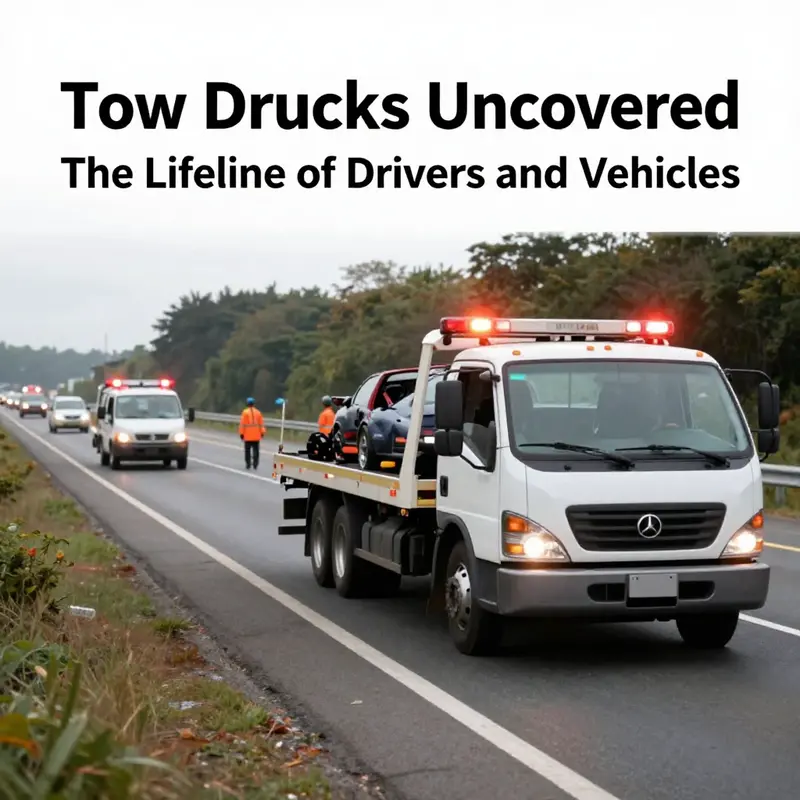
Tow trucks are more than metal and hydraulics; they are mobile lifelines that restore safety and flow to our roads. When a vehicle fails, the immediate dangers extend beyond the stranded driver. A disabled car can become a traffic hazard, a source of secondary collisions, or an environmental risk if fluids leak. Tow trucks remove these threats quickly, moving wrecked, stalled, or illegally parked vehicles out of active lanes. Their presence reduces exposure to risk for motorists, first responders, and tow operators. It also shortens the time emergency services must manage a scene.
A tow truck’s value in roadside assistance and emergency services begins with the right tool for the job. Modern trucks come equipped with winches, hydraulic lifts, flatbeds, and specialized cradles. These systems allow operators to recover vehicles from ditches, clear multi-vehicle collisions, and load cars without causing further damage. The equipment is engineered for speed and stability. That engineering matters during winter storms, on high-speed highways, and in confined urban areas where every minute of obstruction adds danger.
Operators are trained to use those tools safely. Training typically covers vehicle stabilization, safe lifting techniques, traffic management around a scene, and first response coordination. Good operators know how to secure an unstable vehicle so it does not roll or shift during towing. They also know how to position their truck to protect a crash scene, creating a buffer between live traffic and the recovery area. That physical protection can be lifesaving for both victims and responders.
Tow trucks play a joint role with police, fire, and medical services at accident scenes. Law enforcement secures the incident and documents it. Fire and rescue teams handle containment of hazards and victim extrication. Tow operators arrive to remove vehicles and help restore the roadway. Coordination reduces duplication and speeds clearance. Tow providers often work under direct direction of incident commanders on major scenes, helping to clear debris, and remove fluid-contaminated vehicles.
Speed and reliability are critical. Many roadside assistance programs depend on tow companies that operate 24/7 and dispatch quickly. Fast response times limit traffic backups and prevent secondary crashes. Tow services also provide peace of mind to drivers stranded at night or in hazardous weather. When a caller hears that a trusted tow truck is en route, the immediate risk is reduced.
The role of tow trucks stretches beyond clearing wrecks. They recover vehicles that impede traffic flow because they are illegally parked, abandoned, or blocking driveways and fire lanes. Removing these obstructions keeps emergency routes open. That is especially important near hospitals, fire stations, and evacuation routes during disasters. Tow operators enforce clearance rules and help local authorities maintain access for emergency vehicles.
Tow trucks also support commercial and municipal operations. Road crews call tow companies to remove disabled construction vehicles or clear crashes involving heavy equipment. Transit agencies rely on towing for stalled buses. Airports, ports, and rail yards use recovery vehicles to maintain safety and schedules. In each case, the tow truck acts as an extension of the safety and logistics systems in place.
A less visible but vital function is vehicle recovery from difficult terrain. Tow operators often retrieve cars from ditches, embankments, or rough off-road areas. That requires specialized equipment and skill. Operators may use winches to pull vehicles free, or flatbeds to extract a vehicle that cannot roll. Recovery from unstable ground demands precise anchoring and load calculation. Mistakes can injure the operator or damage the vehicle further, so technical competence is essential.
Safety is not just procedural. Tow trucks are designed to minimize risk during operations. Lighting packages warn oncoming traffic. High-visibility paint and reflective striping enhance nighttime visibility. Stabilizing jacks and outriggers prevent rollovers when cranes or lifts are deployed. Modern winches include load indicators and automatic brakes to prevent runaways. These features complement operator training and incident planning.
Tow services also play a role in environmental protection at crash scenes. They assist with containment of leaking fluids and coordinate with hazmat teams when fuel, oil, or batteries threaten waterways. Rapid removal of a damaged vehicle reduces the footprint of contaminants. Many tow providers carry absorbent materials and spill kits to address small leaks while waiting for specialized cleanup crews.
The human aspect of towing matters too. Operators are often the first professional person to arrive after a crash. They provide practical help and emotional calm to drivers and passengers. Many receive training in basic first aid and crisis communication. This training enables them to act as stabilizing presences, rendering immediate assistance while medical teams approach. From offering blankets to calling family members, these small acts help reduce the trauma of a roadside emergency.
Regulation shapes how tow services operate within the emergency response ecosystem. Local and national rules govern licensing, safety equipment, and operator qualifications. These standards are not arbitrary; they set a baseline of competence and equipment reliability. Compliance helps ensure that tow operators do not introduce new risks while removing existing ones. Intrusion into private property and removal of vehicles also requires clear legal frameworks to balance property rights and public safety.
Tow fleets that support emergency services often pursue additional forms of standardization and readiness. Standardization boosts interoperability with other agencies during multi-unit responses. For example, consistent attachment points on heavy wreckers, uniform recovery protocols, and compatible lighting systems enable smoother, safer joint operations. Fleets that coordinate closely with public safety agencies can be pre-staged for major events, or integrated into disaster plans for rapid deployment of heavy recovery assets. This level of preparation reduces delays in reopening critical routes.
Technology is changing how tow trucks operate. Dispatch systems use GPS and traffic data to route the nearest suitable unit. Mobile apps enable real-time communication between callers, dispatchers, and operators. Onboard telematics monitor vehicle status and equipment health. These tools improve response efficiency and help managers coordinate multiple incidents. In severe incidents, data from vehicle sensors can help determine which recovery methods are safest.
Advanced equipment also expands what gets done on scene. Slide beds with tilt systems let operators load low-clearance vehicles without damage. Rotators—trucks with rotating cranes—perform heavy recoveries and lift overturned vehicles. Integrated wheel-lift systems allow quick removal of illegally parked cars without time-consuming hook-and-chain methods. These technological upgrades speed clearance and reduce the risk of secondary damage to vehicles.
Training and certification remain central. These are not optional extras. Tow companies that serve emergency networks invest in regular training for operators. Drills simulate complex recoveries, night operations, and inclement weather responses. Companies may train crews in traffic incident management principles, such as establishing safe work zones and using attenuators. A well-drilled crew can clear a highway faster and safer than one that improvises.
Insurance and liability also influence towing operations. Tow companies must carry coverage to protect clients and themselves. Liability concerns shape how operators secure vehicles and document scenes. Proper documentation can shield an operator and the vehicle owner from disputes about damage. Insurance frameworks also determine whether a tow is covered under a roadside assistance plan or must be paid for privately.
Tow truck operators work with emergency coordinators for major incidents. In multi-vehicle accidents or natural disasters, incident commanders may request specialized recovery assets. Tow fleets may form mutual aid agreements across jurisdictions to share resources during spikes in demand. These agreements ensure that large-scale scenes receive adequate heavy-lifting capabilities without delay.
Public awareness complements professional readiness. Drivers who move their vehicles safely after minor breakdowns reduce the need for heavy recovery. Knowing to pull over to a safe location, turn on hazard lights, and stay a safe distance from traffic helps tow crews work safely. Motorists who provide clear information to dispatchers—location, vehicle type, and any hazards—enable faster, safer responses.
Tow operators also encounter difficult ethical and operational choices. In heavy traffic, they must balance speed with thoroughness. In some cases, immediate removal may conflict with legal interests, such as when police require vehicles to remain for evidence. Clear communication between tow operators and law enforcement avoids misunderstandings and ensures the correct course of action.
The economics of towing affect emergency readiness. Maintaining specialized trucks and training staff is costly. Fleet owners must balance readiness with budget constraints. That makes efficient scheduling and fleet standardization important. Standardization reduces spare parts inventories and simplifies training across vehicles, improving uptime and reliability. When a fleet can deploy the right truck quickly, emergency services benefit.
Tow trucks and their operators are indispensable in after-hours emergencies. Nighttime incidents, severe weather, and holiday traffic all increase the need for rapid recovery. Operators who work around the clock provide a public safety function that goes far beyond private business. Their activities keep commerce moving and preserve critical access for emergency vehicles.
Tow operations also support long-term traffic management goals. Quick clearance reduces congestion, which lowers the probability of secondary collisions. Reduced congestion improves travel time reliability for commuters and freight. Tow services that integrate with traffic management centers can be dispatched strategically to prevent bottlenecks from worsening.
From small-scale breakdowns to multi-vehicle pileups, tow trucks bring specialized capability to the scene. Their tools, training, and coordination with public safety agencies limit harm and restore normal traffic patterns. They remove hazards, shield responders, and stabilize wrecked vehicles for safe transport. For all these reasons, tow trucks are central to the mission of keeping roads safe and passable.
Organizations that rely on tow support should cultivate strong relationships with reputable providers. Agreements should clarify response expectations, equipment capabilities, and coordination protocols. These partnerships help ensure that when an incident occurs, a prepared tow crew arrives and integrates seamlessly into the broader response.
For more on how fleet coordination supports emergency operations, see the discussion of fleet readiness and mutual aid in this article on Fleets Emergency Response. (https://santamariatowtruck.com/fleets-emergency-response/)
For detailed technical specifications and operational applications of modern tow trucks, consult the comprehensive technical overview available from a specialist resource: A Technical Overview of Best Tow Trucks: Specifications and Applications.
Final thoughts
Tow trucks play an irreplaceable role in keeping our roads safe and assisting those in need during unexpected vehicle issues. By understanding the various types of tow trucks and their essential functions, drivers, repair shops, and property managers can make informed decisions to ensure smooth operations during emergencies. Whether it’s lifting a car after an accident or removing a vehicle from private property, the importance of having reliable towing services cannot be overstated. The next time you find yourself in need of assistance, remember the vital role that tow trucks serve in not just fixing problems, but providing peace of mind.