
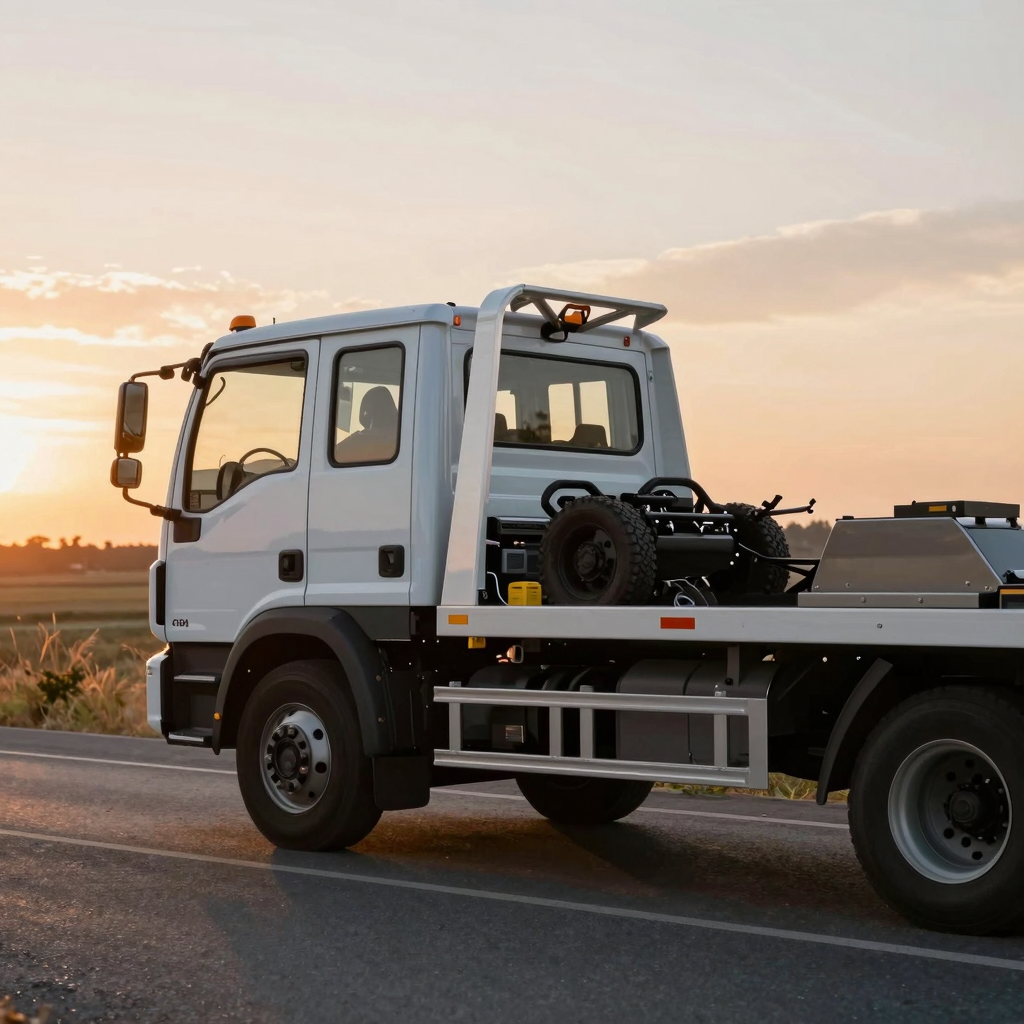
Introduction: The Importance of Choosing the Right Tow Truck
In today’s fast-paced world, the need for reliable and efficient towing services has never been more critical. Whether you’re a local driver stranded on the roadside, an auto repair shop looking to enhance your service offering, or a property manager needing to maintain order in your parking lots, acquiring a dependable tow truck is a decision that goes beyond just a business asset-it’s about peace of mind. A quality tow truck not only serves as a lifeline during unexpected vehicle breakdowns, but it also reflects a commitment to safety and professionalism in any towing operation.
For local drivers, knowing that there’s a reliable tow truck at your disposal can alleviate the stress of car troubles, transforming a frustrating experience into a swift and manageable solution. Auto repair shops benefit greatly from having a versatile tow truck, allowing them to provide seamless services while ensuring customer satisfaction. Meanwhile, property managers and HOA administrators recognize that a good tow truck helps maintain compliance and order in their community, addressing parking violations effectively.
Purchasing a tow truck is more than just an investment in equipment; it’s a proactive step towards ensuring reliability, improving service offerings, and ultimately safeguarding the well-being of others. Learn more about the necessity of a reliable towing service. As you navigate the process of buying a tow truck, consider the emotional reassurance and operational efficiency it will offer-not just for you, but for everyone who relies on your service.
Factors to Consider When Buying a Tow Truck
When investing in a tow truck, whether for personal use or business needs, there are several key factors to keep in mind to ensure you make the right choice:
-
Budget: Determine how much you are willing to spend. Tow trucks can vary significantly in price depending on their type, capacity, and features. Be sure to account for additional expenses such as insurance, registration, and maintenance.
-
Type of Truck: Consider the different types of tow trucks available (e.g., flatbed, hook and chain, wheel-lift). Each type serves different needs and may be more suitable depending on the common towing scenarios you expect to encounter.
-
Towing Capacity: Evaluate how much weight the tow truck can safely tow. This is crucial to ensure you can transport a wide range of vehicles or equipment as required by your business or personal needs.
-
Warranties and Insurance: Look into warranty options. A good warranty can provide peace of mind and save you on repair costs in the future. Consider the cost of insurance as well, making sure it fits into your overall budget.
-
Vehicle History (for Used Trucks): If purchasing a used truck, review its history. Check for prior accident reports, maintenance logs, and how frequently it has been serviced. This information can provide insight into the vehicle’s reliability.
-
Fuel Efficiency: Given the rising fuel costs, consider the fuel efficiency of the tow truck. More efficient models can considerably reduce long-term operating costs.
-
Maintenance and Reliability: Research the truck’s reliability ratings and the availability of parts. A truck with a reputation for durability will likely save you money in maintenance over its lifetime.
These factors can greatly influence your satisfaction with the truck you choose, especially for those in roles like property management or auto repair, where a dependable tow truck can significantly impact your operations.
Don’t rush; take the time to weigh these considerations carefully to ensure you find the right tow truck for your needs.
Where to Buy Tow Trucks
Whether you’re a local driver in need of emergency assistance, a property manager resolving issues, or an auto repair shop looking to expand your services, knowing where to purchase a tow truck is crucial. Here, we explore various options available for buying tow trucks, emphasizing their respective pros and cons.
1. Dealerships
Buying from a dealership is often seen as the most straightforward option. Dealerships typically offer a range of new and used tow trucks, complete with warranties and financing options.
Pros:
- Customer Support: You have direct access to expert assistance, fitting for your specific towing needs.
- Reliable Vehicles: New vehicles usually come with warranties that protect against defects and mechanical issues.
- Financing Options: Many dealerships have established financing plans.
Cons:
- Higher Prices: Dealerships generally mark up prices compared to other options.
- Limited Selection: You may only find specific brands and models at dealerships.
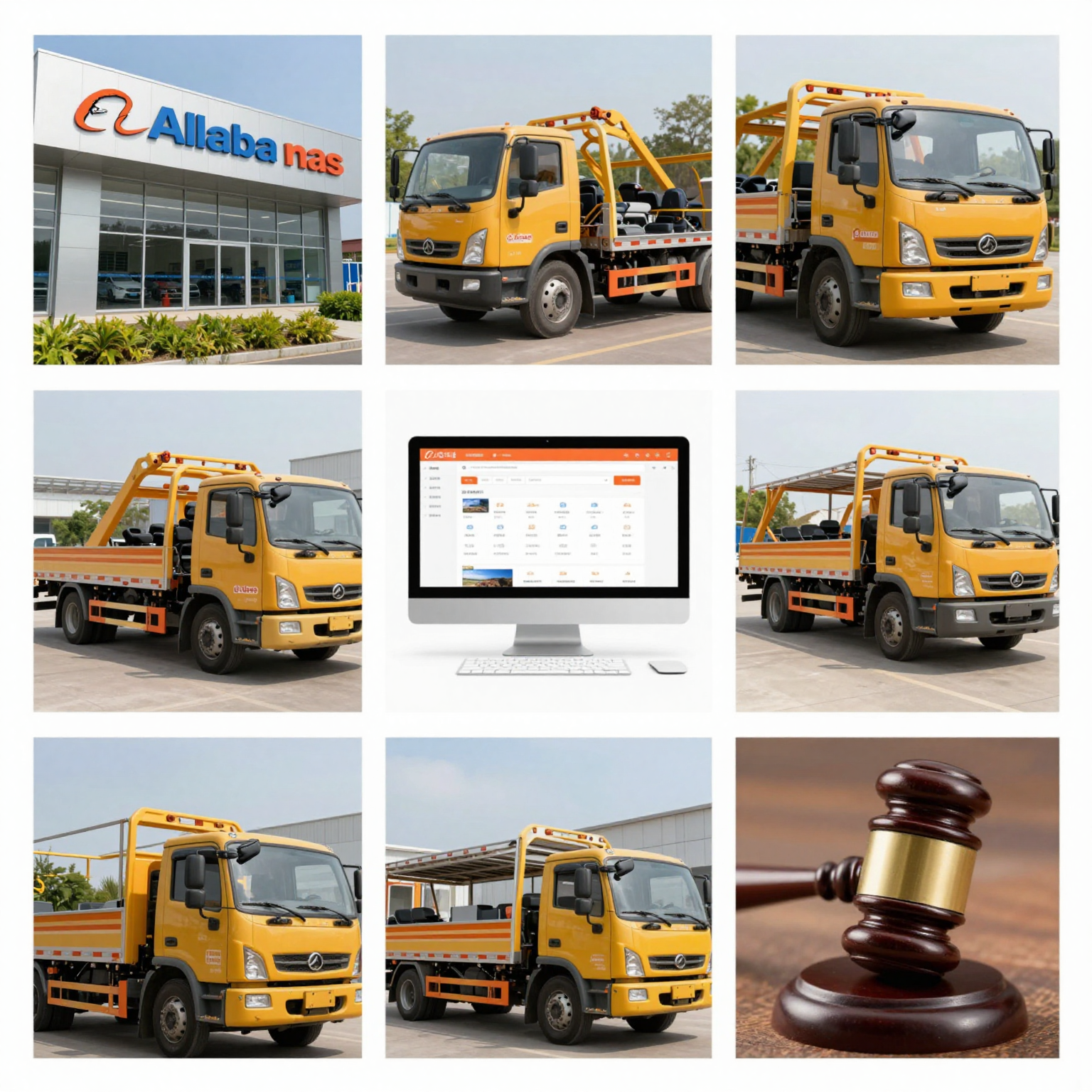
2. Online Marketplaces
Websites like Alibaba and eBay provide extensive listings of tow trucks, where you can find various models and prices from different suppliers worldwide.
Pros:
- Diverse Listings: Greater variety of brands and models, with the ability to compare prices easily.
- Potentially Lower Prices: Online sellers often have less overhead than dealerships, leading to lower prices.
Cons:
- Quality Risks: Limited ability to inspect vehicles upfront can lead to purchasing low-quality trucks.
- Less Customer Support: Post-purchase service may not be as reliable when dealing with individual sellers.
3. Auctions
Tow truck auctions can be a gold mine for affordable options, especially for used vehicles. They can be conducted online or in-person.
Pros:
- Potential Bargains: You can often secure trucks at prices significantly lower than retail.
- Variety: Auctions can have a wide range of truck types, including hard-to-find models or unique configurations.
Cons:
- Bidding Pressure: The auction environment may lead to impulsive purchases.
- As-Is Purchases: Trucks are typically sold as-is, meaning you take on the risk of hidden issues.
Conclusion
In conclusion, choosing the right place to buy a tow truck depends on your individual needs and budget. Learn more about towing operations to better understand which type of tow truck may suit your operations.
Truck Sales Trends
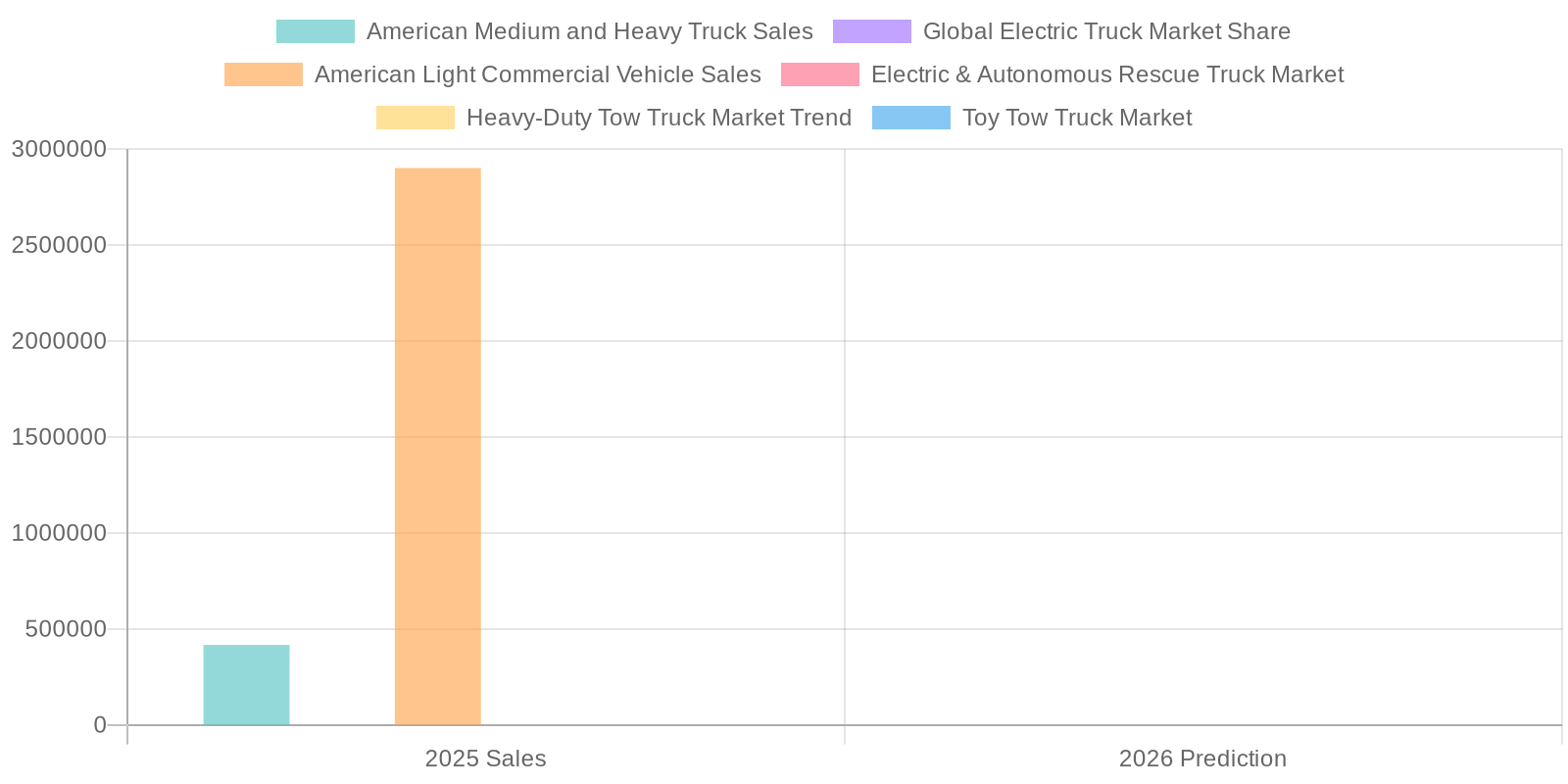
Examining recent statistics, the American medium and heavy truck market is poised to grow, with a predicted sales figure of 416,467 trucks in 2026, up from previous years. The data reflects the trends in light-duty trucks with projected increases aligning with advancements in technology and resources.
“Tow trucks are not just a convenience-they are a vital infrastructure component of the automotive repair industry. Without reliable towing services, even minor roadside incidents can lead to prolonged road closures, increased accident risks, and significant delays in vehicle repair timelines. Their ability to quickly and safely remove disabled vehicles is foundational to both emergency response and routine maintenance logistics.”
- Dr. Elena Rodriguez, Senior Transportation Analyst at AAA, as quoted in Industry Insights.
Financing Options for Tow Trucks
Purchasing a tow truck can be a significant investment for local drivers, car owners, auto repair shops, and property managers. Understanding the financing options available can help you make an informed decision that suits your business needs. Here, we explore various financing methods, including loans and leases, and highlight the best choices available in the market.
Loans
1. General Overview
Taking out a loan is a common method for financing a tow truck purchase. Loans generally have set terms, often ranging from 3 to 7 years, with interest rates that can vary based on your credit score and the lender.
2. Key Lenders
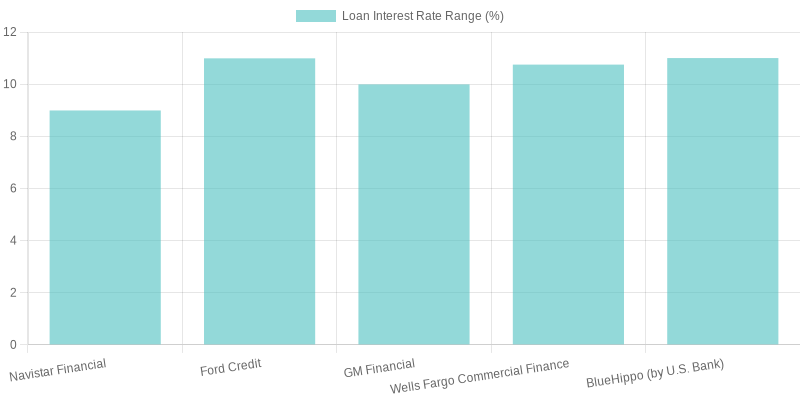
Here’s a comparison of major lenders and their offerings:
| Provider | Loan Interest Rate Range (%) | Down Payment Requirement | Loan Term (Years) | Key Features |
|---|---|---|---|---|
| Navistar Financial | 4.99% – 12.99% | 10% – 20% of vehicle value | 3 – 7 | Manufacturer financing; flexible terms |
| Ford Credit | 5.99% – 14.99% | 10% – 25% | 3 – 7 | Competitive rates; extensive dealer network |
| GM Financial | 5.99% – 13.99% | 10% – 20% | 3 – 7 | Fast approval; includes new/used tow trucks |
| Wells Fargo Commercial Finance | 6.50% – 15.00% | 15% – 30% | 3 – 5 | Focus on small businesses; customizable options |
| BlueHippo (U.S. Bank) | 7.00% – 16.00% | 20% – 30% | 3 – 5 | Specialized in service vehicles; higher rates |
Leasing
1. Benefits of Leasing
Leasing a tow truck can involve lower upfront costs and maintain cash flow. It is particularly suitable for those looking to frequently update their equipment.
2. Key Features of Leasing:
- Lower Monthly Payments: Typically, lease payments are lower compared to loan payments, allowing for a higher-end vehicle within your budget.
- Flexible Terms: Many leases allow for options to purchase at the end of the term or renew the lease.
Final Thoughts
When considering whether to buy or lease a tow truck, it’s crucial to assess your business’s financial situation, long-term goals, and cash flow. Consulting with a financial advisor can help guide you to the best decision. For more insights on towing best practices, check out spotting illegal towing and fleet emergency response strategies.
Frequently Asked Questions about Buying Tow Trucks
1. What are the average costs associated with buying a tow truck?
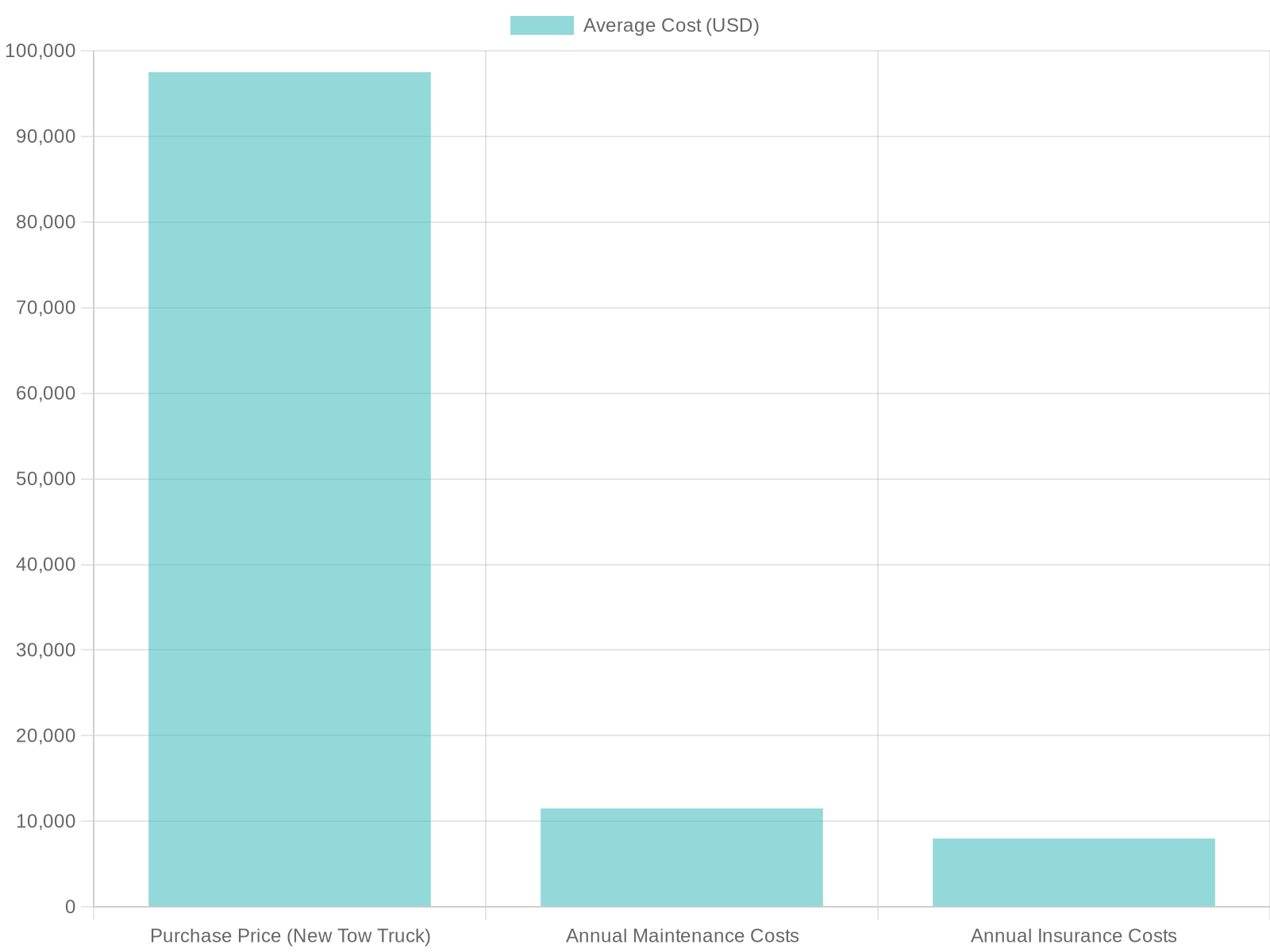
When considering the purchase of a tow truck, you should be aware of several key costs:
- Purchase Price: New tow trucks typically cost between $75,000 and $120,000, while used models range from $20,000 to $60,000. The final price often depends on the make, model, and condition of the truck.
- Annual Maintenance Costs: Expect to spend anywhere from $3,000 to $7,000 annually on regular maintenance. This includes inspections, routine servicing, and replacing parts like tires and brakes. Preventive maintenance is crucial to avoid costly repairs later.
- Insurance Costs: Insurance is a significant expense for tow truck owners. Annual premiums can vary widely based on factors like your driving history, location, and the number of vehicles in your fleet. On average, expect to pay between $6,000 and $15,000 a year for specialized commercial auto insurance coverage, which is necessary for towing operations.
2. What maintenance is required for tow trucks?
Owning a tow truck entails ongoing maintenance to ensure safety and reliability. Here are some typical maintenance tasks:
- Regular Inspections: Conduct inspections every 5,000 miles to monitor wear and tear.
- Hydraulic System Service: Maintaining the hydraulic system is critical since it is integral to the truck’s towing capability and can be a significant cost center.
- Brake and Tire Maintenance: Regularly checking and replacing worn tires and brakes to ensure safety and efficiency is vital.
- Electrical System Checks: Problems in the electrical system can lead to significant downtime and repair costs.
For an in-depth look at maintenance schedules, you can refer to resources like Heavy Equipment Guide.
3. How does the insurance process work for tow trucks?
Tow truck insurance differs from personal vehicle insurance. Here are the essentials:
- Commercial Auto Policy: Standard auto policies do not cover commercial towing, so obtaining a specialized commercial auto policy is necessary. This policy provides coverage for damages to your vehicle, liability for accidents, and protection for towing equipment.
- Factors Impacting Premiums: Insurers consider multiple factors, including the type of tow truck, number of vehicles, annual mileage, and previous claims history when determining policy pricing. Choosing comprehensive coverage can enhance protection and potentially lower long-term costs.
For personalized quotes, consult with an insurance agent experienced in commercial auto policies.
4. Are there financing options available for purchasing tow trucks?
Many buyers consider financing options, such as:
- Commercial Vehicle Loans: These loans are specifically designed for purchasing trucks, with terms typically ranging from 3 to 7 years.
- Leasing: An alternative to purchasing, leasing allows you to use a truck without the full investment upfront; however, at the end of the lease, you don’t own the vehicle.
Be sure to evaluate your budget and financing alternatives, as the right option can significantly affect your cash flow and operational flexibility.
5. What should I consider before making a purchase?
Before buying a tow truck, consider the following aspects:
- Usage Requirements: Determine what types of towing jobs you will perform, which will influence the type of truck you need.
- Local Regulations: Ensure compliance with state and local regulations, including licensing and insurance requirements specific to towing operations.
- Long-term Costs: Look at total ownership costs, including financing, insurance premiums, and maintenance.
Making an informed decision will help you avoid unexpected expenses and ensure your towing business operates smoothly.
Exploring more about inspecting and avoiding illegal towing practices can also benefit your business.
Comparison Table of Popular Tow Truck Brands
Choosing the right tow truck can make a significant difference for local drivers, auto repair shops, and property managers. Below is a comparison of three popular tow truck brands: HOWO, Dongfeng, and Foton based on price, towing capacity, and key features:
| Feature | HOWO | Dongfeng | Foton |
|---|---|---|---|
| Price Range (USD) | $42,000 – $92,600 | $35,000 – $75,000 | $40,000 – $80,000 |
| Towing Capacity | 15T – 120T | 25T – 75T | 15T – 60T |
| Key Features | High reliability; multiple configurations; diesel engines; ISO, CCC, CE certified; 1-year warranty; used in highway, traffic police, airport. | Heavy-duty rotator tow trucks; manual transmission; ISO9001 certified; suitable for demanding environments. | Versatile models including 6×4 road wreckers; robust chassis; efficient towing systems; suitable for urban recovery. |
| Engine Type | Diesel | Diesel | Diesel |
| Warranty | 1 year | Not specified | Not specified |
| Usability in Various Conditions | Excellent for highway and urban use; high safety and reliability. | Ideal for industrial and construction zones. | Suitable for city recovery and highway operations. |
Sources:
Additionally, the average price for tow truck services in the United States is around $120, with costs typically ranging between $60 and $80 for shorter distances. You’ll find that these brands each offer unique advantages suited for different operational needs.
For more insights into the impact of different operational conditions on tow trucks, check out these key considerations for community towing.
Used Tow Truck Inspection Checklist
When considering a used tow truck, it’s essential to conduct a thorough inspection to ensure mechanical reliability and overall safety. Here’s a comprehensive checklist to guide buyers during their inspection:
1. Mechanical Features
- Engine Condition: Check for any oil leaks, listen for unusual noises, and verify the oil level and quality. A proper test of the engine should also include a compression test to assess its health.
- Transmission: Test drive the truck to feel for any slipping or rough shifting. Ensure that it operates smoothly under load.
- Winch System: Inspect the winch cable for wear and the drum for any signs of damage. Make sure the winch engages and disengages properly by performing a functional test.
- Braking System: Look for signs of wear on brake pads and rotors. Ensure that the brakes respond well without any grinding noises.
2. Condition Assessment
- Chassis and Frame: Inspect for any signs of cracks, rust, or previous repairs that might indicate heavy usage. Look for mismatched paint that may indicate body work due to accidents.
- Suspension and Steering: Check for any play in the steering and inspect suspension components for damage or excessive wear. This is crucial for the stability of the truck under load.
- Hydraulic Systems: Test all hydraulic functions for responsiveness and leaks. Ensure that the hydraulic fluid levels are adequate.
- Tires: Examine tires for even wear, proper tread depth, and sidewall damage. Ensure that they meet safety regulations.
3. Reliability and Compliance
- Diagnostic Tools: Use diagnostic tools to check for any hidden fault codes that may indicate underlying issues.
- Service Records: Review maintenance logs to verify regular servicing and repairs. Consistency in maintenance is key for reliability.
- Safety Features: Ensure that all safety systems like emergency brakes, lights, and warning signals are operational and compliant with federal safety standards.
4. Test Drive
- Performance Under Load: During a test drive, ensure the truck accelerates smoothly, brakes effectively, and handles well without vibrations or unusual sounds.
- Monitoring for Red Flags: Be alert for any signs of excessive smoke from the exhaust which could indicate serious engine issues.
- Comfort and Visibility: Assess the driver’s seat comfort and check if mirrors and windows provide sufficient visibility for safe operation.
Additional Considerations
Consult professional resources and guidelines, such as the NHTSA guidelines for pre-purchase inspection or community best practices discussed on TruckersReport Forums.
By adhering to this checklist, buyers can confidently assess the mechanical features and overall condition of used tow trucks, ensuring reliable performance for their towing needs. Performing due diligence is the key to making an informed purchase decision, safeguarding both investments and safety on the road.
Conclusion: Why Invest in a Tow Truck
Purchasing a tow truck is not just a business decision; it’s a strategic investment that offers numerous benefits. Owning a tow truck enhances your operational capabilities, allows you to provide essential services quickly, and can significantly increase your revenue streams. For local drivers, a reliable tow truck ensures peace of mind during emergencies. Auto repair shops and dealerships can improve their service offerings, while property managers and HOA administrators can ensure timely vehicle removal and enhance community safety. By investing in this essential equipment, you not only elevate your business efficacy but also contribute positively to your community’s roadway safety.
If you’re looking to further enhance your vehicle fleet, consider the versatility offered by high-quality motorcycle fairings from Summit Fairings. Their products are tailor-made to suit various motorcycle models, providing both aesthetic appeal and functional benefits. Visit their site today to explore what fits your needs best, and take the next step in elevating your transportation business or personal projects!