
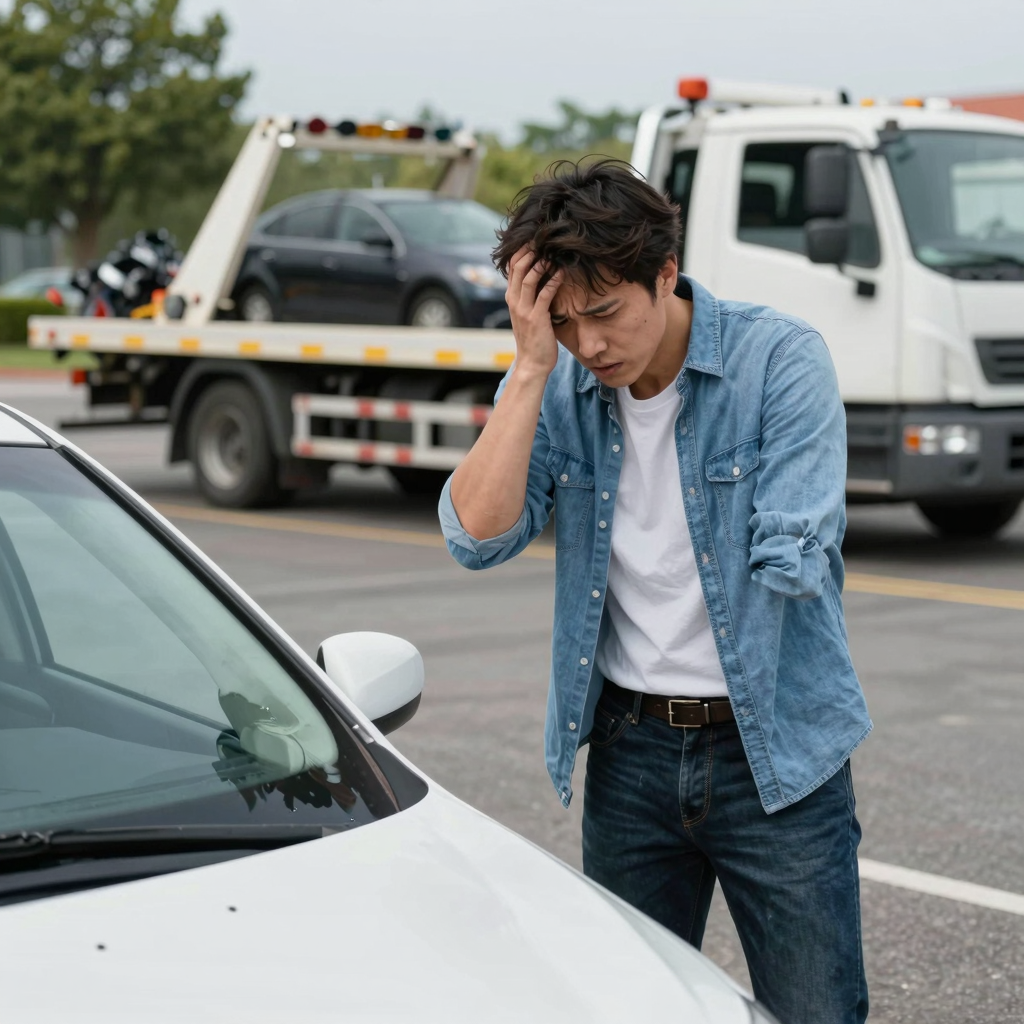
Car theft can strike fear into the hearts of drivers and car owners, transforming a routine day into a nightmarish ordeal. Imagine stepping out to find your vehicle missing, only to discover it’s been towed away without your consent. This harrowing experience leaves many questioning their safety and the security of their vehicles. The anxiety surrounding unauthorized towing is real and pervasive-many individuals feel a sense of vulnerability and helplessness in such situations.
It’s crucial to understand the importance of taking proactive measures to prevent your car from being unlawfully towed. Whether you’re a local driver, a diligent property manager, or an administrator for an HOA, arming yourself with knowledge and insight is vital. By learning how to identify potential red flags and understanding your rights, you can safeguard yourself against predatory towing practices. Awareness not only empowers you but also acts as a shield against the unwarranted stress that comes with losing your vehicle. In this article, we will explore practical steps and strategies to stop tow trucks from stealing your car, ensuring peace of mind and protecting your valuable asset. Learn more about recognizing illegal towing practices and how to take action effectively.
As a driver, it’s crucial to understand the common reasons vehicles get towed. This knowledge can help you avoid situations where you might find yourself losing your car to a tow truck. Here are some of the most common reasons:
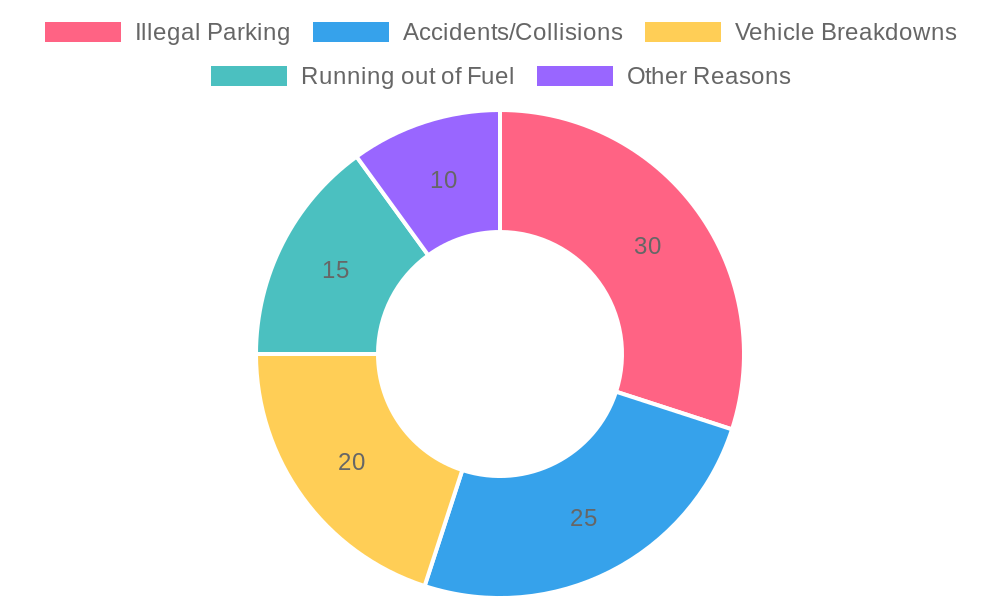
1. Illegal Parking (30%)
One of the leading causes for towing vehicles is parking in unauthorized areas. Whether it’s on private property without permission or exceeding the time limit in a public space, illegal parking is a significant issue that property managers often address. Drivers should always be aware of posted signage and regulations regarding parking.
2. Accidents/Collisions (25%)
If a vehicle is involved in an accident and becomes undrivable, it’s often towed away for safety reasons and to clear the road. This situation occurs frequently, so it’s wise to have a plan for roadside assistance should you ever find yourself in a collision.
3. Vehicle Breakdowns (20%)
Cars break down for various reasons, including mechanical failures and electrical problems. When a vehicle cannot move under its own power, towing services are typically called to transport it to a repair shop. Regular maintenance can help mitigate this risk.
4. Running Out of Fuel (15%)
While it may seem common, a surprising number of drivers find themselves stranded with an empty tank. Towing services can help transport the vehicle to the nearest gas station. Always keep your fuel gauge in mind, especially on long trips.
5. Other Reasons (10%)
This includes instances such as being locked out of your car or needing to transport a vehicle for the owner’s convenience. Although these situations are less frequent, they still account for a small percentage of towing cases.
Visual Representation
To provide a clear overview, here is a pie chart illustrating the distribution of reasons vehicles are commonly towed:
Legal Considerations
Drivers should also be informed about the regulations associated with towing. Each state has different laws surrounding unauthorized vehicle towing. It’s essential to be aware of these rules to avoid unnecessary towing costs and to understand your rights as a vehicle owner. If you’re interested, you can learn more about local towing regulations.
By being proactive about these common issues and regulations, drivers can significantly reduce the risk of their vehicles being targeted by tow trucks.
This overview provides a comprehensive understanding of the factors that might lead to your vehicle being towed. By keeping these points in mind, you can navigate your parking choices more wisely and avoid unexpected towing incidents.
Preventative Measures Against Unauthorized Towing
To protect your vehicle from unauthorized towing, here are seven effective measures you can implement:
-
Be Aware of Local Laws: Familiarize yourself with local parking regulations and towing laws. This knowledge can help you dispute unauthorized tows. You can learn more about the signs of illegal towing.
-
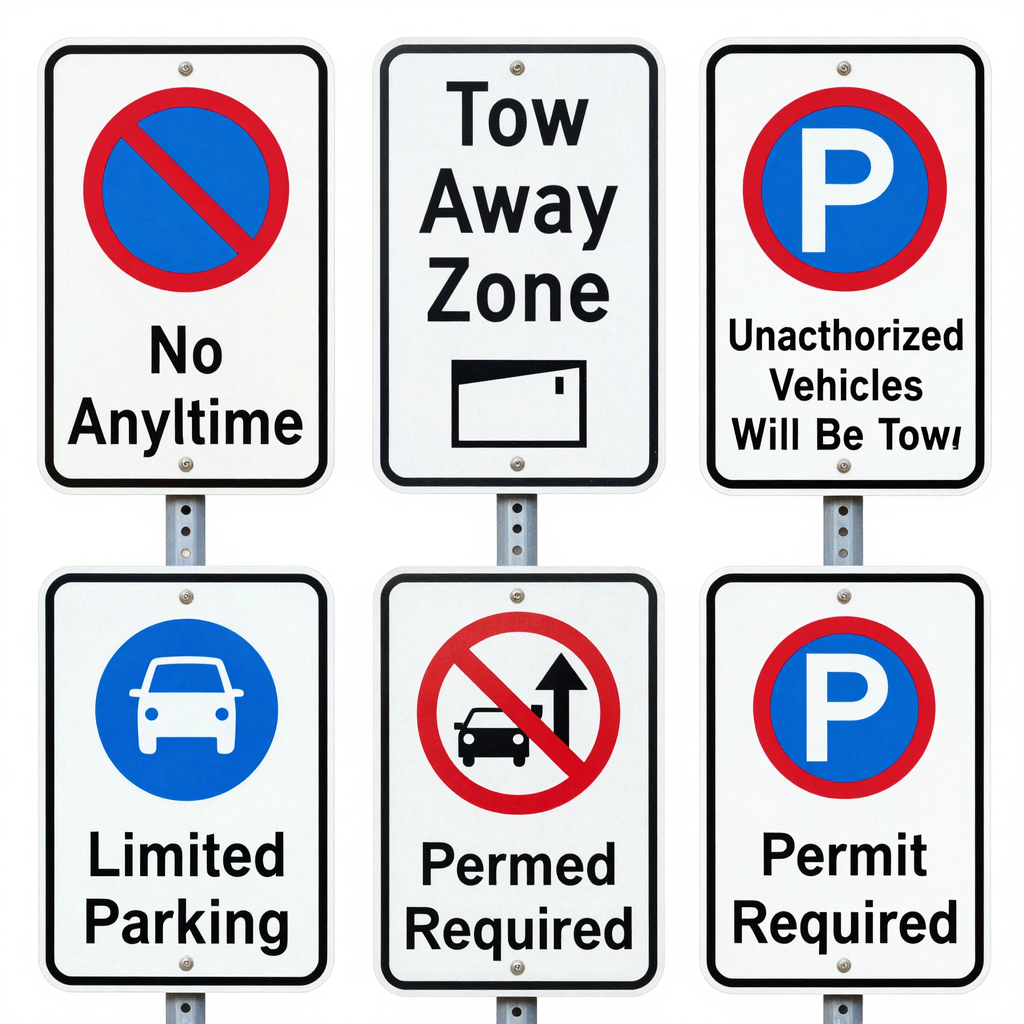
Clear Parking Signage: Ensure that any parking areas you use have clear and visible signage regarding towing policies. This prevents misunderstandings with towing companies.
-
Consider Anti-Towing Devices: Invest in anti-towing devices that can prevent unauthorized removal of your vehicle. For example, wheel locks and coupler locks effectively deter thieves and unauthorized towing attempts. Check out the list of best anti-towing devices.
-
Document Your Parking Conditions: Always take photographs of where you park, especially in unfamiliar areas. This can serve as evidence if your vehicle gets towed without just cause.
-
Use Bright Lighting: Park in well-lit areas. Predators often target cars in dimly lit or isolated spots.
-
Notify Your Neighborhood: Share information with your local community about potential towing scams, so everyone can stay alert.
-
Update Your Registration: Keep your vehicle’s registration up to date. An expired registration can give unauthorized towers a reason to tow your vehicle.
Implementing these measures can significantly lower your risk of unauthorized towing.
Understanding Towing Laws in Santa Maria
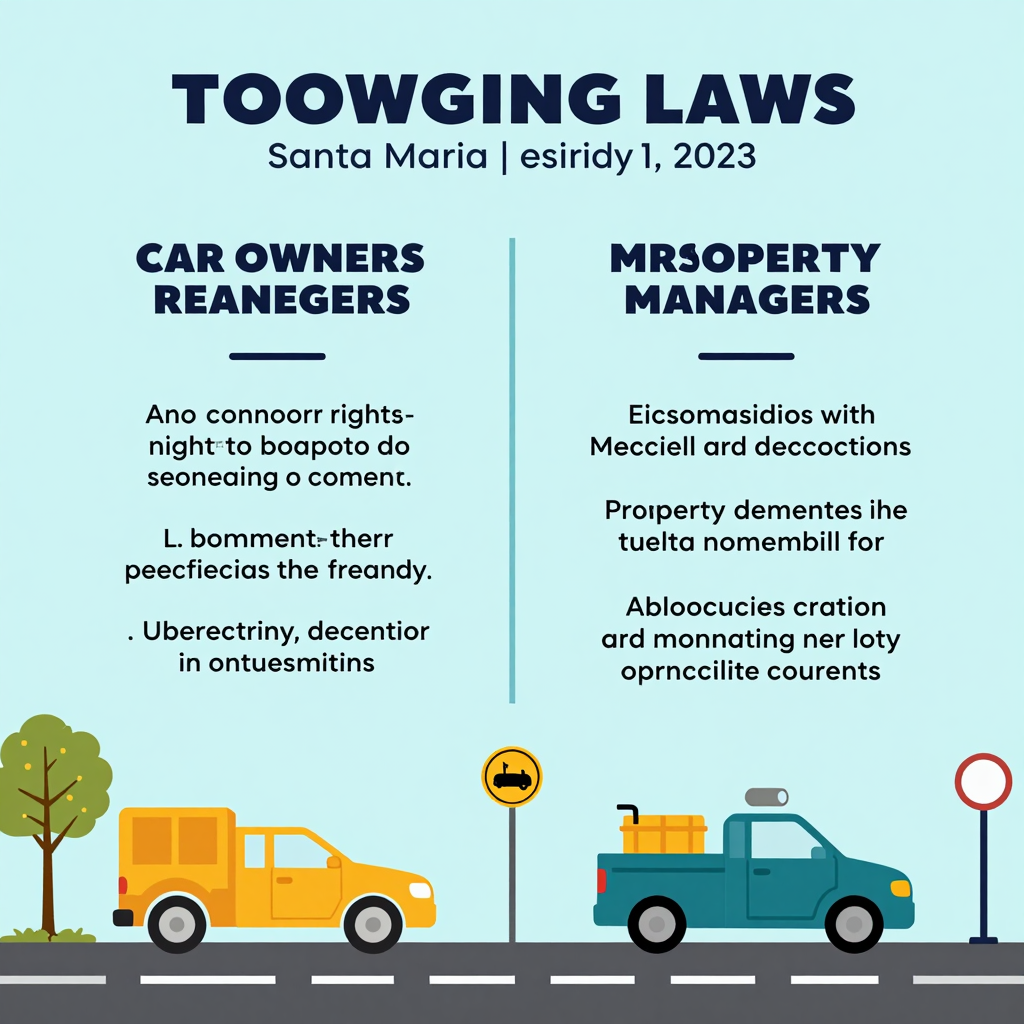
Towing laws are essential for ensuring fairness and clarity in the relationships between property managers, towing companies, and vehicle owners. In Santa Maria, California, understanding these laws can protect the rights of vehicle owners and ensure that property managers fulfill their responsibilities legally and ethically.
Rights of Car Owners
In Santa Maria, vehicle owners have specific rights regarding towing:
- Notification: Before a vehicle is towed, the car owner typically must receive notice. This notice can vary depending on whether the car is parked on private property or a publicly accessible area. If towed from private property, proper signage must be posted, outlining the towing policy and fees involved.
- Dispute Options: Vehicle owners have the right to contest an improper tow. They can seek redress by contacting local authorities to report illegal towing activities. Learn about spotting illegal towing practices.
- Fee Structure: Towing fees must be clearly stated, and vehicle owners have the right to request a receipt detailing all charges incurred during the towing process.
Responsibilities of Property Managers
Property managers play an important role in upholding towing laws:
- Compliance with Regulations: Managers must familiarize themselves with state regulations regarding towing. This includes understanding when they can authorize a tow and ensuring proper procedures are followed to avoid liability claims. Failure to adhere to these laws can result in property owners being held liable for two to four times the towing and storage fees incurred if proper procedures aren’t followed.
- Signage: A key responsibility is to display clear signage that informs vehicle owners of towing policies. The absence of adequate signs can lead to disputes and even lawsuits.
- Communication: Property managers should ensure ongoing communication with residents regarding towing policies and any changes that may occur concerning vehicular parking and towing regulations.
Understanding the complexity of towing laws can help vehicle owners and property managers navigate disputes proactively, fostering smoother interactions. For more in-depth insights on legal matters related to towing, consider consulting legal advice or local regulations.
Summary of Towing Regulations
| Category | Detail | Source |
|---|---|---|
| Traffic Direction | It is unlawful for any person other than a traffic or Police Officer to direct traffic. | City of Santa Maria, CA – Chapter 7-1 |
| Towing Lane Requirement | Vehicles must tow in the designated lane, usually the right-hand lane, except when passing. | California Towing Laws – Eyers Hitch Center |
| Occupancy of Towed Vehicle | No passengers can ride in a towed trailer, motorcycle, etc. while being towed. | California Towing Laws – Eyers Hitch Center |
For a more comprehensive understanding of Santa Maria’s vehicle towing policy, it’s advisable to consult local legal resources or the Santa Maria Police Department’s vehicle towing policy.
| Towing Company | Two-Wheel Vehicle Towing Rate | Four-Wheel Vehicle Towing Rate | Additional Services |
|---|---|---|---|
| SingSaver | $100 | $150 | Towing on holidays incurs extra fees |
| Shenton Recovery | $80 – $160 | $140 | Short-distance towing (within 10km) available |
| TowLah | $110 | $150 | Specialized towing services available |
| Shh Tyres | $80 – $150 | $140 | Long-distance towing options |
This table is based on various towing companies and includes pricing for two-wheel and four-wheel vehicles along with additional offered services.
For more details on recognizing illegal towing practices and how to stop a tow truck from stealing your car, check out our articles on recognizing illegal towing practices and spotting illegal towing: key signs to know.
“As vehicle owners, it’s crucial to be aware of our rights regarding towing practices to protect ourselves from illegal or unethical towing actions.” – Unknown Automotive Safety Expert
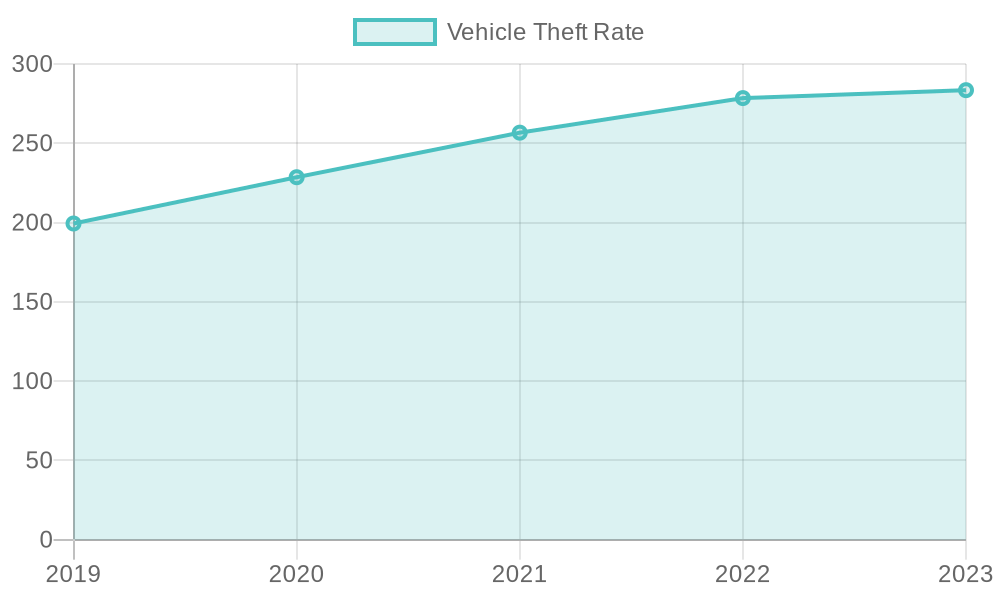
| Year | Vehicle Theft Rate (per 100,000 people) |
|---|---|
| 2019 | 199.4 |
| 2020 | 228.6 |
| 2021 | 256.7 |
| 2022 | 278.5 |
| 2023 | 283.5 |
Sources:
- FBI Uniform Crime Reporting (UCR) Program – 2019-2023 data
- Bureau of Justice Statistics (BJS) – National Crime Victimization Survey (NCVS) supplemental analysis
Conclusion
In today’s world, protecting your vehicle from unauthorized towing is more important than ever. As we discussed, there are several practical strategies that local drivers can implement to deter tow trucks from unlawfully taking your car.
- Choose your parking spots wisely: Always be aware of your parking surroundings, selecting well-lit areas with clear signage. Avoid parking in zones that are poorly defined or unclear.
- Install anti-towing devices: Consider equipment that blocks towing mechanisms, making it more challenging for tow companies to remove your vehicle.
- Engage with local property managers: If you live in an area where towing is a concern, working with property owners or HOA administrators can ensure that the rules are transparent and just.
It’s crucial to stay informed and proactive. Regular maintenance and the right visual deterrents can go a long way in protecting your vehicle from becoming a towing victim.
We encourage you to take immediate steps to safeguard your vehicle. Consider equipping your car with premium protective devices from Summit Fairings, ensuring that your vehicle remains secure. Don’t wait for a towing incident to occur-act now and keep your car protected from theft!
For further tips and to understand more about illegal towing practices, browse our resources on recognizing illegal towing practices.
FAQ on Towing and Vehicle Security
1. What should I do if I see my car being towed?
If you believe your vehicle is being towed illegally, try to contact the towing company immediately to confirm the tow. If it’s unauthorized, you can ask the driver to stop and provide proof of your ownership or right to park in that location. More on recognizing illegal towing practices can help you navigate this situation.
2. How can I prevent my car from being stolen?
Preventive measures include:
- Always lock your vehicle.
- Utilize steering wheel locks or immobilizing devices.
- Park in well-lit, secure areas.
For a comprehensive guide, check out how to prevent car theft.
3. Is it legal for a towing company to tow my car?
Yes, towing companies can tow vehicles if they are parked in violation of regulations. However, they are required to follow local laws and provide proper notification. Understanding the key signs of illegal towing can benefit you.
4. What are common tactics used by thieves to steal vehicles?
Thieves may use methods such as:
- Towing without authorization.
- Using stolen keys or electronic devices to unlock your car.
Stay informed on common car theft techniques to better protect your vehicle.
5. Who is responsible if my vehicle is damaged while being towed?
Towing companies are generally liable for damages incurred during the towing process. It’s essential to document any damages and communicate with the towing company promptly to resolve issues.