
When it comes to driving a truck, understanding truck towing capacity is not just a number; it’s a vital aspect of safety that impacts every driver on the road. For local drivers, property managers, and auto enthusiasts alike, knowing how to calculate towing capacity can mean the difference between a smooth, successful haul and a dangerous, potentially catastrophic accident. The emotional weight of this responsibility cannot be overstated; whether you’re transporting a beloved boat for a weekend getaway or moving equipment for a commercial project, ensuring your load stays within safe limits is paramount. Nothing pushes our limits like a poorly calculated towing decision, leading to not just property damage but also serious injury. Towing safety begins with understanding your truck’s capabilities and adhering to those guidelines, which is what this guide aims to illuminate. It’s essential for our community not just to transport goods but to do so with care and precision. By prioritizing towing safety, we can create a more responsible and secure driving environment for everyone. Learn more about illegal towing and how to stay informed about regulations.
Understanding Truck Towing Capacity
Truck towing capacity refers to the maximum weight a truck can safely tow, a critical specification for drivers, property managers, and repair shops alike. Understanding this capacity is essential for both safety and performance, whether you are hauling trailers, boats, or construction equipment. Let’s dive into what towing capacity means and what factors influence it.
Factors Affecting Towing Capacity
-
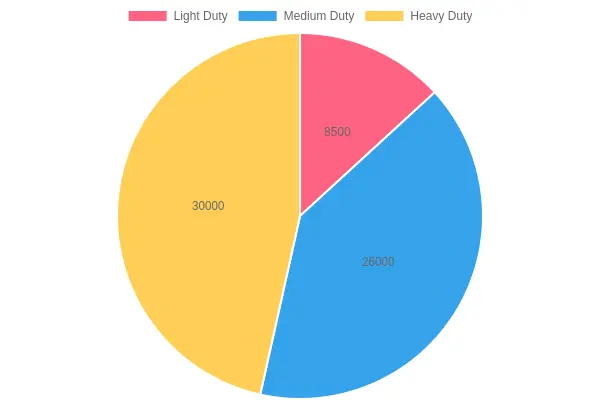
Vehicle Specifications: The truck’s design, engine size, and model type dictate its towing capability. For instance, light-duty trucks usually have a towing capacity of up to 8,500 pounds, while heavy-duty trucks can tow beyond 26,000 pounds.
Truck Type Towing Capacity (lbs) Light Duty Up to 8,500 lbs Medium Duty 10,001 – 26,000 lbs Heavy Duty Exceeds 26,001 lbs -
Engine Power: A more powerful engine can provide greater torque, which is essential for handling heavy loads.
-
Transmission: Trucks equipped with automatic transmissions often have better towing capabilities because they can manage gear changes more efficiently under heavy loads.
-
Axle Ratio: The ratio of the truck’s axle impact its towing ability. A higher ratio typically means better torque at lower speeds, suitable for towing.
-
Weight Distribution: How the weight is distributed in the trailer will affect the towing capacity. Properly balancing the load can prevent sway and improve safety.
-
Tires and Suspension: Quality tires and reinforced suspension systems are vital for maintaining stability and control while towing.
Understanding these factors not only helps you determine the right truck for your needs but also keeps safety a priority. For those involved in fleets or emergency response vehicles, standardizing equipment based on towing capacities can lead to improved efficiency and safety (learn more about fleet safety). Knowing your truck towing capacity equips you to make informed decisions that contribute to safer roads for everyone!
Conclusion
Whether you are a local driver, a property manager, or running a repair shop, understanding truck towing capacity is crucial. It not only helps in selecting the right vehicle for your specific needs but also enhances overall safety on the road. Equip yourself with this knowledge and drive with confidence!
Steps to Calculate Truck Towing Capacity
Calculating your truck’s towing capacity is crucial for safe towing practices. Follow these actionable steps to determine your truck’s capabilities:
- Find Your Truck’s Curb Weight
- This is the weight of your truck without any cargo or passengers inside. You can typically find this information in your owner’s manual or on the manufacturer’s label inside the driver’s door.
- Know the Gross Combined Vehicle Weight Rating (GCWR)
- GCWR is the maximum weight your truck is rated to safely carry, including both the vehicle itself and the trailer it can tow. Look this up in your owner’s manual or on the manufacturer’s specifications page.
- Calculate Your Payload
- Determine the weight of any cargo inside your truck. Add this to the curb weight to find your total vehicle weight (TVW).
- Subtract from GCWR
- Use the formula: Towing Capacity = GCWR – TVW. This will give you the maximum weight that can be safely towed behind your truck.
- Consider Additional Needs
- Ensure that you account for additional factors like the weight distribution of the trailer, braking system, and trailer sizes, which can all affect towing performance.
- Consult Professional Resources
- For detailed guides, consider resources from TowPro Academy and Car Talk for more tips on safe towing practices.
By carefully following these steps, you will ensure that you stay within your truck’s towing limits, promoting safety and efficiency during transportation.
The Importance of Knowing Towing Limits
Understanding your truck’s towing capacity is not just a matter of specifications; it’s a commitment to safety for you and everyone on the road. Exceeding the towing limit can lead to devastating consequences, not only for yourself but also for other drivers, passengers, and pedestrians.
Imagine embarking on a road trip, filled with anticipation and excitement, only to face the horrifying reality of losing control of your vehicle-this isn’t just a possibility; it can become an unfortunate truth if you overload your truck. Heavy loads can affect braking distance, steering, and acceleration, creating a scenario that could lead to accidents or even catastrophic failures.
Moreover, overloading can cause significant wear and tear on your truck, leading to costly repairs and potentially putting you in harm’s way when you least expect it. The weight of improperly towed loads can result in swaying, reduced stability, and difficulty in maneuvering, dramatically increasing the risk of a rollover accident. The emotional toll of an accident, knowing it could have been easily avoided, can linger long after the physical damage is repaired.
Knowing your towing limits instills confidence and peace of mind. It ensures that every journey is not just safe but enjoyable. So before you set out on your next adventure, take a moment to understand your truck’s towing capacity-your safety and that of others depend on it. For more tips on safe towing, learn more about unsafe towing practices.
Industry Standards for Towing Capacity Calculations
Understanding proper towing capacity calculations is crucial for ensuring vehicle safety and performance, particularly for truck owners and operators. The following industry standards provide guidelines that enhance clarity and compliance in towing practices:
SAE J2807 – Standardization of Towing Capacity Ratings
One of the primary standards influencing how towing capacity is calculated is SAE J2807, developed by the Society of Automotive Engineers. This standard came into effect for the model year 2013 and aims to create consistency across the automotive industry regarding towing ratings. It provides a framework that helps consumers confidently compare the towing capabilities of different vehicles. Key aspects include:
- Test Procedures: SAE J2807 outlines specific tests that must be administered to determine a vehicle’s towing capacity, covering performance criteria under various conditions.
- Elimination of Discrepancies: By standardizing testing methods, it reduces inconsistencies in how manufacturers report towing capabilities, fostering a level playing field.
For more detailed insights into the SAE J2807 protocols, visit MotorTrend.
Understanding Vehicle Ratings
In addition to standard tests like SAE J2807, specific terms are essential for correctly assessing towing capacities:
- Gross Vehicle Weight Rating (GVWR): The maximum weight a vehicle is rated to safely carry, including its own weight and any additional load.
- Gross Combined Vehicle Weight Rating (GCVWR): This represents the total weight of the vehicle and any trailer it is towing.
These ratings must be adhered to for legal and safety reasons. Overloading a vehicle can lead to severe handling issues, brake failure, or worse.
For further exploration regarding maximum payloads and towing capacities, check out Mongoose Industry.
Comparison of Truck Towing Capacities
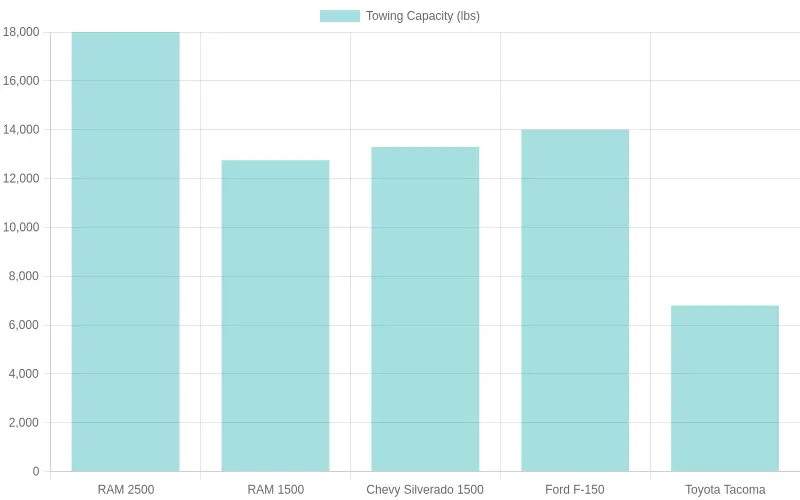
Considering the importance of knowing your truck’s towing capabilities, here’s a detailed comparison of popular truck models for 2023:
| Truck Model | Towing Capacity (lbs) |
|---|---|
| RAM 2500 | 18,000 |
| RAM 1500 | 12,750 |
| Chevy Silverado 1500 | 13,300 |
| Ford F-150 | 14,000 |
| Toyota Tacoma | 6,800 |
Understanding these towing capacities can help drivers select the right truck for their needs, especially when considering factors such as payload, vehicle performance, and safety. Whether you are looking to tow a trailer for your outdoor adventures or need to transport equipment for your business, ensuring that your truck is capable of handling the load is vital.
For additional information on responsible towing practices, check out our article on signs of illegal towing or if you’re interested in fleet options, visit our section on emergency response.
Tools and Resources for Calculating Towing Capacity
When it comes to ensuring a safe towing experience, utilizing the right tools and resources is essential. Here are several user-friendly and reliable tools, apps, and websites that can help you accurately calculate your vehicle’s towing capacity:
-
Towing Capacity Calculator: This free online tool assesses towing ratings, payload, GVWR (Gross Vehicle Weight Rating), GCWR (Gross Combination Weight Rating), and tongue weight, helping you understand which limitation may be reached first. Ideal for trucks, SUVs, RVs, and trailers.
-
Can I Tow This: This straightforward calculator allows you to input details about your trailer and vehicle. It quickly tells you if your towing setup exceeds weight limits, ensuring safer towing practices.
-
Towing Calculator: Accurately calculate your vehicle’s towing capacity based on various factors that affect safe towing weight, including specifications and driving conditions.
-
Free Online Towing Capacity & Tow Weight Calculator: A user-friendly tool that helps you quickly determine your vehicle, cargo, and towing capabilities for safe towing operations.
-
Calxia Towing Capacity Calculator: This tool calculates tongue weight, GCWR, and payload to prevent overloading, ensuring safe towing.
-
Modern Trailer Towing Capacity Calculator: Incorporating AI, this advanced calculator considers multiple vehicle factors to provide accurate assessments of towing capacity.
Utilizing these tools ensures you have the right information to make well-informed decisions, keeping you and others safe on the road. For additional insights about vehicle safety and towing practices, learn more about towing safety.
Each of these resources is designed to simplify the towing capacity calculation, making it easier for local drivers, auto repair shops, and property managers to take action with confidence.
Understanding your truck’s towing capacity is vital for both safety and performance. Proper comprehension of this capacity not only ensures that you can haul the loads you need reliably but also reduces the risk of accidents caused by overloading. Overloading can lead to severe vehicle instability and braking issues, making it crucial for drivers and fleet managers alike to adhere to manufacturer guidelines and specifications. For more on why understanding towing limits matters, check out this insightful article on Towing Capacity Explained.
If you’re looking to enhance your truck’s capability and style, Summit Fairings offers custom-fit fairings that are designed for both performance and aesthetic appeal. These fairings not only improve aerodynamics but also provide a personalized touch to your vehicle, ensuring that it stands out on the road. Don’t compromise on quality or style-visit Summit Fairings to explore their range of products specifically tailored for trucks. Your ride deserves the best, so take action today and transform your truck with a custom fairing that enhances its performance while reflecting your unique style!
Understanding the Relationship Between Vehicle Weight and Towing Capacity
When it comes to towing with your vehicle, understanding the relationship between its weight and towing capacity is crucial. As a general rule, heavier vehicles can typically tow more weight, but it’s important to know the specific limitations and ratings for your model.
Towing Capacity of Popular Truck Models
Here’s a visual representation of how the curb weight of different truck models relates to their towing capacity:
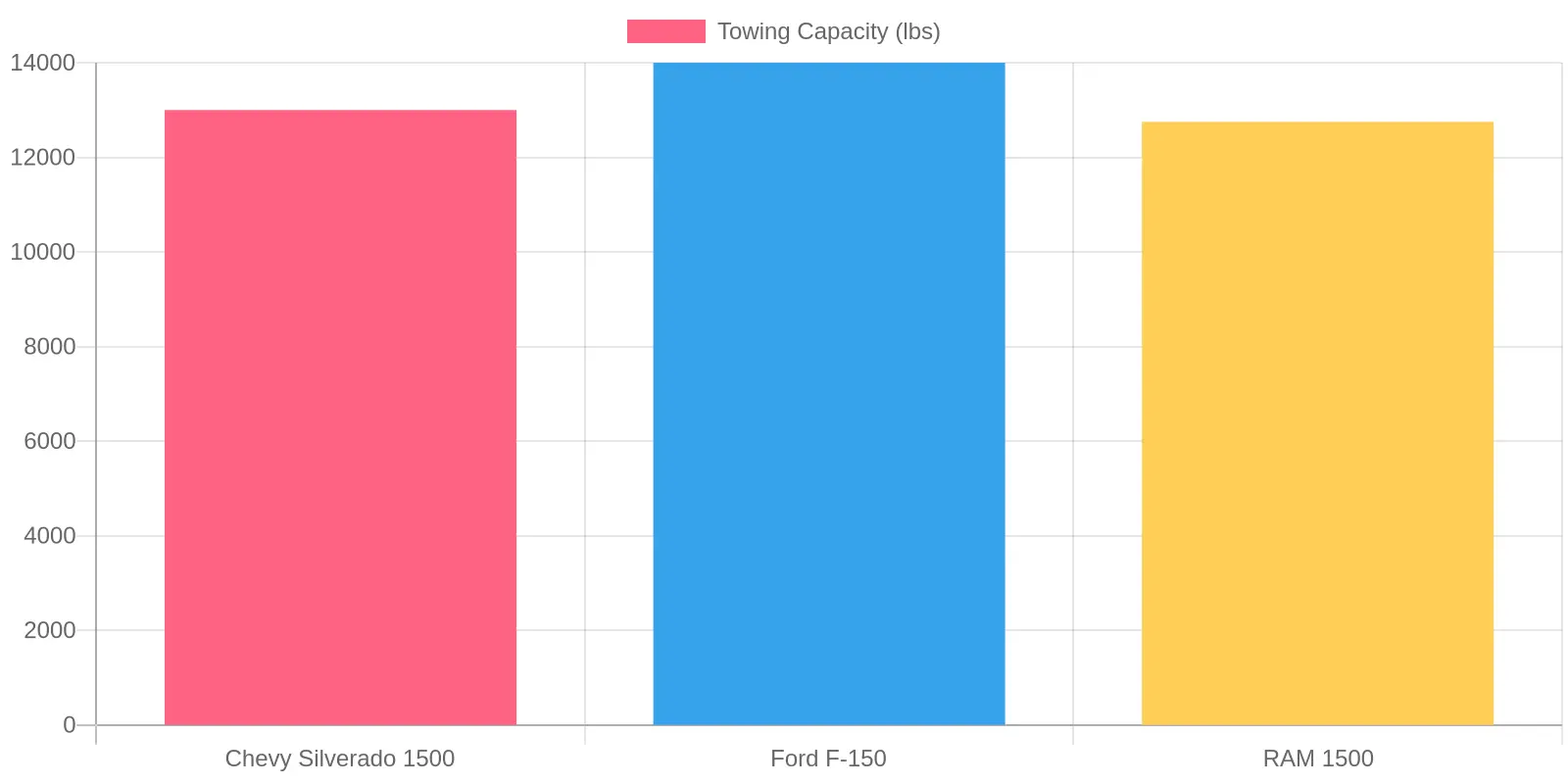
Figure: Towing Capacity of Various Truck Models
| Truck Model | Curb Weight (lbs) | Towing Capacity (lbs) | Source |
|---|---|---|---|
| Chevy Silverado 1500 | 4,410 – 5,710 | 8,700 – 13,300 | Chevrolet, Kelley Blue Book |
| Ford F-150 | 4,021 – 5,697 | 8,200 – 14,000 | Ford, Power Ford NM |
| RAM 1500 | 4,500 – 5,800 | 7,730 – 12,750 | Dover CDJR, Car and Driver |
Increasing your vehicle’s weight can indeed enhance its towing capacity, granting you the power to haul heavier loads safely. However, always check the specific guidelines for your truck model to ensure compliance with safety standards.
For more information on making the best choices while towing, you can learn more about towing safety or inspection processes.
Also, remember that exceeding your vehicle’s towing capacity can lead to dangerous driving conditions, so stay informed!