

Introduction
Dealing with illegal parking can be an exasperating experience for both local drivers and property managers. Picture this: you pull into your driveway after a long day, only to find that someone has parked in your designated spot, leaving you helpless and frustrated. It’s not just an inconvenience; it directly impacts your daily life and the smooth functioning of your community. Knowing your rights in these situations is crucial, especially when it comes to how you can take action against unauthorized vehicles. This is where understanding the process of calling a tow truck becomes vital. It empowers you to address the issue decisively and ensures that everyone respects parking regulations. Whether you’re a local driver fed up with others encroaching on your space or a property manager trying to maintain order in your lot, being informed about your rights is key. This article will guide you through the appropriate steps to take when illegal parking occurs and how to efficiently call for a tow truck when necessary. Armed with this knowledge, you can reclaim your parking spaces and contribute to a safer, more organized community. Learn more about recognizing illegal towing practices and understand how to protect yourself in such situations.
Frequently Asked Questions About Calling Tow Trucks for Illegal Parking
-
What are the laws regarding towing?
The laws surrounding towing can vary by state, but they generally protect vehicle owners’ rights. For example, in Virginia, specific regulations dictate necessary markings for tow trucks and identification requirements. Always ensure that you familiarize yourself with local laws to understand your rights in case of unauthorized towing. -
How do I report illegal parking?
Reporting illegal parking typically involves contacting local authorities or parking enforcement. For residents of New York City, the process can be initiated by referencing NYC311, where you can learn more about how law enforcement responds to these types of complaints. -
What information do I need when calling a tow truck?
When calling a tow truck for illegal parking, provide details like the vehicle’s make, model, color, license plate number, and exact location. This helps ensure prompt removal. -
How can I find a reputable towing service?
Research local towing companies, read reviews, and verify that they are licensed and insured. This is essential to ensure that your vehicle is handled safely and legally. For more insights into trustworthy towing practices, visit Tow Truck Cheap. -
What are my rights as a vehicle owner if my car is towed?
Vehicle owners generally have the right to know why their car was towed, where it’s being held, and the fees associated with retrieval. If you believe the towing was unjustified, you can often contest it with your local authorities. -
What should I do if I find my car has been towed?
First, locate the towing company responsible for the removal. Then, contact them for information on retrieving your vehicle, including the necessary fees. Be sure to gather any documentation proving the vehicle was legally parked. -
Can a vehicle be towed for parking in a private driveway?
Yes, parking in a private driveway without permission can lead to towing, as outlined in many local regulations that protect property owners. For guidelines on handling such situations, consult resources like Clever Dude. -
Are there specific violations that typically lead to towing?
Common reasons include blocking driveways, parking in no-parking zones, and parking without a permit in designated areas. Each municipality will have its specific guidelines, so it’s essential to be aware of local parking regulations.
Towing is a critical service in managing traffic flow and ensuring the safety of parking areas. However, the legality of towing varies significantly across different states and municipalities in the U.S. Understanding the legal framework surrounding towing is vital for car owners, property managers, and towing companies alike.
Key Regulations Governing Towing
- Non-Consensual Towing Fee Caps:
- Many states regulate the fees charged for non-consensual towing to prevent exploitation. For instance:
- California: imposes a maximum fee of $300.
- Ohio: sets the cap up to $150 depending on circumstances.
- In other states, such as Texas and Florida, fees can vary significantly by municipality and there is no statewide cap.
- Safety Requirements:
- Different states have specific safety equipment mandates that towing companies must adhere to:
- Florida requires clear signage in towing areas.
- Georgia mandates safety equipment on all towing vehicles to mitigate risks during transport.
- California laws necessitate that towing companies provide written, itemized statements to vehicle owners.
- Compliance Guidelines:
- States have established distinct compliance mechanisms, including:
- Notification Requirements: Some states, including Illinois and New York, require that vehicle owners be notified prior to the towing of their vehicles.
- Licensing and Inspections: Many states, like North Carolina and Michigan, require towing operators to obtain licenses and comply with local inspections.
State-by-State Overview
Understanding the specific towing regulations in your area is crucial. Here’s a concise comparison based on independent research:
| State | Non-Consensual Towing Fee Cap | Safety Requirements | Compliance Guidelines |
|---|---|---|---|
| California | $300 | Written itemized statement required | Report removal within set time limits |
| Texas | Varies by municipality | Notification must be provided | Fees must be reasonable and justified |
| Florida | Varies by municipality | Signage requirements for towing areas | Notice to vehicle owners must be provided |
| New York | Varies; general oversight | Compliance with local regulations | Licensing and bonding requirements for tow companies |
| Georgia | Varies; capped by local laws | Safety equipment required on towing vehicles | Compliance with local inspections |
| Ohio | Up to $150 | Notification within a specified timeframe | Towing companies must be licensed |
| Illinois | $200 | Written notice required before towing | Compliance with local ordinances |
| North Carolina | Set by local government | Safety equipment mandates | Reporting requirements to authorities |
| Michigan | $200 for light-duty vehicles | Warning signage must be provided | Companies must maintain valid operating licenses |
| Pennsylvania | Varies | Must adhere to state regulations | Compliance audits conducted periodically |
Conclusion
Navigating the legal complexities of towing can be challenging yet essential. It’s important for drivers to know their rights and for property managers to understand their responsibilities in towing situations. As regulations vary widely from state to state, ensuring compliance with local ordinances is vital. Learn more about the signs of illegal towing to protect your rights and the rights of others.
For comprehensive guidance and updates on towing operations, you can also consult additional resources, such as Towing Laws by State and compliance best practices.
In summary, whether you are a driver, property owner, or tow operator, staying informed about towing regulations will help you navigate the complex landscape of towing legality.
Understanding Local Towing Regulations in Urban Areas
When it comes to illegal parking and local towing practices, understanding the applicable regulations is crucial for drivers, vehicle owners, property managers, and towing companies alike. In urban areas, the landscape of towing regulations is diverse and often strict, serving as a necessary mechanism to maintain order on congested streets.
Key Statistics on Towing Regulations
Recent statistics highlight the widespread implementation of towing regulations across urban centers:
| Category | Data |
|---|---|
| Percentage of Cities with Regulations | Approximately 85% of urban areas have specific towing regulations. |
| Average Towing Fees | National averages range from $109 to $129, with local tows typically ranging from $50 to $125. |
| Common Towing Practices | Regulations often include maximum rates, towing zone signs, and notification requirements. |
The enforcement of local towing regulations plays a vital role in ensuring that property owners can manage their spaces effectively. The majority of cities have established guidelines to ensure compliance, customer service, and clear communication regarding the towing process. These standards help protect vehicle owners from unforeseen charges while maintaining respect for the property rights of others.
Importance of Regulations
- Compliance: Towing regulations primarily aim to provide a framework within which towing companies must operate to protect consumers. This includes maintaining appropriate licenses and following set pricing protocols.
- Transparency: Clear guidelines help to inform drivers about the potential for towing in case of illegal parking. For example, a study found that 60% of cities require visible signage in towing zones, which can significantly reduce unwanted towing incidents.
- Conflict Resolution: Well-established towing laws often include processes for appealing towing decisions or recovering vehicles from impounds, benefiting both drivers and towing services.
Urban vs. Rural Comparison
Urban environments typically face different challenges and regulations compared to rural areas:
- Higher Towing Fees: Due to increased demand and operating costs, urban areas often have higher towing fees. For instance, while average fees may sit at $50 to $125 for local tows in rural settings, urban areas could expect charges closer to the national average of $109 to $129.
- More Regulatory Complexity: Cities often have more stringent regulations regarding how and when to perform tows, including stipulations on notifying vehicle owners before towing.

This chart illustrates the comprehensive overview of local towing regulations in urban areas.
Understanding these regulations not only empowers vehicle owners in urban settings but also enhances cooperation between drivers and towing companies. For a deeper dive into specific illegal towing practices and signs you should be aware of, visit our guidelines on recognizing illegal towing.
Final Thoughts
As a local driver or property administrator, staying informed about these towing regulations is not merely beneficial- it’s essential. Embracing the rules can minimize disputes and ensure safer parking for the community at large.
Whether you’re facing illegal parking issues or managing a fleet that frequently navigates urban areas, being well-versed in local towing laws will ultimately save you time, money, and frustration.
Comparative Towing Policies by State
Navigating the complex regulations surrounding towing can be daunting for both vehicle owners and property managers. Below is a comparative table of different states and their specific towing policies, including notification requirements and permissible fees.
| State | Notification Requirements | Permissible Fees |
|---|---|---|
| Texas | Notification within 5 days for Texas vehicles; 14 days for out-of-state | Up to $50 notification fee; daily storage fees vary |
| California | Must post clear signage and notify law enforcement | Rates vary by municipality; caps apply |
| Georgia | Notify the vehicle owner and lienholders within 3 business days | No statewide caps; fees can vary widely |
| Indiana | Must post a schedule of fees; reasonable charges required | Maximum rates vary; must be publicly posted |
| Massachusetts | Guidance provided by state police on procedures | Variable; depends on municipality |
| Florida | Must notify local police within 2 hours of towing | Rates vary; local regulations apply |
| Washington | Written contracts required, specifying towing authorization | Rates set by local municipalities |
| Maryland | Notification must be within specific timeframes as per law | $250 for towing, $30/day for storage |
For more detailed insights on illegal towing practices, learn more about the key signs to know or understand your rights and responsibilities regarding feedback and complaints in towing scenarios.
Calling a Tow Truck Responsibly for Illegal Parking
Encountering a vehicle that is parked illegally can be frustrating, particularly when it disrupts your parking situation or causes inconvenience. However, it’s essential to handle the matter responsibly and efficiently. Here’s a step-by-step guide on how to properly call a tow truck when faced with illegal parking.
Step 1: Assess the Situation
Before making a call, take a moment to understand the situation clearly.
- Check for Signs: Ensure that there are adequate signs in the area indicating that towing is enforced. Without clear signage, you may struggle to justify the tow.
- Document the Vehicle: Take photos of the illegally parked car, particularly focusing on its license plate, make, model, and the surrounding area. This documentation can provide evidence if needed.
Step 2: Know Your Local Regulations
It’s crucial to know the local laws regarding illegal parking and towing. Some general guidelines include:
- Property Ownership: You typically can only have a vehicle towed if you are responsible for the property where the vehicle is parked, or you have permission from the property owner.
- Legal Protection: Familiarize yourself with local regulations to avoid liability. Organizations like the City of Chicago have resources on their websites for reporting illegally parked cars which can provide informative guidance. Learn more about the legal requirements here.
Step 3: Prepare to Call the Towing Service
To ensure the towing service can respond promptly and effectively, gather the following information:
- Vehicle Details: Prepare to relay the type of vehicle (car, truck, etc.), make, model, and license plate number.
- Location: Provide the exact location where the vehicle is parked, including any relevant landmarks.
- Your Contact Details: Include your name and phone number in case the towing service needs to follow up with you.
- Documented Evidence: Mention that you have documented the vehicle and any signs pointing to towing regulations. This can expedite the tow process.
Step 4: Make the Call
When you call the towing service, communicate clearly and succinctly:
- Introduction: Start with who you are and your association with the property (if applicable).
- State the Violation: Clearly explain that you are reporting an illegally parked vehicle and why it poses a problem.
- Relay the Information: Provide all necessary details (location, vehicle specifics, your contact information).
- Inquire About Timeline: Ask how quickly they can respond; this will give you an idea of when to expect action.
Step 5: Follow Up
- If the towing service hasn’t arrived within the given timeframe, feel free to follow up with them for an update on the status of your request.
Additional Resources
Being proactive and informed is key when dealing with illegal parking. For a deeper insight into the responsibilities involved in towing, you can visit resources like Superior Towing’s guidelines on legal towing.
By following these steps, you can responsibly call a tow truck while ensuring you respect local laws and regulations.
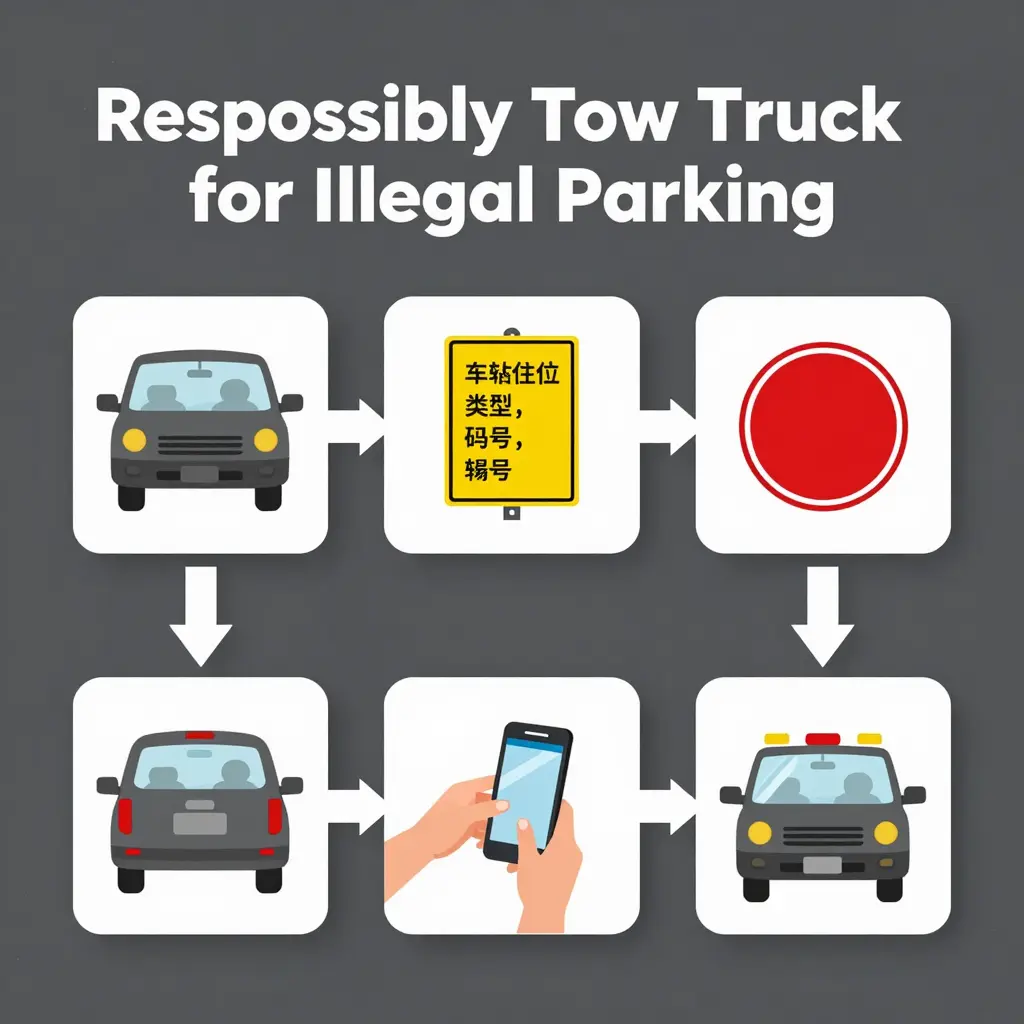
Dealing with Illegal Parking: An Infographic
When it comes to illegal parking, knowing the steps to take can make all the difference. This engaging infographic clearly outlines the process:
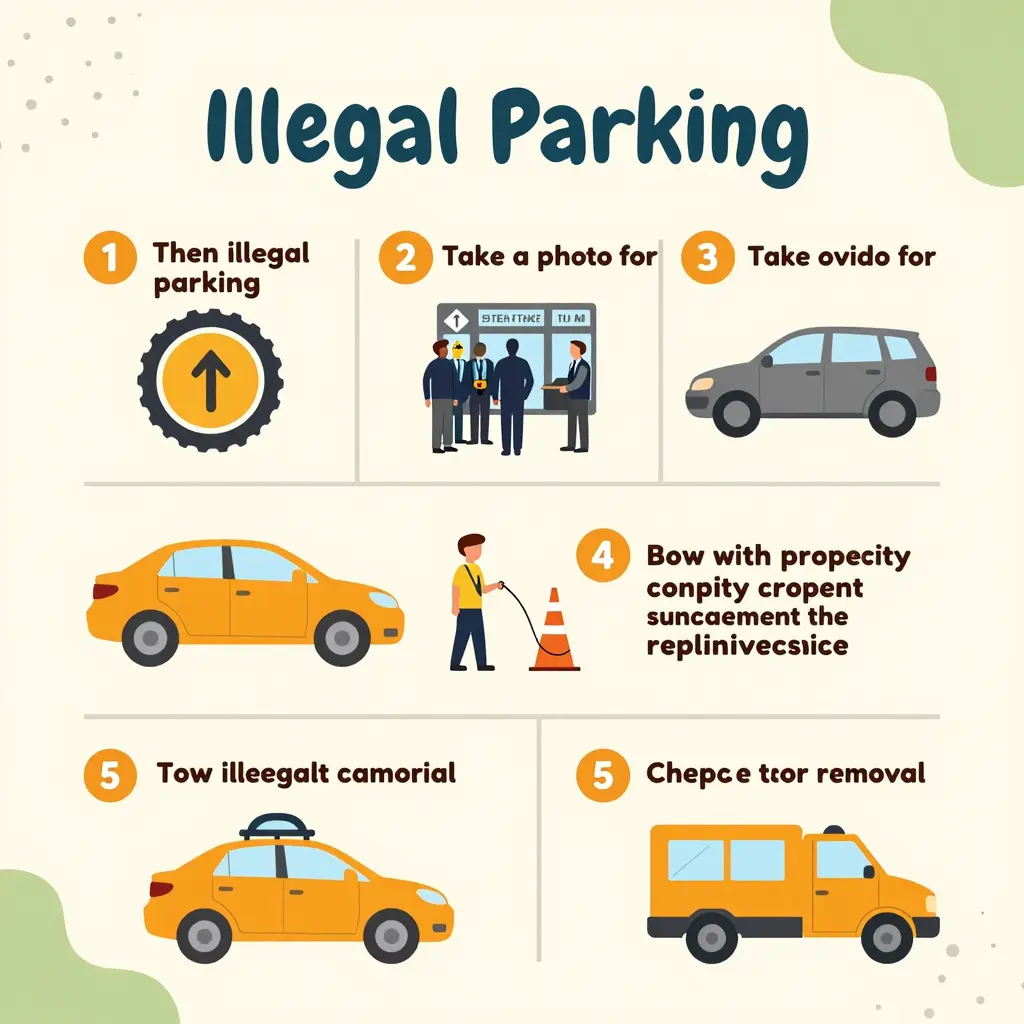
Here’s a brief summary of the steps illustrated:
- Identify the Illegal Parking: Look for clear signs of illegal parking.
- Take a Photo for Evidence: Document the situation with a photo.
- Check Local Laws: Understand your rights and local regulations regarding towing.
- Contact Property Management if Applicable: If you’re dealing with a private lot, notify the management.
- Call a Tow Truck for Removal: If necessary, summon a tow truck to handle the situation.
These simple steps can help ensure that the issue is handled effectively and legally. For more insight into when to call a tow truck, learn more about illegal towing signs.
Feel empowered to take the right action when faced with illegal parking!
Conclusion: Take Action Against Illegal Parking
Illegal parking is not just an inconvenience; it disrupts traffic flow, poses safety risks, and can escalate into significant financial liabilities for vehicle owners. Understanding your rights and responsibilities is crucial in navigating this often-complex landscape. By being proactive and informed, you empower yourself to take appropriate actions against illegal parking in your community.
Key Takeaways:
- Know Your Rights: Familiarize yourself with local regulations concerning illegal parking and towing. Many local laws provide vehicle owners with specific protections and rights. Ignorance can lead to unnecessary fines or conflict. You can read more about understanding the legal aspects of illegal towing in this detailed guide.
- Document Everything: If you encounter an illegally parked vehicle, take photos and gather witness statements if possible. This documentation will be invaluable should any disputes arise.
- Contact Authorities: Don’t hesitate to call local enforcement or a reputable towing service if you observe illegal parking. Incidents of illegal parking have surged, especially in urban areas, increasing the need for drivers to act responsibly. For instance, Christchurch reported a nearly 30% rise in towing incidences since 2021 due to increased illegal parking reports. A timely report can prevent accidents and promote adherence to local parking laws.
- Educate Others: Share your knowledge with fellow drivers in your area. Many vehicle owners are unaware of their rights and the appropriate steps to take if they find themselves in a situation involving illegal parking.
As vehicle owners, it is our collective responsibility to maintain order and safety on the roads. By staying knowledgeable about parking laws, asserting your rights, and taking informed actions when necessary, we can foster a safer driving environment for everyone.
For further reading on illegal parking and towing practices, you can explore resources discussing the implications of illegal parking here. Don’t wait for incidents to happen – become an advocate for responsible parking today! Remember, your proactive approach can drive positive change in your community.
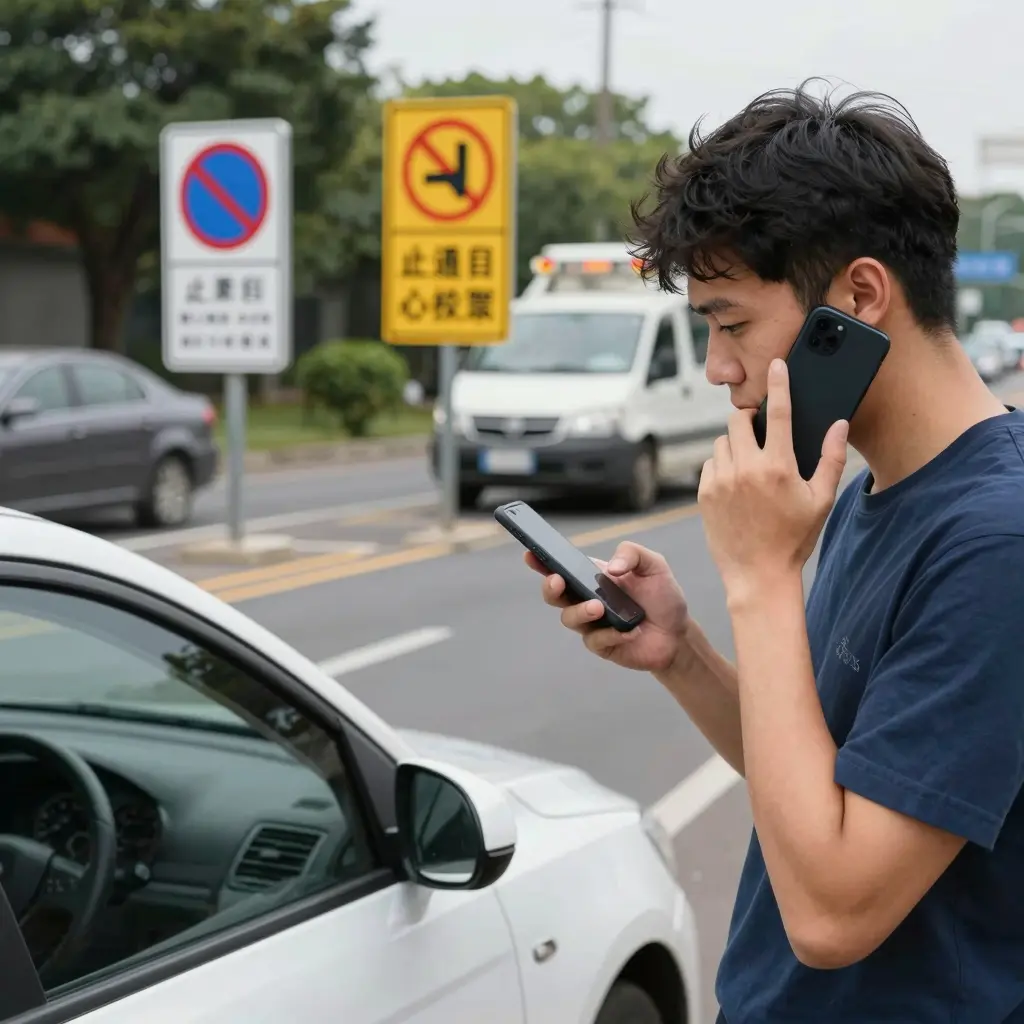
Can You Call a Tow Truck for Illegal Parking?
When it comes to the delicate issue of illegal parking, many drivers often find themselves asking, “Can I really call a tow truck for this?” The law surrounding towing and illegal parking can vary significantly by state and municipality, but generally, you have the right to call a tow truck under certain circumstances.
Understanding Towing Laws
It’s essential to familiarize yourself with local ordinances regarding towing. For instance, Colorado’s Towing Bill of Rights outlines the necessary conditions for towing vehicles from private properties. As stated by legal expert Professor Glaister, “Many tickets can be issued illegally based on problematic business models, emphasizing the importance of understanding your rights as a vehicle owner.” You can read more about this situation in detail in the article by Colorado Public Radio.
What You Should Know
- Private Properties: Towing is generally permitted on private residential properties, provided the property owner has signage indicating that unauthorized vehicles will be towed.
- Signage Matters: Clear, visible signage is key. If a sign is absent or non-compliant with local regulations, that might be grounds for contesting a tow.
- Rights: Owners of towed vehicles have specific rights, including the right to be notified prior to towing in many jurisdictions.
Blockquote from Legal Expert
“Parking in front of dropped kerbs and other such violations provides just grounds for enforcement. It is crucial for local drivers to be aware of these laws and their rights.” – Legal Expert George Penny (source).
Keep in mind that calling a tow truck is not always a straightforward process. It’s vital to understand the regulations that govern towing in your area before taking action.
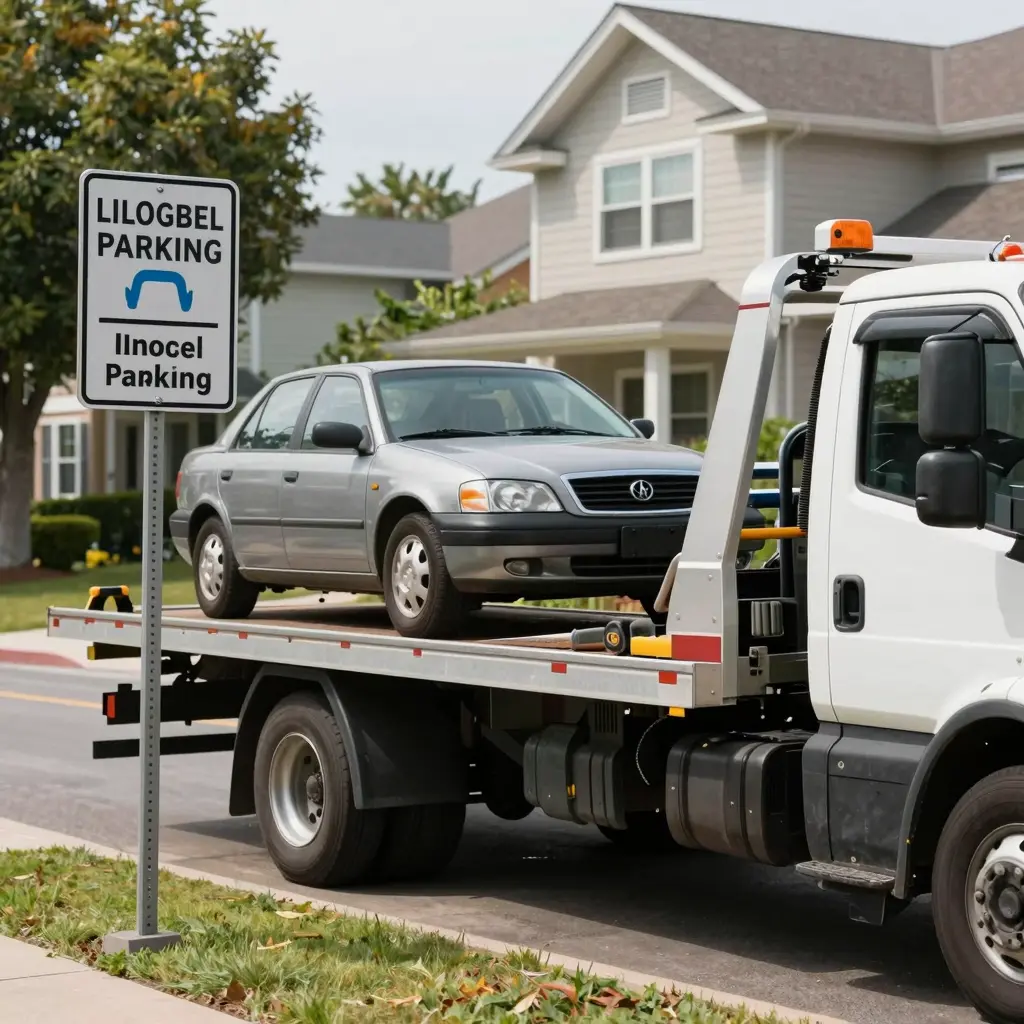
When to Call a Tow Truck
You can generally call a tow truck in these situations:
- Blocking Driveways: If a car is obstructing your access to your driveway.
- Fire Lanes: Vehicles parked in designated fire lanes can typically be towed immediately.
- No Parking Zones: If a vehicle is parked in a clearly marked no-parking area.
It’s best to consult your local laws or property management guidelines for specific regulations surrounding towing practices. For further assistance on spotting illegal parking and the relevant steps to take, learn more here.
Understanding your rights and local towing laws not only empowers you to take action against illegal parking but also ensures you navigate the situation with confidence and legality.
Take the Next Step with Summit Fairings
Parking issues can be a considerable inconvenience, but once you’ve resolved them, why not treat your vehicle to the best in aftermarket fairings? At Summit Fairings, we understand that quality matters. Our products are not just aesthetically pleasing; they are designed to provide superior protection and performance for your motorcycle. Here’s why you should choose Summit Fairings:
- High-Quality Materials: Our fairings are crafted from top-grade ABS plastic, ensuring excellent impact resistance and longevity.
- Custom Options: We offer free custom painting services, allowing you to personalize your fairings to match your unique style.
- Affordable Designs: Despite our high-quality offerings, we provide cost-effective solutions without compromising on quality. Our fairings are compatible with leading motorcycle brands, making them a versatile choice for any rider.
- Positive Customer Feedback: Many satisfied customers rave about our products and services, as highlighted in multiple user reviews. Visit Trustpilot to see what our customers are saying!
After dealing with any parking issues, why not enhance your vehicle’s appearance and performance? Explore our wide range of products at Summit Fairings today. Let us help you ensure that your motorcycle not only looks great but also delivers the performance you expect.
Visit our website to browse our selections and see the difference quality makes! Don’t wait any longer; take the next step and transform your ride with Summit Fairings!