
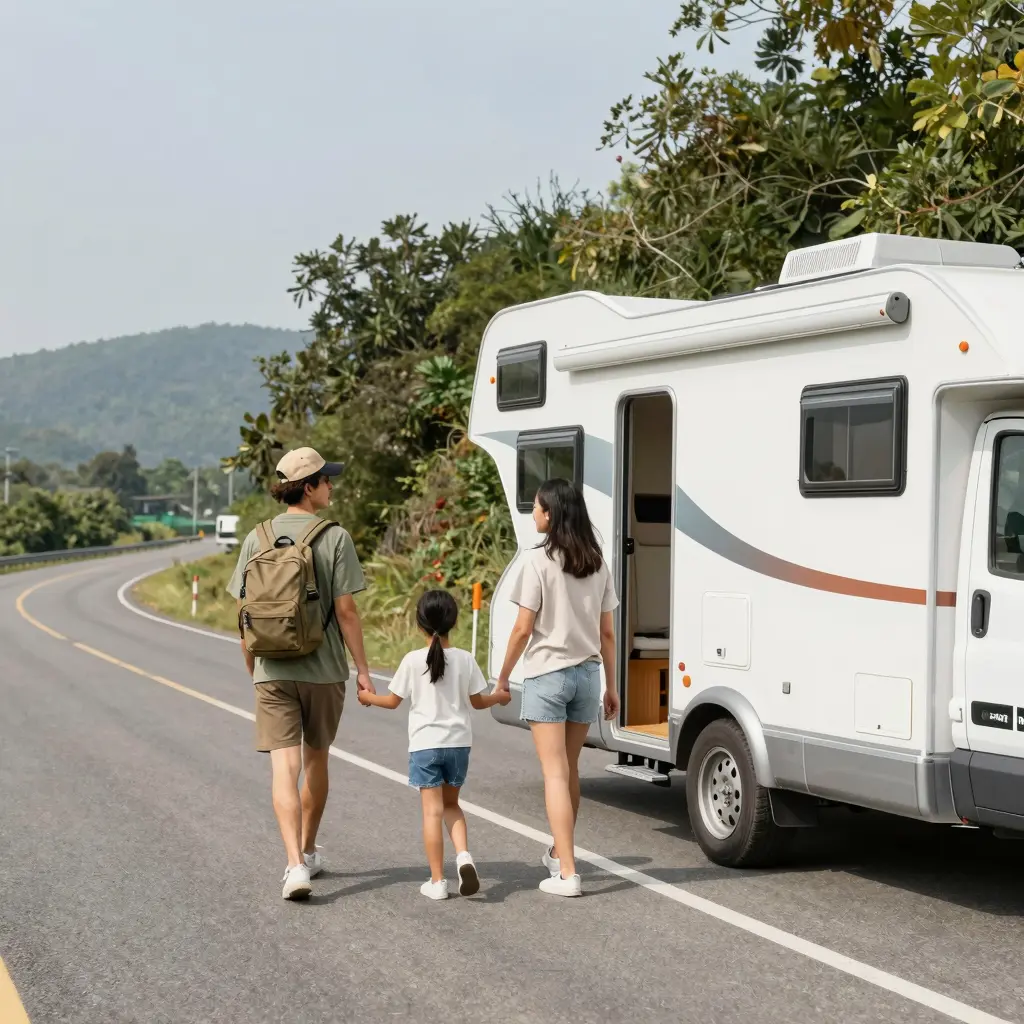
Can You Tow a Camper with a Rental Truck?
Have you ever found yourself daydreaming about hitting the road with a camper in tow, only to pause and wonder, “Can I tow a camper with a rental truck?” This question is not just about the thrill of adventure; it encompasses safety, legality, and practical considerations that can make or break your getaway. Whether you’re a local driver looking for a weekend escape or a property manager organizing an adventure for tenants, understanding the ins and outs of rental trucks and camper towing is crucial.
In this article, we aim to clear up any confusion surrounding the use of rental trucks for towing campers. We’ll explore the specifications of rental trucks, the types of campers they can safely pull, and the guidelines you need to follow to ensure a smooth trip. Additionally, if you have concerns about the legalities or safety standards associated with this process, we’re here to guide you. With the right information, you can confidently launch into your next camping adventure without the stress of towing mishaps. Get ready to discover everything you need to know to make your experience seamless and enjoyable!
Learn more about illegal towing and ensure you’re following the rules of the road while towing your belongings.
Towing Regulations for Rental Trucks
When considering towing a camper with a rental truck, understanding the regulations and weight limits is crucial for safety and compliance. Rental companies typically have specific guidelines that must be followed, and each state may have its own regulations regarding towing. Here’s a detailed look into the towing regulations you need to be aware of:
Weight Limits
- Maximum Towing Capacity: Rental trucks can typically tow camper trailers weighing up to 5,000 pounds, depending on the specific model and its rated capacity. It’s vital to check the truck’s capacity against the weight of the camper you intend to tow. Generally, this information is provided on a sticker located on the driver’s side door or in the owner’s manual.
- Gross Vehicle Weight Rating (GVWR): Make sure that the total weight of the truck and the camper does not exceed the GVWR specified by the manufacturer.
Types of Campers Permissible
- Pop-up Campers: These lightweight trailers are usually authorized for towing by most rental truck companies due to their manageable weight and size.
- Travel Trailers: Many rental trucks can safely tow travel trailers within the specified weight limits, but it’s recommended to check with the rental company before making any arrangements.
- Fifth-Wheel Trailers: Generally, fifth-wheel trailers require specific equipment and may not be allowed unless the rental truck is equipped specifically for that type of towing.
Rental Company Guidelines
- Hitch Requirements: Ensure that your rental truck has the proper hitch installed for the camper type you are towing. Rental companies usually provide this option but confirm it beforehand.
- Brake Controls: It’s often a requirement to have a brake control system in place when towing heavier trailers-this helps in safer braking and driving.
- Insurance Check: Verify whether your insurance policy covers rental trucks and towing liabilities, or if the rental company offers supplementary insurance options.
Additional Considerations
- Local Regulations: Always check local state laws regarding towing, as these can vary significantly. Some states have additional rules concerning how much weight can be towed or specific permits needed for certain types of towing configurations. Consider reviewing this guide on caravan and car towing for more insights.
- Drive Safely: Be mindful of changes in vehicle dynamics when towing; this can affect your braking distance and maneuverability.
Conclusion
By adhering to these regulations and checking your specific rental truck’s capacity and requirements, you can ensure a safe towing experience with your rental truck. For any uncertainties about the legality of towing with specific models or types, you may find this resource on spotting illegal towing useful. Stay informed and drive safely!
FAQs About Towing with Rental Trucks
Renting a truck for towing can be a great option for transporting trailers and campers. However, it’s essential to understand the rules, regulations, and procedures involved. Here’s a helpful FAQ section to guide you:
1. Can I tow a camper with a rental truck?
Yes, you can, but not all rental trucks are suitable for towing. Make sure to check the towing capacity and specifications of the truck you are considering. Companies like Enterprise offer 3/4 ton and 1-ton pickup trucks that are allowed for towing, but additional charges may apply. Learn more about towing guidelines here.
2. Are there any restrictions on towing with rental trucks?
Most standard rental companies, such as Avis, Budget, and Hertz, prohibit towing due to liability concerns. Always confirm with the rental company before proceeding to avoid any charges. You can find more insights in this comprehensive guide.
3. What safety measures should I take when towing?
- Ensure the trailer’s weight does not exceed 80% of the truck’s towing capacity.
- Use a proper hitch compatible with both the truck and the trailer.
- Make sure to secure all cargo effectively.
- Check the truck’s brakes and lights before hitting the road.
4. What is the towing setup needed for a camper?
You’ll require a suitable hitch, safety chains, and possibly a brake controller, depending on the camper’s weight. Make sure the rental truck is equipped accordingly and always comply with local regulations. Explore towing equipment here.
5. Are there additional costs for towing with a rental truck?
Yes, some rental companies charge extra fees for towing. Be sure to clarify any additional costs during the rental process.
6. How can I find out the truck’s towing capacity?
Check the rental agreement or consult the rental company. They should provide you with the necessary information about the tow rating and guidelines for your specific truck model. Refer to Enterprise’s guidelines for more detailed info.
7. What happens if I tow without permission?
Towing without the rental company’s permission could result in hefty fines, penalties, or additional charges. Always seek clarity from the rental service to stay compliant.
These frequently asked questions provide a comprehensive look into towing with rental trucks, ensuring that you are well-informed before starting your journey!
Comparison of Rental Truck Options for Towing
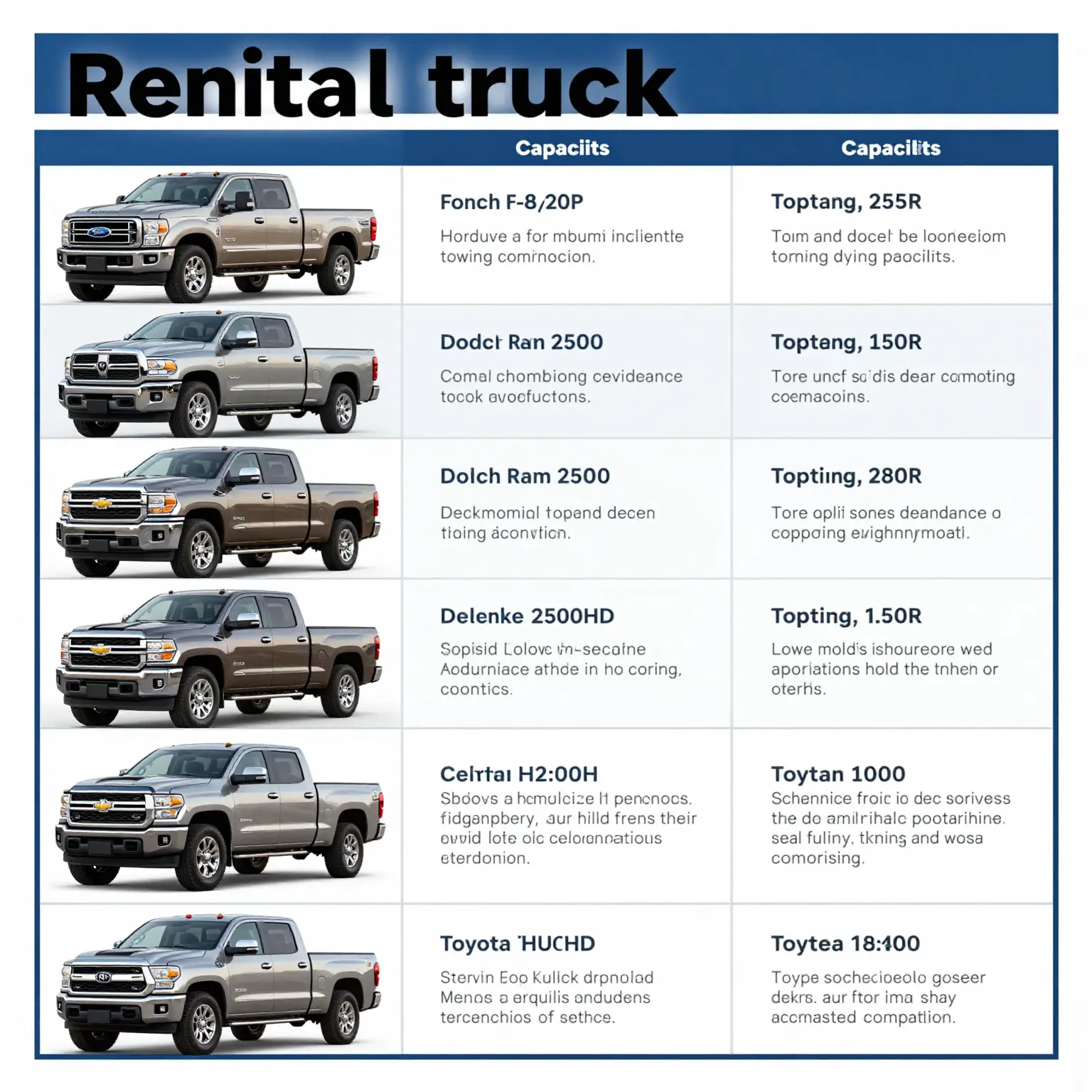
Choosing the right rental truck model for towing can significantly impact your towing experience and capability. Below is a comparison table showcasing popular rental truck options and their towing capacities:
| Truck Model | Towing Capacity | Description |
|---|---|---|
| Ford F-250 Super Duty | Up to 20,000 lbs | Powerful and durable, ideal for heavy towing tasks. |
| Dodge Ram 2500 | 19,680 lbs | Offers comfort and strong towing performance. |
| Chevrolet Silverado 2500HD | Up to 18,500 lbs | Comes with various towing technologies suitable for long hauls. |
| Toyota Tundra | Up to 12,000 lbs | Known for reliability and versatility, suitable for general towing. |
Each truck model offers unique features tailored to different towing needs. Consider your specific requirements before making a selection. For further details, you can learn more about towing safely or explore heavy-duty rental options.
Understanding your options will help you make an informed decision for a hassle-free towing experience.
Towing safety is crucial, especially when using rental trucks. According to Consumer Reports, experts emphasize the importance of secure trailer connections, understanding weight distributions, and adhering to manufacturer guidelines for towing. Moreover, it’s advisable to verify your rental truck’s towing capacity and secure written permission for towing if necessary.
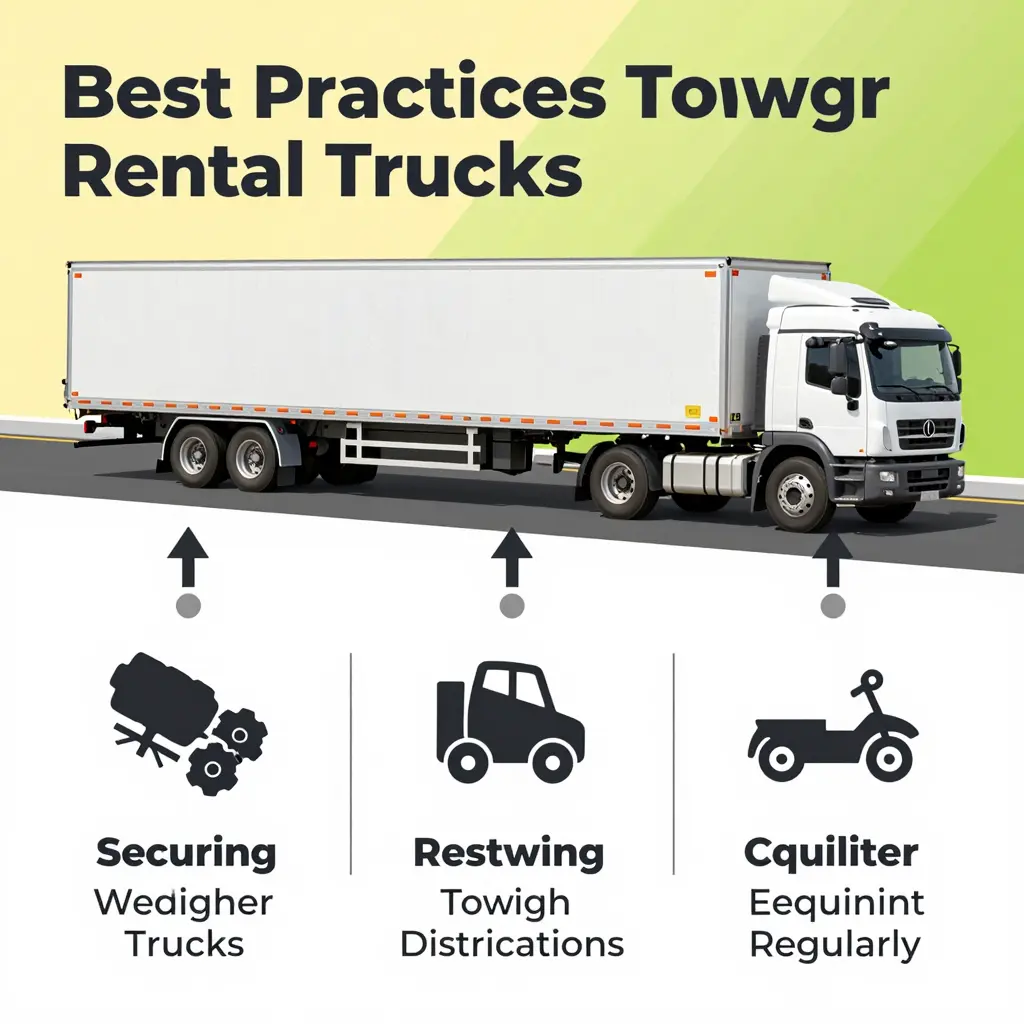
Best Practices for Towing Safely with Rental Trucks:
- Secure connections: Ensure all trailer connections are tightly fastened.
- Understand load limits: Knowing the maximum load can prevent instability while towing.
- Regular equipment checks: Conduct checks to prevent overheating and ensure full control.
For more comprehensive guidelines on towing safety, you can also check out the insights from Southside Hitch.
Safety Tips for Towing with a Rental Truck
Towing a camper with a rental truck can be an exciting adventure, but it comes with unique challenges. Whether you’re a novice or an experienced driver, adhering to safety guidelines is crucial. Here are key safety tips to keep in mind:
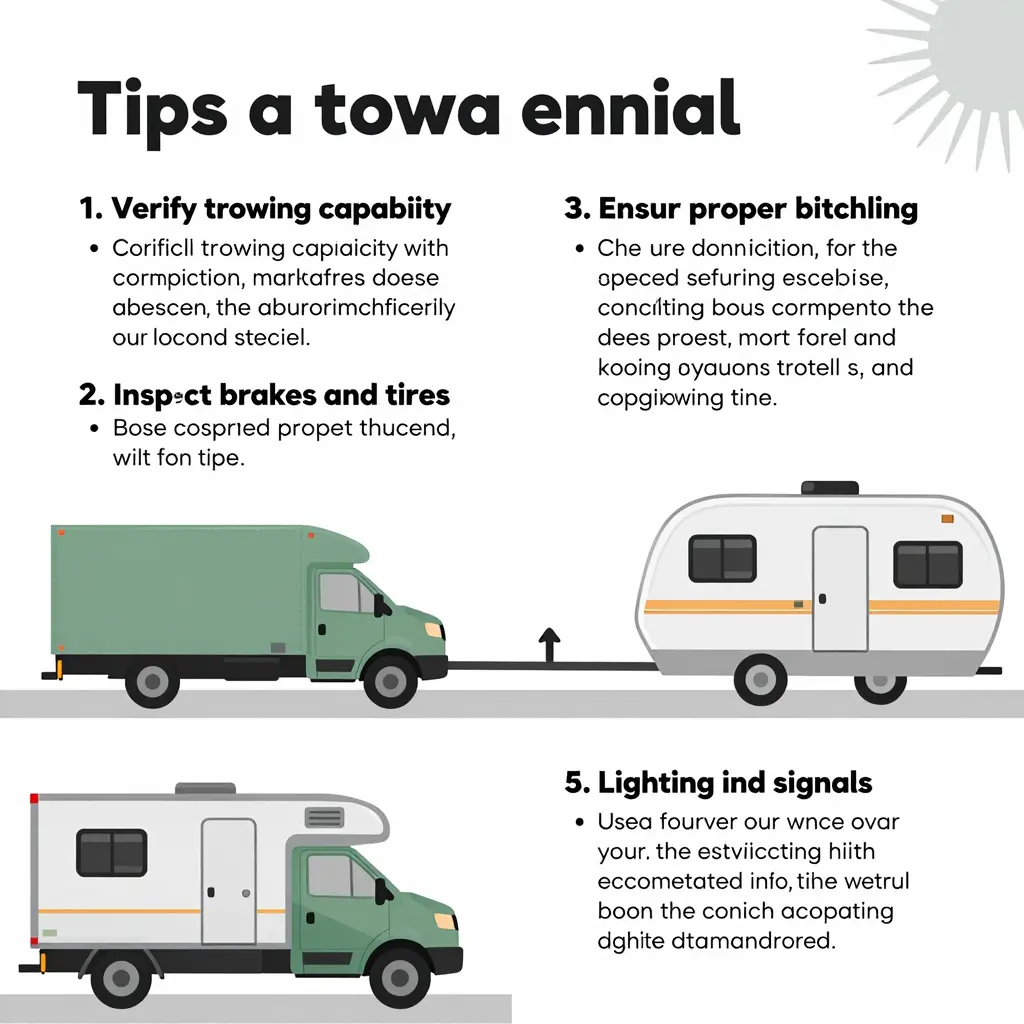
1. Verify Towing Capacity
Before hitting the road, it’s essential to check that the rental truck’s towing capacity matches or exceeds the weight of your camper. Each truck has specific limits, and exceeding them can lead to dangerous situations. Make sure to consult the rental company about the specifications of the truck you will be using.
2. Check the Hitch and Trailer Connection
Improper hitching is a common cause of accidents. Make sure that the hitch is securely connected to both the truck and the trailer. Inspect all safety chains and ensure that they are properly mounted. It’s also wise to learn more about illegal towing signs to stay informed.
3. Inspect Brakes and Tires
Inspecting the brakes and tires of both the truck and camper is vital. Ensure that the tire pressure is at the recommended level, and check for any signs of wear on the brake pads. Faulty brakes can significantly increase the risk of accidents, especially when towing heavy loads.
4. Proper Weight Distribution
Ensure that the weight in the camper is evenly distributed to prevent swaying. A well-balanced load improves handling and braking. Use tools or tips provided by your rental company for guidance on weight distribution. You can discover more about enhancing safety with various vehicles by checking resources on the safest new pickup trucks.
5. Use Proper Lighting and Signals
Before starting your journey, test all lights on your camper. This includes brake lights, turn signals, and running lights. Proper visibility can prevent accidents, especially during the night or in low-light conditions.
6. Drive with Caution
Towing a camper can be different from regular driving. Allow for extra stopping time and be mindful of larger turning radii. Always remain aware of your surroundings and drive at safe speeds, especially in adverse weather.
7. Practice Parking Maneuvers
Finding parking spots becomes more challenging when towing a camper. Practice parking in open spaces and getting accustomed to maneuvering the larger combined vehicle size. This preparation will help avoid mishaps when you need to park at your destination.
Conclusion
Following these safety tips will ensure a safer and more enjoyable experience while towing with a rental truck. Whether you are planning a weekend getaway or a lengthier travel plan, knowledge is key to safe towing.
These precautions are crucial not only for the safety of the driver and passengers but also for other road users. For more detailed guidance on towing practices, especially in challenging situations, consider reading up on unsafe towing insights.
Customer Satisfaction Ratings for Rental Truck Companies
When considering renting a truck for towing services, customer satisfaction plays a crucial role in making the right choice. The bar chart below illustrates the customer satisfaction ratings for several popular rental truck companies.

| Company | Customer Satisfaction Rating |
|---|---|
| U-Haul | 4.1 |
| Penske | 4.5 |
| Budget Truck Rental | 3.9 |
| Home Depot Truck Rental | 4.3 |
| Easy Truck Rental | 5.0 |
These ratings reveal that Easy Truck Rental stands out with a perfect score of 5.0, while Penske closely follows with 4.5. Other companies like Home Depot and U-Haul also have respectable ratings, showcasing customer preferences in the truck rental space. For more insights on how to select a suitable rental truck for your towing needs, learn more about towing services and how to recognize illegal towing practices.
In conclusion, renting a truck to tow a camper is a practical and versatile solution for drivers seeking adventure. It is essential to understand the specific requirements and limitations of the vehicle you choose, including towing capacity and safety features. As highlighted throughout this article, verifying the rental company’s policies on towing is crucial. Be sure to confirm that the truck is equipped with the necessary hitch and is rated for the weight of your camper. Moreover, following safety tips related to load balance and towing practices can enhance your travel experience.
Understanding your individual needs is vital when selecting the appropriate rental truck. Consider factors such as the weight of your camper and the type of terrain you will be navigating. Whether you’re planning a weekend getaway or a longer journey, we encourage drivers to reach out for custom towing solutions that suit their unique requirements. If you’re unsure about the best options available, don’t hesitate to consult professionals who can guide you in making the right choice. For further insights on towing and safety precautions, feel free to learn more about illegal towing practices and ensure that your towing adventures are both safe and enjoyable.
Can You Tow a Camper with a Rental Truck?
When planning an exciting getaway with a camper, you might find yourself asking, “Can I tow a camper with a rental truck?” The answer is yes, but there are several key considerations to keep in mind. Renting a truck specifically designed for towing can make your journey smoother and more enjoyable.
Choosing the Right Truck
- Understand Towing Capacity: Not all rental trucks are created equal. It’s crucial to select a truck that meets the towing capacity required for your camper. For instance, you might choose a model that specifically lists its towing capabilities, such as the Kelley Blue Book’s Towing Capacity Guide which elaborates on determining towing weight limitations.
- Inspect Equipment: Ensure that the rental truck is equipped with the necessary towing features, such as a hitch and safety connections. Many rental agencies offer trucks without installed towing equipment, so confirming this before you rent is essential.
- Safety First: According to various sources like Discovery Centre, conducting a thorough inspection of both your truck and camper will help ensure everything is secure.
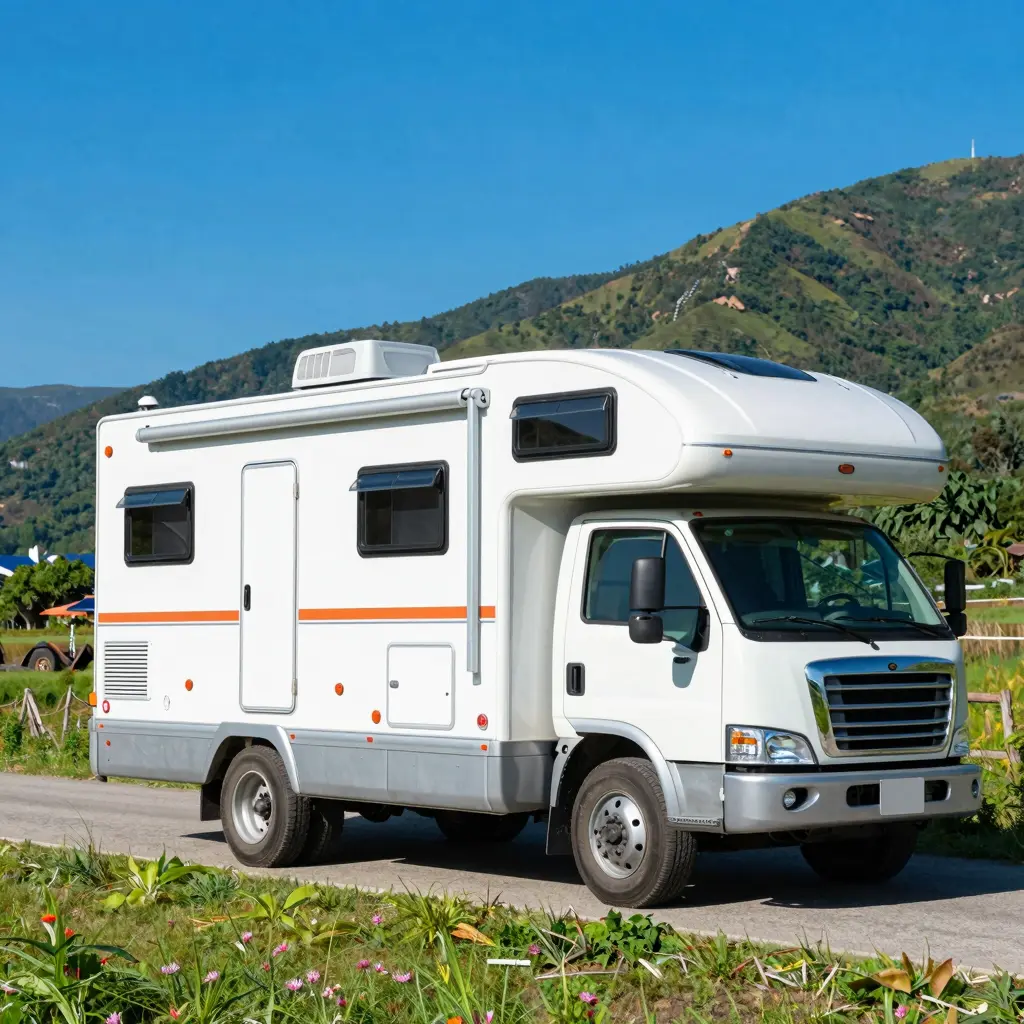
Enhance Your Towing Experience with Summit Fairings
In addition to choosing the right truck, enhancing your towing performance is crucial. Products like Summit Fairings can significantly improve your rental truck’s aerodynamics, boosting fuel efficiency while towing. Their robust accessories are designed from high-quality materials, ensuring durability against various weather conditions.
For avid travelers like you, Summit Fairings provides a range of products that help tailor your vehicle’s performance to meet your towing needs. This makes them an excellent choice for optimizing your ride while on the road, ensuring you travel safely and efficiently towards your destination.
Conclusion
Tow a camper with confidence by selecting the appropriate rental truck and enhancing it with reliable accessories like those offered by Summit Fairings. With the right preparation, your next adventure can be both exciting and hassle-free.
Don’t forget to explore our towing safety tips and prepare for any challenges that may arise during your journey!