
Introduction
Finding yourself stranded on the side of the road can be a deeply frustrating experience-one that no driver wants to face. Perhaps your car won’t start, or maybe an unexpected incident has left your vehicle in need of assistance. In such moments of despair, knowing that there’s a reliable tow truck nearby can be a beacon of hope. Speed is crucial when you need to get back on the road, and the peace of mind that comes from quick, professional service can ease the panic that many of us feel. That’s where the convenience of local towing becomes invaluable. Knowing who to call when you’re in trouble can save not just time, but also stress. With swift responses available at your fingertips, you can regain control over your situation without missing a beat. Dive deeper into how to ensure your vehicle receives the timely help it needs and explore tips to find dependable tow truck services that are just a call away. For those working in auto repair, property management, or overseeing dealerships, understanding local towing resources is essential for seamless operations. Learn more about spotting illegal towing practices to keep yourself and your community safe.
Types of Tow Trucks: A Comprehensive Overview
When it comes to towing, choosing the right type of tow truck can make a significant difference. In this overview, we explore various types of tow trucks and their specialized applications to best serve local drivers’ needs.
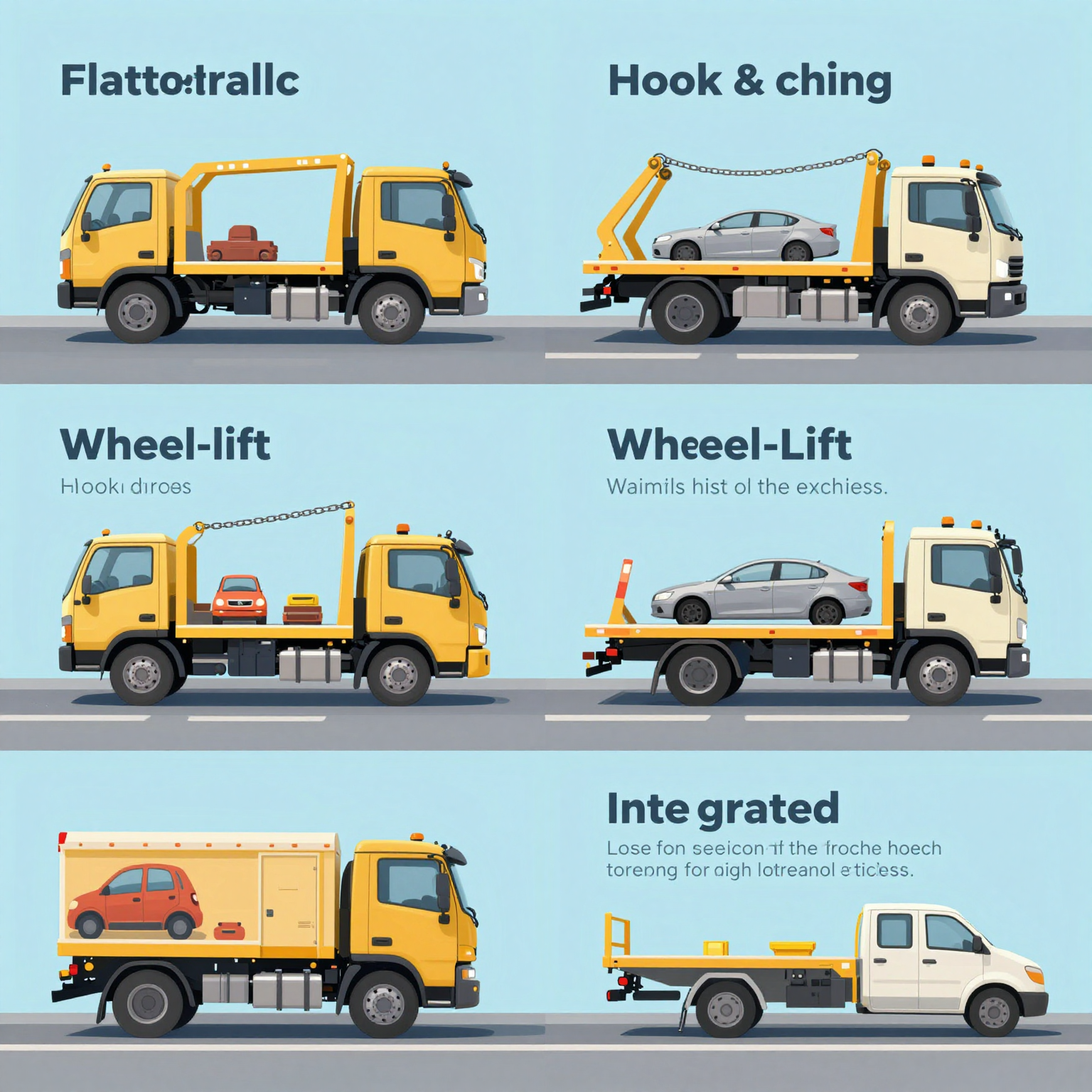
1. Flatbed Tow Trucks
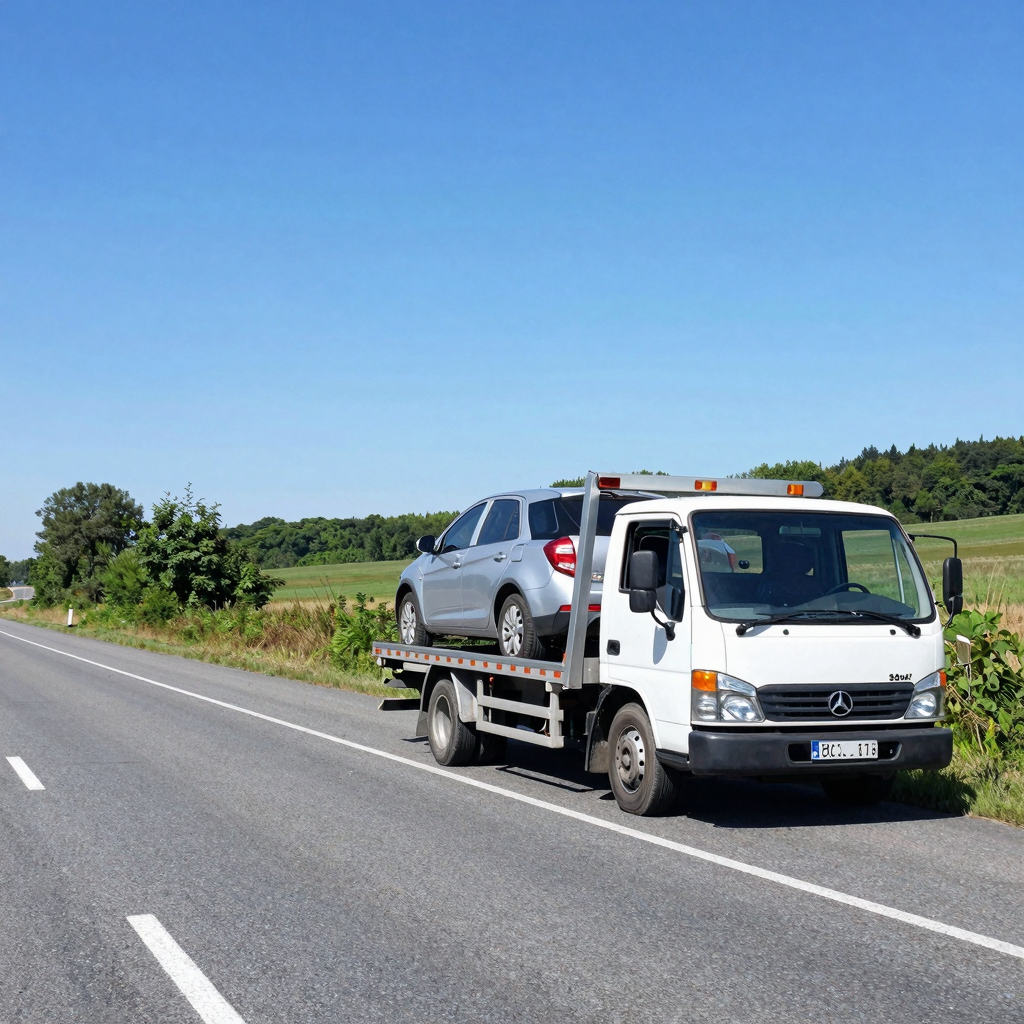
Flatbed tow trucks are among the safest and most versatile towing options available. They feature a flat platform that can be hydraulically lowered to the ground, allowing vehicles to be driven or rolled onto the bed. This type is ideal for:
- Luxury Vehicles: Prevents damage to sensitive drive systems.
- All-Wheel Drive (AWD) and Four-Wheel Drive (4WD) Vehicles: Eliminates the risk of drivetrain damage during transport.
- Accident Recovery: Safely transports damaged vehicles without contact to the ground.
This method is highly preferred for high-value vehicles, ensuring maximum protection throughout transport.
2. Hook and Chain Tow Trucks
The traditional hook-and-chain tow truck is a dependable option, especially for light-duty towing of undamaged vehicles. This method attaches a chain to the vehicle, lifting only the front or rear wheels. However, they are less suitable for modern cars since they can cause damage to bumpers and undercarriages. Ideal scenarios include:
- Classic Cars: Often lighter and less sensitive to chain hooks.
- Storage/Recovery Services: Quickly moving vehicles in non-sensitive areas.
3. Wheel-Lift Tow Trucks
Wheel-lift tow trucks utilize a metal cradle that lifts one or two wheels off the ground. This is an efficient option where space is limited and provides quicker pickup than traditional methods. They excel in:
- Front-Wheel Drive Vehicles: Easily lifts the front wheels without issues.
- Minor Damage Recovery: Suitable for vehicles with limited damage, making them a practical choice for many roadside assistance cases.
Despite their efficiency, care should be taken with automatic transmissions, as improper lifting can lead to mechanical failures.
4. Integrated Tow Trucks
Integrated tow trucks combine the features of both wheel-lift and flatbed types. These trucks feature additional axles and have the capability to tow larger vehicles, making them ideal for:
- Heavy-Duty Towing: Capable of handling large vehicles like buses and trucks.
- Complex Environments: Perfect for maneuvering in tight urban scenarios or during emergencies like overturned vehicles.
Conclusion
Understanding the distinct capabilities of different tow trucks is vital for selecting the suitable option for specific towing needs. Whether you’re facing a roadside emergency or need to transport an expensive vehicle, knowing your options can help you make an informed decision. Learn more about towing and care practices to ensure you’re prepared for any situation.
By choosing the right tow truck, you help safeguard your vehicle and ensure efficient recovery. If you’re in need of a reliable tow truck near you, don’t hesitate to reach out for professional help!
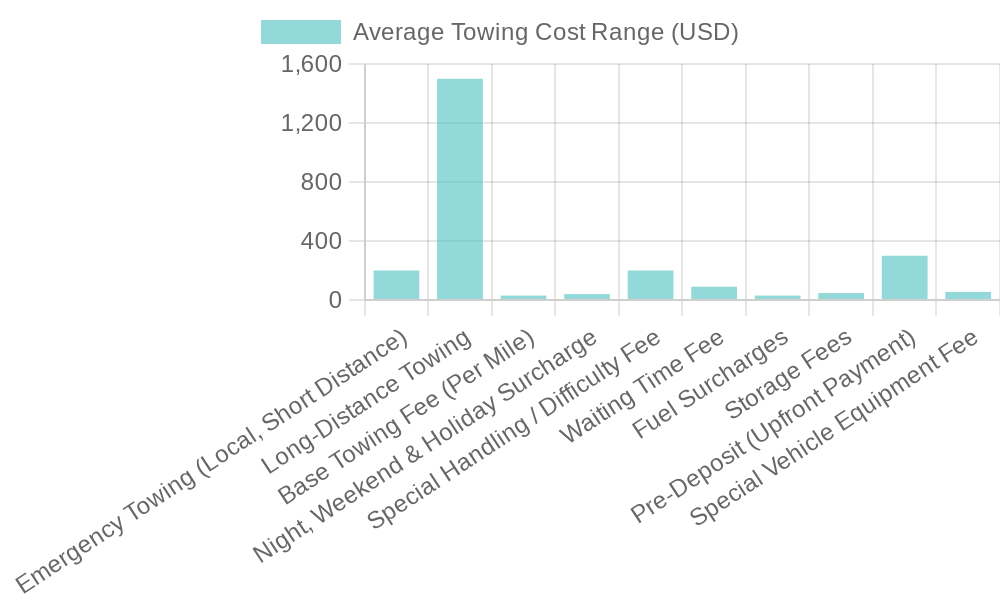
| Category | Description | Average Cost Range | Notes |
|---|---|---|---|
| Emergency Towing (Local, Short Distance) | Towing within city limits or nearby areas (e.g., 5-10 miles) for immediate roadside assistance | $100 – $300 USD | Includes basic hook-up and short-distance transport. Higher in urban centers like Los Angeles or New York. |
| Long-Distance Towing | Transporting vehicle over extended distances (e.g., 100+ miles), including cross-state moves | $500 – $2,500 USD | Costs increase significantly with distance; may include fuel surcharges, storage fees, and overnight stays. |
| Base Towing Fee (Per Mile) | Standard rate charged per mile towed | $25 – $35 USD per mile | Common in flat-rate models; varies by region and provider. Some companies charge up to $40/mile in high-demand areas. |
| Night, Weekend & Holiday Surcharge | Additional fee for services outside regular business hours | +30% – +50% of base rate | Applies to emergencies at night, weekends, or holidays (e.g., midnight breakdown). |
| Special Handling / Difficulty Fee | Extra charge for challenging conditions (narrow streets, steep inclines, dead-end alleys) | $100 – $300 USD | Required for difficult access points or special equipment needs. |
| Waiting Time Fee | Charge for time spent waiting on-site after arrival | $85 – $95 USD per hour | Applied if the tow is delayed beyond 2 hours. |
| Fuel Surcharges | Additional cost due to rising fuel prices | $10 – $50 USD | Typically applied during periods of high fuel costs. |
| Storage Fees | Daily charge for keeping a vehicle at a lot or impound yard | $45 – $50 USD per day | Applies after 24 hours; can accumulate quickly if not retrieved promptly. |
| Pre-Deposit (Upfront Payment) | Upfront payment required to secure service | $300 USD (average) | Often required for long-distance or emergency towing to cover initial costs. |
| Special Vehicle Equipment Fee | Extra charge for handling unique vehicles (e.g., low-clearance cars, convertibles, RVs) | $45 – $65 USD per day | May be needed for specialized lift systems or chassis support. |
Sources:
For more detailed information and insights on towing services, check here and learn more about emergency responses in towing.
When it comes to finding reliable tow truck services, customer reviews can be invaluable. Recently gathered insights reveal common themes in both praises and complaints about various local tow truck providers. Here’s a summary of the feedback based on reviews across multiple platforms.
Common Praises
-
Quick Response Times:
- Many customers praise the fast response rates, with reports indicating an average wait time of around 28 minutes. In a comprehensive survey by Consumer Reports, top-rated services like Allstate Towing and AAA Roadside Assistance reported satisfaction rates of 94% and 93%, respectively, due in part to their prompt arrival. This is critical for drivers who find themselves stranded.
-
Professional Staff:
- Reviewers often commend the courteous and professional demeanor of tow truck operators. An analysis from Trustpilot noted that 78% of reviewers experienced quick arrival times, with drivers being friendly and communicative throughout the towing process.
-
Transparent Pricing:
- Clear communication regarding pricing is frequently highlighted. Customers appreciate services that provide upfront estimates with no hidden fees. This transparency helps in building trust, especially among those who may have had negative experiences in the past with unexpected charges.
Common Complaints
-
Pricing Discrepancies:
- While many services are praised for their transparent pricing, there are noticeable complaints regarding discrepancies between initial quotes and final charges. Some reviews indicate charges exceeding estimates by as much as 30-50%, particularly for non-member customers without insurance referrals. This leads to frustration and dissatisfaction as customers feel misled.
-
Customer Service Issues:
- A significant number of negative reviews focus on difficulties in reaching customer service post-tow. Customers express concerns about being unable to resolve issues or seek clarifications on charges, which can exacerbate feelings of helplessness during a stressful event.
-
Regional Variability:
- Reviews also reflect that customer satisfaction varies widely by region. In a report by the National Auto Repair Association, independent local operators scored slightly lower satisfaction ratings than those affiliated with major insurance providers or national chains, highlighting the importance of reputation in ensuring quality service.
Final Thoughts
Choosing a tow truck service can be daunting, especially in moments of distress. However, knowing what to look for based on customer feedback can significantly enhance your decision-making process. When seeking a service, consider those with strong reviews regarding timely arrival, professional handling, and clear pricing structures. For tips on navigating the complexities of towing, check out our guide on standardization in heavy-duty rescue operations to help you stay informed.
In conclusion, while there are standout services in the industry, understanding common issues can lead to better experiences for drivers in need. Prioritizing companies with strong customer service and transparent practices can provide peace of mind on the road.
The Importance of Reliable Towing Services
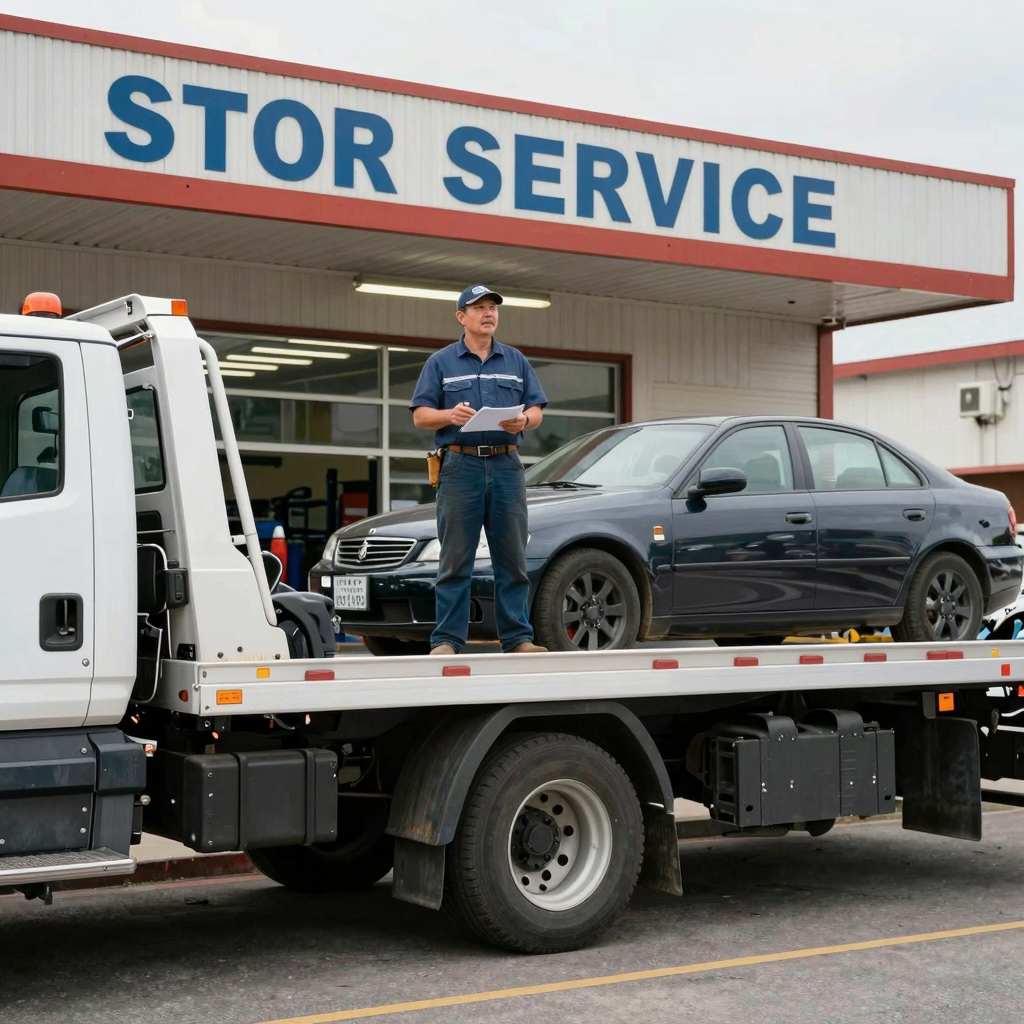
A local auto shop owner, John Doe from Santa Maria Auto Repair, emphasizes the critical role that towing services play in maintaining smooth operations. He states:
“Reliable towing services are a lifeline to our business. When our customers face unexpected vehicle breakdowns, having a trustworthy towing partner not only helps them get back on the road but also strengthens our relationship with them. It’s about ensuring peace of mind and safety for everyone involved.”
This sentiment resonates deeply within the community, highlighting how towing services are essential not just for personal convenience but also for maintaining strong customer relationships.
For more insights into safe towing practices and their impact on local businesses, check this guide on unsafe towing practices.
Towing Policies: Best Practices for Property Managers and HOA Administrators
Managing a property effectively includes ensuring that towing policies are implemented fairly and legally. Whether you are a property manager or an HOA administrator, it is crucial to establish clear, transparent, and enforceable towing policies to maintain order in your community. Here are some best practices and legal considerations that can guide you in creating or improving your towing policy.
1. Establish Clear Policies and Procedures
A clear towing policy is the backbone of effective vehicle management. Key components should include:
- Written Policies: Develop a comprehensive written towing policy that outlines under what circumstances vehicles may be towed. Include this policy in lease agreements or community rules, ensuring that all residents are aware of it.
- Signage: Post clear signage in strategic locations throughout the property, indicating no-parking zones and potential towing consequences. The signs should comply with local laws, displaying tow company information and enforcement hours. According to Apartment List, proper signage placement is critical.
2. Communicate Effectively
Engaging with residents about towing policies isn’t just about enforcing rules; it’s about maintaining relationships. Ensure communication strategies include:
- Advance Notice: Inform residents of any changes to the towing policy well in advance. This could be through newsletters, targeted emails, or community meetings. Give residents an opportunity to ask questions about the policies.
- Appeals Process: Establish a clear appeals process for residents whose vehicles are towed. This transparency builds trust and helps mitigate feelings of resentment.
3. Legal Considerations
Understanding the legal landscape is essential. Ensure your towing policies comply with local laws and regulations, which can vary significantly. Some key legal aspects to consider include:
- Compliance with Local Ordinances: Review local statutes regarding towing to avoid potential liabilities. Many states require specific notice periods, like California’s requirement for a 72-hour notice before towing (as noted by the American Bar Association).
- Prohibition Against Towing for Minor Infractions: Avoid towing vehicles for minor parking violations, such as expired permits, unless expressly allowed by state law. This helps protect against claims of unreasonable seizure, as highlighted in the National Apartment Association.
4. Consistent Enforcement
Uniform application of your towing policy is crucial. Maintain detailed records of all towing incidents, noting the reasons and any communications with residents. Consistency not only reduces conflicts but also protects your property from legal repercussions. The National Association of Homeowners Associations emphasizes that clear documentation helps defend against claims of wrongful towing.
5. Partner with Reputable Towing Services
Selecting a trusted, licensed towing company is essential. Ensure the service provider is not only reputable but is also familiar with the regulations that govern towing within your jurisdiction. The right partner can assist in managing towing effectively while minimizing disputes.
Conclusion
Creating a fair towing policy requires a balance of legal compliance, clear communication, and consistent enforcement. By actively engaging with residents and implementing these best practices, property managers and HOA administrators can maintain harmony while efficiently managing parking within their communities.
Engaging local stakeholders and ensuring transparency in your towing policies will help create a respectful environment where residents feel heard and valued.
For further insights on recognizing illegal towing practices, click here.
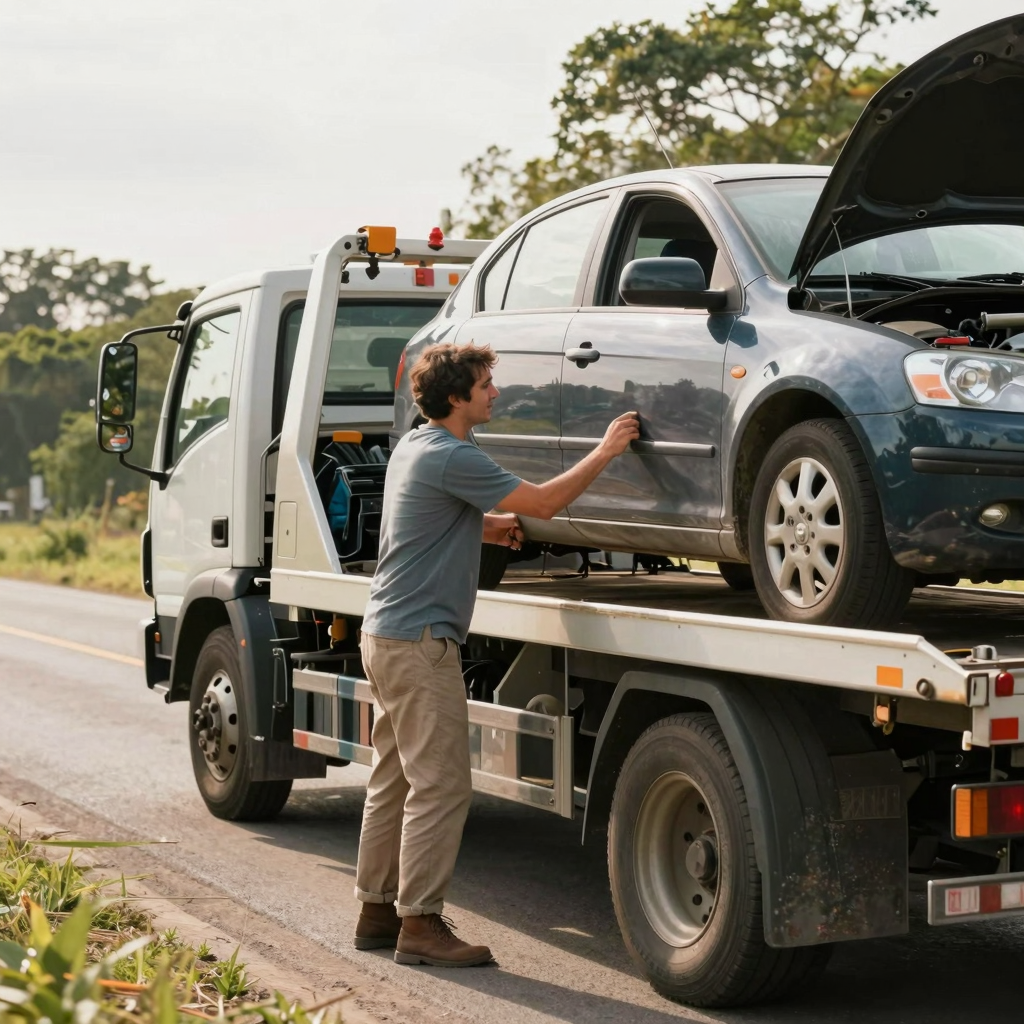
Proactive Tips for Drivers to Avoid Needing a Tow
Keeping your vehicle in top shape is crucial to avoid unexpected breakdowns and the need for a tow. Here are several proactive tips for regular maintenance and road trip preparation.
Regular Vehicle Maintenance
- Oil Changes: Change your engine oil and filter every 3,000 to 7,500 miles depending on your vehicle and oil type. Regular oil changes help maintain engine performance (source: AAA).
- Fluid Checks: Inspect all fluid levels, including engine oil, brake fluid, coolant, and windshield washer fluid, at least once a month. Keeping these fluids topped off ensures your vehicle runs smoothly (source: Edmunds).
- Tire Care: Check tire pressure monthly and rotate your tires every 5,000 to 8,000 miles. Ensure that your tires have sufficient tread depth and inspect them for any wear or damage (source: Car and Driver).
- Brake Inspection: Regularly inspect your brake pads – at least every 10,000 miles or as part of your routine maintenance. Listen for any unusual sounds while braking.
- Battery Health: Test your vehicle’s battery at least once a year, and look out for any signs of corrosion or wear.
- Wiper Blades: Ensure your windshield wipers are in good condition. Replacing them before they fail can improve visibility during inclement weather (source: Consumer Reports).
Preparing for Road Trips
- Pre-trip Inspection: Conduct a thorough inspection before long trips. Check your lights, windshield wipers, and all fluid levels to ensure everything is operational (source: AAA Travel).
- Emergency Kit: Prepare a roadside emergency kit that includes a spare tire, jack, first aid kit, flashlight, multi-tool, and a portable jump starter to handle minor issues that may arise (source: Consumer Reports).
- Know Your Route: Familiarize yourself with your travel route and have offline maps available on your mobile device for areas with limited cell service.
- Breaks and Rest: Plan to take breaks every couple of hours or every 200 miles to prevent fatigue; this is essential for long-distance driving safety (source: NIOSH).
By following these proactive maintenance tips and preparing adequately for road trips, drivers can significantly reduce the likelihood of breakdowns and avoid the need for a tow. Stay safe and enjoy the road!
Conclusion: The Importance of a Reliable Tow Service
In today’s fast-paced world, having a reliable tow service is not just a luxury but a necessity. Emergencies can strike at any moment, whether you experience a breakdown, get stuck in mud, or find yourself in an accident. A dependable towing service ensures that you receive prompt assistance, minimizing potential risks and ensuring your safety. As highlighted in various resources, the right towing provider can significantly reduce traffic disruptions and enhance the overall road safety experience (learn more about recognizing illegal towing practices).
Summit Fairings is an excellent option for those looking to upgrade their ride and ensure it meets all safety standards. Their services not only enhance the performance of your vehicle but also contribute to your peace of mind on the road. Don’t wait for an emergency to realize the critical role a reliable towing service plays in your life. Take action today-consider exploring the best towing options available and get prepared for any unexpected circumstances.
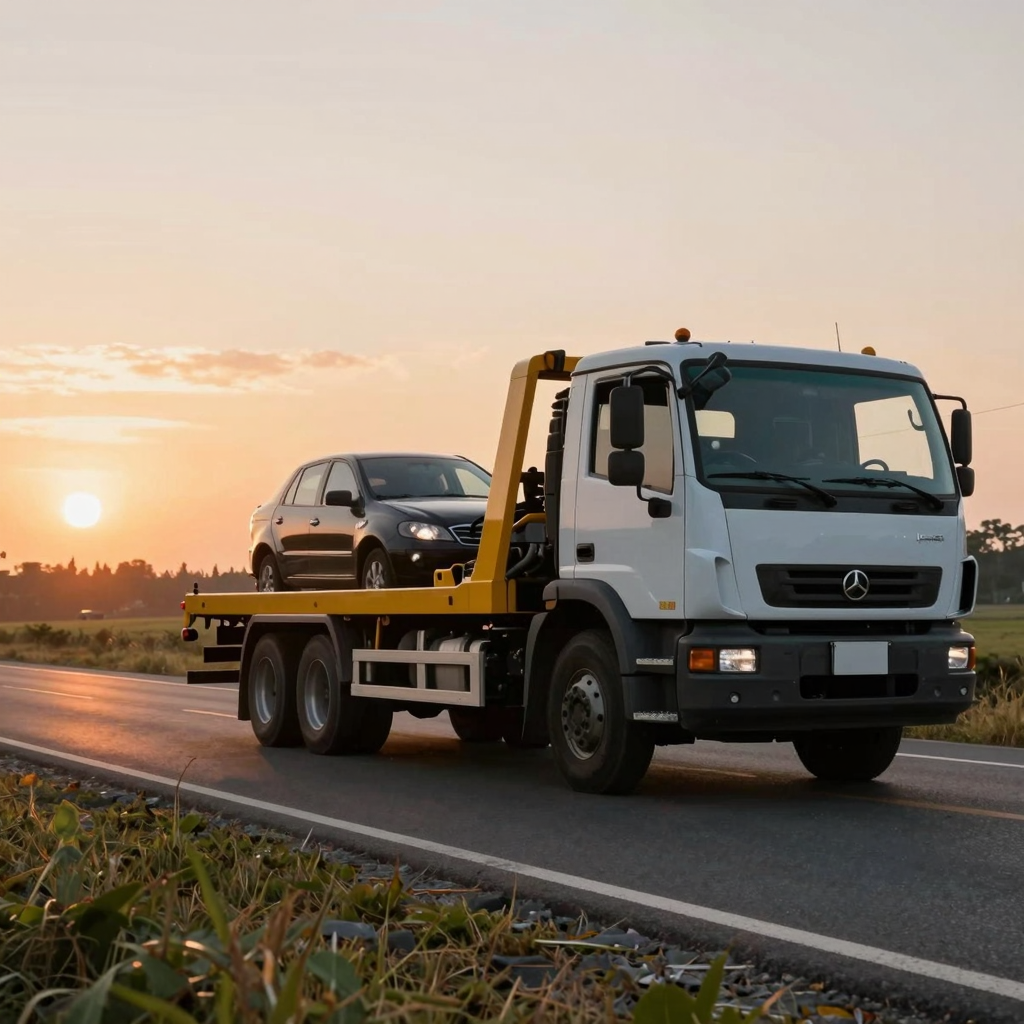
Your safety and that of others on the road depend on prompt response and effective solutions should an emergency arise. Stay informed, stay prepared, and drive safely!
Understanding Average Response Times of Local Towing Services
The table below presents the average response times of local towing services, which are crucial for drivers in need of urgent assistance. Based on recent customer feedback and service data, here are the average response times:
| Category | Average Response Time (minutes) |
|---|---|
| Urban Areas | 23 |
| Suburban Areas | 28 |
| Rural Areas | 38 |
| High Traffic Times Average Response | 42 |
| Overall Average Response | 26 |
The data reflects the variations in response times depending on the area’s traffic conditions. Notably, urban areas have the quickest response times at an average of 23 minutes, whereas rural areas can see that time stretch to 38 minutes. Additionally, during high traffic times, responses can average around 42 minutes, indicating the impact of peak hours on service efficiency.
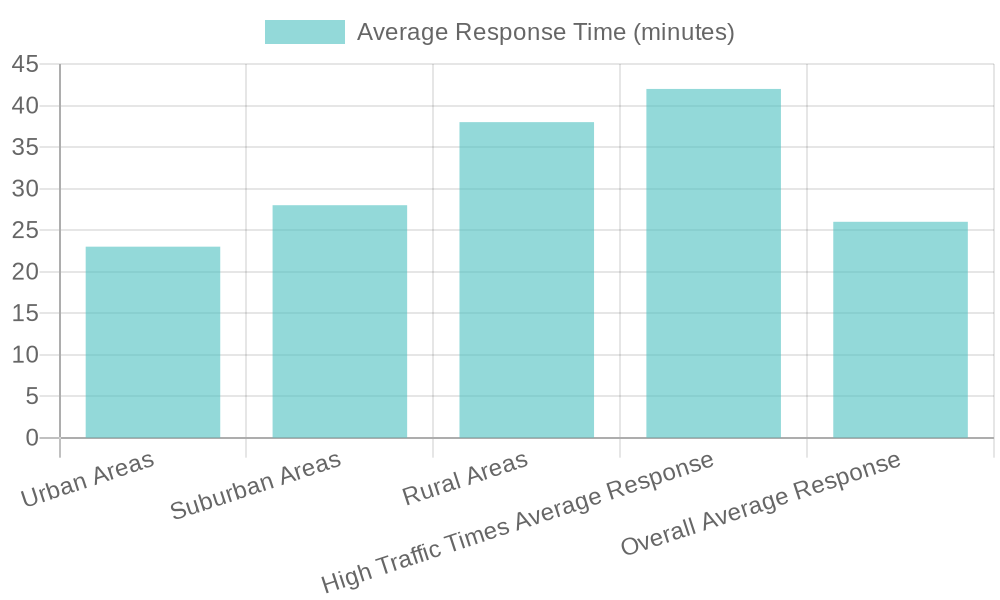
Understanding these times can help you make informed decisions when you require towing services. For more insights on ensuring safety on the roads and managing emergencies, learn more about responding to roadside emergencies.
If you’re interested in how local towing services optimize their strategies during peak times, check out our article on fleet emergency response planning.
By being informed about average response times, you can not only track service effectiveness but also learn what to expect when you need help on the road.