
When it comes to navigating the roads around Santa Maria, understanding your truck’s towing capacity is crucial. Whether you’re a local driver hauling a trailer or a property manager in charge of maintaining equipment, knowing “what will my truck tow” can make all the difference. This capability affects not only your day-to-day activities but also safety on the road and efficiency in your tasks. Imagine needing to transport heavy materials for a project, only to realize your truck can’t handle the load. That scenario can lead to delays and unexpected expenses. Having a clear understanding of the towing capacity of your vehicle empowers you to make informed decisions about equipment and loads. Additionally, it helps prevent accidents resulting from overloading. In this guide, we’ll explore everything you need to know about towing capacity, helping you maximize your vehicle’s potential while ensuring safety on every journey. For more insights into maintaining safe towing practices, check out the signs of illegal towing.
Stay tuned as we dive deeper into the specifics of towing capacities and tips for truck owners.
Understanding Your Truck’s Towing Capacity: What You Need to Know
When it comes to maximizing the capability of your truck, understanding its towing capacity is crucial. In this section, we will delve into the key specifications that define your truck’s towing limits, helping you make informed decisions for your towing needs. Whether you’re hauling a trailer, boat, or equipment, knowing your truck specs will empower you to tow confidently and safely. Join us as we explore vital insights and tips to enhance your towing experience, ensuring you stay informed and prepared on the road.
Factors Affecting Truck Towing Capacity
When determining how much your truck can tow, several key factors come into play:
-
Engine Size: The engine’s horsepower and torque are critical. A larger engine typically produces more power, enabling the vehicle to handle heavier loads while maintaining performance.
-
Transmission Type: Automatic transmissions often provide smoother operation under load, while manual transmissions can offer better control. The gear ratios in the transmission also directly impact towing capacity.
-
Axle Ratio: This ratio affects how much torque is delivered to the wheels. A lower axle ratio means better towing capacity because the engine can run more efficiently under load.
-
Suspension System: A robust suspension can better support heavy loads, maintaining vehicle stability and ensuring safety while towing.
-
Braking System: Adequate brakes are vital when towing. They must be able to handle the additional weight and ensure shorter stopping distances.
Understanding these factors can help you make informed decisions about your towing needs. For more on safe towing practices, you can learn about unsafe towing.
Common Towing Mistakes and How to Avoid Them
Towing can be a straightforward task, but it’s all too easy to make mistakes that can lead to dangerous situations. Whether you’re new to towing or have done it a few times, awareness of common pitfalls is vital. Here are the mistakes many drivers make, coupled with actionable insights to enhance your towing safety:
1. Overloading the Trailer
One of the biggest mistakes is exceeding the trailer’s weight limit. Always check the Gross Vehicle Weight Rating (GVWR) and ensure that your load does not exceed these specifications. A well-balanced load enhances stability and control while driving.
2. Ignoring Weight Distribution
Improper weight distribution can lead to swaying and control issues. Make sure the weight is evenly distributed across the trailer axles. If you’re uncertain, consider using a weight distribution hitch for better balance.
3. Neglecting Pre-Tow Inspections
Before hitting the road, perform a thorough inspection of your towing equipment. Check tire pressure, ensure the hitch is correctly secured, and verify that all lights and brakes are operational. Learn more about pre-trip inspections for safe towing operations.
4. Failure to Adjust Mirrors
Many drivers overlook adjusting mirrors for optimal visibility of the trailer, which can lead to blind spots. Always ensure that your mirrors provide a clear view of the trailer sides to avoid unexpected hazards while changing lanes or reversing.
5. Driving Too Fast
Speeding with a trailer is a recipe for disaster. Take it slow, especially around curves and when braking. Remember that the extra weight requires longer stopping distances.
6. Inadequate Training
If you occasionally tow, consider taking a towing safety course. Familiarizing yourself with various towing techniques can enhance your confidence and performance. Proper training helps mitigate the risks associated with towing.
Avoiding these common mistakes can significantly enhance your towing safety. Remember, safety should always be your top priority when on the road!
Truck Models Towing Capacity Comparison
Choosing the right truck for towing can be challenging with many models boasting impressive capabilities. Here is a comparison of various truck models, their towing capacities, and relevant features:
| Model | Fuel Type | Engine Power (HP) | Torque (lb-ft) | Maximum Towing Capacity (lbs) | Payload Capacity (lbs) | Drive Type | Transmission | Weight Capacity (tons) | Year |
|---|---|---|---|---|---|---|---|---|---|
| 2026 Chevrolet Silverado 1500 | Gasoline/Diesel | 310-420 | 383-460 | Up to 13,300 | Up to 2,260 | 4×2 / 4×4 | 8-speed / 10-speed Automatic | 2.26 | 2026 |
| 2026 Chevrolet Colorado | Gasoline | 310 | 430 | 7,700 | 1,684 | 4×2 / 4×4 | 8-speed Automatic | 1.68 | 2026 |
| 6X2 Tractor Beiqi | Diesel | 336 | 1,300 | Not specified | Not specified | 6×2 | Manual (12-speed) | 25 | 2026 |
| 6X2 Tractor LongCard | Diesel | 310 | 1,180 | Not specified | Not specified | 6×2 | Manual (9-speed) | ~22.935 | 2026 |
| Heavy-duty Tractor | Diesel | 340 | Not specified | Not specified | Not specified | 6×2 | Manual | ~22.805 | 2026 |
For more information on understanding towing capacities and other relevant features, you can learn more about illegal towing signs and emergency response fleets.
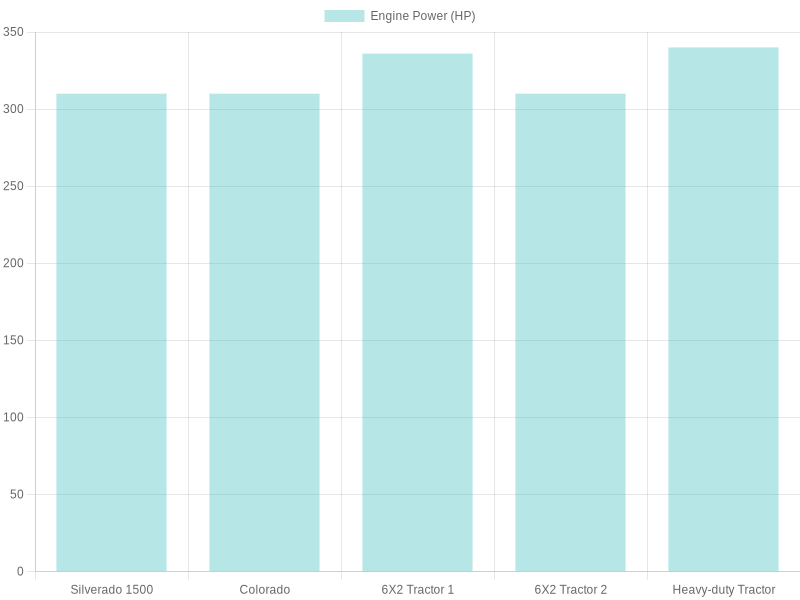
Vehicle Engine Power Comparison Chart
This chart visually represents the engine power across different truck models, emphasizing the maximum towing capabilities.
When it comes to towing regulations, property managers and HOA administrators must consider a variety of legal obligations that govern how towing must be conducted within their communities. It’s critical for property managers to ensure that towing companies are properly licensed and comply with local, state, and federal laws. According to guidelines from the Department of Motor Vehicles, towing should only occur under clear circumstances, such as violations of community rules that must be explicitly stated and communicated to residents. This means that prior to towing a vehicle, a formal warning must be issued. Additionally, the costs associated with towing should be reasonable and transparently communicated to vehicle owners. Failing to adhere to these guidelines can expose HOAs and property managers to significant legal risks, including lawsuits and claims of unlawful towing. Therefore, it’s essential that all towing procedures conform to the standards set forth by both state law and the community’s governing documents to protect the interests of all parties involved, ensuring a fair and lawful towing process.
Understanding Truck Towing Capacities: Insights from Recent Data
When it comes to towing, knowing your truck’s capacity is crucial for safety and efficiency. Recent statistics reveal a significant upward trend in truck towing capacities across various categories.
Recent Trends in Towing Capacities
According to a Logistics Equipment Industry report, the towing capacity of trucks has expanded considerably over the years. Light-duty truck capacities have increased from an average of 3,000 lbs in 2015 to about 4,600 lbs in 2023, reflecting technological advancements and enhanced materials used in vehicle construction.
- Light-Duty Trucks: Average capacities have increased consistently yearly, from 3,000 lbs in 2015 to 4,600 lbs in 2023.
- Heavy-Duty Trucks: Typically range from 30,000 lbs to over 120,000 lbs, with some models capable of towing exceptional weights, such as the Volvo FH16 reaching 912,000 lbs for specialized applications.
Statistics Overview
In 2023, the market also saw a booming demand for trucks, significantly influenced by a rebound in the logistics industry and investment in infrastructure. Notably:
| Category | Sales Volume (2023) | Year-on-Year Growth (%) |
|---|---|---|
| Total Trucks | 352.13 million units | +21.73% |
| Heavy-Duty Trucks | 91.1 million units | +35.59% |
| Electric Trucks | 328,247 units | +61% |
| Fuel Cell Trucks | 4,872 units | +129% |
| Global Truck Sales | ~5.26 million units | +1% |
As observed, the demand for electric trucks has surged, highlighting a shift towards greener technologies in the towing and transportation sector.
Conclusion
As towing capacities continue to rise, it’s essential for drivers and fleet operators to stay informed about their trucks’ capabilities. This knowledge not only ensures compliance with safety regulations but also optimizes performance on the road. For further details on how to tow safely and effectively, check out our article on unsafe towing practices. Additionally, understanding the development trends in truck technologies can equip operators with better tools for efficiency and safety.

Average Towing Capacity of Light-Duty Trucks (2015-2023)
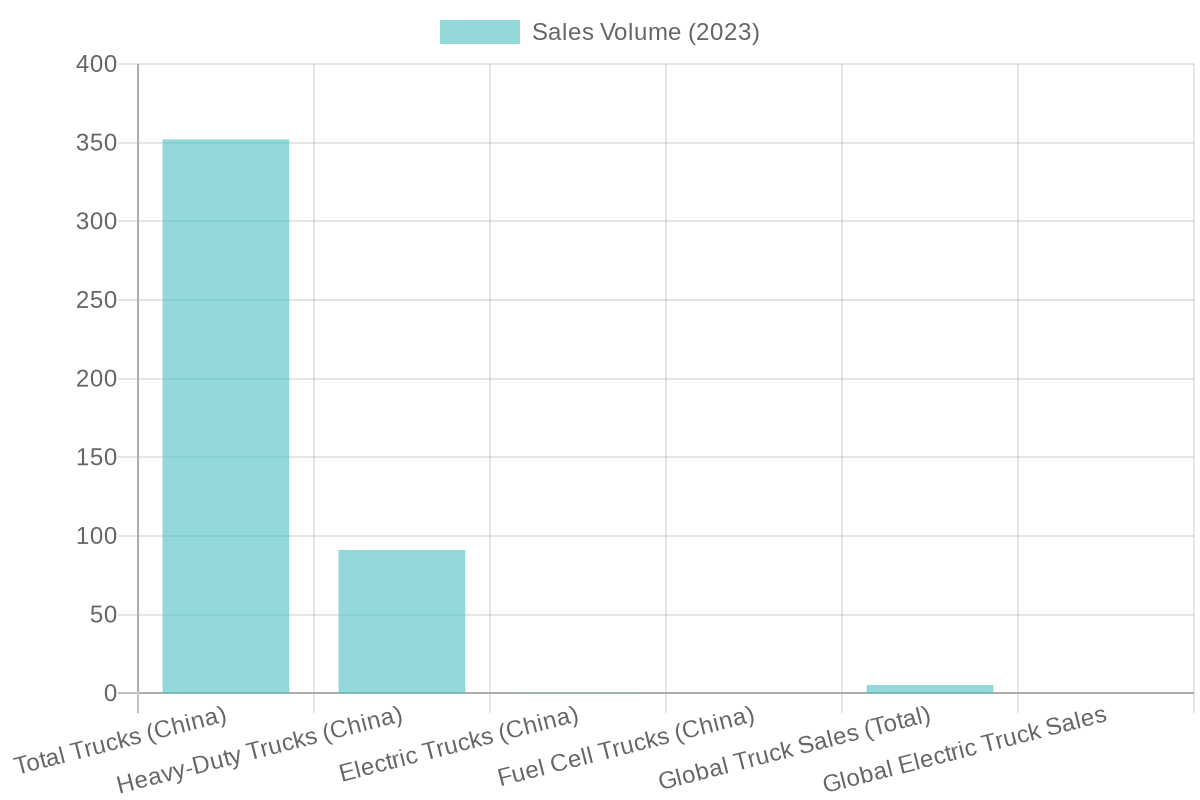
Truck Sales Volume and Growth in 2023
Understanding the towing capacity of your truck is not just about numbers; it’s about ensuring safety and efficiency while on the road. Industry expert John Smith, a professional truck mechanic, states, > “Knowing your truck’s towing capacity is crucial. It helps prevent accidents, ensures the stability of your load, and can save you from costly repairs. Ignoring this can lead to dangerous situations on the road.” For local drivers and car owners, this emphasizes the importance of not only understanding your vehicle’s limits but also choosing the right equipment for your towing needs. Ensure that you are well-informed, especially if you’re looking into the key signs of illegal towing or if you operate a fleet that must maintain emergency readiness.
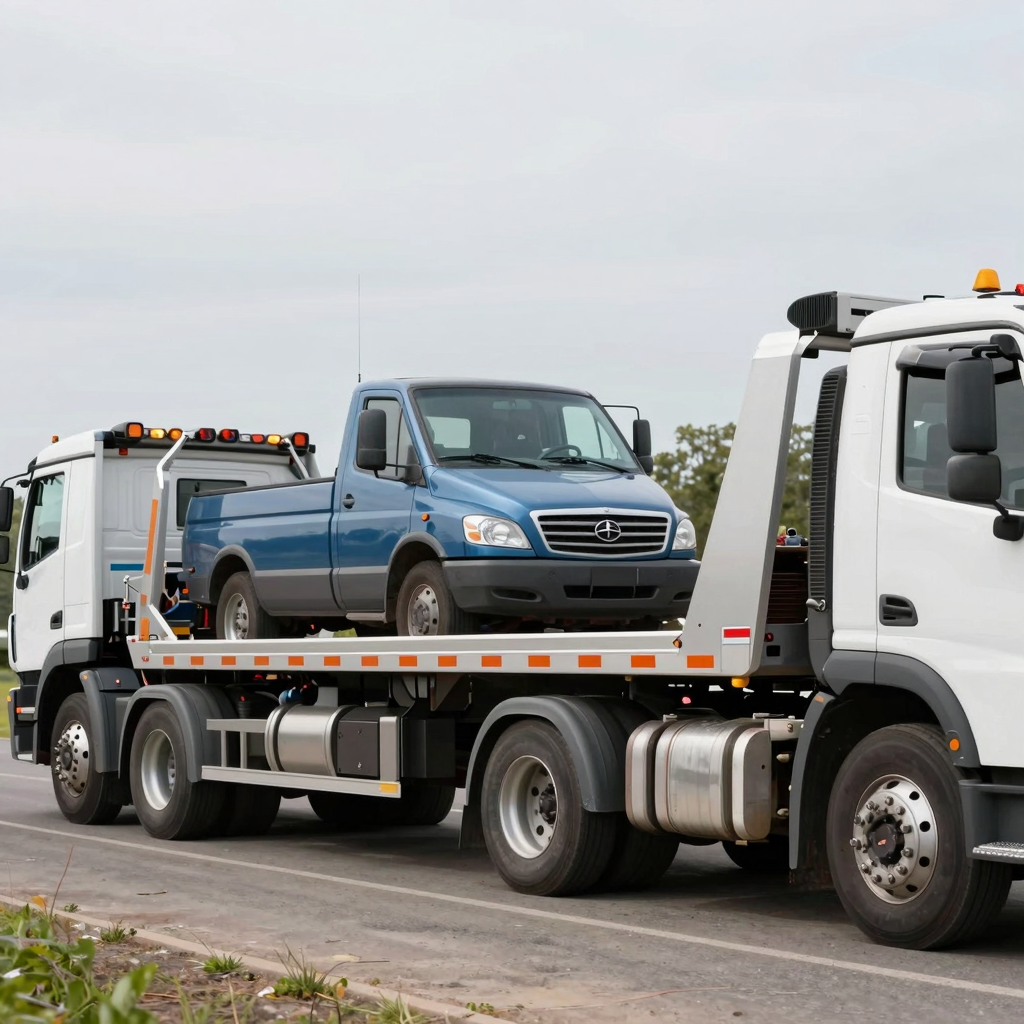
This knowledge could make a significant difference in how effectively and safely you tow.
Conclusion
Understanding your truck’s towing capabilities is essential for ensuring safety, prolonging the lifespan of your vehicle, and staying compliant with legal standards. By knowing your truck’s Gross Combined Weight Rating (GCWR) and equipping it with the appropriate towing accessories, such as a quality trailer hitch and proper wiring harnesses, you can prevent dangerous situations that often arise from improper towing. It’s crucial to adhere to the manufacturer’s specifications and conduct regular maintenance, especially before embarking on a towing adventure. Additionally, the latest trends in truck modifications have emphasized the importance of integrating advanced safety technologies and weight distribution systems to enhance the towing experience.
At Summit Fairings, we are committed to helping you elevate your ride with high-quality, customized solutions that enhance your truck’s performance and aesthetic. Explore our range of products and take the first step toward a safer, more efficient towing experience. Don’t wait-upgrade your truck today!